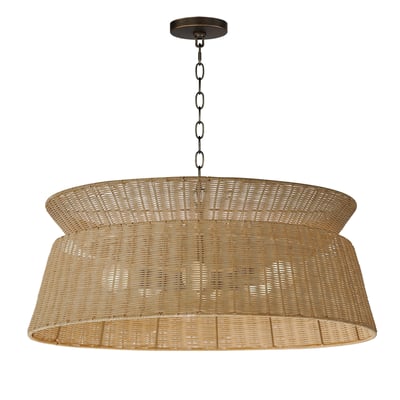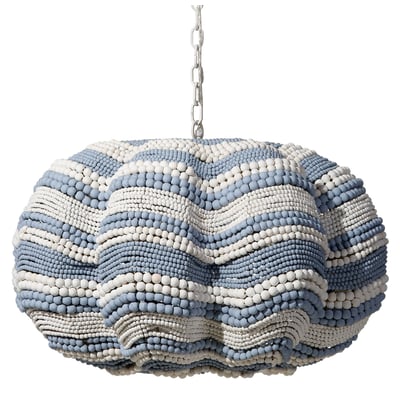

High ceilings instantly elevate a home. They introduce architectural drama, create a sense of openness, and allow natural light to travel farther. But without thoughtful planning, that same height can leave a room feeling disconnected or incomplete. Standard fixtures that work beautifully in 8- or 9-foot spaces often appear undersized when they’re suspended in taller rooms, as they appear to float near the ceiling instead of engaging with the living area below.
That’s why the best high ceiling lighting ideas focus less on brightness alone and more on proportion, presence, and balance. Scale and drop length play a defining role in how a fixture interacts with the room. Lighting should visually bridge the distance between ceiling and floor to draw the eye downward and anchor the space. When properly scaled and positioned, fixtures transform vertical volume into a cohesive, inviting environment rather than an empty expanse overhead.
In most homes, standard ceiling heights range from 8 to 9 feet. Once ceilings reach 10 feet or higher, rooms begin to feel noticeably tall, which shifts how light interacts with the space. At this height, fixture scale, placement, and drop length become more visually significant. Two-story or open-to-below spaces require even greater consideration, since lighting must address both levels while maintaining balance and proportion across a much larger vertical space.
The most successful, professional tall ceiling lighting ideas rely on statement-worthy fixtures that embrace vertical space rather than shrink from it. Oversized chandeliers, elongated pendants, and layered lighting strategies work together to create presence, structure, and visual harmony in expansive rooms.
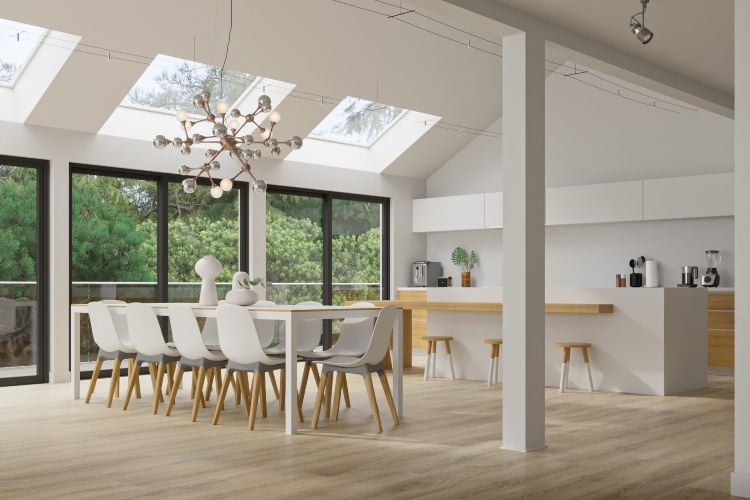
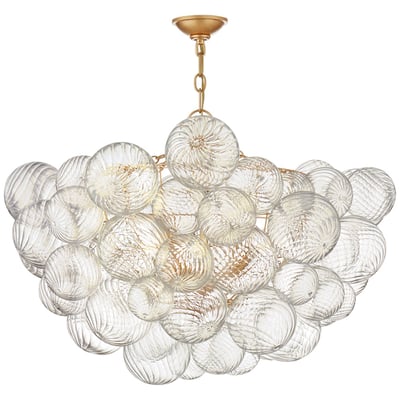
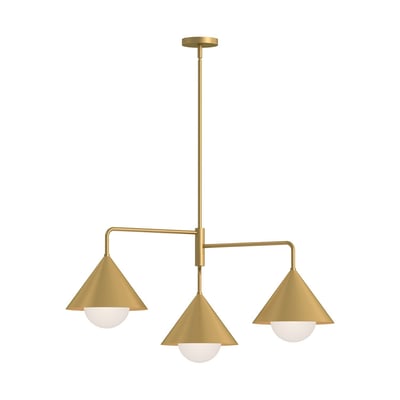
Few fixtures command vertical space quite like bold and dramatic chandeliers. Their suspended structure naturally draws the eye upward while visually connecting the ceiling to the room below. In taller spaces, diameter and drop length become critical. A chandelier that feels appropriately scaled in a standard-height room can appear undersized when placed in a 10- or 12-foot setting.
Larger diameters and extended suspension lengths help establish presence and prevent the fixture from looking distant. In 2-story rooms or open-to-below areas, multi-tier chandeliers are especially effective. Their layered structure fills vertical volume gracefully and distributes light more evenly across levels. Rather than functioning purely as decorative accents, chandeliers for high ceilings should act as architectural focal points that anchor the room and reinforce its scale.
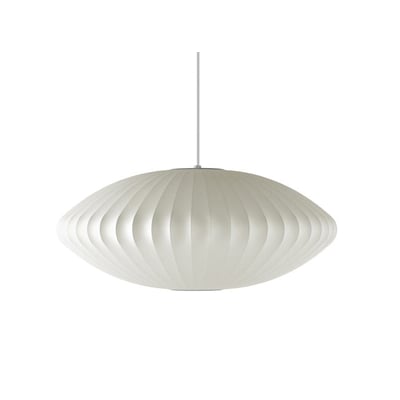
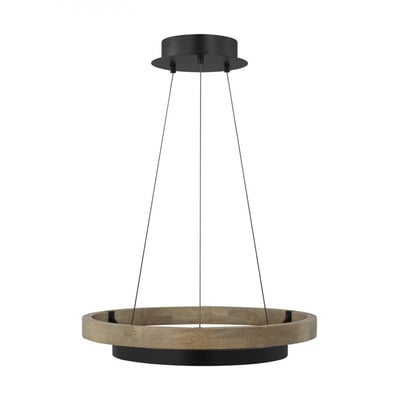
With thoughtful selection at the forefront, high ceiling pendant lighting can introduce both vertical emphasis and sculptural impact. In taller rooms, standard single pendants may feel visually lost, which is why oversized designs or grouped pendants often work best. A series of pendants hung at staggered heights can create movement while filling otherwise empty overhead space.
Adjustable cords, rods, and long suspension options are essential in tall environments. They allow the fixture to descend into the room rather than hovering near the ceiling line. This is particularly important in kitchens, stairwells, and loft-style living areas where pendants can help define functional zones. With the right scale and suspension length, pendant lighting becomes a deliberate design feature - not a secondary detail.
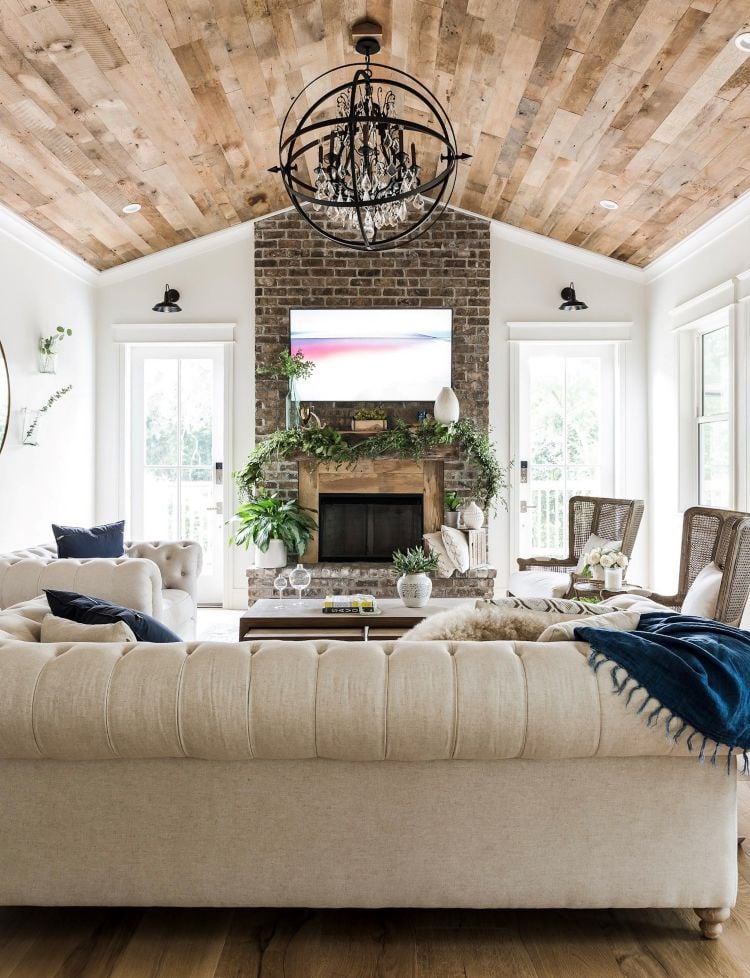
Relying on a single overhead fixture in a tall room often leads to uneven illumination and shadowed upper walls. Layered lighting creates depth and balance by pairing hanging fixtures like chandeliers or pendants with wall sconces and recessed lights. Each light source serves a different purpose - ambient light for overall brightness, accent lighting to highlight architectural features, and task lighting for functional areas.
In rooms with high ceilings, layering also helps eliminate those dark upper zones that can make the space feel cavernous or oddly lit. Recessed lighting can softly wash walls or highlight beams, while sconces bring light down to eye level. A chandelier may anchor the center of the room, but it works best when it’s supported by additional fixtures to deliver adequate lighting across the entire room. In most tall spaces, thoughtful layering is the key to transforming lighting from adequate to cohesive and inviting.
Finding the right fixture size is one of the most important factors when you’re working with high ceilings. Standard sizing formulas based on room width and length can serve as a helpful starting point, but they often underestimate what tall spaces truly require. In rooms with 10-, 12-, or even 20-foot ceilings, undersized fixtures quickly appear disconnected from the architecture.
This is where large scale light fixtures become essential. Increasing the diameter beyond the minimum recommendation can create stronger visual presence and restore proportion. Ceiling height has a direct effect on perceived scale. This means that the taller the room, the more substantial the fixture should feel. Just as important as measurements is visual weight - the material density, shape, and structure that determine how much presence a fixture carries within a spacious vertical area.
One of the most common mistakes people make when choosing lighting for tall rooms is hanging fixtures too close to the ceiling. In high spaces, lighting should visually descend into the room rather than hover near the top plane. Bringing the fixture lower helps connect ceiling height to the living area below, creating proportion and intimacy.
For 10- to 12-foot ceilings, chandeliers and pendants typically benefit from longer suspension lengths that position the light well below the ceiling line while maintaining proper clearance. In 2-story or open-to-below spaces, fixtures may need to drop even further to feel like they’re part of both levels. Always consider sightlines from upper floors, staircases, and seating areas, as well as the relationship to the furniture below. The right drop length balances drama with function to prevent the fixture from feeling either disconnected or intrusive.
The best lighting solutions vary depending on how the space is used. From living rooms to entryways and dining areas, high ceilings call for tailored approaches that strike a balance between scale, function, and visual impact.

In living rooms with high ceilings, lighting should help anchor the seating area so the space feels more intentional and less vast. Placing a statement chandelier above the main gathering space visually defines the room’s center and draws the ceiling height down into the conversation area. Without this focal point, tall living rooms can feel disconnected and top-heavy.
Layered lighting is especially important in these spaces. Pairing a bold overhead fixture with recessed lighting, sconces, or floor lamps adds depth and warmth at multiple levels. This combination prevents shadows from collecting in upper corners or along walls while maintaining a comfortable glow at eye level. When scale and layering work together, your tall living room will feel expansive, yet grounded.

Few areas benefit more from well-placed two story ceiling lighting than entryways and open foyers. These spaces set the tone for the entire home, making lighting both a functional necessity and a design statement. Choosing a dramatic chandelier to break up the vertical space creates immediate visual impact and highlights architectural height.
Tall entryways are also the perfect opportunity to showcase premium, large-scale fixtures that might overwhelm other rooms. Multi-tier chandeliers, elongated silhouettes, or sculptural designs can fully engage the available height. Proper drop length is essential because it makes the fixture feel integrated rather than distant. When fixtures are chosen with intention, foyer lighting transforms every inch of vertical space into a memorable first impression.

Dining rooms with high ceilings require a careful balance between table proportion and overall room scale. Balance is important here because while chandeliers should relate to the size and shape of the dining table, they must also account for vertical height. A fixture that fits the table perfectly in diameter might still feel undersized if it lacks the visual presence to suit a 10- or 12-foot ceiling.
Choosing a chandelier with greater height, layered tiers, or a slightly larger diameter helps bridge that gap. The goal is to anchor the table while still engaging the vertical space above. Proper drop length also plays a role in allowing the fixture to feel connected to the dining surface rather than suspended too far overhead. When the right balance is found, the dining room will have a grand, well-lit, and inviting presence.
Lighting tall rooms comes with a unique set of challenges. These common missteps can compromise both function and style - but paying close attention to factors like scale, drop length, and layering helps you avoid the pitfalls:
Addressing these mistakes at the planning phase will help your high ceilings feel cohesive, functional, and inviting. By prioritizing proper fixture scale and thoughtful layering, you can make every corner of a tall room shine while also maintaining architectural harmony.
It’s no secret that soaring ceilings can be breathtaking - that’s what makes them such a coveted architectural feature. But without thoughtful planning, they can also feel distant or impersonal. The key to effective lighting is not just scale - it’s atmosphere. When height is paired with warmth and layering, even the tallest rooms can feel grounded and welcoming.
Ultimately, great lighting for high ceilings toes the line between delivering optimal brightness and shaping how a space feels. By combining scale, warmth, and layered illumination, you can make even the most dramatic architectural part of a room that feels both impressive and comfortably lived in.
High ceilings deserve lighting that rises to the occasion. Whether you’re selecting a bold chandelier, an oversized pendant, or a layered combination of fixtures, just remember that scale, drop length, and visual presence are the keys to making your space feel cohesive and inviting. Lightopia’s lighting design experts can help you navigate these choices, offering guidance on premium fixtures that fill vertical space beautifully while complementing your room’s style. Explore our collections of statement chandeliers, tall pendants, and layered lighting solutions, and let us help you transform your high ceilings into a stunning, well-lit feature in your home.

THANK YOU!
Your discount code is on its way.
If you don't receive your promo code, please check your email junk or spam folder and click on "Not spam".
Free Shipping
Free standard shipping on all orders within the contiguous USA.
Orders to Canada, Alaska, Hawaii and Puerto Rico will incur additional shipping and handling fees, which will be calculated and presented at checkout. Canadian customers will be charged for all applicable customs duties, taxes, and brokerage fees.
For large, oversize items that require a surcharge above our shipping and freight partners’ standard shipping rates, an Oversize Processing Fee will be calculated in cart.