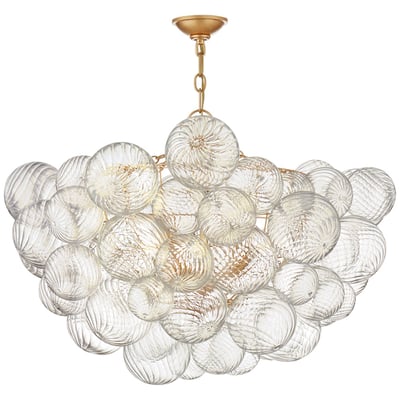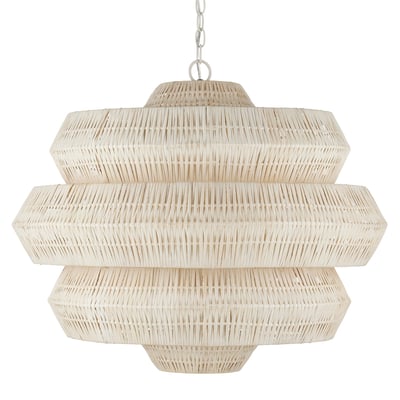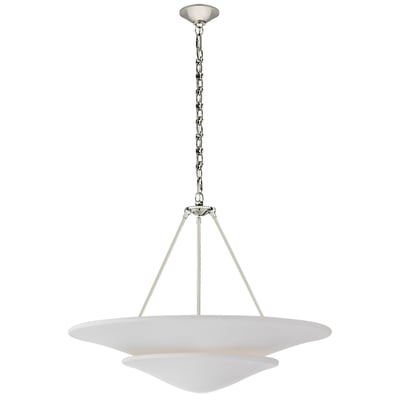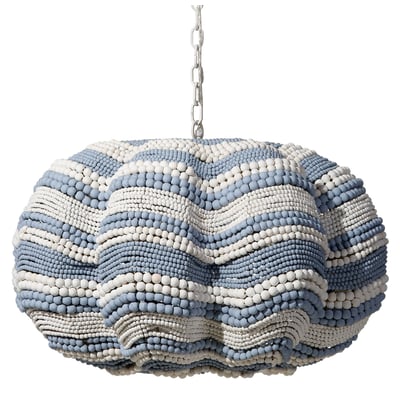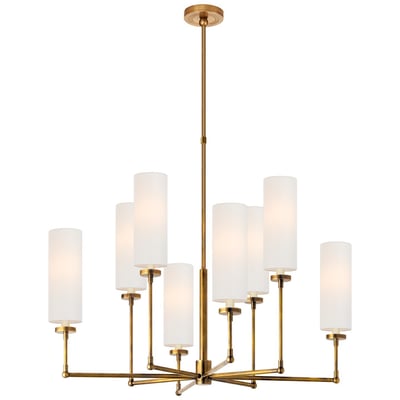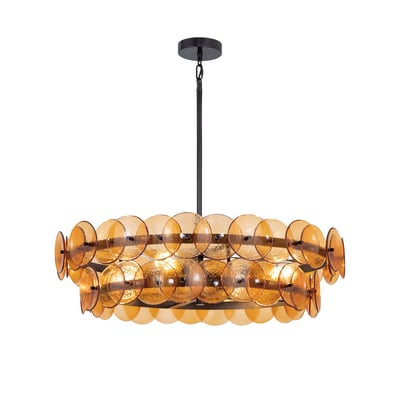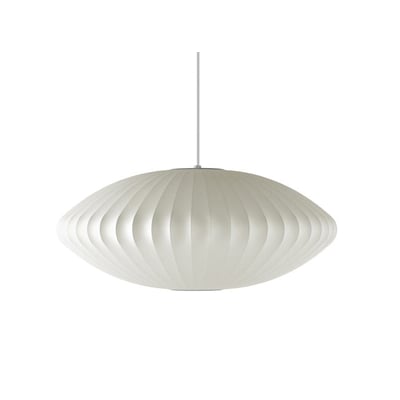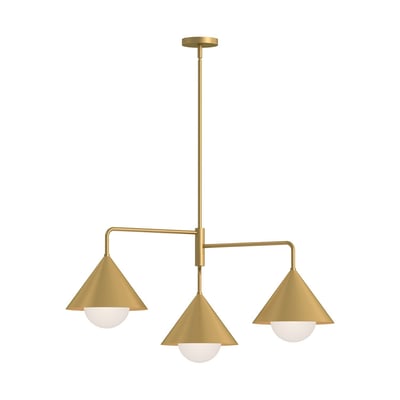

Vaulted ceilings add drama, openness, and architectural interest to a space, but they also create a unique set of lighting challenges. Because vaulted ceilings affect how light spreads throughout the room, standard ceiling rules for fixture placement, spacing, and brightness often don’t apply. That’s why it’s so easy to end up with unwanted problems like uneven illumination or glare. With the right planning, however, vaulted ceilings can be both visually stunning and fully functional. This guide focuses on practical solutions rather than just inspiration. We’ll deliver strategies, fixture recommendations, layout tips, and other helpful vaulted ceiling lighting ideas that help your vaulted ceiling look impressive while delivering the light your space actually needs.
While their terms are often used interchangeably, not all tall ceiling styles are the same. Vaulted ceilings rise to a peak along one axis, while cathedral ceilings mirror the roofline with symmetrical slopes. Sloped ceilings include any angled surface, whether it’s part of a vaulted structure or not, while slope angle has a direct impact on fixture compatibility. Ceiling type and slope determine which chandeliers, pendants, or recessed lights can be installed safely and effectively, helping prevent installation issues or uneven light distribution. Understanding these distinctions will help you choose lighting that works with your space rather than against it. In this guide, we’ll cover all the cathedral ceiling lighting tips you need to confidently select fixtures, plan layouts, and achieve even, functional illumination in any tall or sloped space.
Lighting for vaulted ceilings requires careful planning to balance functionality and visual impact. High, sloped surfaces change how light spreads, and standard ceiling rules don’t account for the unique angles and varying heights. Practical fixtures must provide both ambient and task illumination while maintaining proportion in the vertical space. Chandeliers, pendants, and recessed lighting all have a place, but their placement and scale are critical. The right choices will brighten the room evenly, prevent harsh shadows, and complement the architecture of your tall spaces.

Vaulted ceiling chandeliers are ideal for adding drama and elegance to tall, open rooms. Their vertical drop emphasizes height and fills space visually, while properly scaled fixtures maintain balance from the floor level. The diameter and proportion of the chandelier should correspond to the room’s dimensions to avoid overwhelming or underwhelming the space with an off-scale look. Many vaulted ceiling chandeliers require adapters or fixtures that are specifically designed and rated to be installed on angled surfaces. Considering scale, drop length, and slope compatibility ensures that the chandelier provides both striking visual appeal and effective illumination throughout the room.

Pendant fixtures are a brilliant way to enhance a room’s vertical dimension, particularly when they’re strategically placed under vaulted or angled ceilings. Using sloped ceiling pendant lighting with adjustable cords and swivel canopies allows the lights to hang straight and at the proper height, regardless of the angle of the ceiling. These pendants work well over kitchen islands, dining tables, or seating areas, providing both task illumination and visual interest. Correct sizing and placement prevent the fixtures from overpowering the space, allow for maximum style impact, and keep the lighting balanced and functional throughout rooms with vaulted or sloped ceilings.
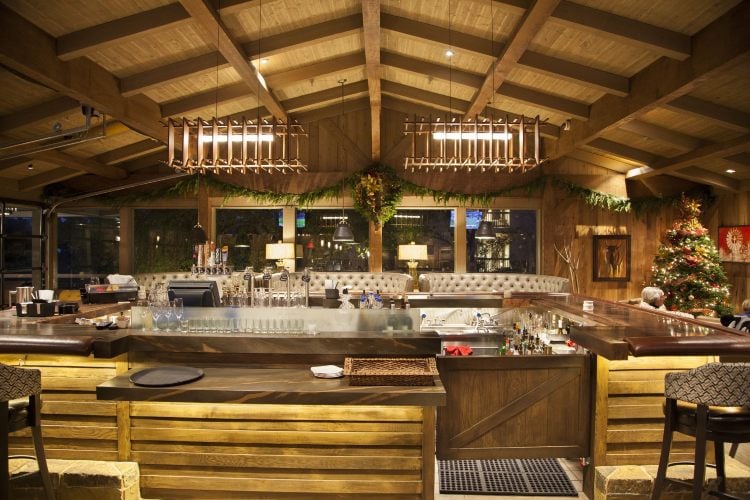
Recessed fixtures are an effective solution for delivering even, ambient illumination to rooms with vaulted ceilings. When vaulted ceiling recessed lighting and housings are rated for sloped surfaces, you can expect alignment and safe installation instead of tilted or uneven fixtures. Proper spacing is crucial when it comes to preventing shadows and achieving consistent light coverage. These lights are particularly useful where chandeliers or pendants cannot provide adequate illumination or where subtle ambient light is desired. When layered with statement fixtures for a polished touch, recessed lighting helps maintain both functional brightness and a visually balanced atmosphere in tall, open spaces.

Sloped ceiling lighting can present unique installation challenges, especially when it comes to standard fixtures that were designed for flat surfaces. A sloped ceiling adapter adjusts the mounting angle so chandeliers, pendants, and other fixtures hang correctly on an angled surface. Slope-compatible light fixtures do not require an adapter, but certain styles will need one, depending on the ceiling pitch. This feature varies based on design, so always verify compatibility before purchasing and plan accordingly to avoid alignment issues or unsafe installation. Using the right adapter or selecting slope-ready fixtures allows your vaulted or angled ceiling lighting to perform as intended.
Lighting placement in vaulted ceilings affects both function and visual balance. Fixtures should be centered on the room’s overall geometry rather than the ceiling peak to avoid awkward sightlines or uneven illumination. Hanging lights too high or too low can create glare, leave dark spots, and disrupt the visual flow of the space, so adjustable cords and careful measurement are important factors. Layering multiple light sources - such as a combination of chandeliers, pendants, and recessed lights - can help distribute light evenly and highlight key areas. Aligning fixture placement with the room’s intended use keeps the space both comfortable and visually appealing.
Each room type can benefit in a different way from tailored lighting strategies. The right combination of fixture types and placement can enhance both functionality and aesthetics in living rooms, kitchens, and entryways.

Vaulted living rooms benefit from layered lighting that balances scale and comfort. Combining vaulted ceiling chandeliers with pendants and recessed lighting creates depth and shows off your personal style while filling large vertical space with warmth. Chandeliers provide a central focal point and visual anchor, while pendants or floor-level lamps highlight seating areas. Recessed lighting adds ambient balance without competing with statement fixtures. Thoughtful layering leaves the room feeling inviting rather than cavernous. When light reaches all corners evenly, it benefits both social and functional uses of the space.

Vaulted kitchen ceilings require careful fixture selection to effectively illuminate work surfaces. Island pendants provide focused task lighting, while incorporating recessed or semi-flush fixtures for ambient light helps prevent dark zones over counters and prep areas. Using sloped ceiling pendants with adjustable cords allows the fixture(s) to hang at an ideal height above islands or peninsulas. Strategic placement of multiple light sources maintains even coverage across the room while also blending functional illumination with visual interest. With proper planning, you’ll be enjoying a practical and visually balanced kitchen in no time.

Entryways are tasked with setting the tone for the entire home, so lighting should make a strong first impression. Vaulted ceiling chandeliers create visual drama while providing functional illumination for guests. Scale and drop length are key: fixtures should feel proportional to the height of the space and visible from the doorway without overwhelming the floor below. Layered lighting, such as wall sconces or recessed lights, can complement a chandelier, fill shadows, and highlight architectural details for a welcoming and balanced entry experience.
Finding the right fixture size for vaulted ceilings simply requires adjusting standard diameter rules to match the room’s greater vertical scale. Taller ceilings call for larger or longer fixtures to maintain visual balance and presence from the floor. Consider both the vertical drop and the fixture’s overall dimensions to choose a fixture that complements the space and doesn’t dominate it. Properly sized chandeliers, pendants, or semi-flush fixtures create proportionate light distribution and prevent undersized or oversized installations that can disrupt the room’s harmony. Visual weight and ceiling height should guide your choices every step of the way.
Even experienced homeowners can make costly errors when lighting vaulted or sloped ceilings. Common mistakes include:
By addressing fixture compatibility, scale, and placement early in the planning process, you can avoid these pitfalls and achieve a well-lit, visually balanced space.
Before purchasing, take the time to measure your ceiling’s slope and height. Review fixture specifications to confirm compatibility with angled surfaces and identify whether a sloped ceiling adapter is needed. Consider how each light’s drop length and placement will impact overall illumination. Taking these steps upfront makes installation smoother, reduces the risk of misaligned fixtures, and gives you confidence that your vaulted ceiling lighting will perform as intended.
Vaulted and sloped ceilings promise stunning architectural impact, but planning lighting for them might seem complicated. The good news is that these unique ceilings are actually an enviable design opportunity, and these challenges can be solved with the right guidance and fixture selection. Lightopia’s lighting design consultation services help you match your ceiling’s slope and height with the perfect combination of sloped ceiling chandeliers, sloped ceiling pendants, and recessed lighting. Our experts can guide you on scale, drop length, and placement, answer your questions, and even help you troubleshoot challenges so your fixtures highlight the architecture while delivering balanced illumination.
Whether you’re layering recessed lights for ambient glow, positioning pendants over a vaulted kitchen island, or selecting a chandelier that becomes the room’s focal point, we provide practical advice that prevents common mistakes and helps you confidently plan a lighting layout that works with your ceiling - not against it. Explore compatible sloped ceiling pendants, recessed lighting, and sloped ceiling chandeliers in our curated collections. Don’t forget to browse compatible fixtures, adapters, and accessories to keep every corner of your home beautifully illuminated. Let Lightopia help you bring both function and drama to all your tall ceilings.
THANK YOU!
Your discount code is on its way.
If you don't receive your promo code, please check your email junk or spam folder and click on "Not spam".
Free Shipping
Free standard shipping on all orders within the contiguous USA.
Orders to Canada, Alaska, Hawaii and Puerto Rico will incur additional shipping and handling fees, which will be calculated and presented at checkout. Canadian customers will be charged for all applicable customs duties, taxes, and brokerage fees.
For large, oversize items that require a surcharge above our shipping and freight partners’ standard shipping rates, an Oversize Processing Fee will be calculated in cart.