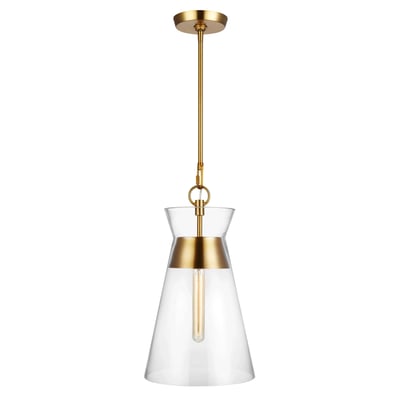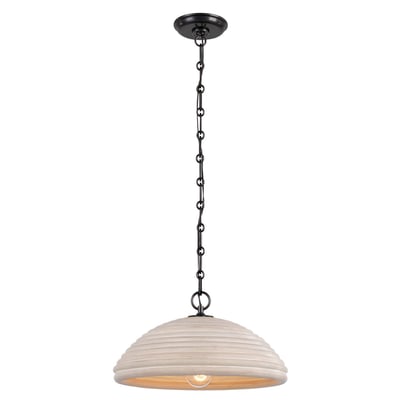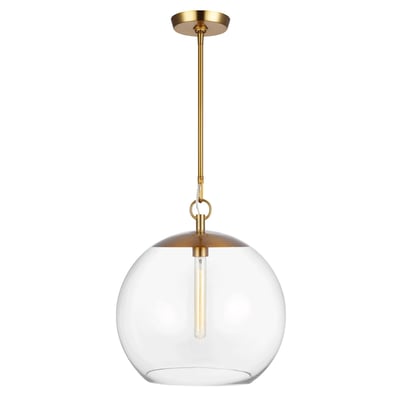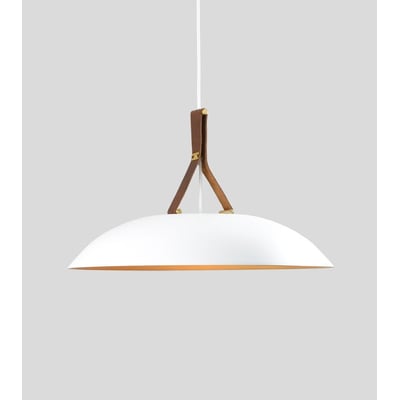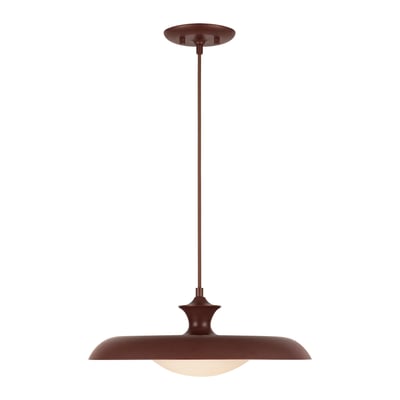

Kitchen island pendant lighting should never be a decorative afterthought. It’s a proportion and measurement decision that directly impacts task visibility, traffic flow, and the overall balance of the kitchen. When pendant count, spacing, or hanging height is miscalculated, even high-end fixtures can make a space feel awkward or poorly planned. Pendant placement influences how evenly light reaches the countertop, how comfortably people move around the island, and how the kitchen connects visually to surrounding areas. Because the island often sits at the center of the room, small layout mistakes become immediately noticeable.
Most installation problems trace back to three core issues: incorrect spacing, improper hanging height, or selecting the number of pendants without measuring first. Professionally designed kitchens follow repeatable rules based on math and proportion. This kitchen island pendant lighting guide breaks those rules down into clear, easy-to-use formulas, practical examples, and planning tools so you can make decisions with precision rather than guesswork.

Precision begins with accurate measurements. Before you ever choose a pendant style or quantity, document your island’s exact dimensions so placement decisions are based on concrete numbers.
Start by measuring the total length of the island, measuring from end to end in inches. Length is the key variable you’ll use to determine pendant count and spacing calculations. Even a difference of two or three inches can shift placement and spacing enough to disrupt visual balance. Next, measure the island width. Width helps guide appropriate pendant diameter and ensures that fixtures are proportional to the countertop surface rather than overpowering it.
If your island includes seating, measure from the outer edge of the countertop overhang - not just the cabinet base. Overhang affects visual centering and clearance from edges. All fixture decisions should follow confirmed measurements. When dimensions are established first, spacing formulas and height rules become reliable and repeatable.

Pendant count is primarily determined by island length, with fixture size and visual weight shaping the final decision. Homeowners often ask how many pendants over kitchen island layouts truly require, but the answer depends on proportion rather than preference alone. For islands under 5 feet long, one or two pendant lights are typically sufficient, depending on diameter and light spread. Islands measuring 6 to 7 feet often support two to three pendants spaced evenly across the usable surface length. For islands 8 feet or longer, three pendants are standard - but a single linear fixture can provide comparable coverage with a more continuous look. You’ll need fewer fixtures when you choose larger pendants (although visual weight and proportion are key considerations), while smaller pendants often need additional units to maintain balance. The goal is consistent light distribution and proportional spacing across the full island length.
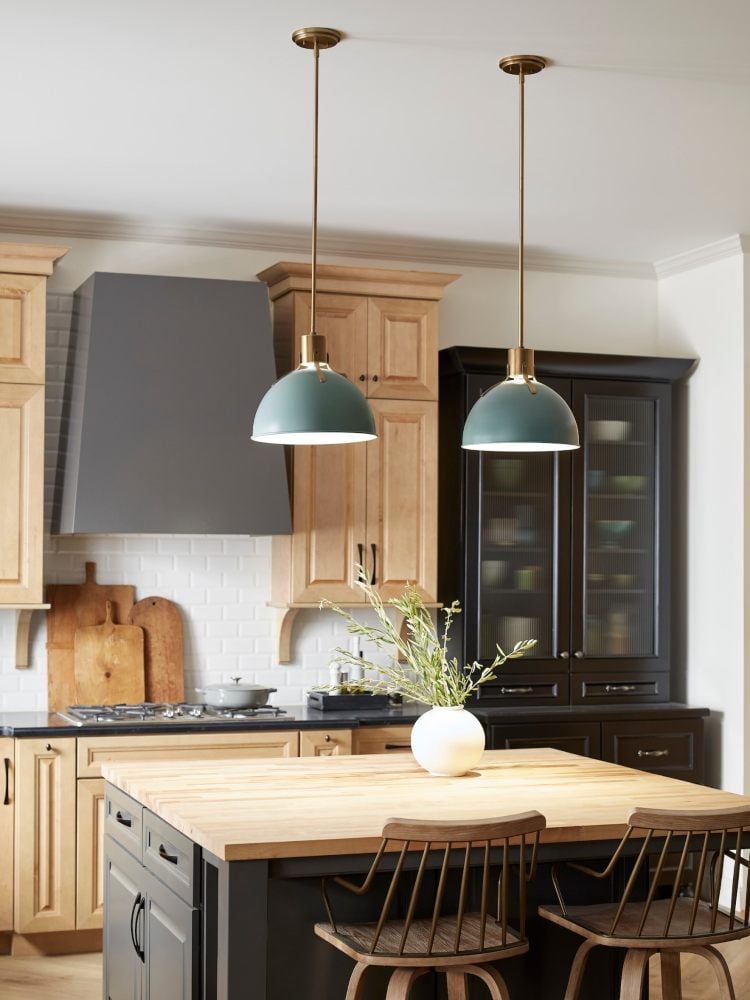
Accurate kitchen island pendant spacing is based on consistent center-to-center measurements and balanced edge clearance. These rules form a reliable and repeatable pendant light spacing formula that works across most standard island layouts.
Leave a minimum of 6 inches from the end of the island to the center of the first pendant. This prevents fixtures from appearing crowded against the edge and preserves visual balance. Space pendants 24 to 30 inches apart, measured from the center of one fixture to the center of the next. Maintain equal spacing across the full usable island length rather than adjusting gaps inconsistently at the ends.
Example:
When spacing follows consistent math, alignment remains balanced and light distribution stays even across the countertop surface.

Proper kitchen island pendant height calculations are essential for both functionality and visual comfort. The standard recommendation is to hang pendants 30 to 36 inches above the countertop, which provides ample task lighting while keeping sightlines clear for standing users. Adjustments may be necessary for higher ceilings, which allow fixtures to hang slightly higher without feeling disconnected, or for larger pendants that require extra clearance to avoid dominating the space. Always consider seated users if the island includes bar stools or overhangs, and position lights to prevent glare across the surface when you’re sitting or standing. Proper height establishes balanced illumination without obstructing views or traffic flow.

Choosing the correct kitchen island pendant size ensures both practical lighting and visual balance. Pendant diameter should be proportionate to island width. Generally, small islands look best with 10 to 16 inch pendants, medium islands 12 to 18 inches, and larger islands may require 16 to 20 inch pendants to maintain coverage. Oversized pendants reduce the number of fixtures needed because their larger diameter means they distribute more light and take up more visual space. However, it’s important to consider proportions because large pendants can dominate the space if they’re not chosen with the island’s size in mind. The shape of the shade also influences perceived size - a globe or bell shape may read larger than its actual diameter. Physical dimensions describe a pendant’s actual height and diameter, while visual weight reflects how large or heavy the fixture appears in the space. When you consider both of these factors, your island will feel harmonious and balanced rather than overcrowded or sparse.
Applying simple pendant spacing formulas to your island’s measurements is the key to achieving balanced lighting and a polished, professional look. Consider these common scenarios to visualize how fixtures should be arranged:
By following these layouts, your island will achieve proportional spacing, even light distribution, and a visually harmonious result.
For homeowners planning a kitchen around hosting and entertaining, this guide to kitchen layout for entertaining offers additional ideas for creating a functional, welcoming space.
Pendants are most effective when multiple light sources create rhythm across medium-sized islands or when you need to highlight specific zones, such as a cooktop or prep area. Linear fixtures work best for long or oversized islands because they offer uninterrupted coverage and a cleaner ceiling profile. Whereas pendants emphasize visual breaks and decorative interest, linear lighting prioritizes continuity and even illumination. Choosing between the two should be based on island length, surface coverage needs, and the desired visual impact - not on style trends. Making these thoughtful, strategic decisions allows your lighting design to maintain both function and proportion throughout the kitchen.
Even well-chosen fixtures can fall short of your expectations if basic placement rules are ignored. These common errors can compromise both function and style:
When you follow the spacing, height, and count formulas outlined earlier, you can easily avoid these mistakes and enjoy island lighting that’s as practical as it is visually balanced.
Using visual planning tools and spacing calculators takes the guesswork out of pendant lighting design layouts. Calculators help translate island measurements into accurate fixture placement, spacing, and count, while video demonstrations illustrate how pendants should hang in relation to the countertop and surrounding space. Before you make a purchase, be sure to leverage these resources to see alignment, height, and visual impact in a practical, easy-to-understand way. It’s an easy way to reduce errors and help your kitchen lighting look professionally designed from the start.
Getting pendant spacing, height, and quantity right doesn’t have to be intimidating. With some helpful tips and a few calculations, you’ll be ready to create a kitchen that effortlessly balances style and functionality. If you still need a little more support, Lightopia’s lighting design consultation services guide you through every decision - from selecting the ideal kitchen pendants to determining precise placement for optimal light coverage. Our experts can translate your island measurements into a layout that balances function, proportion, and style, so you achieve even illumination and a visually harmonious result. Explore Lightopia’s collection of kitchen pendants to plan your kitchen lighting with confidence, precision, and lasting style.
For an 8-foot island, three evenly spaced pendants typically provide balanced illumination. As an alternative, a single linear fixture can also deliver continuous coverage and a clean visual rhythm.
Spacing pendants too closely creates visual clutter, uneven light distribution, and can make the island feel crowded or disproportionate relative to its length.
Pendants should generally align with the island itself rather than just the seating. The goal is to maintain balanced light across the entire surface and avoid dark spots on prep areas.
Start with accurate measurements and pendant size, then determine how many fixtures will achieve even coverage and proportional spacing across the island.
THANK YOU!
Your discount code is on its way.
If you don't receive your promo code, please check your email junk or spam folder and click on "Not spam".
Free Shipping
Free standard shipping on all orders within the contiguous USA.
Orders to Canada, Alaska, Hawaii and Puerto Rico will incur additional shipping and handling fees, which will be calculated and presented at checkout. Canadian customers will be charged for all applicable customs duties, taxes, and brokerage fees.
For large, oversize items that require a surcharge above our shipping and freight partners’ standard shipping rates, an Oversize Processing Fee will be calculated in cart.