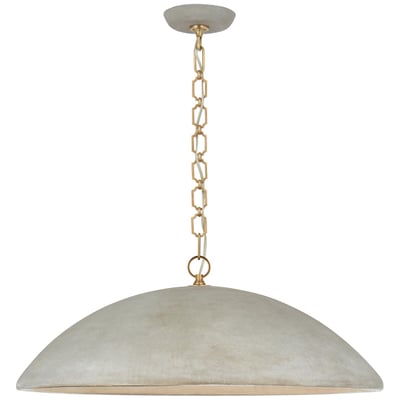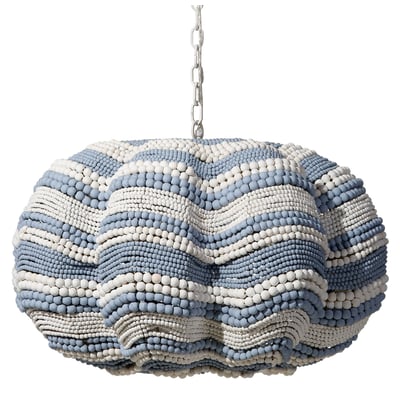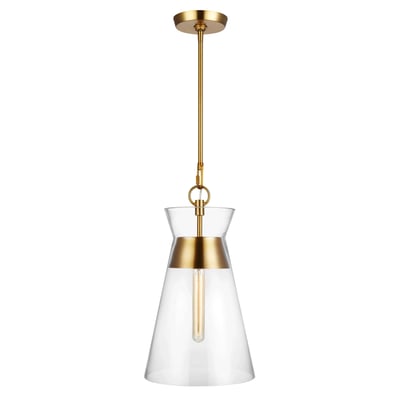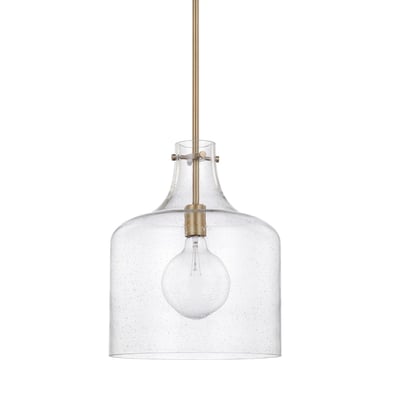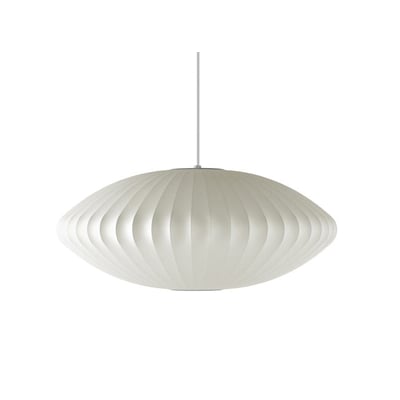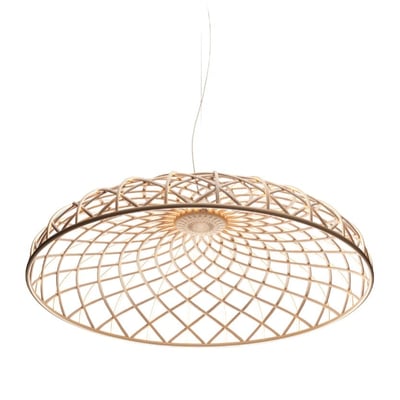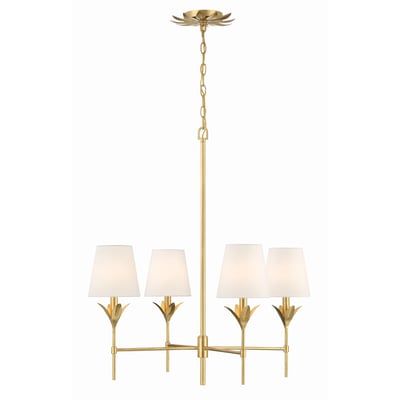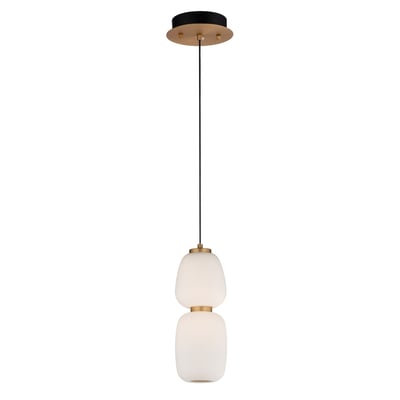

Hallways are some of the most frequently used areas in a home, yet they are often the most overlooked when it comes to lighting. Because these spaces are typically long and narrow, poor lighting placement can easily make them feel dim, cramped, or even tunnel-like. Thoughtful hallway ceiling lighting can transform this transitional space into something far more inviting.
When fixtures are properly spaced and scaled for the proportions of the hallway, they create a smooth flow of light that guides movement through the home rather than interrupting it. In this guide, we’ll explore practical hallway ceiling light ideas, spacing strategies, and fixture styles that work especially well in long or narrow layouts so you can design a hallway that feels bright, balanced, and visually connected to the rest of your home.
One of the most common challenges with lighting a hallway is figuring out how far apart ceiling lights should be placed. Because hallways tend to be longer than they are wide, spacing plays a major role in whether the lighting feels comfortable or uneven.
This rule is used by many designers, and it provides a helpful, simple starting point:
This formula works because it maintains overlapping pools of light along the length of the hallway. When fixtures are spaced too far apart, dark gaps can appear between them, which emphasizes the narrow shape of the corridor. Closer spacing helps create a continuous glow that makes the space feel more comfortable and visually balanced.
To apply this formula in your own home, start by measuring the total length of the hallway. Then divide that number by the recommended spacing range.
Example: If your hallway is 24 feet long with an 8-foot ceiling, using the 6- to 8-foot rule might look like this:
24 Feet ÷ 8 Feet = 3 Fixtures
24 Feet ÷ 6 Feet = 4 Fixtures
In this case, installing three to four evenly spaced lights would create balanced illumination along the entire hallway.
Placement should begin several feet from each end of the hallway rather than placing a light directly against the wall. Starting a fixture roughly 3 feet from the hallway entrance helps spread the light more evenly and prevents shadows near the doorway. Keep in mind that fixture brightness and size can also influence spacing. Larger fixtures or those with higher lumen output can sometimes be spaced a bit farther apart, while smaller lights may benefit from slightly tighter placement.
Choosing the right fixture style is just as important as spacing. Because hallways tend to be narrow, ceiling lighting needs to provide adequate brightness without intruding into the walking path or creating glare. Several practical factors should guide fixture selection. Brightness (measured in lumens) determines how well the hallway is illuminated. Color temperature also influences the overall feel of the space, with warm white tones creating a comfortable atmosphere and cooler tones offering a slightly brighter appearance.
Clearance is another important consideration, especially in homes with standard ceiling heights where large hanging fixtures may feel intrusive. Style matters as well. Hallways often connect several rooms together, so the lighting should complement the design of adjacent spaces without overwhelming them. Many homeowners choose streamlined fixtures that provide reliable illumination while still contributing to the overall aesthetic of the home.

Flush mount fixtures sit directly against the ceiling, making them one of the most practical choices for hallway lighting. Because they take up minimal vertical space, flush mount lighting provides reliable illumination without interfering with headroom or creating visual clutter in narrow areas. These fixtures distribute light broadly across the ceiling and walls, which helps soften shadows along the hallway. For homes with standard 8-foot ceilings, flush mounts are often the safest and most versatile option.
When applying the hallway spacing formula, the diameter of the fixture should also be considered. Larger flush mounts may slightly expand the spread of light, allowing fixtures to sit closer to the upper end of the 6- to 8-foot spacing guideline. Smaller fixtures may benefit from being placed closer together to maintain consistent brightness. Design-wise, flush mounts come in a wide range of timeless shapes such as round domes, shallow drums, and simple geometric forms. Frosted glass, metal trims, and minimalist silhouettes tend to work well in hallways because they provide balanced illumination without drawing excessive attention.
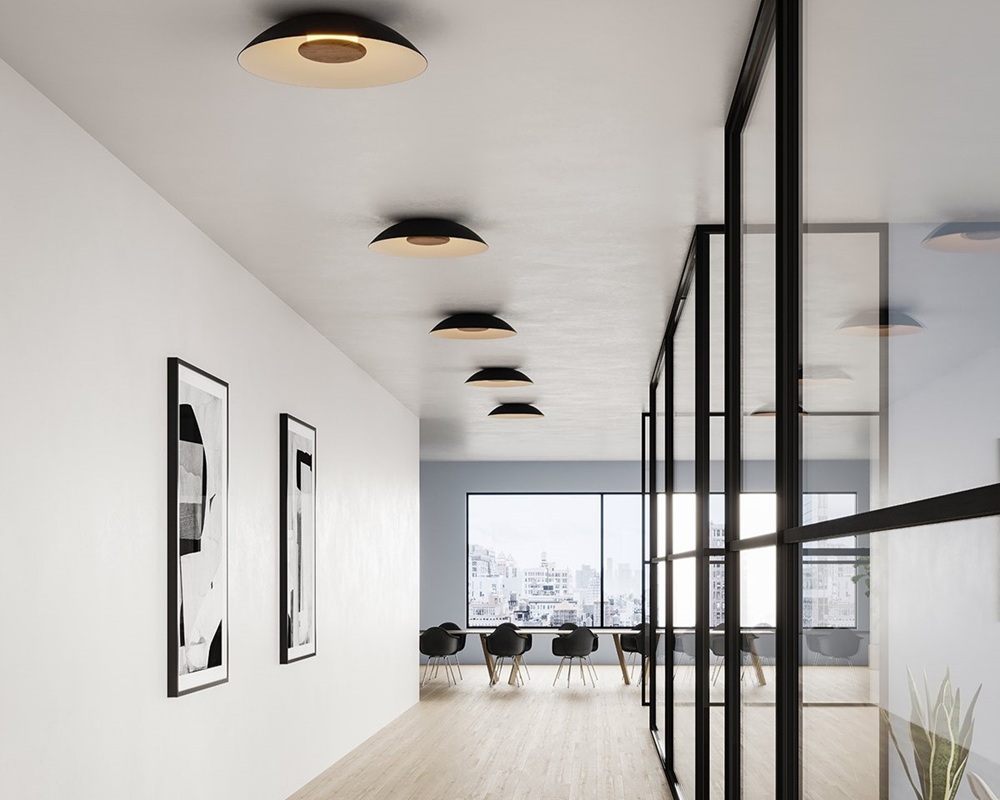
Semi-flush mount fixtures hang slightly below the ceiling while still maintaining a compact profile. This small drop can add visual interest to a hallway while still preserving adequate headroom. Because semi-flush mount lighting extends downward a bit farther than flush mounts, they often produce more layered light. The upward glow reflects off the ceiling while the lower portion spreads illumination throughout the corridor.
In hallways with slightly taller ceilings, semi-flush mounts can introduce subtle decorative detail without feeling oversized. Designs featuring glass shades, sculptural metal frames, or soft fabric diffusers can add personality while still maintaining practical functionality. Spacing guidelines generally follow the same formula used for flush mounts. However, because semi-flush fixtures often create a slightly broader light spread, homeowners sometimes find the wider end of the spacing range works well. For hallways that connect more formal rooms or feature decorative molding or artwork, semi-flush fixtures can strike a nice balance between function and style.

Linear fixtures are an increasingly popular option for modern hallways. Instead of relying on multiple small lights, linear light fixtures stretch across a longer portion of the ceiling to distribute light more evenly along the corridor. This design works particularly well in longer hallways where traditional fixtures might require several installation points. A single linear light can often illuminate a large section of the hallway while maintaining a clean, contemporary appearance.
The elongated shape also naturally complements the proportions of narrow spaces. Rather than breaking the ceiling into small lighting segments, the fixture visually reinforces the direction of the hallway and creates a smoother flow of light. When installing linear fixtures, placement typically follows the same spacing principles, but each fixture may cover more area depending on its length and brightness. In some hallways, two evenly spaced linear fixtures can illuminate the entire corridor effectively. In modern homes or minimalist interiors, linear lighting is a sleek solution that pairs well with architectural simplicity.
Recessed lighting is one of the most streamlined solutions for hallway illumination. Because the fixtures are installed directly into the ceiling, they create a clean, unobtrusive look that works especially well in contemporary homes. These lights distribute illumination downward in controlled beams, which helps maintain consistent brightness along the length of the hallway. When placed according to the standard spacing formula, recessed lighting can produce an evenly lit corridor without drawing attention to the fixtures themselves.
Recessed lighting is particularly useful in very narrow hallways where surface fixtures might feel visually crowded. It also works well in homes that favor minimalist design, as the fixtures remain largely hidden while still providing reliable light. For the best results, lights should be installed in a straight line down the center of the hallway ceiling. This keeps illumination balanced and prevents one side of the corridor from appearing darker than the other.
Even when fixtures are spaced properly, lighting choices can still affect how comfortable the hallway feels. Narrow spaces are especially sensitive to glare and uneven light distribution, which is why thoughtful fixture selection is important. Many homeowners find that low profile ceiling lights help maintain comfortable illumination in these areas because they provide brightness without extending too far into the room. Keeping the lighting simple and well positioned helps prevent harsh reflections or overly bright focal points.
Key hallway lighting guidelines to follow include:
When these principles are combined with proper spacing and fixture selection, hallway lighting can be as beautiful as it is effective. A well-lit corridor feels welcoming, guides movement through the home, and visually connects adjoining rooms.
If it’s time to upgrade your hallway lighting, explore the curated selection of hallway lighting at Lightopia. With a wide range of styles designed for narrow spaces, it’s easy to find ceiling fixtures that balance form, scale, and brightness while complementing the rest of your home’s design.
For standard 8-foot ceilings, hallway ceiling lights should typically be spaced about 6 to 8 feet apart. This distance helps create overlapping light coverage so the hallway remains evenly illuminated from one end to the other. If ceilings are taller, spacing can sometimes increase slightly, depending on the brightness of the fixture. The goal is to avoid dark gaps between lights while maintaining a balanced layout.
Yes, recessed lighting works very well in hallways, particularly in modern homes with clean architectural lines. Because these fixtures sit flush with the ceiling, they’re ideal for narrow spaces where larger lights can easily feel intrusive. When spaced correctly down the center of the hallway, recessed lights provide consistent illumination without drawing attention to the fixtures themselves.

THANK YOU!
Your discount code is on its way.
If you don't receive your promo code, please check your email junk or spam folder and click on "Not spam".
Free Shipping
Free standard shipping on all orders within the contiguous USA.
Orders to Canada, Alaska, Hawaii and Puerto Rico will incur additional shipping and handling fees, which will be calculated and presented at checkout. Canadian customers will be charged for all applicable customs duties, taxes, and brokerage fees.
For large, oversize items that require a surcharge above our shipping and freight partners’ standard shipping rates, an Oversize Processing Fee will be calculated in cart.