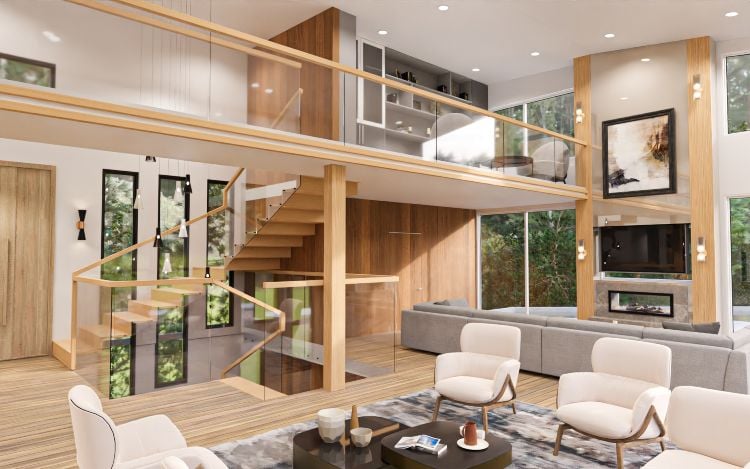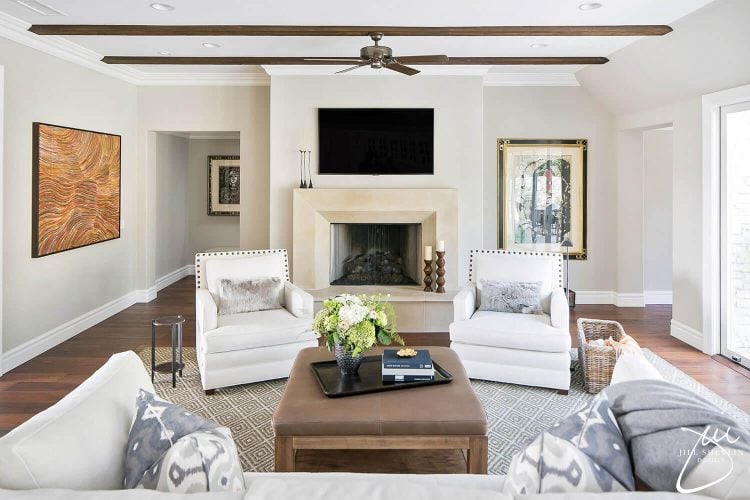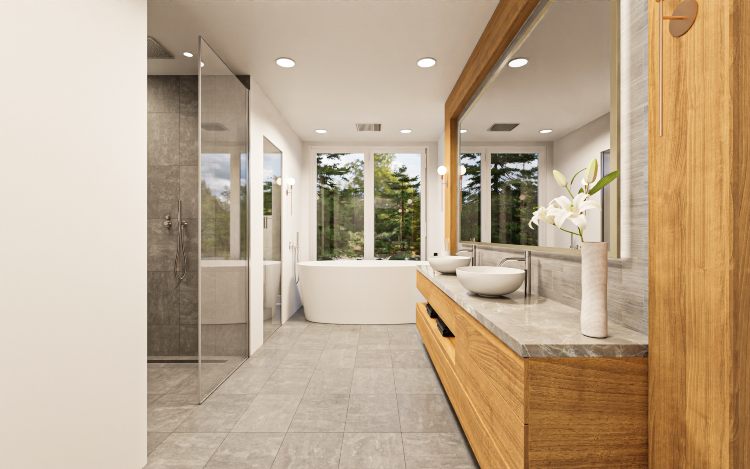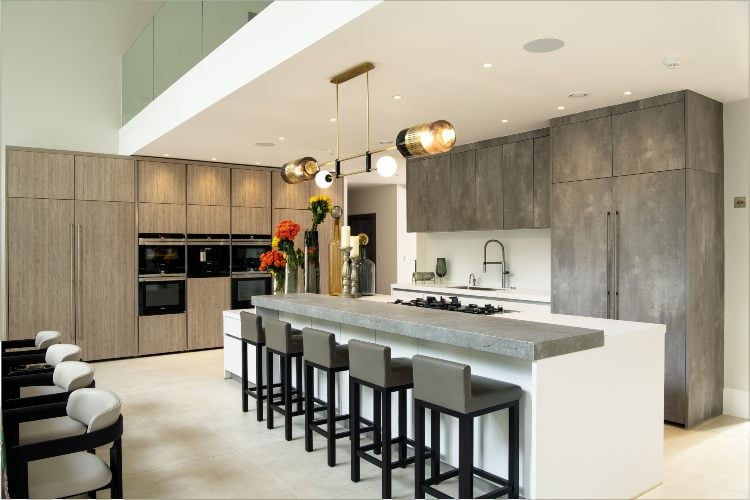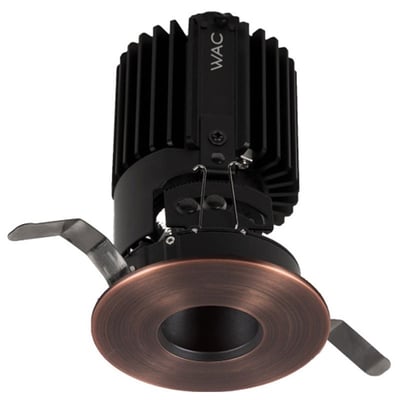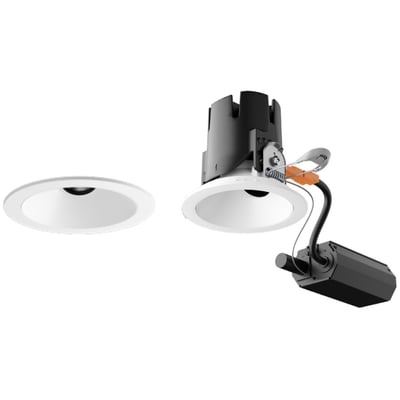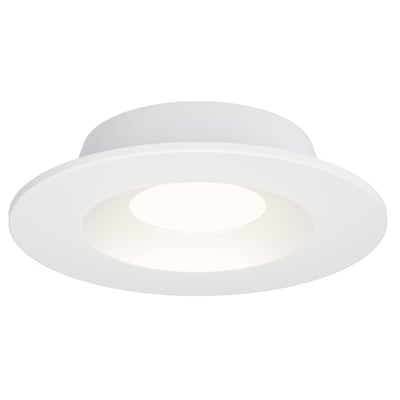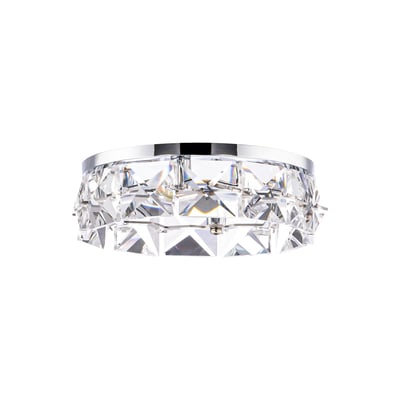

The size of your recessed lighting can completely change the look and feel of a room. The difference between 4 inch vs 6 inch recessed lighting influences factors like light distribution, brightness, spacing, ceiling aesthetics, and energy use more than many people realize. There was a time when smaller 4-inch lights struggled to compete with traditional 6-inch fixtures, but modern LED technology has changed the game by allowing compact fixtures to deliver impressive brightness without sacrificing efficiency. Choosing the right recessed lighting size is key to avoiding over-lighting, preventing under-lighting, and achieving even, visually balanced illumination. In this recessed lighting size guide, we’ll break down everything you need to know about these popular fixture sizes to help you choose the perfect solutions for every room in your home.
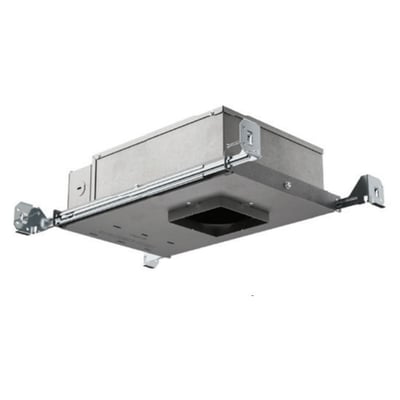
When it comes to recessed lighting, the size of the fixture usually refers to the diameter of the trim - the visible opening in the ceiling - rather than the housing that’s hidden above. Common sizes include 4-inch and 6-inch options, which each have distinct effects on both aesthetics and light distribution. The smaller 4-inch fixtures create a subtle, modern look, while 6-inch lights offer broader coverage and a more traditional feel. The visible aperture directly influences how light spreads across a room: a larger diameter produces a wider, softer pool of illumination, while a smaller one delivers more focused, directional light. Understanding these dimensions is key to planning ceiling layouts that balance style, function, and visual appeal.
4 inch recessed lighting has gained popularity for its sleek, minimalist appearance. These compact fixtures blend seamlessly into ceilings, making them ideal for modern designs and spaces where you want a clean, unobtrusive look. 4-inch lights excel at accent and task lighting, highlighting countertops, artwork, or specific zones without overwhelming the room. They are frequently used in kitchens, hallways, and bathrooms, where concentrated light is often more functional than broad coverage. Thanks to advances like including higher lumen efficiency and improved optics, today’s 4-inch LED fixtures can achieve brightness levels that rival traditional 6-inch fixtures. If you want a clean, modern look and energy-efficient illumination that doesn’t sacrifice performance, 4-inch lights might be the right choice for you.
6-inch recessed lighting is a classic choice for general illumination in larger rooms. Its wider aperture produces a broader light spread, making it well-suited for living rooms, family rooms, and open-concept spaces where even coverage is essential. The larger diameter helps fill taller ceilings or expansive areas without leaving dark spots, creating a balanced, well-lit environment. Many homeowners still prefer 6-inch fixtures for their traditional look and versatile performance, especially in spaces where a subtle, unobtrusive ceiling presence is less important than consistent, room-filling light. While newer 4-inch LEDs can compete in brightness, 6-inch lights retain a reliable presence for larger-scale applications.
Brightness in modern LED recessed lights - also referred to as “can lights” - is measured in lumens, not watts, which is an important distinction. Lumens indicate the actual amount of light a fixture produces, whereas wattage only tells you how much energy it consumes. Thanks to LED technology, smaller 4-inch recessed lights can now achieve lumen outputs that compare to - or even exceed - older 6-inch fixtures while using less energy. While 6-inch lights naturally distribute illumination over a broader area, 4-inch LEDs can compensate with concentrated lumen density and adjustable beam angles, making them ideal for both task and accent lighting. When you understand recessed light brightness factors like lumens and beam spread, you can choose fixtures that provide evenly balanced light without over- or under-lighting the space.
Proper recessed lighting spacing ensures even illumination without creating hot spots or dark patches. A general rule of thumb is to place fixtures roughly half the ceiling height apart. For example, 8-foot ceilings call for lights about 4 feet apart. Because 4-inch recessed lights have a narrower beam, they are typically spaced closer together to achieve uniform brightness, whereas 6-inch fixtures can cover more area and often require fewer units. Ceiling height also plays a role: taller rooms may benefit from slightly wider spacing with larger fixtures to prevent overly concentrated pools of light. When you keep spacing in mind, you can balance function and aesthetics while keeping each area well-lit for its intended purpose.
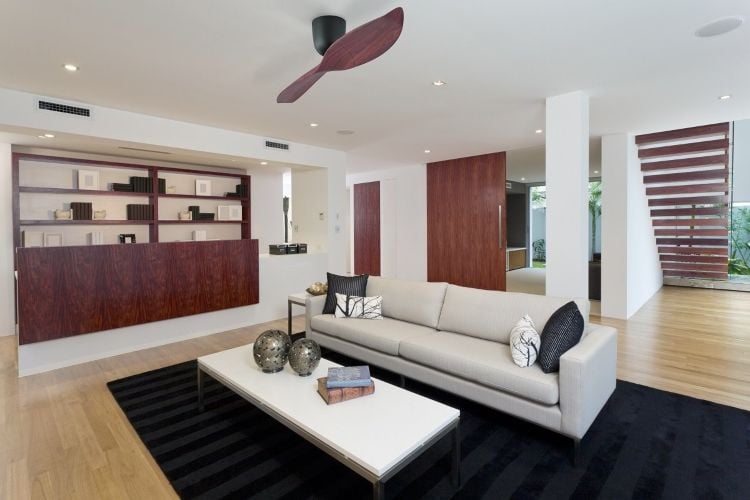
Ceiling height is a critical factor when you’re deciding between 4-inch and 6-inch recessed lights. Lower ceilings (around 8 to 9 feet) often pair well with smaller fixtures and closer spacing for a clean, minimal look. Taller ceilings, on the other hand, may require larger fixtures or wider spacing to adequately illuminate the space and maintain visual balance. While technical specifications like beam angle and lumen output are important to keep in mind, the choice should be just as focused on how the room feels. By considering ceiling height alongside function and design, you can be sure your recessed lighting will complement both the space and your aesthetic goals.
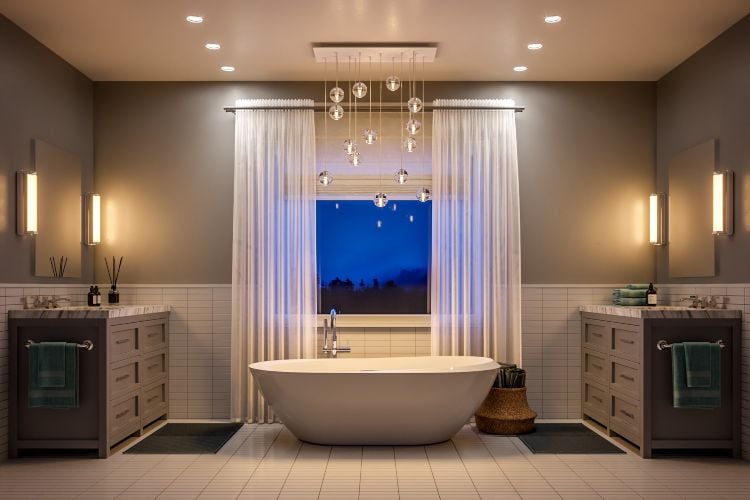
Modern recessed LEDs have revolutionized how homeowners approach both 4-inch and 6-inch fixtures. Recessed LED lights provide far greater energy efficiency than traditional incandescent or halogen recessed lighting, consuming a fraction of the power while delivering comparable - or even higher - brightness. They also last significantly longer, so they have lower maintenance needs and don’t require frequent bulb replacements. Because LED technology allows smaller 4-inch fixtures to emit impressive lumens, your choice of fixture size is now influenced more by design and beam coverage than by raw output. In practical terms, switching to LEDs can reduce electricity usage by 50 to 80% compared with older recessed lighting, translating to noticeable savings on monthly energy bills without sacrificing illumination quality.
The right recessed lighting size often depends on the room’s function, ceiling height, and desired aesthetic:
In many homes, a mix of fixture sizes can be the most effective approach: think smaller 4-inch fixtures for focused tasks or accent areas, and larger 6-inch fixtures for broader, ambient coverage. By matching fixture size to room function, you can create the perfect balance of practicality and aesthetic flow throughout your home.
Even experienced homeowners and installers can fall into some predictable pitfalls when choosing recessed lighting. Avoiding these mistakes ensures that your lighting is both functional and visually balanced:
Paying attention to these common errors and familiarizing yourself with LED capabilities will help you achieve even illumination and a ceiling that looks polished rather than cluttered. Thoughtful planning keeps both function and aesthetics in balance.
Choosing between 4-inch and 6-inch recessed lights comes down to function, style, and room proportions:
By understanding the strengths of each size, you can create a recessed lighting plan that’s both functional and stylish. You’ll also enjoy full control over brightness, coverage, and ceiling aesthetics throughout your home.
Well-planned recessed lighting can elevate any room with a fine-tuned balance of beauty, brightness, and architectural appeal. Whether you’re deciding between 4-inch or 6-inch fixtures or you’re planning to strategically mix sizes for layered, versatile lighting, Lightopia’s recessed lighting collections offer a wide range of high-quality options to fit every style and space. Our lighting design experts are ready to guide you through every decision from fixture size and beam angle to placement and energy efficiency. After your free design consultation, you’ll walk away with a lighting plan that prioritizes beauty and practicality. Explore our wide selection today and see how the right recessed lights can elevate your home’s ceilings, ambiance, and overall aesthetic.
THANK YOU!
Your discount code is on its way.
If you don't receive your promo code, please check your email junk or spam folder and click on "Not spam".
Free Shipping
Free standard shipping on all orders within the contiguous USA.
Orders to Canada, Alaska, Hawaii and Puerto Rico will incur additional shipping and handling fees, which will be calculated and presented at checkout. Canadian customers will be charged for all applicable customs duties, taxes, and brokerage fees.
For large, oversize items that require a surcharge above our shipping and freight partners’ standard shipping rates, an Oversize Processing Fee will be calculated in cart.