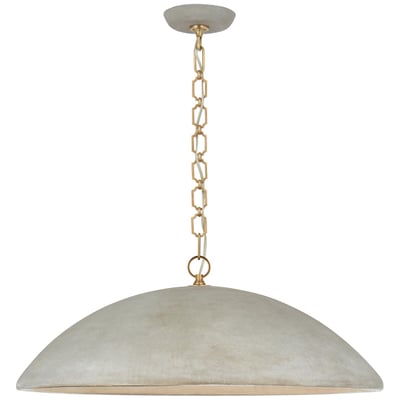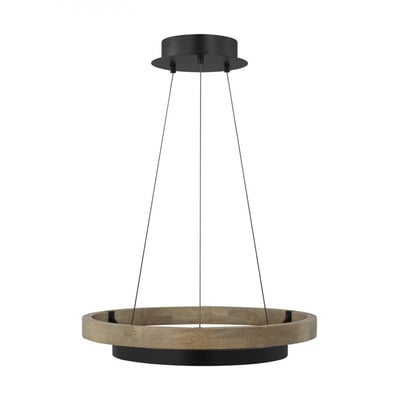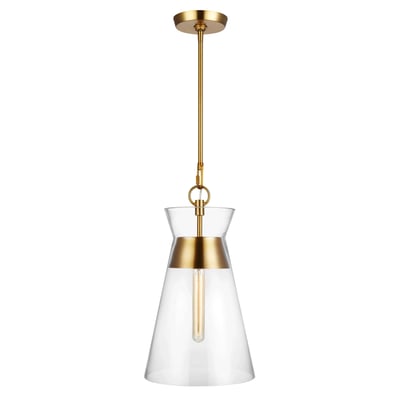

Stairways are one of the few places in a home where lighting directly affects safety. Unlike living rooms or bedrooms, poor lighting in a stairwell can make it harder to see step edges, increasing the risk of trips or falls. Proper illumination helps people move confidently between floors, especially at night or in homes where stairways receive limited natural light.
Thoughtful stairway ceiling lighting keeps every step visible while also contributing to the overall design of the space. With the right fixtures and placement, stair lighting can improve safety while complementing architectural features like railings, landings, and tall stairwells. In this guide, we’ll cover stairway ceiling lighting ideas, fixture types, placement strategies, and safety considerations so you can create a well-lit staircase that feels both secure and visually cohesive.

Lighting a staircase is completely different from lighting most other parts of the home because visibility must remain consistent from top to bottom. Uneven illumination can create shadows that make steps appear deeper or shallower than they actually are, which can be disorienting when walking up or down. One of the most important goals of stairway ceiling lighting is even illumination. Each step should be clearly visible without bright hotspots followed by darker sections. When lighting varies too much between fixtures, the eye has to constantly adjust, which can make the staircase feel less stable to navigate.
Another important consideration is avoiding shadow gaps. Shadows can appear when fixtures are spaced too far apart or positioned in a way that blocks light from reaching certain steps. Railings, balusters, and architectural trim can also cast shadows if the lighting angle is too narrow. The beams of ceiling lights should overlap slightly because this helps maintain continuous visibility along the entire stair run.
Brightness also matters. Stairways need adequate lumen output so each step edge can be seen clearly, especially in homes with darker finishes and features, like wood treads or painted staircases. While the exact brightness will depend on fixture type and ceiling height, the goal is simple: every single step should be easy to distinguish at a glance.
Building codes also reinforce these safety priorities. In many areas, residential staircases are required to have a light source that illuminates the full run of the stairs, along with a wall switch located at both the top and bottom of the stairway. While local requirements can vary, these rules exist to ensure that the stairway remains visible and accessible at all times. If you’re planning a renovation or lighting upgrade, you should always verify local electrical and building codes as a first step before you ever begin installing new fixtures.
Once the basic lighting requirements are clear, the next step is choosing ceiling fixtures that can deliver that illumination safely and effectively. Staircases often have unique architectural conditions, such as tall ceilings, narrow landings, or tight clearances near the steps. The best lighting solutions will perfectly balance safety, scale, and style so the fixture enhances the space rather than overpowering it.
Fixture size should always match the proportions of the stairway. Oversized lighting can feel intrusive in narrow staircases, while fixtures that are too small may not produce enough illumination to safely light each step. Ceiling height also plays a role. Homes with standard ceiling heights may benefit from low-profile fixtures, while stairwells with taller ceilings can accommodate more dramatic lighting. Don’t forget that your personal style still matters, too. A staircase often serves as a visual transition between floors, so the lighting should complement the rest of your interior design while remaining practical for daily use. The fixture types below are among the most reliable choices for stairway ceiling lighting.

Because flush mount ceiling lights sit directly against the ceiling, they’re a practical option for staircases with standard ceiling heights. They take up very little vertical space, which allows them to provide strong overhead illumination without interfering with headroom or sightlines along the stairway. These fixtures work especially well in enclosed staircases where space is limited. Their broad light distribution helps illuminate multiple steps at once, which supports the goal of maintaining even visibility throughout the stair run.
Fixture size should still be considered carefully. A flush mount that’s too small may produce concentrated light directly below the fixture while leaving surrounding steps slightly dim. On the other hand, oversized fixtures can visually overwhelm narrow staircases and provide a flood of light that doesn’t feel inviting. In most cases, choosing a medium-sized fixture that spreads light evenly across the ceiling works best. From a style perspective, stairwell flush mount lighting is available in many timeless forms. Simple glass domes, drum-shaped designs, and understated metal accents tend to age well and blend easily with different interior styles, from modern to traditional and far beyond. These fixtures offer dependable performance without drawing excessive attention away from the staircase itself.

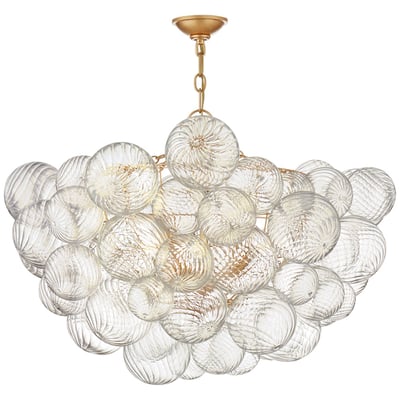
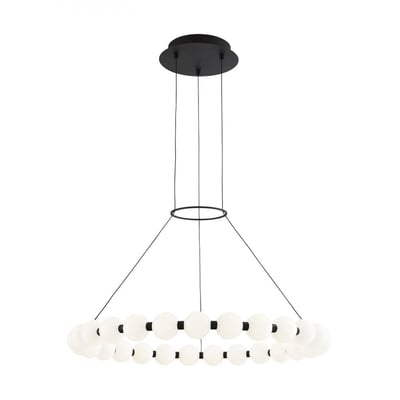
In homes with open staircases or multi-story stairwells, a chandelier can serve as both a functional light source and a dramatic design feature. Since these spaces often have higher ceilings, chandeliers can help distribute light across a larger vertical area while adding visual interest. Placement is especially important with chandeliers. The fixture should hang high enough to maintain comfortable clearance above the steps while still illuminating the stair run below, but they should hang low enough to allow the viewer to fully appreciate their design. In many stairwells, chandeliers are positioned above a landing or centered within the vertical space between floors.
Scale also plays a key role. A chandelier that’s sized too small may appear lost in a tall stairwell, while one that’s too large can visually dominate the space. Choosing a fixture with a balanced diameter and appropriate hanging length helps maintain harmony between the lighting and the surrounding architecture. When selected carefully, stairwell chandeliers can highlight the height of the ceiling while contributing meaningful illumination for safety and visibility.
Recessed lighting is one of the most effective ways to achieve consistent illumination along a staircase. Because these fixtures are installed directly into the ceiling, they create a clean, unobtrusive appearance while delivering focused light right where it’s needed. Multiple recessed lights can be spaced along the ceiling above the stairway to create slightly overlapping beams of light. This arrangement helps eliminate shadow gaps and ensures that each step receives adequate illumination from at least one fixture.
Spacing should be planned so the lights follow the direction of the staircase rather than forming a single cluster near the top or bottom. In longer staircases, evenly distributed recessed fixtures help maintain consistent brightness from the first step to the last. Recessed lighting is especially popular in contemporary homes where clean architectural lines and simplicity are preferred. Because the fixtures remain nearly invisible during the day, the staircase retains an understated, uncluttered look while still benefiting from reliable nighttime visibility.
Modern lighting technology offers several features that can make stairways safer and more convenient to use. Motion sensors, automated lighting controls, and smart home integration allow stairway lights to respond automatically when someone approaches the staircase.
Motion sensor lighting is particularly useful for nighttime safety. Instead of searching for a wall switch in the dark, lights can activate automatically when movement is detected near the stairs. This immediate illumination helps people clearly see the steps before they begin climbing or descending. Motion sensors can often be adjusted for sensitivity and shutoff timing, allowing homeowners to tailor the lighting to their daily routines. ADA-compliant ceiling fixtures go a step further by supporting safer navigation for individuals with limited mobility or reduced vision.
Energy efficiency is another advantage of modern light fixtures. Stairway lights that remain on continuously can add unnecessary electricity use, especially in homes with frequently used staircases. Motion-controlled fixtures or smart timers allow lights to turn off automatically when the area is no longer in use. ENERGY STAR-certified ceiling fixtures and other energy-efficient options maintain safety, reduce energy consumption over time, and ultimately save you money on your energy bills.
Smart lighting systems add another layer of flexibility. Many modern fixtures can connect to home automation platforms, which allow your stairway lights to be scheduled, dimmed, or controlled through mobile apps and voice assistants. Some homeowners program their stair lighting to gradually brighten in the evening or activate automatically during late-night hours.
When these features are combined with thoughtful fixture placement, modern staircase lighting becomes both safer and easier to manage. If you’re planning a staircase lighting upgrade, exploring the full range of stairway ceiling lighting options at Lightopia can help you find fixtures that strike the ideal balance between safety, performance, and style.
Stairway lighting should be bright enough to make each step edge clearly visible from both the top and bottom of the staircase. The goal is consistent visibility rather than extremely bright light. Even illumination helps prevent shadows that could make steps appear uneven or difficult to judge. Choosing fixtures with adequate lumen output and proper spacing usually provides the safest results.
Motion sensor lighting can be a very practical addition to stairways. These systems automatically turn on when someone approaches the stairs, which helps illuminate the steps immediately without needing to locate a switch. Many homeowners find them especially helpful for nighttime use or for households with children or older family members. Because the lights turn off automatically after a short period, motion sensors can also help reduce energy use.

THANK YOU!
Your discount code is on its way.
If you don't receive your promo code, please check your email junk or spam folder and click on "Not spam".
Free Shipping
Free standard shipping on all orders within the contiguous USA.
Orders to Canada, Alaska, Hawaii and Puerto Rico will incur additional shipping and handling fees, which will be calculated and presented at checkout. Canadian customers will be charged for all applicable customs duties, taxes, and brokerage fees.
For large, oversize items that require a surcharge above our shipping and freight partners’ standard shipping rates, an Oversize Processing Fee will be calculated in cart.