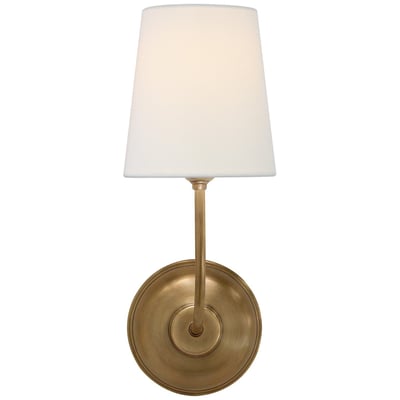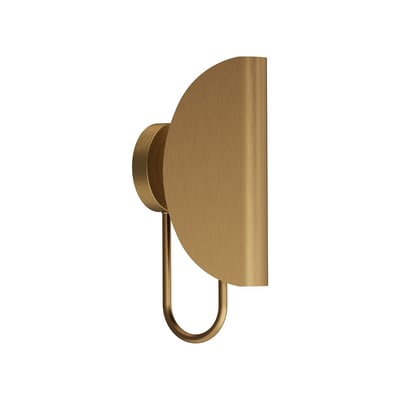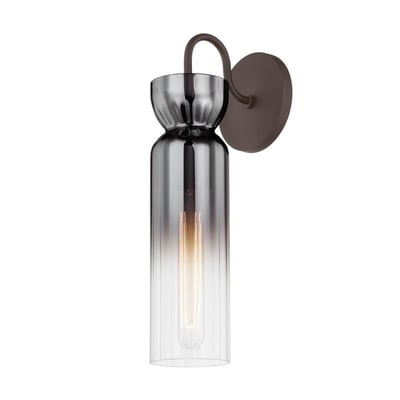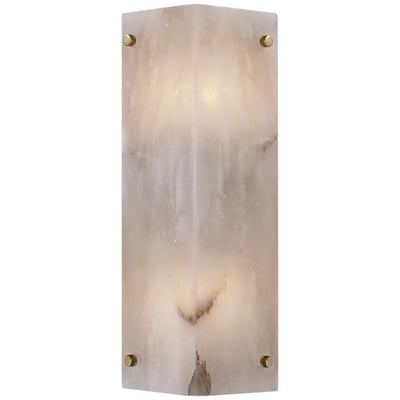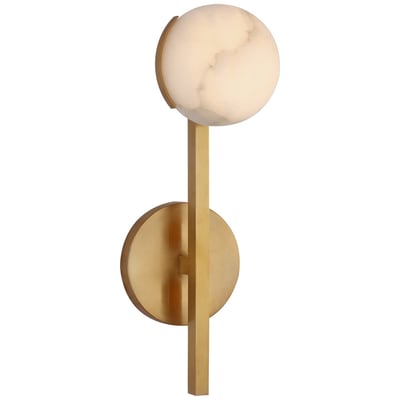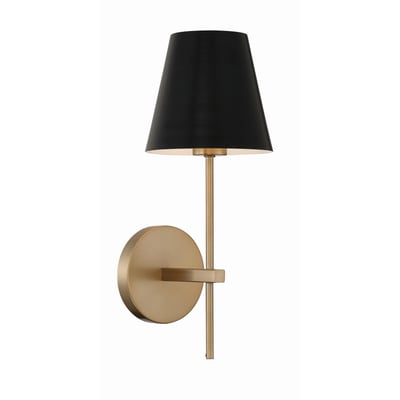

Staircases are one of the most visually striking architectural features in a home, but the walls along them are often left underlit. This oversight is a missed opportunity for accent lighting and personal design touches that can also create a safety concern. Without dedicated lighting, shadows can gather along steps and railings, making the space feel darker and less inviting than it should be. Thoughtful wall lighting solves these problems by improving visibility while also highlighting the vertical lines and architectural character of the staircase.
Wall-mounted lighting can transform a staircase from a simple transition space into a design feature. Sconces provide balanced illumination along the wall, step lights add subtle safety lighting close to the treads, and accent lighting can highlight textures or architectural details. With the right approach, staircase wall lighting can improve safety, guide movement, and add visual depth at the same time.
The ideas below explore practical placement formulas, step lighting options, and accent techniques that will help you bring both function and style to staircase walls.
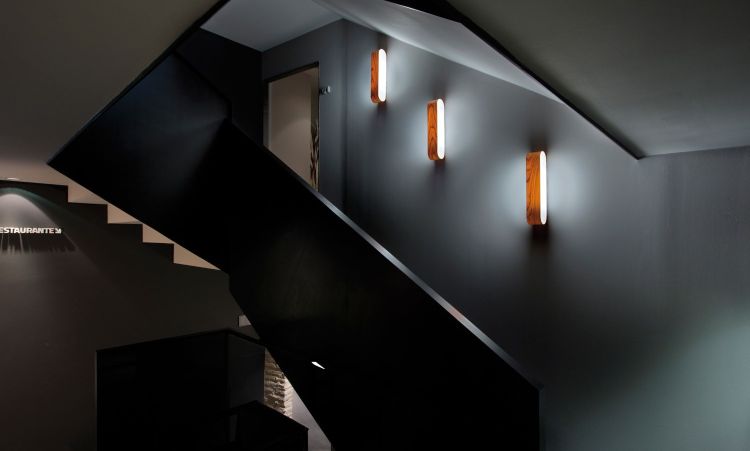
Wall sconces are one of the most effective ways to illuminate a staircase because they distribute light across the wall and steps without taking up floor space. Proper placement is important for achieving balanced lighting and avoiding uneven brightness along the stair run. A commonly recommended guideline is to install staircase sconces 60 to 66 inches above the stair tread, measuring vertically from the step directly below the fixture. This height positions the light near eye level when someone is walking up or down the stairs, which helps the fixture illuminate both the wall surface and the steps below.
Fixture spacing is just as important as height. Most staircases look best when sconces are installed every 6 to 8 feet along the wall. This distance keeps light evenly distributed without creating overly bright clusters or dark gaps between fixtures. To visualize the formula, imagine a staircase wall that measures about 16 feet along the stair run. Installing a sconce roughly every 6 to 8 feet would typically mean placing two to three fixtures along the wall. Each one would sit around 60 to 66 inches above the stair tread, creating a consistent rhythm of light as the staircase rises.
For longer staircases or multi-story stairwells, the same spacing rule still applies - just adjust for your specific needs. Continuing the pattern of evenly spaced sconces keeps the lighting balanced and prevents areas of shadow as the stairs extend upward. The beauty of this formula is its simplicity and approachability. By following a consistent height and spacing guideline, you can create staircase lighting that feels intentional and well-balanced without complicated measurements or design guesswork.
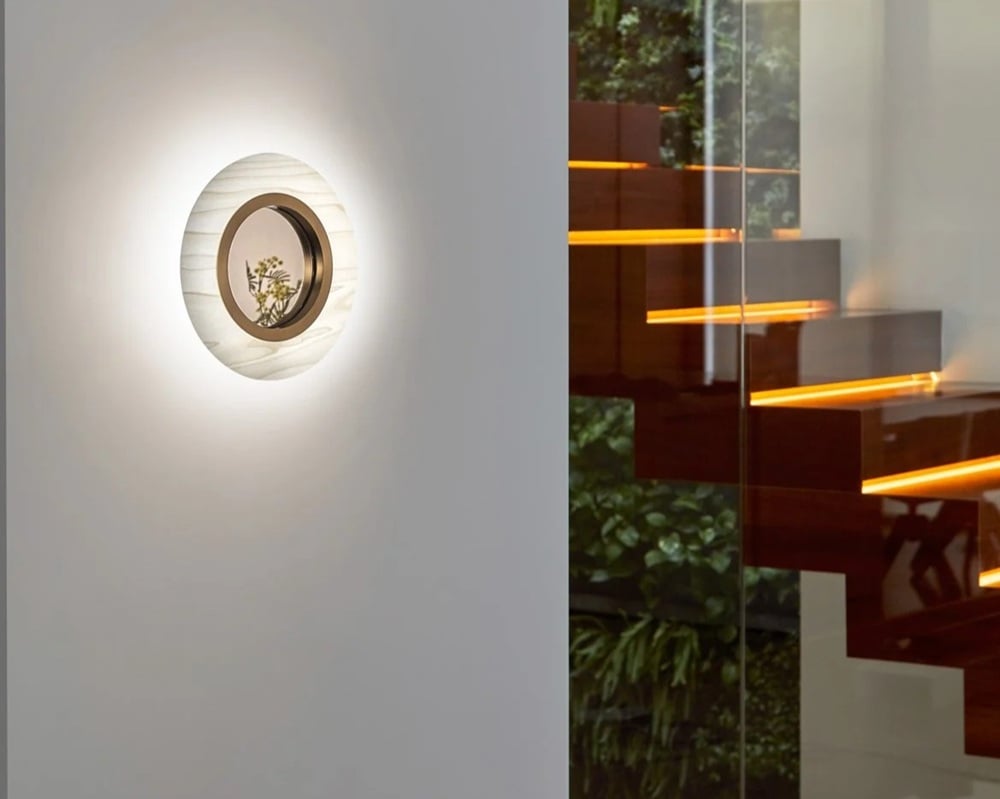
Step lighting brings another layer of illumination to staircases by focusing light directly where it matters most: the stair treads themselves. These fixtures are usually installed low along the wall or integrated directly into the staircase structure, providing subtle lighting that helps guide movement after dark.
Several different step lighting approaches are commonly used in modern staircase design.
When you’re choosing step lighting, scale and placement matter. Fixtures that are too large can dominate the wall, while very small lights may not provide enough illumination to be effective. Many designers prefer compact rectangular or square step lights because they’re unobtrusive, but they still deliver focused light onto the steps. You should also consider spacing. Step lights are often installed every few steps rather than on each tread, allowing the illumination to guide movement without overwhelming the staircase with an excessive amount of light. The goal is to create soft, continuous visibility that improves safety while maintaining a calm visual appearance.
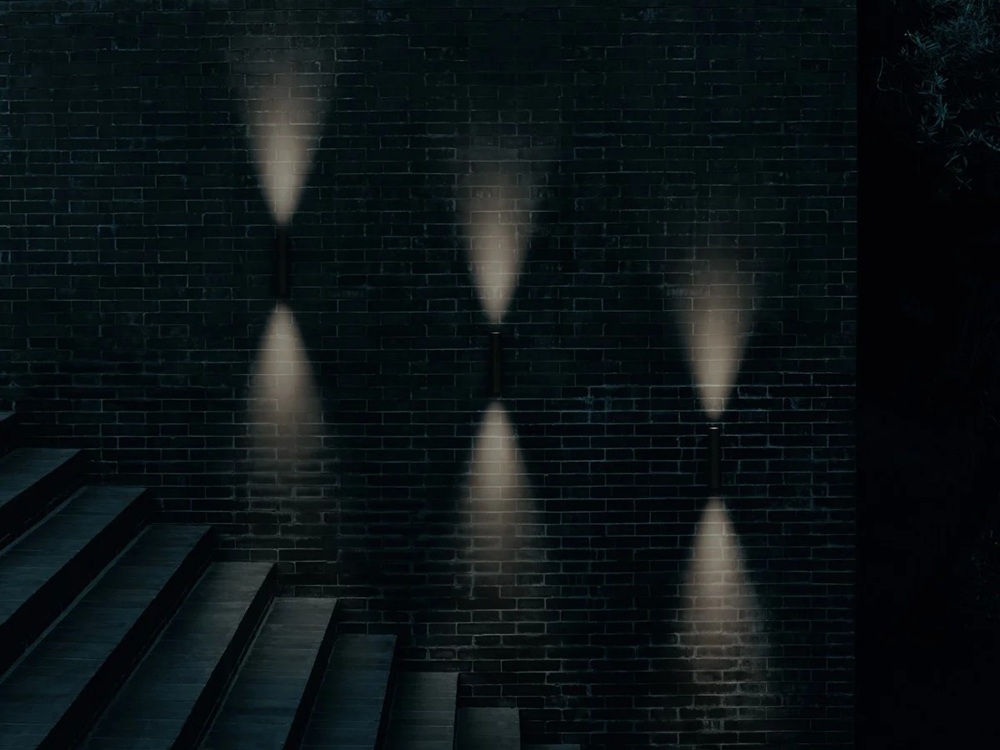
While sconces and step lights focus on safety and visibility, accent lighting adds another dimension by highlighting the architectural features of the staircase itself. When used thoughtfully, accent lighting can emphasize textures, railings, wall surfaces, or even favorite art pieces that might otherwise fade into the background.
One effective technique is wall washing, where light fixtures are positioned to spread illumination evenly across the surface of the wall. This approach works especially well on staircases with textured materials such as stone, wood paneling, or decorative plaster. By casting light across the entire surface, wall washers reveal subtle variations in texture and create a sense of depth along the stairwell.
Another option is linear LED strip lighting, which can be installed along railings, beneath handrails, or within architectural recesses along the wall. Linear strips provide a continuous line of illumination that guides the eye upward as the staircase rises. Because these lights are typically hidden from direct view, the result feels clean and modern while still adding visual interest.
Accent lighting can also help define the overall atmosphere of the staircase. Soft illumination along the wall or railing creates a warm glow that complements other lighting sources in the space, while brighter accent lighting can highlight dramatic architectural elements. Picture lights bring soft illumination to wall art and other decorative elements. Combining multiple lighting layers often produces the best results. Sconces provide general wall illumination, step lights guide movement along the stairs, and accent lighting can highlight architectural features that give the staircase its character. When these elements work together, the staircase transforms into a well-lit architectural feature that enhances both safety and design.
If you’re planning a lighting update, exploring the selection of stairway wall lighting at Lightopia can help you compare sconces, step lights, and accent fixtures designed specifically for stair environments.
In most staircases, wall sconces are spaced about 6 to 8 feet apart to create even illumination along the stair run. This distance prevents dark gaps while also avoiding overly bright clusters of light. Well-placed sconces are typically mounted around 60 to 66 inches above the stair tread, which brings the light close to eye level for people moving up or down the stairs. Following this simple spacing pattern helps create a balanced rhythm of lighting along the wall.
Step lights may not be required, but they’re highly recommended because they can drastically improve staircase safety. These fixtures provide subtle illumination close to the treads, making it easier to see each step when the surrounding lights are dim. They’re especially helpful for nighttime navigation or households with children and older adults. Even a few strategically placed step lights can make a staircase feel significantly safer and more comfortable to use.
THANK YOU!
Your discount code is on its way.
If you don't receive your promo code, please check your email junk or spam folder and click on "Not spam".
Free Shipping
Free standard shipping on all orders within the contiguous USA.
Orders to Canada, Alaska, Hawaii and Puerto Rico will incur additional shipping and handling fees, which will be calculated and presented at checkout. Canadian customers will be charged for all applicable customs duties, taxes, and brokerage fees.
For large, oversize items that require a surcharge above our shipping and freight partners’ standard shipping rates, an Oversize Processing Fee will be calculated in cart.