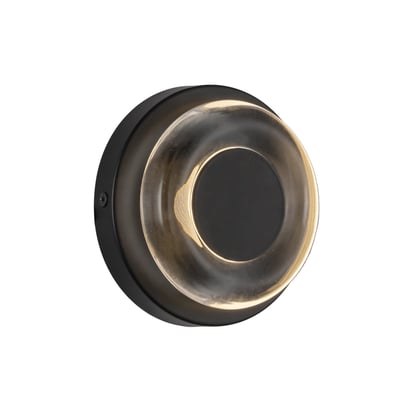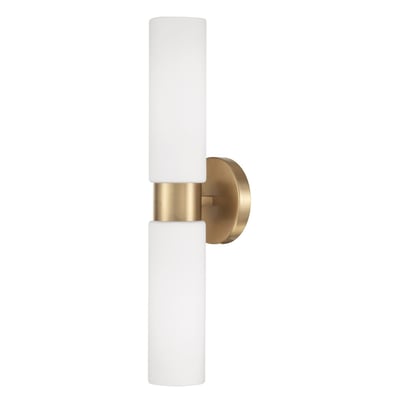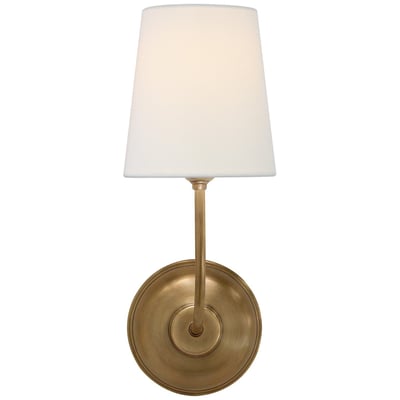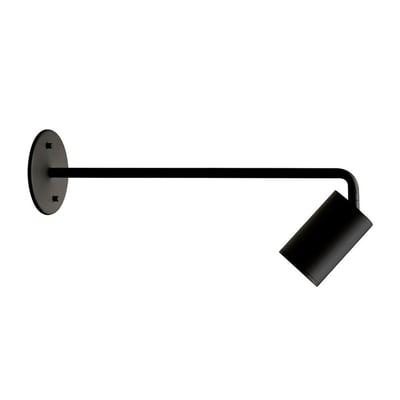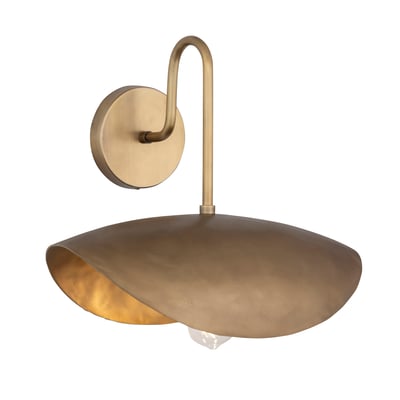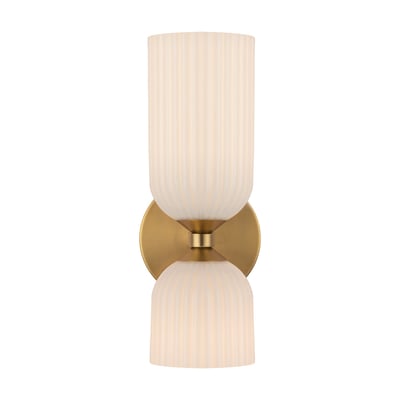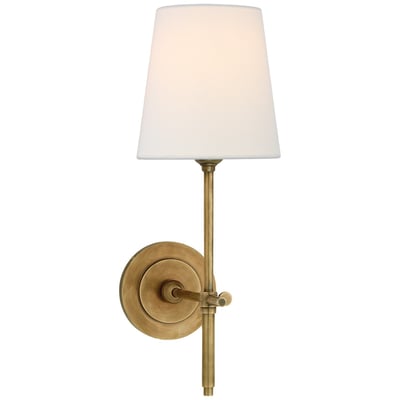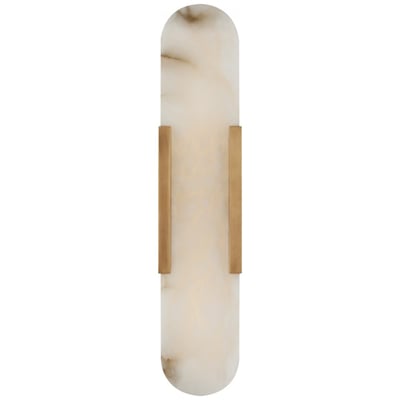

Wall sconces are versatile lighting fixtures that serve both functional and decorative purposes in any home. They can add depth to your walls, create ambiance, and provide task lighting where needed. However, achieving the optimal effect requires careful consideration of their placement. Improper installation not only diminishes their visual appeal but can also compromise their functionality. That is precisely why we've created this comprehensive guide to help you determine the ideal height and placement for wall sconces in every room of your home.
First, it is important to understand the general principles of sconce placement. The average height for wall sconces is typically between 60 to 66 inches from the floor to the center of the fixture. This measurement places the fixture at approximately eye level for most adults, which helps create balanced illumination while preventing uncomfortable glare.
However, this standard guideline should be adjusted based on several factors, including your ceiling height, the size of the fixture itself, and the primary function of the room. Taller ceilings may call for higher placement, while rooms with lower ceilings might require adjustments to maintain visual proportion. The key is to ensure that the light source itself is not directly visible when standing or seated in the room, as this can create uncomfortable glare and eye strain.
Once you've established the proper height for your wall sconces, it is time to consider their spacing. In general, wall sconces should be placed approximately 6 to 8 feet apart in hallways and larger rooms. This spacing ensures even light distribution throughout the space without creating overly bright or dark areas.
When placing sconces near architectural features like door frames, windows, or artwork, maintain at least 6 inches of clearance to prevent visual crowding. Remember that the spacing may need adjustment based on the size of your room, the brightness of your chosen fixtures, and the specific lighting effect you wish to achieve.
While the general principles detailed above are ideal for many scenarios, there are also specific guidelines for using wall sconces in different rooms of your home.
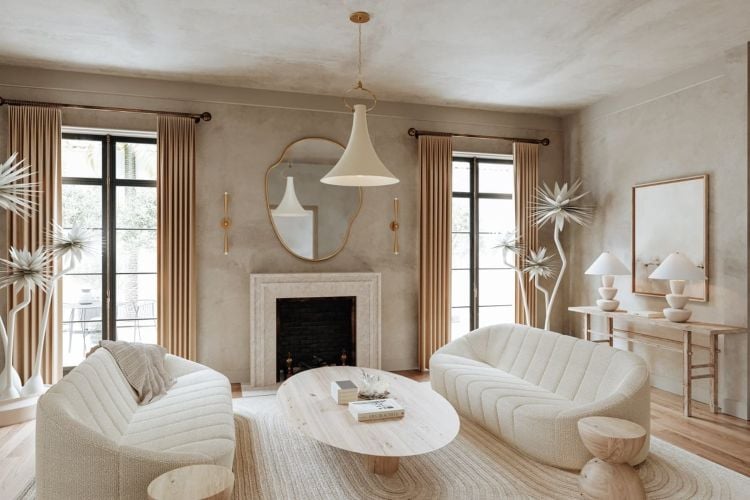
Height: Mount sconces between 60 to 72 inches from the floor.
Spacing: Place sconces 6 to 8 feet apart to ensure even lighting throughout these high-traffic areas.
Tips:

Height: Mount 24 to 30 inches above the mattress, or at eye level when seated in bed.
Placement: Position sconces approximately 12 inches from the edge of the headboard to create balanced lighting on both sides.
Tips:
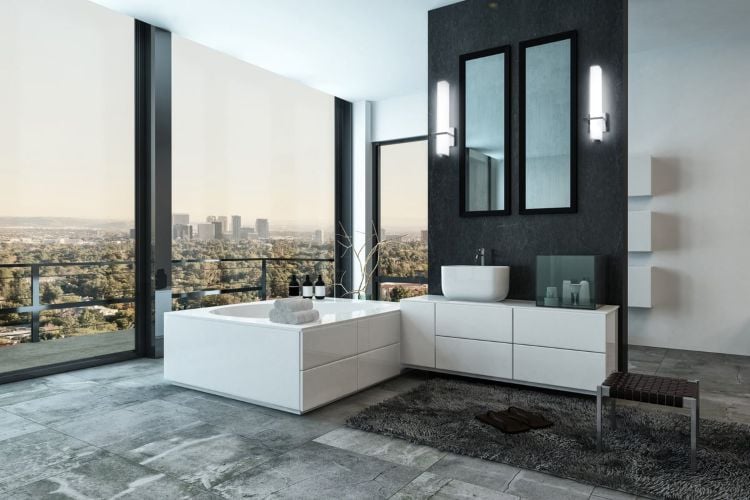
Beside the Mirror Height: Mount bathroom sconces at eye level, approximately 60 to 65 inches from the floor.
Spacing: Place sconces 28 to 36 inches apart, flanking the mirror to provide even facial illumination.
Above the Mirror Height: Mount sconces between 75 to 80 inches from the floor, depending on mirror height.
Tips:

Height: Mount sconces above countertops or sinks approximately 24 inches above the countertop or 6 inches above window frames.
Tips:

Entryway Height: Mount sconces between 66 to 72 inches from the floor to create a welcoming ambiance.
Staircase Height: Mount at least 80 inches above the stair tread to prevent head bumps while providing adequate illumination.
Tips:
When installing wall sconces, there are several common pitfalls that many homeowners encounter:
Mounting sconces too high results in insufficient illumination and can create an unbalanced look. Conversely, sconces mounted too low may cause glare and discomfort for room occupants. Either error not only compromises the fixture's functionality but also disrupts the room's visual harmony.
Placing sconces too close together can create overly bright areas and harsh shadows, while spacing them too far apart may leave dark spots between fixtures. Uneven spacing is particularly noticeable in hallways and along staircases, where consistency is key to achieving a polished look.
Each room has specific lighting needs based on its primary activities. Neglecting to consider how the room is used can result in inappropriate light levels or poorly positioned fixtures that fail to support the space's function.
The direction in which your sconce casts light dramatically affects both the room's ambiance and the fixture's practicality. Failing to consider whether you need ambient, task, or accent lighting can result in fixtures that look beautiful but don't serve your lighting needs effectively.
Wall sconces are wonderful lighting elements that can transform any room in your home, providing both practical illumination and decorative appeal. While aesthetic considerations are important when selecting sconces, proper placement is equally crucial to ensure they enhance your space both visually and functionally.
By applying the guidelines and room-specific recommendations detailed above, you can create a beautifully lit home where wall sconces contribute meaningfully to your overall lighting scheme. Remember that these are general guidelines that may need adjustment based on your specific space and lighting needs. When in doubt, consulting with a lighting professional can help you achieve the perfect balance of form and function in your wall sconce placement.

THANK YOU!
Your discount code is on its way.
If you don't receive your promo code, please check your email junk or spam folder and click on "Not spam".
Free Shipping
Free standard shipping on all orders within the contiguous USA.
Orders to Canada, Alaska, Hawaii and Puerto Rico will incur additional shipping and handling fees, which will be calculated and presented at checkout. Canadian customers will be charged for all applicable customs duties, taxes, and brokerage fees.
For large, oversize items that require a surcharge above our shipping and freight partners’ standard shipping rates, an Oversize Processing Fee will be calculated in cart.