

Wall sconces have a way of quietly transforming a space. They don’t demand attention in the same way a chandelier might, but once they’re in place, the entire room feels more layered, intentional, and complete. The right sconce adds light and shapes how a space is experienced, from the softness of a hallway glow to the focused illumination beside a mirror or bed.
At the same time, knowing exactly where to place them, how high to mount them, and which style to choose isn’t always as straightforward as it seems. That’s where a little guidance makes all the difference. If you’ve ever second-guessed wall sconce placement or wondered how to make them work across different rooms, you’re in the right place. Below, we’ll walk through how sconces function, where they work best, and how to use them to create a lighting plan that feels both practical and beautifully considered.

Wall sconces are wall-mounted light fixtures designed to provide illumination without taking up floor or surface space. Unlike ceiling lights, which cast light from above, sconces sit at eye level or slightly higher, allowing them to shape light in a more intentional and directional way. Depending on the design, they can cast light upward, downward, or both to create different effects throughout a room.
Sconces are often used as part of a layered lighting scheme where multiple light sources work together to create balance. As ambient lighting, sconces provide a soft, overall glow that makes a space feel more inviting. As accent lighting, they highlight architectural details, artwork, or textures on the wall. As decorative lighting, they act as a design feature in their own right by adding structure, symmetry, and visual interest, even when the lights are off.
Wall sconces can be placed throughout the home, but some spaces truly benefit from the focused, layered illumination they provide.
Hallways are one of the most natural places for sconces because they help create a sense of rhythm and continuity along the wall. Evenly spaced hallway wall sconces can guide movement through the space while providing soft ambient light that feels more inviting than a single overhead fixture. For the best results, place sconces at a consistent height and spacing so the light feels balanced from one end of the hallway to the other. This approach works especially well in longer corridors where overhead lighting alone can feel flat or uneven.
In living rooms, wall sconces add depth by introducing light at a different level than ceiling fixtures. Whether living room wall sconces are placed beside seating areas, flanking a fireplace, or used to highlight artwork, they make the space feel more layered and complete. Because they reduce reliance on overhead fixtures and create a more relaxed atmosphere, they’re particularly useful in rooms where you want softer evening lighting. When paired with floor lamps or pendants, they help build a lighting plan that feels intentional rather than one-dimensional.
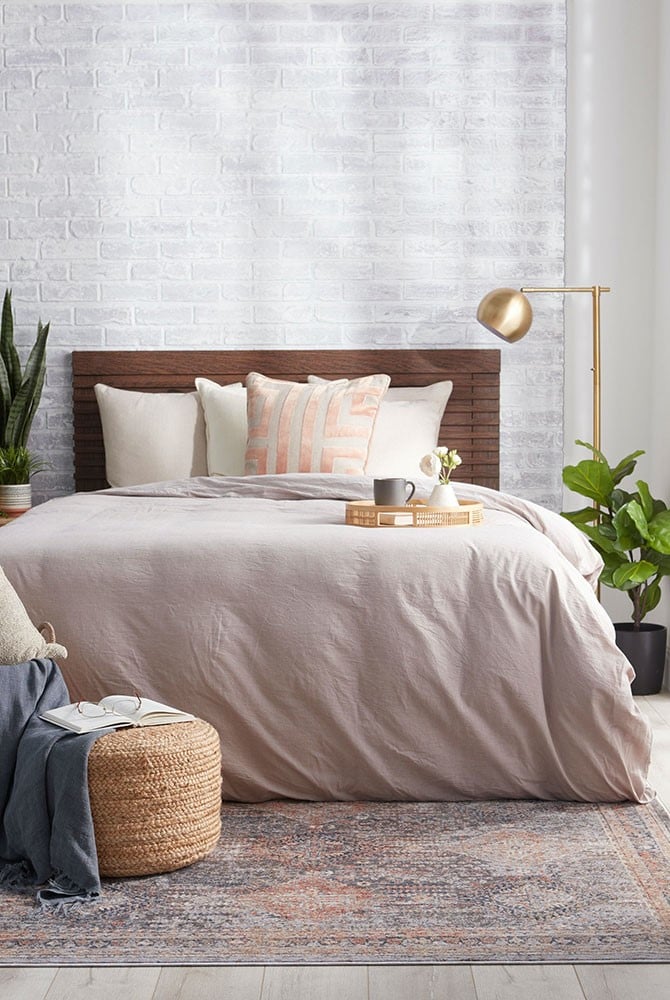
Bedrooms are one of the most practical places to use sconces, especially as an alternative to table lamps. Bedroom wall sconces free up nightstand space while still providing focused light for reading or winding down at night. Plug-in wall sconces are a flexible option if hardwiring isn’t ideal because they give you the flexibility to achieve the same look without the installation effort. Placement is key here: mounting sconces slightly above shoulder height when seated in bed helps direct light where it’s needed without creating glare.
In bathrooms, wall sconces are often placed beside mirrors to provide even, flattering illumination. Positioning bathroom wall sconces at eye level helps reduce shadows on the face, which makes them especially useful for grooming and daily routines. LED bathroom wall sconces are a popular choice because they offer consistent brightness and energy efficiency while maintaining a clean, modern look. For the most balanced lighting, install sconces on both sides of the mirror instead of relying on a single overhead light.

Height is one of the most critical factors in wall sconce placement because it directly affects both usability and comfort. A general guideline is to mount sconces about 60 to 66 inches from the floor, which typically places the light source around eye level for most people. This helps prevent glare while allowing the light to spread evenly across the wall.
That said, adjustments often depend on the room. In hallways, sticking close to this standard height keeps the spacing consistent and visually clean. For bedside lighting, sconces are usually mounted slightly lower so the light aligns with your seated position in bed. In bathrooms, placement should center around the mirror, with sconces installed at a height that evenly illuminates the face. Understanding these variations makes it easier to adapt wall sconces height to each space rather than relying on a one-size-fits-all approach that may not work in your space.
Spacing plays just as important a role as height because it determines how evenly light is distributed across a space. A common wall sconce spacing guideline is to install wall sconces in hallways roughly 6 to 10 feet apart, depending on how bright the fixtures are and how long the wall is. This creates consistent pools of light without leaving dark gaps in between.
For more specific applications, the approach changes slightly. When placing double sconces beside a bathroom mirror, position them about 36 to 40 inches apart so they frame the mirror without crowding it. When flanking a fireplace, spacing should feel proportional to the mantel. Try aligning the fixtures with the mantel’s outer edges or just inside them for a balanced look. Keeping symmetry and scale in focus helps create a layout that feels thoughtfully designed.
Each type of wall sconce is designed to create a specific lighting effect, depending on how the light is directed and used throughout the space.
Up-light sconces direct light toward the ceiling, where it reflects back into the room as a soft, diffused glow. This makes them ideal for ambient lighting, especially in spaces where you want to avoid harsh or direct light. They work particularly well in living rooms, hallways, and bedrooms, where a gentle, indirect glow can make the space feel more relaxed and inviting.
Down-light sconces focus light downward, creating more targeted illumination that’s useful for tasks or highlighting specific areas. They’re often used in hallways, beside beds, or near seating areas where you might need more functional light. Compared to up-light designs, they offer more precision, which makes them a strong choice for spaces where visibility matters.
With their flexible design, adjustable arm sconces let you position light exactly where it’s needed most. They’re especially popular for bedside reading, where the ability to reposition the light adds both comfort and convenience. These sconces combine function with a more tailored feel, making them ideal for spaces where lighting needs may change throughout the day.
Decorative candle sconces are more focused on aesthetics, often drawing inspiration from traditional or transitional design. They typically feature exposed bulbs or candle-style shapes that add warmth and character to a space. While they still provide light, their primary role is to enhance the overall design, making them a great fit for entryways, dining areas, or accent walls.

Choosing a sconce style is really about understanding how each design contributes to the overall feel of a room.
No matter the style, wall sconces work best when they complement other fixtures in the room. Coordinating and thoughtfully layering them with chandeliers, pendants, or lamps helps create a cohesive lighting plan where each element feels perfectly connected.
Even well-designed sconces can fall short if they’re not placed thoughtfully, but these common mistakes are easy to avoid with the right approach.

Wall sconces are one of the most flexible lighting options because they sit at the intersection of functionality and design. They provide ambient light, highlight specific areas, and add visual structure to a room, all without taking up valuable space. From understanding wall sconce placement and height to choosing the right style and spacing, each decision contributes to a lighting plan that feels balanced and intentional.
When you start to think about lighting in layers rather than as a single source, it becomes much easier to create spaces that feel comfortable and complete. Sconces can soften a room, highlight its best features, and work alongside other fixtures to build a cohesive look. If you’re ready to bring that level of flexibility into your home, explore the curated collection of wall sconces at Lightopia to find options that fit your space, your style, and the way you use every space.
The ideal height for wall sconces typically falls between 60 and 66 inches from the floor, which places the light at a comfortable eye level for most spaces. This height helps prevent glare while allowing the light to spread evenly across the wall. In bedrooms or bathrooms, you may need to adjust slightly based on how the space is used. The goal is always to align the light with how you naturally use the room.
Spacing depends on the size of the room and the brightness of the fixtures, but a common range is about 6 to 10 feet apart in hallways. This creates consistent lighting without leaving noticeable gaps. In more focused applications, like beside a mirror or fireplace, spacing should feel symmetrical and proportional to the surrounding elements. Taking a step back and visualizing the layout before installing can help refine placement, or you can take it a step further by using painter’s tape to mark where the sconce might be installed.
Yes, wall sconces are often used in place of table lamps, especially in bedrooms. They free up surface space while still providing the same level of functionality for reading or ambient light. Adjustable or swing-arm designs make this even more practical by allowing you to direct light exactly where it’s needed. This setup is especially helpful in smaller spaces where every inch counts.
Up-light sconces create a softer, more diffused glow by reflecting light off the ceiling, while down-light sconces provide more focused, task-oriented illumination. The best choice simply depends on how you plan to use the space. Many homes use a combination of both fixture types to create a more balanced lighting effect. Thinking about whether you prioritize ambiance or function can help guide the decision.
Yes, wall sconces are an excellent choice for hallways because they provide consistent, evenly distributed light while adding visual interest along the walls. When spaced properly, they help guide movement through the space and make it feel more inviting. They also reduce reliance on overhead lighting, which can sometimes feel too harsh or directional. The result is a hallway that feels both functional and thoughtfully designed.
THANK YOU!
Your discount code is on its way.
If you don't receive your promo code, please check your email junk or spam folder and click on "Not spam".
Free Shipping
Free standard shipping on all orders within the contiguous USA.
Orders to Canada, Alaska, Hawaii and Puerto Rico will incur additional shipping and handling fees, which will be calculated and presented at checkout. Canadian customers will be charged for all applicable customs duties, taxes, and brokerage fees.
For large, oversize items that require a surcharge above our shipping and freight partners’ standard shipping rates, an Oversize Processing Fee will be calculated in cart.