
Lighting plays a crucial role in enhancing the functionality and ambiance of any space. While choosing the right lamp style to complement your décor is important, understanding the various types of lamps and their specific functions is equally essential. Different lamps serve different purposes, some provide focused task lighting, others create ambient illumination, and some act as decorative focal points. To help you navigate the world of lighting options, we've created a comprehensive guide to the different types of lamps available, their unique features, common mistakes to avoid, and how to select the perfect lamp for your space.
The type of light source a lamp uses significantly impacts its efficiency, light quality, and suitable applications. Modern lighting technology offers various options, each with distinct advantages and ideal use cases.
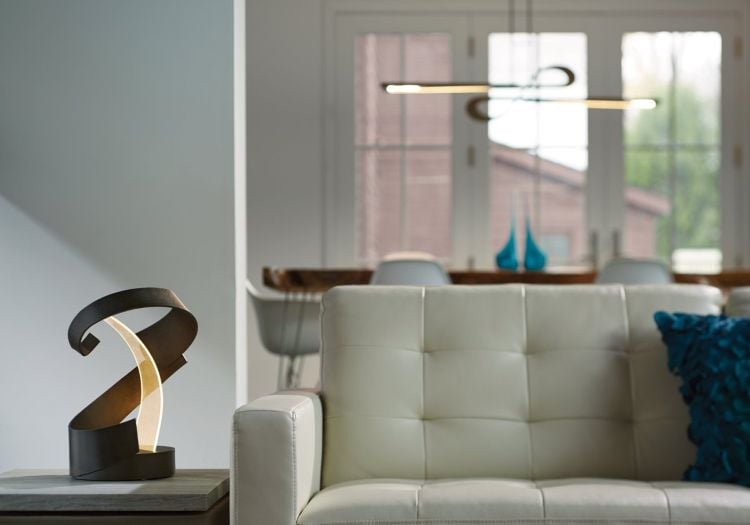
LED technology has revolutionized the lighting industry by offering unparalleled energy efficiency and longevity. These lamps work through semiconductors that emit light when an electric current passes through them. LED lighting consume significantly less power than traditional bulbs while lasting up to 25 times longer. Their versatility allows for integration into virtually any lamp style, and they're available in a spectrum of color temperatures from warm to cool white.
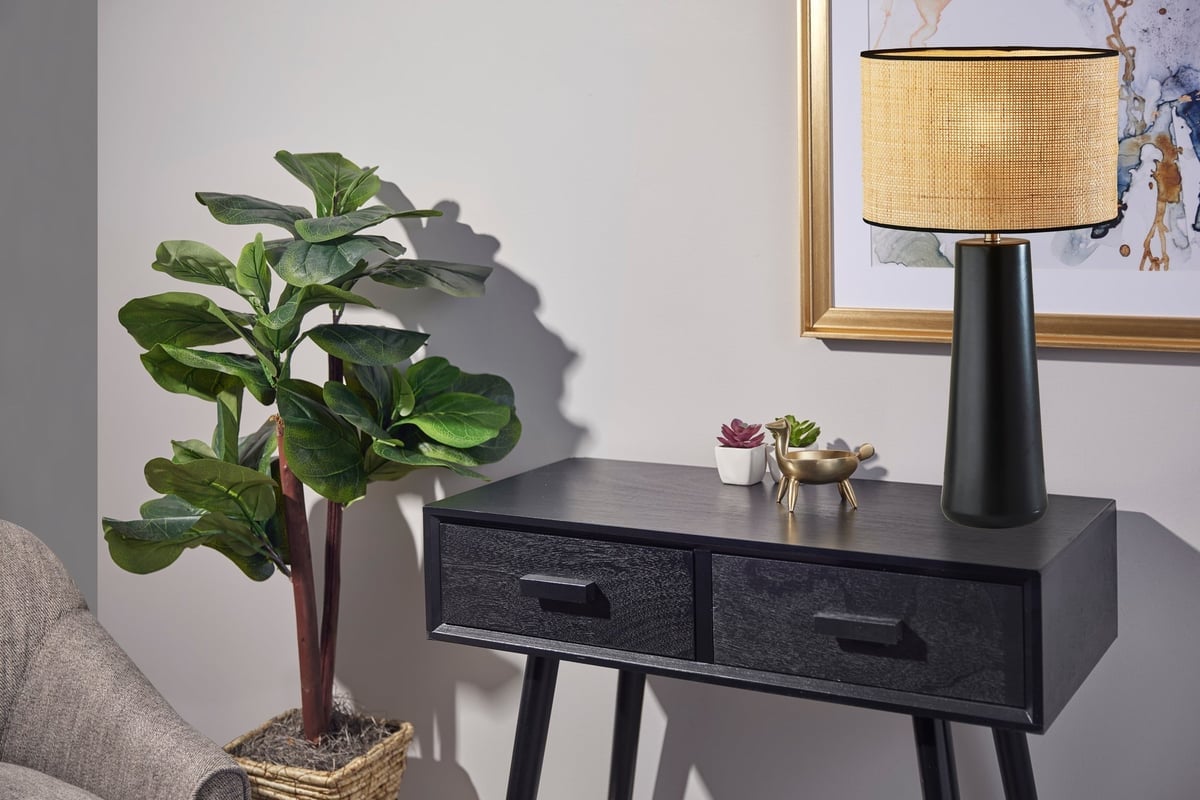
Incandescent lamps produce light through a heated tungsten filament, creating a warm, inviting glow that many find appealing for residential spaces. While these traditional bulbs offer excellent color rendering, they are less energy-efficient compared to newer alternatives and have a shorter lifespan. Due to these limitations, incandescent lights are gradually being phased out in favor of more efficient options.
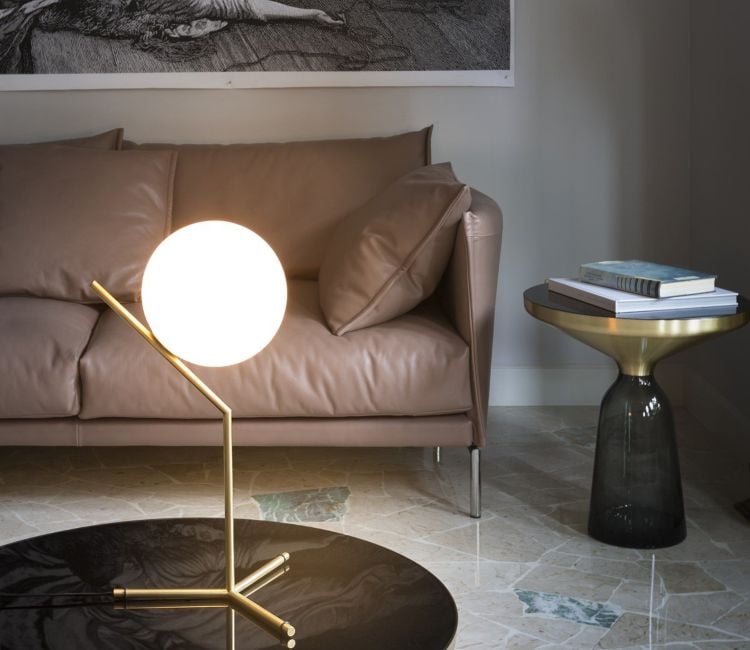
Halogen lighting function as a type of incandescent lamp but contain halogen gas that increases both efficiency and lifespan. These lamps produce bright, white light that closely resembles natural daylight, making them excellent for task lighting or highlighting artwork. Their compact size allows for versatile fixture designs, though they do operate at higher temperatures than other lamp types.

Fluorescent lamps use mercury vapor and phosphor coating to emit light, offering significantly higher energy efficiency than incandescent options. These lamps are commonly found in commercial and institutional settings due to their even light distribution and cost-effectiveness for large spaces. Modern fluorescent lighting technology has improved color rendering capabilities, moving beyond the harsh, cold light associated with older models.

Xenon lamps, also known as xenon arc lamps, generate light by passing electricity through ionized xenon gas, producing a bright, white light that closely mimics natural sunlight. Known for their high intensity and excellent color rendering, these lamps are commonly used in applications requiring powerful illumination, such as projectors, automotive headlights, and medical equipment. While not as energy-efficient as LEDs, xenon lighting offer superior brightness and instant-on capability. However, their higher cost and shorter lifespan make them more suitable for specialized rather than general household use.
Beyond light source technology, lamps are distinguished by their design and typical placement within spaces. Each type serves specific functions while contributing to your room's overall aesthetic.

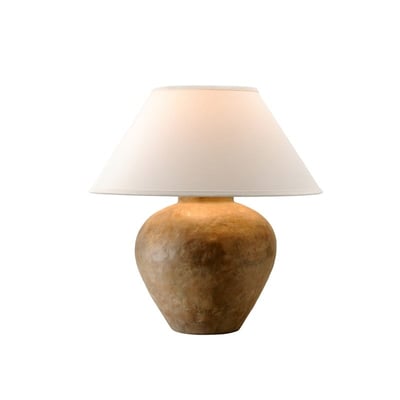
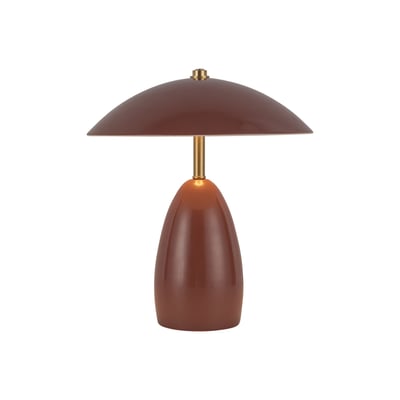
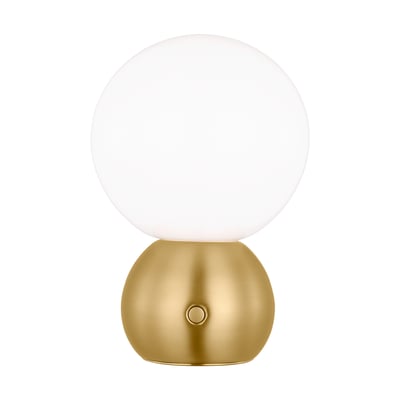
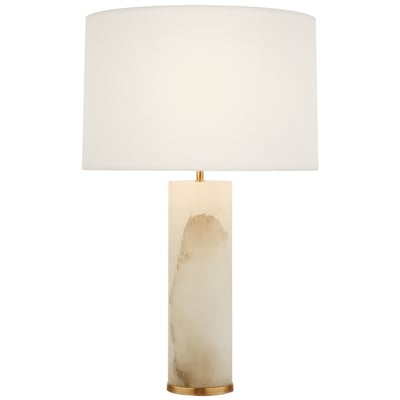
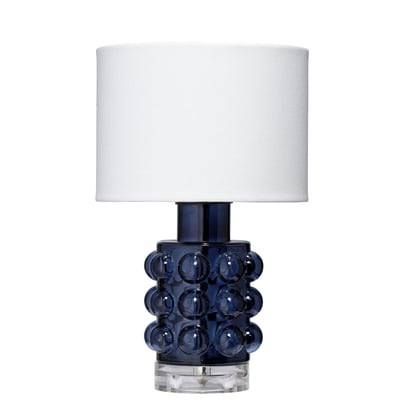
Table lamps serve as versatile lighting solutions that work on desks, bedside tables, or living room end tables. These fixtures typically provide localized ambient or task lighting while serving as decorative elements that complement your interior design. Available in countless styles ranging from traditional to ultra-modern, table lamps often feature fabric, glass, or metal shades that diffuse light pleasantly throughout the surrounding area.

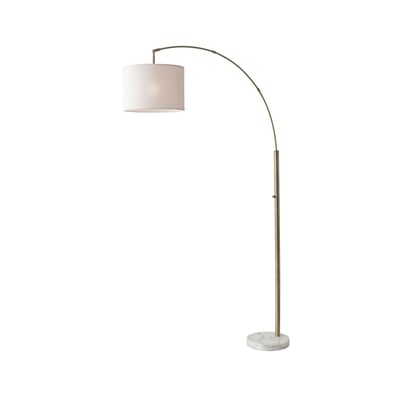
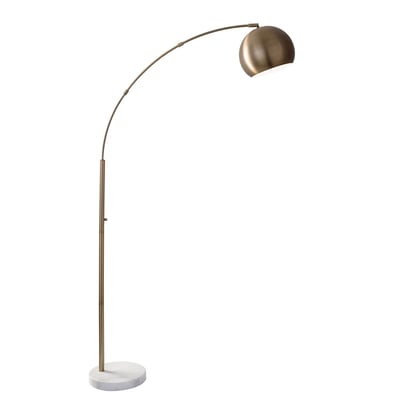
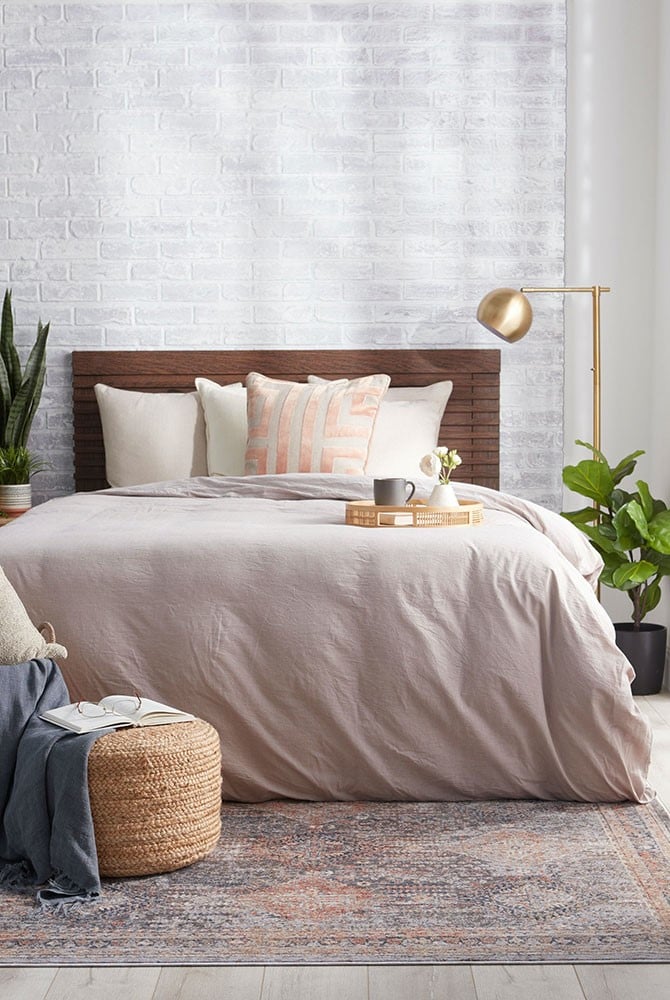
Floor lamps are stand-alone fixtures that provide general or accent lighting without requiring surface space. Many designs feature adjustable heights or directional heads for customizable illumination. Popular varieties include torchiere lamps that direct light upward for ambient illumination, arc lamps with dramatic curved designs for overhead lighting, and tripod lamps that offer both stability and contemporary styling. Floor lamps work particularly well in reading nooks, beside sofas, or in corners that need additional brightness.

Specifically designed for focused task lighting, desk lamps often feature adjustable arms or goosenecks that allow precise positioning of light exactly where needed. These task-oriented fixtures are ideal for reading, writing, or computer work, reducing eye strain during detail-oriented activities. Modern desk lamps frequently incorporate LED technology with adjustable brightness levels and color temperatures to accommodate different working conditions and preferences.

Wall-mounted fixtures provide ambient or accent lighting without consuming valuable floor or table space. Sconces can be used to highlight artwork or architectural features, illuminate hallways, or provide soft bedside lighting. Available in both hardwired and plug-in versions, these fixtures come in styles ranging from minimalist contemporary designs to ornate traditional models. Proper placement of wall sconces creates balanced illumination while adding visual interest to vertical surfaces.
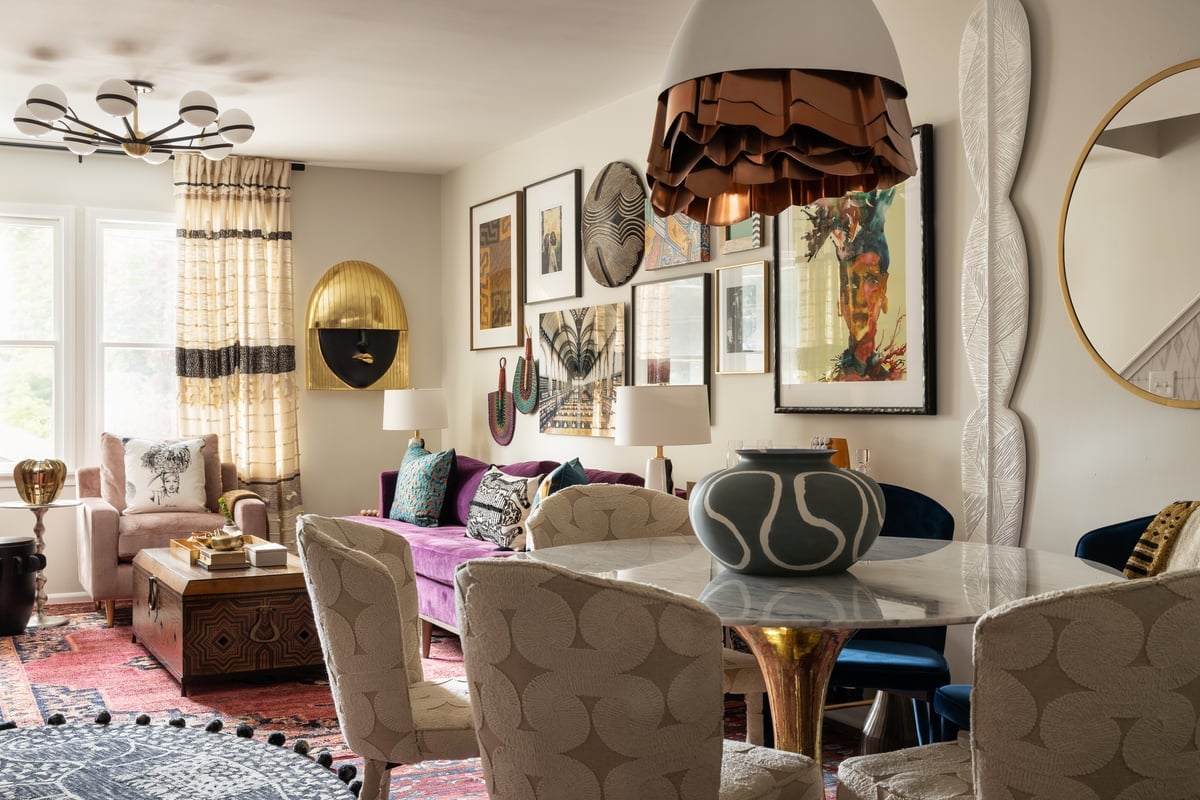
While not traditional "lamps" in the portable sense, ceiling fixtures such as chandeliers, pendant lights, and flush-mount designs serve as primary light sources in many rooms. Dining areas benefit from properly hung pendant lights, while entryways make perfect showcases for statement chandeliers. The height at which ceiling fixtures are hung significantly impacts both their visual presence and lighting effectiveness, making proper installation crucial for achieving optimal results.
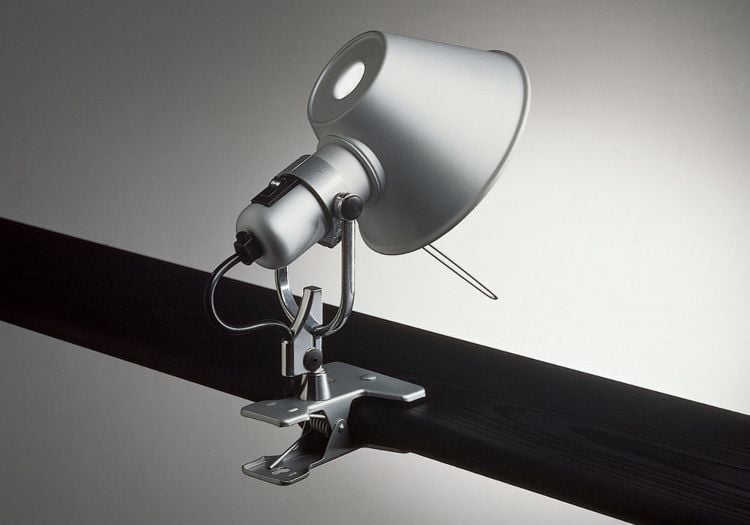
These highly portable lighting solutions can be attached to surfaces like headboards, shelves, or workspace edges. Their flexibility makes them ideal for providing targeted illumination for reading or hobbies without permanent installation. Many modern versions feature LED technology that combines energy efficiency with cool operation, making them safe for placement near bedding or papers.
Beyond functional lighting, specialty lamps offer unique features or serve primarily as decorative elements within your interior design scheme.
From whimsical children's room themes to conversation-starting designs like lava lamps, novelty lighting serves more as decorative accent pieces than primary light sources. These fixtures inject personality into spaces while providing soft ambient illumination. While typically not suitable for task lighting, novelty lamps can create atmosphere and express individual style in bedrooms, game rooms, or casual living areas.
Modern cordless lamp technology offers placement flexibility without the constraints of electrical outlets. These portable fixtures work well for outdoor dining, temporary workspaces, or areas where wiring is impractical. Battery life varies significantly between models, with some requiring overnight charging while others can operate for days between power-ups. Their portability makes them excellent choices for versatile lighting needs.
Integrating with home automation systems, smart lamps allow control via smartphones or voice commands. Features often include adjustable brightness, color-changing capabilities, and programmable lighting schedules to suit different activities or times of day. These technology-enhanced fixtures can synchronize with other smart home elements, creating coordinated lighting scenes throughout your space with simple commands or pre-set routines.
Harnessing sunlight to charge during daylight hours, solar lamps provide eco-friendly illumination after dark. Though primarily designed for outdoor use along pathways or in garden areas, some decorative indoor models can operate near windows with sufficient sun exposure. Their self-sufficiency makes them ideal for remote areas without electrical access, though light duration depends on battery capacity and available charging sunlight.
Selecting the right lamp involves more than aesthetics, proper choice and positioning ensure both visual appeal and functional illumination for your specific needs.
Before selecting lamps, determine whether your primary need is for ambient, task, or accent lighting. Consider the room's size, existing natural light sources, and any particular activities that will occur in the space. Rooms used for detailed work require different lighting solutions than spaces designed primarily for relaxation or entertainment. Taking inventory of current lighting gaps helps identify exactly what type of lamp will best serve your needs.
Match your bulb type to the lamp's intended purpose, considering both light output (measured in lumens) and energy efficiency. Color temperature, measured in Kelvin, significantly impacts mood – lower temperatures (2700-3000K) create warm, cozy environments ideal for living rooms, while higher temperatures (4000-5000K) provide crisp, energizing light better suited to workspaces. Most modern lamps accommodate various bulb types, allowing flexibility as your needs change.
Properly placed lamps create balanced illumination without harsh glare or shadowy areas. For reading or task lamps, position the light source slightly behind and to the side of the user to avoid direct glare while illuminating the work area. In living spaces, distribute multiple light sources at different heights to create visual interest and eliminate dark corners. Table and floor lamps with fabric shades help diffuse light pleasantly throughout the room.
Prioritize safety by ensuring lamps have stable bases appropriate to their height and weight. Position cords where they won't create tripping hazards, using cord covers or strategic furniture placement as needed. Avoid overloading electrical circuits with multiple high-wattage lamps, particularly in older homes. For households with children or pets, consider cord management solutions and fixtures designed to resist tipping.
As important as individual lamps are, they function best as part of a comprehensive lighting plan. Layering different lamp types creates depth, dimension, and adaptability within your spaces.
The most effective room lighting combines ambient illumination (general lighting that fills the space), task lighting (focused light for specific activities), and accent lighting (highlighting architectural features or artwork). By incorporating various lamp types at different heights and positions, you can create a versatile lighting scheme that adapts to different needs and occasions.
Dimmers and smart lighting technology add further dimension to your lighting plan, allowing customization of tone and intensity to accommodate various activities and moods. This flexibility ensures your space is appropriately illuminated for everything from intimate gatherings to detailed tasks requiring maximum visibility.
Natural lighting also plays a vital role in your overall scheme. Complementing window exposure with properly selected artificial lighting creates a harmonious environment that transitions smoothly from day to evening. The warm quality of many lamp types pairs beautifully with natural daylight, creating consistent tone and ambiance throughout changing conditions.
Lamps serve as both functional necessities and important design elements within our living spaces. Understanding the various types available, from table and floor lamps to specialty and smart lighting options, allows you to make informed choices that enhance both your home's aesthetic appeal and practical functionality.
When selecting lamps for your space, consider both technical specifications and design elements, ensuring each fixture fulfills your specific lighting needs while complementing your interior style. By thoughtfully layering different lamp types and placing them strategically throughout your rooms, you can create versatile lighting schemes that adapt to various activities and occasions.
Taking the time to research options, assess your specific needs, and possibly consult with lighting professionals will help you develop a comprehensive lighting plan that transforms your space through the perfect combination of lamp types, placements, and technologies.
THANK YOU!
Your discount code is on its way.
If you don't receive your promo code, please check your email junk or spam folder and click on "Not spam".
Free Shipping
Free standard shipping on all orders within the contiguous USA.
Orders to Canada, Alaska, Hawaii and Puerto Rico will incur additional shipping and handling fees, which will be calculated and presented at checkout. Canadian customers will be charged for all applicable customs duties, taxes, and brokerage fees.
For large, oversize items that require a surcharge above our shipping and freight partners’ standard shipping rates, an Oversize Processing Fee will be calculated in cart.