

Track lighting has quietly shifted from a purely functional household feature to a design-forward one. What used to feel utilitarian now shows up in thoughtfully designed kitchens, living spaces, and even statement-making ceilings with a level of flexibility that traditional fixtures might struggle to match. If you’ve ever wondered how to get light exactly where you need it, this is where track lighting starts to stand out. In our track lighting guide, we’ll cover how these systems work, how to design a layout that actually performs, and how to choose a style that fits seamlessly into your space.

Track lighting is a system where multiple light fixtures are mounted along a single track that’s installed on the ceiling or wall. The biggest advantage is flexibility. Each light head can typically be adjusted, allowing you to direct light exactly where it’s needed rather than relying on a fixed beam. A key part of how track lighting works is giving you control over both placement and direction without having to rewire or install multiple fixtures.
Compared to recessed lighting, which is built into the ceiling and stays in one position, track lighting offers far more adaptability. You can highlight artwork, brighten work surfaces, or shift the focus of a room over time as your layout changes. This combination of control and ease is one of the main reasons track lighting has become popular again, especially in modern interiors that prioritize function and clean, intentional design.
At first glance, different types of track lighting systems might look similar. The details behind how they connect and function vary more than you might expect.
H-type track lighting is the most common system used in residential spaces, and it’s often the easiest to work with. It’s widely compatible with fixtures from multiple manufacturers. This gives you more flexibility when choosing or updating your lighting heads. Compared to other systems, H-type tracks are easier to expand or modify over time, making them a practical choice with more flexibility as your needs evolve. You can typically identify them by the spacing of the internal connectors. They’re a reliable go-to for most standard home applications.
J-type track lighting is designed for more specific manufacturer compatibility, which can limit your options in some ways. While it still offers the same directional flexibility as other systems, you’ll need to be more intentional when selecting compatible fixtures. Compared to H-type, it’s less universal. It can still work well if you’re sticking with a particular brand or already have an existing system in place. The main advantage here is consistency within that system, even if it comes with fewer mix-and-match opportunities.
L-type track lighting is often associated with commercial settings, but it can absolutely be used in residential spaces. It tends to be a bit more specialized. Like J-type, compatibility is more limited compared to H-type systems. It’s usually best suited for more intentional, design-driven setups where you’re planning the system from the start rather than trying to mix and match components later. L-type systems can be a strong option in larger or more design-focused installations where a specific look or brand alignment matters.
If you’re trying to identify your existing track, look at the connector configuration and spacing. Each type has a distinct setup. You can often do this by removing one of the light heads and checking how the prongs are arranged inside the track, or by comparing the spacing to product images from different system types.

The way you arrange your track lighting has a direct impact on how well it performs. Layout decisions matter just as much as the fixtures themselves.
Straight track layouts are one of the simplest and most effective options, especially in kitchens, hallways, and other narrow spaces. By running a single line of track, you can create consistent, directional lighting that follows the shape of the room. Compared to more complex layouts, straight tracks are easier to install and plan. This makes them ideal when you want clean, functional lighting without overcomplicating the design. They’re particularly useful for task lighting, such as illuminating countertops or walkways.
L-shaped layouts are designed to handle corners and more dynamic room configurations. They allow you to extend lighting coverage into multiple areas without needing separate systems. That makes them a strong choice for multipurpose spaces. Compared to straight layouts, they offer more flexibility in directing light across different zones, such as combining seating and dining areas. This setup works well when a room doesn’t follow a simple linear flow and needs lighting that adapts to its unique shape.
Flexible or U-shaped layouts are best suited for larger spaces where lighting needs to reach multiple focal points. These configurations are often used in living rooms or gallery-style spaces where you might want to highlight artwork, furniture, and architectural features all at once. Compared to simpler layouts, they require a bit more planning, especially when it comes to spacing and aiming each light head. Keeping fixtures evenly spaced and angled toward key areas helps avoid uneven lighting and creates a more cohesive overall effect.
The type of track lighting heads you choose plays a major role in how the system performs and how the light is distributed throughout your space.
Spotlight heads are designed for focused, directional lighting, making them ideal for highlighting specific features like artwork or architectural details. They produce a narrower beam compared to other options, which allows you to draw attention to particular areas without lighting the entire room. This makes them a great choice when you want to create contrast and visual interest. Compared to floodlights, they’re more precise and intentional in how they direct light.
Floodlight heads provide a wider spread of light, which makes them better suited for general illumination. Instead of focusing on one specific point, they help brighten larger areas more evenly. This makes them a practical option for living rooms or kitchens where you need consistent lighting across the space. Compared to spotlights, they’re less about emphasis and more about overall visibility and comfort.
Pendant track heads combine the flexibility of track systems with the decorative appeal of hanging fixtures. They’re often used over kitchen islands or dining areas where you want both functional lighting and a design element. Many modern options are LED-compatible, which allows for energy efficiency and adjustable brightness levels. Compared to standard track heads, they add more visual presence while still benefiting from the adaptability of the track system.
Modern track lighting has evolved into a design feature in its own right, with styles that go far beyond traditional utilitarian looks.
Each of these modern track lighting styles offers a different way to integrate lighting into your home, depending on whether you want it to stand out or subtly disappear into the design.

Track lighting is incredibly versatile, but certain spaces benefit from it more than others, especially when you’re exploring track lighting layout ideas that prioritize flexibility.
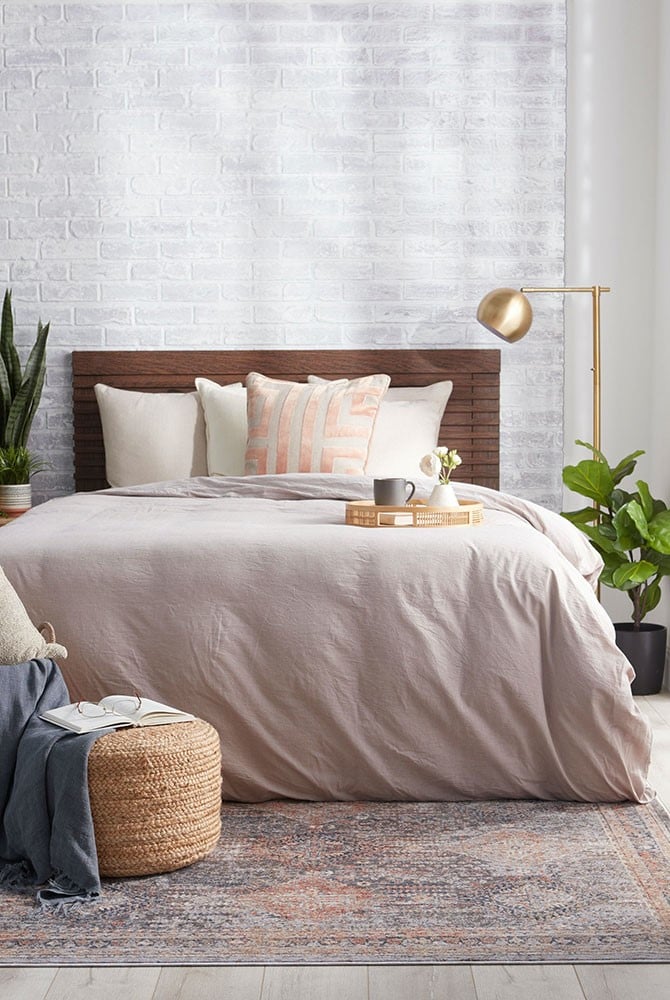
While track lighting works well in all of these areas, it’s not always meant to stand alone. In spaces like dining rooms or bedrooms, where softer ambient lighting is often preferred, fixtures like pendants, chandeliers, or table lamps can create a more relaxed atmosphere. In most homes, the best approach is a layered lighting plan that combines track lighting with other sources to balance function and comfort.
Even with a flexible system, a few common missteps can affect how well track lighting performs.
Track lighting stands out because it combines flexibility, modern design, and targeted illumination in a way that few other systems can match. From understanding how track lighting works to choosing the right layout and fixtures, each decision plays a role in how effectively your space is lit. The ability to adjust, expand, layer, and refine your lighting over time is what makes it such a practical long-term solution.
As you plan your space, think about where you need focused light, how your layout flows, and what kind of atmosphere you want to create. With the right system and setup, track lighting can adapt to your needs as they change. If you’re ready to explore your options, browse the track lighting collection at Lightopia to find designs that combine performance, flexibility, and modern style in one place.
H-type track lighting is more widely compatible with fixtures from different brands, which makes it a flexible choice for most homes. On the other hand, J-type systems are designed for specific manufacturers, so your fixture options are more limited. Both offer the same directional lighting benefits, but the main difference comes down to how easily you can mix and match components. If you want more flexibility long-term, H-type is often the easier option.
No, track lighting isn’t outdated. In fact, it’s become more relevant in recent years as design trends have shifted toward flexibility and minimalism. Modern systems feature sleek rails, LED technology, and cleaner finishes that fit seamlessly into contemporary interiors. Instead of serving a purely functional purpose, they now contribute to the overall design of a space. These updated materials and styles have helped redefine how track lighting is used today.
A common guideline is to use one light head for every two to three feet of track, but the exact number you’ll need will ultimately depend on your brightness needs and the size of the room. Kitchens, work areas, and other spaces that require more focused lighting may need additional heads. It’s also important to consider how the lights are aimed, as proper positioning can make fewer fixtures more effective. Adjustability is one of the biggest advantages of track systems, so be sure to take full advantage of its ability to meet your one-of-a-kind needs.
In many cases, track lighting can provide similar directional lighting to recessed fixtures without requiring ceiling modifications. Because the heads can be adjusted, you can achieve focused illumination that mimics recessed options while maintaining more flexibility. It’s especially useful in spaces where installing recessed lighting isn’t practical. In some cases, combining both options can sometimes create the most balanced result.
Track lighting works especially well in kitchens, living rooms, and areas where you want to highlight specific features like artwork or shelving. Its ability to direct light makes it ideal for spaces that need both task and accent lighting. Hallways and home offices also benefit from its adaptability. The key is choosing a layout and fixture type that aligns with how the room is used every day.
THANK YOU!
Your discount code is on its way.
If you don't receive your promo code, please check your email junk or spam folder and click on "Not spam".
Free Shipping
Free standard shipping on all orders within the contiguous USA.
Orders to Canada, Alaska, Hawaii and Puerto Rico will incur additional shipping and handling fees, which will be calculated and presented at checkout. Canadian customers will be charged for all applicable customs duties, taxes, and brokerage fees.
For large, oversize items that require a surcharge above our shipping and freight partners’ standard shipping rates, an Oversize Processing Fee will be calculated in cart.