

Some lighting styles are mostly decorative, but rustic lighting changes the entire atmosphere of a room. A single chandelier or pendant can completely shift the mood of a space when the scale, texture, and materials feel intentional. Once you move past the cabin stereotype, you’ll see that rustic lighting is surprisingly flexible, especially in homes that need more texture, warmth, or natural contrast. In this rustic lighting guide, we’ll walk through all the most popular fixture styles, how to use them in different rooms, and how to keep the look balanced rather than overly dark or visually heavy.
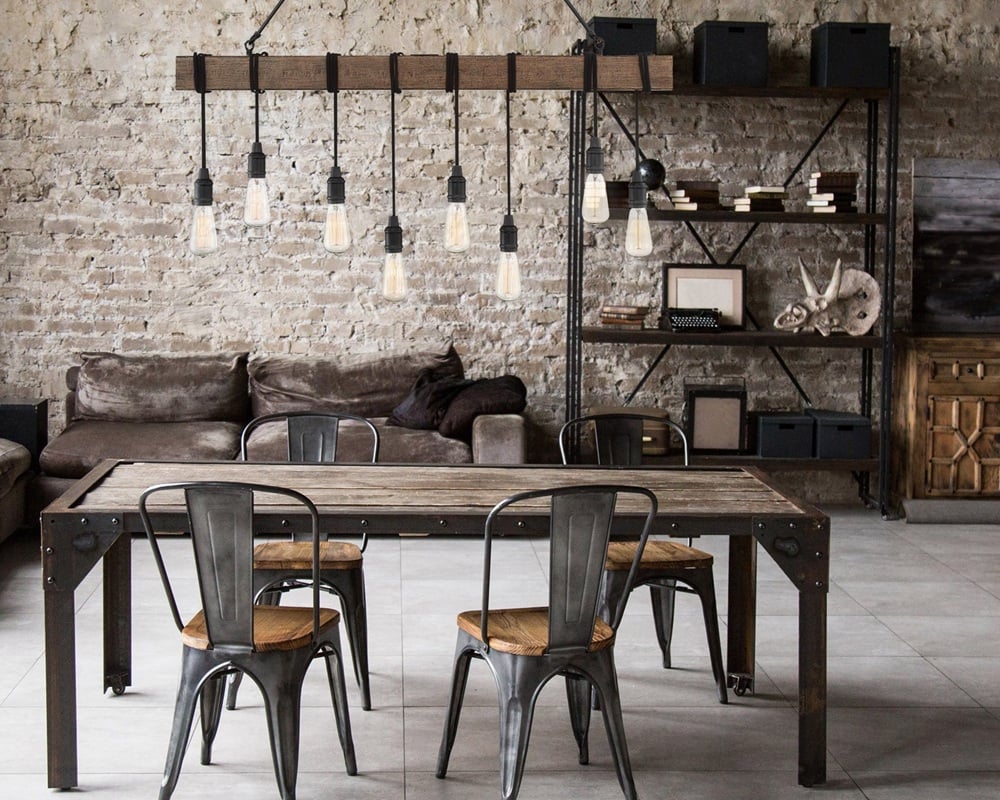
Rustic lighting is a style shaped by natural materials, weathered finishes, aged or handcrafted details, and design influences drawn from cabins, lodges, barns, and mountain homes. It focuses on grounded forms and warm, textured surfaces that make a space feel comfortable and lived in.
While it’s rooted in traditional, nature-inspired interiors, rustic lighting can range from refined and modern interpretations to more rugged, cabin-style fixtures depending on how it’s used. The overall goal is to introduce character and comfort without unnecessary darkness or clutter.
At its core, rustic lighting creates warmth and character without relying on ornament alone. Materials like wood, iron, aged metal, and natural textures pair well with glass to soften the look, but rustic fixtures are usually both substantial and relaxed. The lighting should still feel functional and balanced enough to bring ample brightness to the space while maintaining a sense of depth and atmosphere.
Rustic lighting leans less on ornament and more on the materials that shape it. Wood, wrought iron, bronze, seeded glass, leather, rope, and antler-inspired details all bring in texture, weight, and warmth that connect a space back to natural elements. In most rustic light fixtures, these materials do more of the design work than decorative detail ever could.
| Material or Finish | Rustic Effect | Best Uses |
|---|---|---|
| Wood | Adds warmth, natural character, and architectural appeal | Chandeliers, pendants, and table lamps |
| Iron or Black Metal | Creates a sturdy, grounded, traditional look | Chandeliers, wall sconces, and pendants |
| Bronze | Offers a warm, aged, and timeless appearance | Wall lights, outdoor fixtures, and ceiling lights |
| Seeded Glass | Brings a handcrafted, vintage-inspired feel | Pendants, wall sconces, and vanity lights |
| Leather or Rope | Introduces rich texture and handcrafted detail | Table lamps and decorative light fixtures |
| Antler-Inspired Forms | Evokes classic lodge and cabin character | Chandeliers and statement fixtures |
| Stone or Ceramic | Adds organic weight, texture, and earthy appeal | Table lamps and accent lighting |
Rustic lighting overlaps with lodge, cabin, farmhouse, and industrial styles, but each one emphasizes a different interpretation of warmth and texture. Rustic lighting focuses on warmth and natural texture, while lodge and cabin styles lean heavier and more nature-driven. Farmhouse lighting is typically simpler and more approachable, and industrial rustic design reads more urban, less decorative, and more utilitarian. Looking at these styles side by side makes it easier to see how these differences show up in real fixture design.
| Style | Design Feel | Common Fixture Details |
|---|---|---|
| Rustic | Warm, textured, and inspired by natural materials | Wood, iron, bronze finishes, and seeded glass |
| Lodge | Bold, dramatic, and inspired by mountain retreats | Antler-inspired forms, oversized chandeliers, and dark finishes |
| Cabin | Cozy, intimate, and rugged | Lantern silhouettes, natural wood, and warm glass |
| Farmhouse Rustic | Practical, welcoming, and timeless | Black metal, clear glass, and simple pendant designs |
| Industrial Rustic | Utility-inspired with rugged character | Exposed bulbs, metal shades, and cage-style details |
Rustic lighting shines through nearly any fixture type, but some pieces naturally carry more visual weight than others. Chandeliers, wall sconces, and pendant lights tend to define the style most clearly, while lamps and floor lighting help soften heavier materials and bring balance to wood-dominant or dark interiors. In most spaces, it’s the mix of fixture types that creates a complete rustic look. Below is a simple comparison of fixture types, their role in rustic interiors, and ideal placement strategies.
| Fixture Type | Rustic Design Role | Best Placement |
|---|---|---|
| Chandeliers | Creates the main rustic focal point | Dining rooms, living rooms, entryways |
| Pendants | Adds focused light and material texture | Kitchens, islands, dining nooks |
| Wall Sconces | Adds warm side lighting | Hallways, bedrooms, bathrooms |
| Table Lamps | Softens wood-heavy spaces with ambient light | Bedrooms, consoles, living rooms |
| Floor Lamps | Adds flexible lighting and visual height | Reading corners, living rooms, offices |
| Outdoor Lights | Extends rustic style beyond the home | Porches, patios, entries, garages |
Rustic lighting shows up differently depending on the room it lives in. In some spaces, it’s a focal point, but in others it adds quiet warmth through layered sources of light. Here’s how rustic lighting works across the most common rooms in the home.
In kitchens, rustic fixtures work best when they balance function with texture, especially over islands and food prep zones where task lighting is essential. Pendants in wood, metal, or seeded glass bring warmth to a space that’s often full of hard surfaces. Focus on durability and clarity to support daily use without feeling overly decorative.
The dining room is where rustic lighting becomes a focal point, with a chandelier anchoring the table and setting the tone for the entire space. Wood, iron, bronze, or lantern-inspired designs work especially well when scaled correctly to the table.
Rustic living room lighting calls for thoughtful layering. Combining a central fixture with secondary sources will prevent harsh shadows and build warmth across multiple light levels. Table lamps, floor lamps, and sconces help break up heavier materials and keep the room feeling lived-in rather than dim or overly weighted.
In the bedroom, rustic lighting should feel softer and more relaxed so it supports the space and doesn’t dominate it. Lamps, understated sconces, or warm pendants tend to work better than oversized lodge-style fixtures because the atmosphere remains calm and balanced without competing elements.
The key to rustic lighting in the bathroom is to keep it simple, functional, and flattering, especially around the mirror and vanity area. Warm metal finishes, glass, or lightly textured details can introduce rustic character without overwhelming a smaller space. Thoughtful placement is important, so making small, intentional choices like wall sconces beside the mirrors will shift the feel of the room dramatically.
Rustic outdoor lighting extends the same warmth and texture found inside the home to exterior spaces, but it has to work harder in terms of durability and scale. Lantern-style fixtures, seeded glass, bronze finishes, and dark metals all contribute to a grounded, welcoming ambiance across porches, patios, garages, and entryways. Layering entry, pathway, porch, and patio lighting helps unify the exterior, especially when bronze or black finishes are chosen to complement surrounding wood, stone, and siding.
Because outdoor spaces vary so much in size and exposure, proportion matters just as much as style. Larger architectural features like tall doors or wide porches usually call for more substantial fixtures, while smaller spaces benefit from simpler, well-placed lighting that doesn’t feel undersized. Fixture ratings should always match the location to ensure long-term performance and safe operation in outdoor conditions. For a well-balanced look, layer multiple outdoor lighting sources to help the home feel cohesive from every angle.
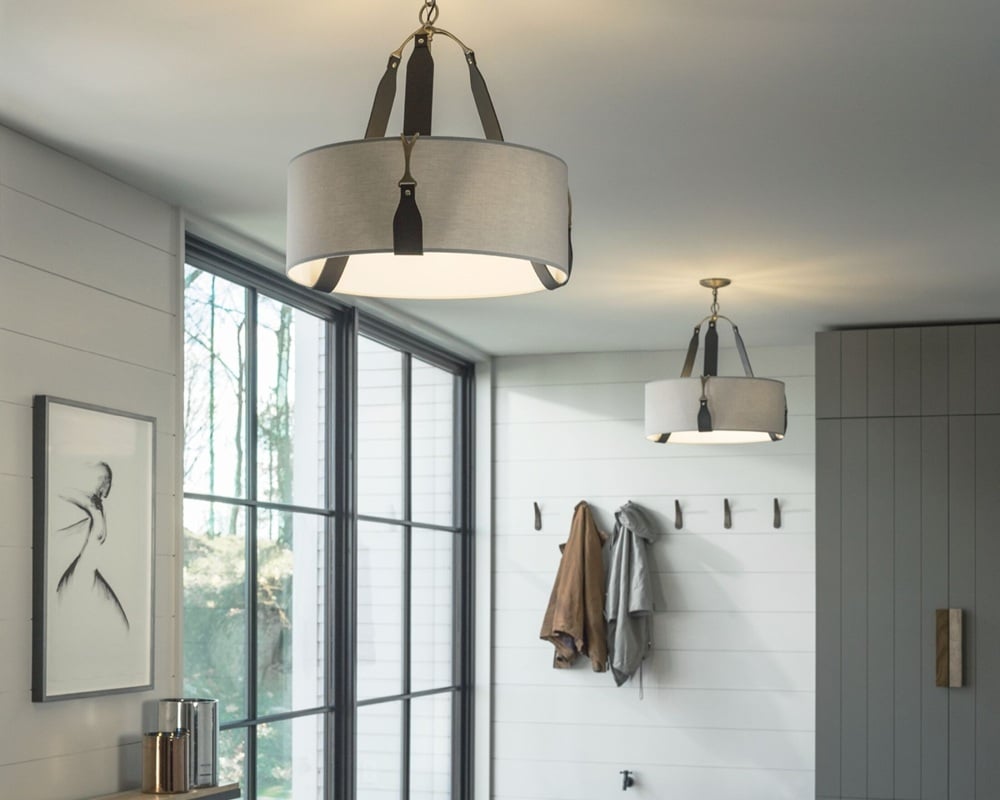
Rustic lighting reads most balanced when it feels grounded and warm, but it can easily become too heavy or dark if every fixture feels too large, textured, or visually dense. The key is to create contrast so the space still feels open and livable. This often comes down to keeping a balance between heavier rustic materials and lighter finishes, using warm, comfortable lighting levels, incorporating table and floor lamps to soften shadows, and allowing one major fixture to take precedence in each room.
Instead of relying on a single material or finish throughout the room, it helps to introduce lighter elements like glass, linen shades, or softer painted surfaces to help break up the weight of darker metals and wood. Layering also makes a big difference. Combining overhead fixtures with lamps or secondary lighting helps soften shadows and keeps the room from feeling flat or overly dim.
Avoid using oversized fixtures in low-ceiling rooms, and mix and match rustic textures with clean, modern elements or transitional details for a more personalized, less themed look. The best lighting ideas are those that work in layers to keep the space warm, balanced, and visually open.
Rustic lighting only feels right when character and usability are in balance. Most problems happen when fixtures are chosen for aesthetics alone without considering scale, brightness, placement, or layering.
Common rustic lighting missteps include:
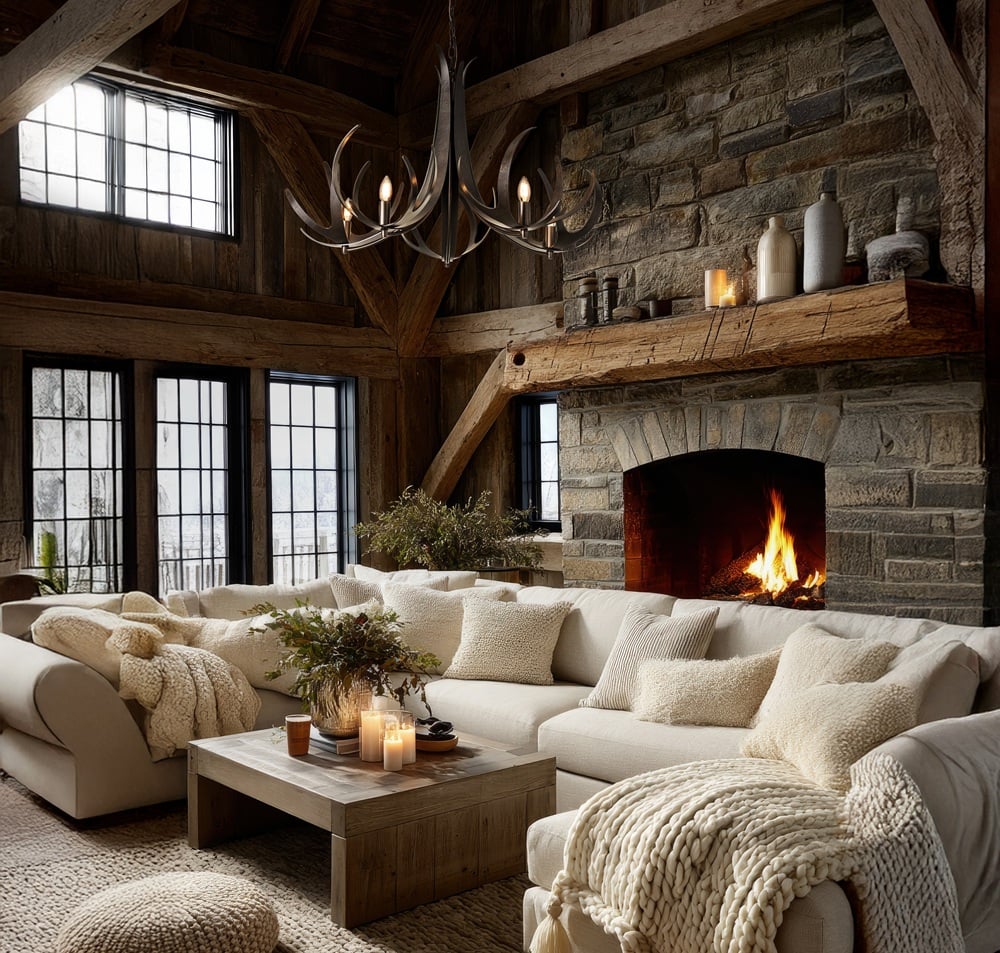
Rustic lighting should be planned with style and function in mind. Whether you gravitate toward cabin lighting ideas or prefer lodge style lighting, rustic spaces feel balanced when the materials, scale, and lighting all support the same atmosphere. With a clear direction and sense of scale, it’s much easier to build a space that feels cohesive rather than overly themed or heavy.
Rustic lighting works best when it brings warmth, texture, and a sense of comfort into a space without pushing the room too far into darkness or a heavily themed look. Wood chandeliers, iron pendants, seeded glass sconces, antler-inspired fixtures, and soft ambient lamps all contribute to that layered, lived-in feel. The strongest rustic interiors create balance through layering and mixing sturdy statement pieces with softer supporting light. They don’t rely on specific materials. The result is a space that feels collected and timeless rather than decorated around a theme.
Ready to bring that charm and warmth into your space? Shop rustic lighting at Lightopia and browse chandeliers, pendants, sconces, lamps, and outdoor fixtures that feel substantial, livable, and cozy without sacrificing comfort or practicality.
Rustic lighting is a style that’s rooted in natural materials and traditional design influences like cabins, lodges, barns, and mountain homes. It often uses elements like wood, iron, bronze, seeded glass, leather, stone, or antler-inspired forms to create lighting that feels warm and grounded rather than overly polished.
You’ll often see rustic lighting expressed through wood chandeliers, iron pendants, lantern-style wall sconces, seeded glass lights, and simple table or floor lamps. Antler-inspired chandeliers are also a strong design choice in lodge-leaning spaces, where the goal is a stronger nature-driven focal point.
Rustic lighting tends to lean more natural, textured, and material-driven, often featuring dark or weathered finishes. Farmhouse lighting typically feels lighter and more simplified, with cleaner silhouettes and a more domestic, everyday quality. The two can overlap through details like black metal, wood, glass, and practical fixture shapes, but rustic fixtures generally carry more visual weight and texture.
Cabins typically work best with layered lighting that includes warm chandeliers, wood or iron pendants, and softer accents like sconces or table lamps. The goal is to create warmth without leaving the space feeling too dim, so multiple light sources are usually needed to balance comfort and brightness throughout the room.
Yes, rustic lighting can work very well in modern spaces when it’s used more selectively. When a single rustic fixture is paired with clean, simple furniture and understated finishes, it can add texture and warmth without overpowering the room or shifting the style too far in one direction.
The easiest way to give rustic lighting an updated look is to simplify the shapes and balance heavier materials with lighter ones. Think rustic finishes in more refined silhouettes, or mixing wood and metal with glass or smoother surfaces so the outcome feels intentional rather than overly themed or traditional.
Most design issues come from pushing the style too far in one direction: too dark, too heavy, or too coordinated. Rustic lighting should still feel livable, thoughtfully scaled, and well-lit, which means balancing strong materials with enough brightness, layering, and restraint in how many rustic elements you combine.
THANK YOU!
Your discount code is on its way.
If you don't receive your promo code, please check your email junk or spam folder and click on "Not spam".
Free Shipping
Free standard shipping on all orders within the contiguous USA.
Orders to Canada, Alaska, Hawaii and Puerto Rico will incur additional shipping and handling fees, which will be calculated and presented at checkout. Canadian customers will be charged for all applicable customs duties, taxes, and brokerage fees.
For large, oversize items that require a surcharge above our shipping and freight partners’ standard shipping rates, an Oversize Processing Fee will be calculated in cart.