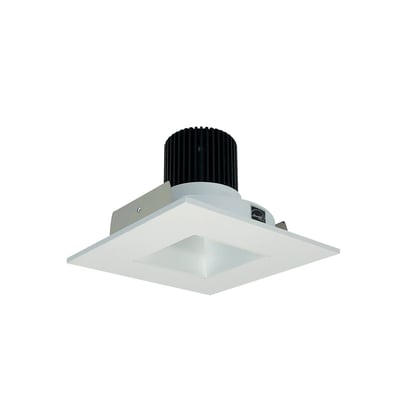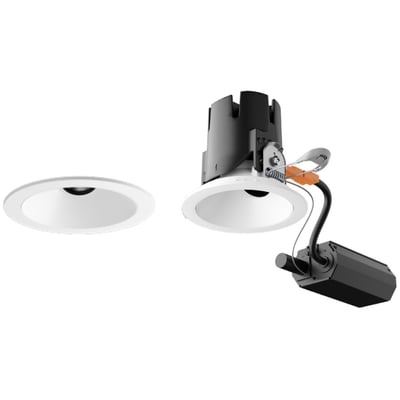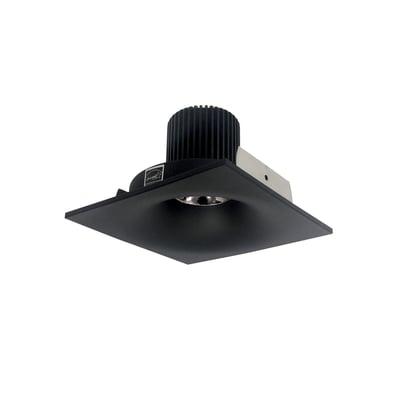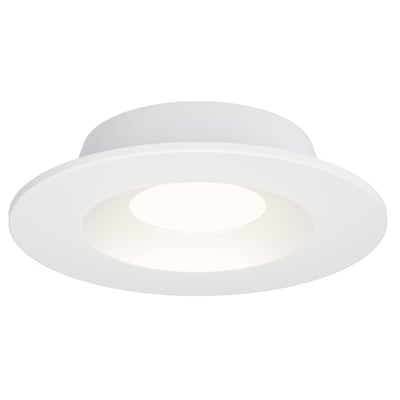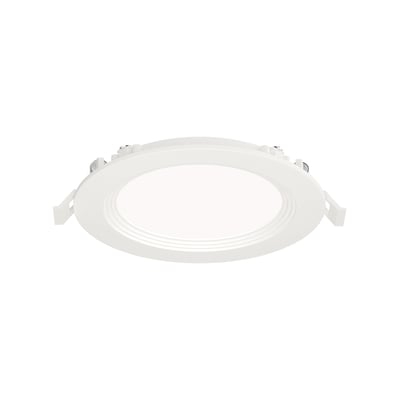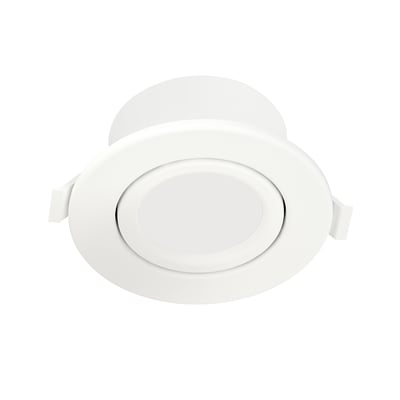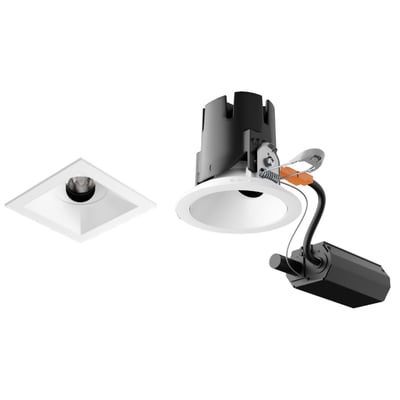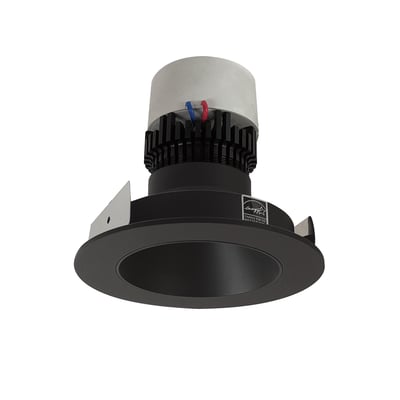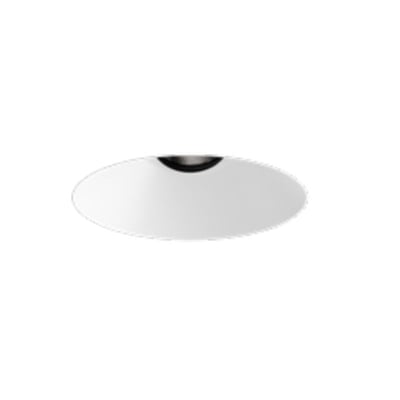

Recessed lights are streamlined fixtures ideal for providing lighting in any room of the home. While these lights may seem to fit one standard, the truth is that there are many recessed lights to choose from. Sizing is one area where you can customize your light, and when you do so, you can create a balanced lighting plan in any space while establishing the perfect ambiance.
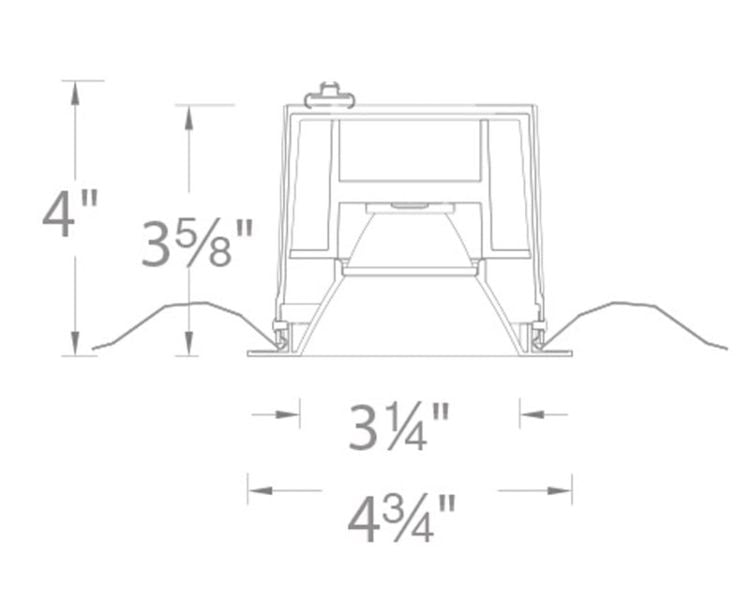
There are three popular recessed light sizes: 4 inches, 5 inches, and 6 inches. These measurements are the light’s diameter (the widest part of the circle). Whenever you select these lights, it is not just their size that matters but how and where they are placed. It is vital to take the housing height and the ceiling cut-out size into account when choosing the best recessed light and housing units. Whatever size light you choose, the ceiling hole should be 3/8 inch bigger than the fixture itself. These lights also have different sizes for housing units, which can play a role in their installation.
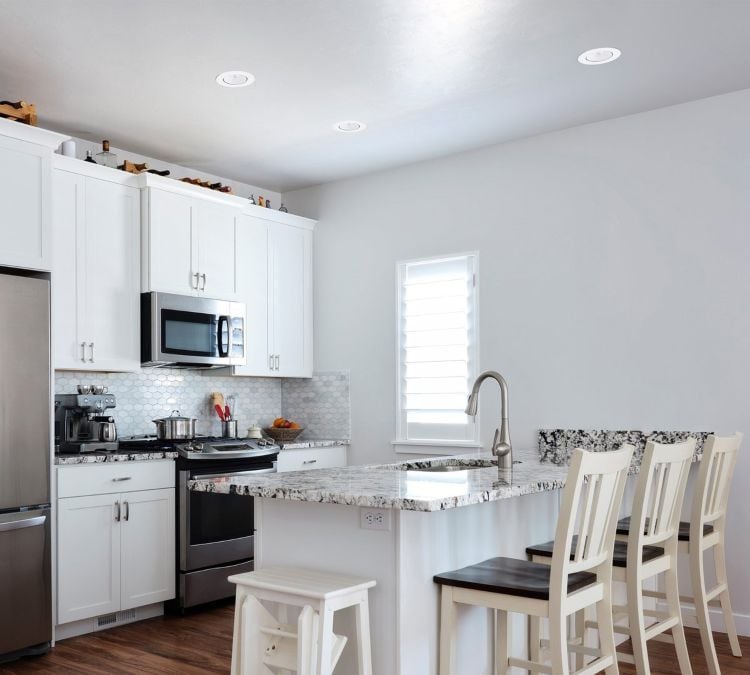
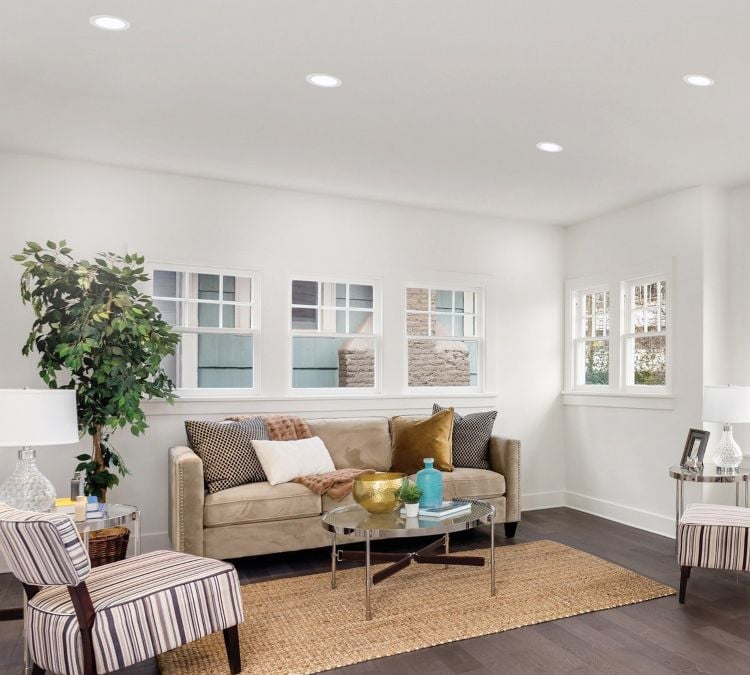
Although these three sizes are the most versatile, even these sizes are utilized in different settings and for different purposes. 4 and 5 inch recessed ceiling lights are most commonly used over kitchen counters and islands, since they can cast more focused light over workspaces. 6 inch recessed lights are the most popular size for general lighting in other rooms of the home like living rooms and dining rooms because they spread general lighting over a wider range to create ambiance and comfortable living.
While 4-6 inches may be the most common recessed light options, there are other sizes that can be used in different areas of the home. 2 and 3 inch recessed lights cast more narrow beams than the standard sizes, which makes them ideal for a place like a bathroom vanity. They are also wonderful accent lights for highlighting wall art, sculptural decor, or architecture.
8 inch recessed lights are on the larger size, and while they are beneficial for general lighting, they are typically reserved for grand open spaces. No matter what size recessed light you select, it is wise to keep hold of this fact: The size of your recessed lights and the distance between them should balance with your room’s size and height. This is why you commonly see 4-6 inch lights in most average sized rooms.
Since different sizes of recessed lights serve different purposes, it is important to choose the best size for your specific room. First and foremost, you must take your room’s functionality, size, and layout into account. Start by considering how you use the room and whether you’re looking for general lighting, task lighting, or accent lighting.

After that is established, look at the size of your room; the square footage of the room and the ceiling height will help you determine how light will disperse throughout the room and how much distance to put between each of the recessed lights. Finally, aesthetics come into play. Consider how the recessed lighting trim will look within your space, and decide which size recessed light will best illuminate the area to fulfill your desired tone, balance, and functionality.
With so many different recessed can light sizes to choose from, it can be intimidating to choose the best size for your room. To choose the right lights for your space, start by measuring your room’s square footage and ceiling height. Average living rooms, dining rooms, and kitchens often use 4-6 inch lights depending on the purpose of the lights and how many lights you want to place in the room.
Deciding the placement of your lights will help you determine the proper size, as you want a certain distance between the lights to adequately illuminate your room for practical use and aesthetic ambiance. To give you a general idea, recessed lights are often between 4 or 6 feet apart depending on your ceiling height. Standard 8 foot tall ceilings often place recessed lights about 4 feet apart from one another. For each additional foot tall your ceiling is, simply take your ceiling height and divide it by 2. That number will be the space you place between the lights. As a base example, take a 10 foot ceiling and divide it by 2. That total of 5 feet is the ideal distance between each recessed light.
Of course, the exact placement and distance between lights should suit your room on all accounts; the lights should be placed so that they are task lighting if necessary, not rest too close to walls or cabinets, and they should not be too close/far from one another. To get a more in depth guide of where to place recessed lights, look at our guide of where to place recessed ceiling lights in the kitchen. The principles and guidelines presented there can be tailored to suit a variety of settings, whether that’s the kitchen, a dining room, living space, or another area of the home.
When you’re choosing what size recessed lighting fixtures to use in your home, there are some common mistakes to avoid.
It is perfectly fine to find inspiration in others’ rooms and how they utilize recessed lights and other lighting fixtures. However, it is a mistake to base your design solely on another room where the size, layout, and usage of the room may differ from yours. That is why it is vital to take your specific room into account in every way to establish a lighting plan for your unique space.
Different recessed lights cast light over wider and smaller areas respectively. That makes lights of different sizes ideal for different tasks, such as task lighting, general lighting, or accent lighting. If you ignore those qualities, then your room may feel visually imbalanced and not live up to its full potential. The intensity of the light, its lighting temperature, and whether it is an LED bulb or another type of light will also impact your room’s final lighting design.
If you do not take spacing into account, then you may have too much or too little space between each of your recessed lights. That improper spacing impacts the overall aesthetic and lighting of your room, but it also negatively affects the room’s utility and functionality. Along those lines, even if the spacing is correct, your lights must be placed according to your needs. Selecting recessed lights as task lighting but not placing them in the specific task-heavy area impacts the room’s functionality in a large way.
There is no singular answer for where to place recessed lights or how to determine recessed light size. Each room is so unique with its own size and usage that you must carefully weigh the benefits of each lighting size and layout. Now that you know the pros and cons of different sizes, how they can benefit different settings, and how to space them, you can choose the best recessed light size for your room.
THANK YOU!
Your discount code is on its way.
If you don't receive your promo code, please check your email junk or spam folder and click on "Not spam".
Free Shipping
Free standard shipping on all orders within the contiguous USA.
Orders to Canada, Alaska, Hawaii and Puerto Rico will incur additional shipping and handling fees, which will be calculated and presented at checkout. Canadian customers will be charged for all applicable customs duties, taxes, and brokerage fees.
For large, oversize items that require a surcharge above our shipping and freight partners’ standard shipping rates, an Oversize Processing Fee will be calculated in cart.