

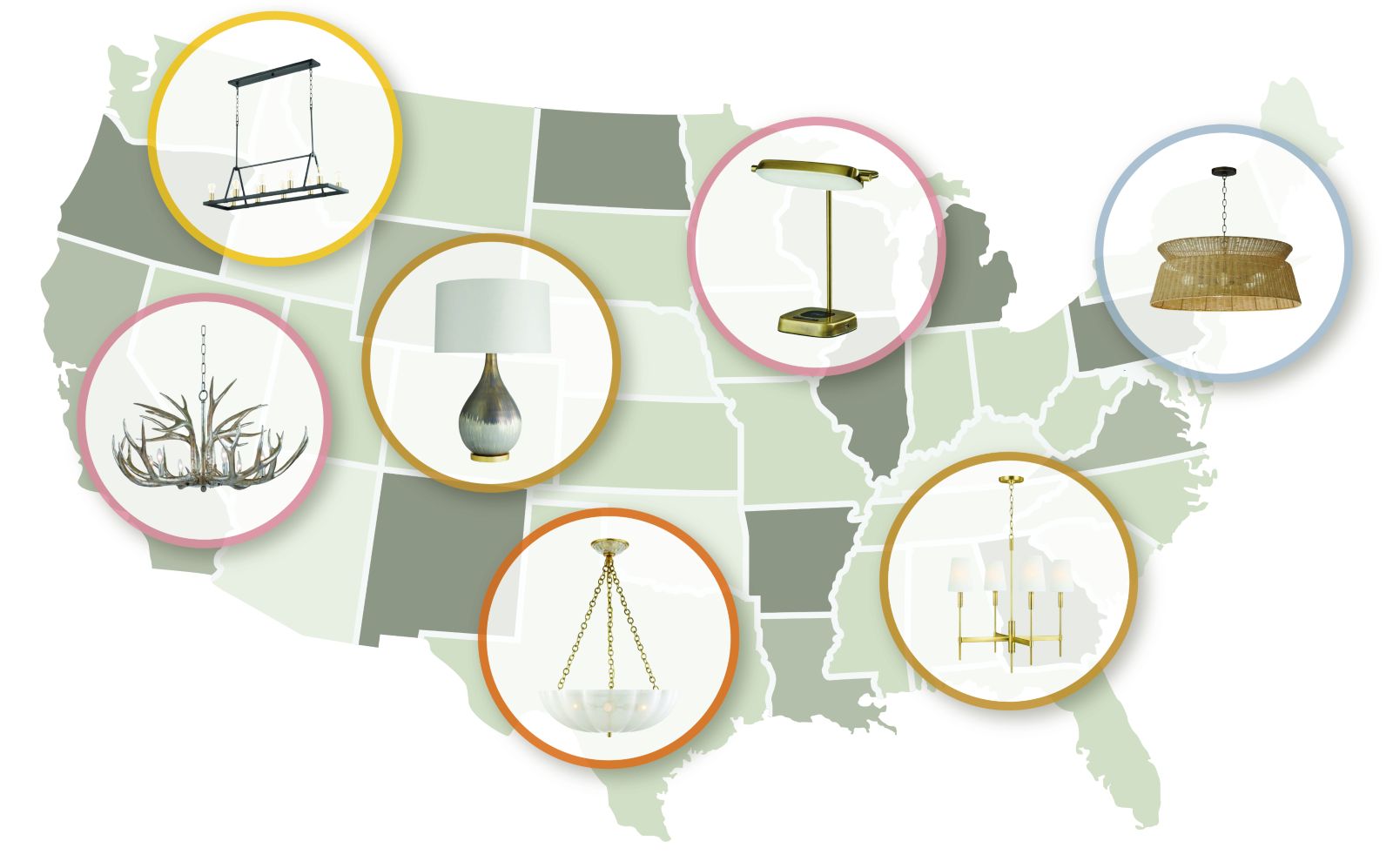
Ever wonder why your Vermont friend's home feels so different from your cousin's place in Texas? It's not just the accent—it's the lighting! From the moody industrial pendants of Brooklyn lofts to the sun-drenched coastal fixtures of California, America's lighting preferences are as diverse as its landscapes.
Our nationwide survey of 1,000 Americans revealed that while 64.4% of us claim to be traditionalists when it comes to lighting, there's nothing traditional about how dramatically our preferences change from coast to coast. Only one in five Americans would splurge on lighting that screams "local flavor"—but as you'll discover, most of us subconsciously channel our regional roots, whether we realize it or not.
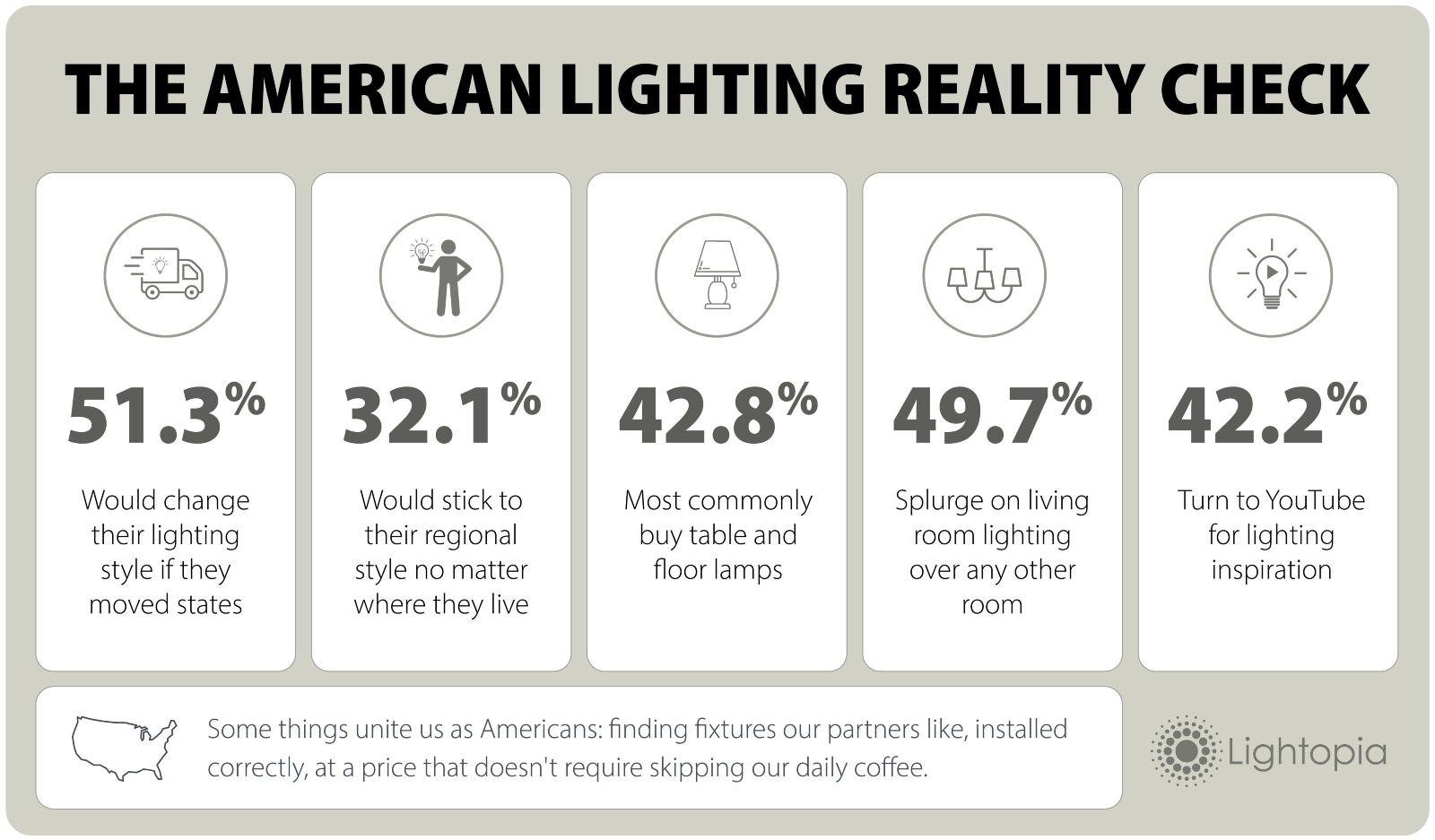
Bright Insight: Americans turn to YouTube (42.2%) and retailer websites (45.7%) for lighting inspiration more than any other source.
This isn't just some light reading (pun absolutely intended). We combined hard sales data, search trends, social media deep-dives, and designer brain-picking to create the most comprehensive map of American lighting preferences ever assembled.
What we learned might shock you more than touching a lamp with wet hands: The average American spends more time choosing a Netflix show than selecting the fixtures that light their home for years. Yet, the living room (49.7%) is where we're most willing to splurge on statement lighting, followed by the kitchen (21.4%) — because apparently, we all need dramatic illumination while reheating leftovers.
Bright Insight: Style and aesthetics narrowly beat price as the top factor in lighting decisions. Turns out we aren't all cheapskates after all!
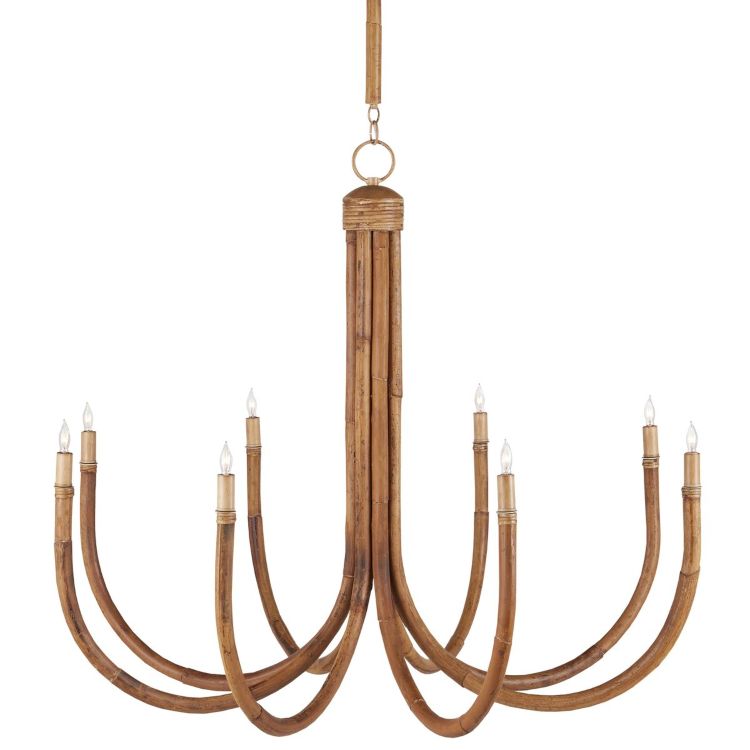
Connecticut lighting is like its residents: traditional with just enough modern flair to avoid being called stuffy at the country club. Here, Colonial-era chandeliers get contemporary makeovers—think fewer candles, more clean lines—while maintaining that "my ancestors came over on the Mayflower" energy.
Local Luminaries Say: "I need my foyer chandelier to say 'I summer in the Hamptons' without being obvious about it."
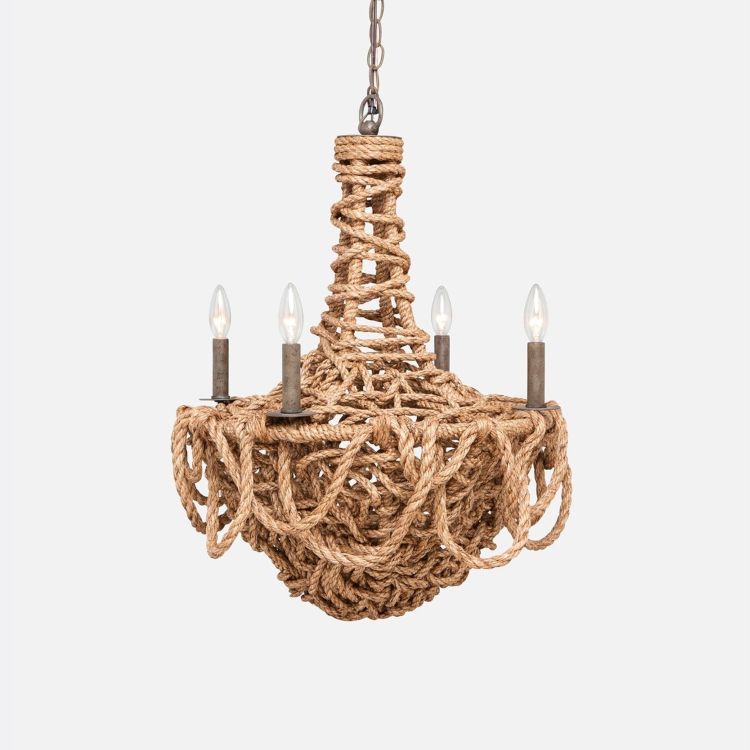
Maine doesn't just embrace nautical lighting—it practically invented it. If your fixture doesn't look like it could guide ships safely to harbor during a nor'easter, is it even Maine-approved? Weathered brass, rope accents, and glass that looks like it's been kissed by sea spray dominate here, even in homes 100 miles from the actual coast.
Local Luminaries Say: "If my pendant doesn't look like it survived at least three perfect storms, I don't want it."
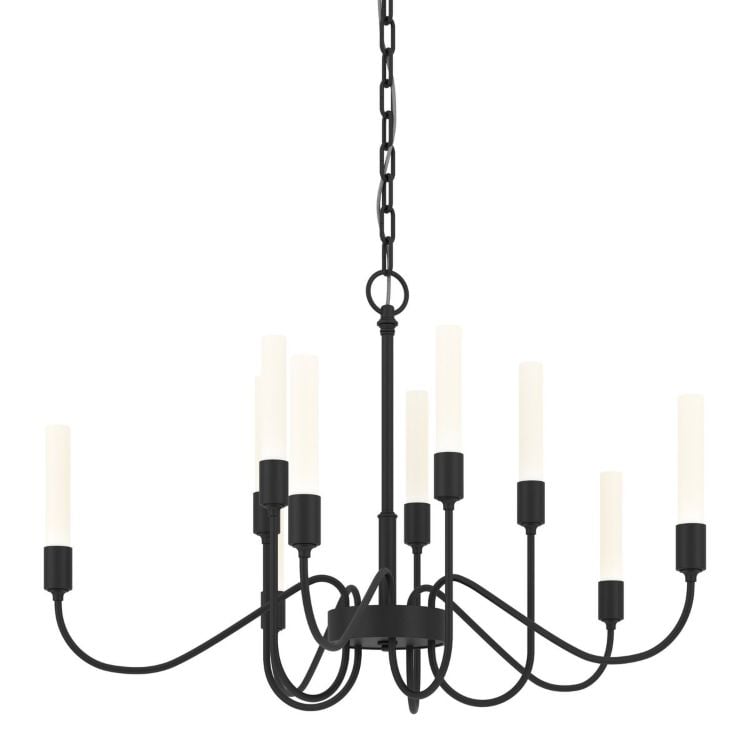
In Boston, lighting is as much about history as it is about Harvard bragging rights. Modern colonial fixtures with clean lines illuminate discussions about property taxes and the Sox's pitching roster. Meanwhile, Cape Cod embraces fixtures that are so coastal that they practically come with complimentary seashells and a slight attitude.
Local Luminaries Say: "Our lighting is wicked smart—historically accurate but with LED technology our founding fathers could only dream of."
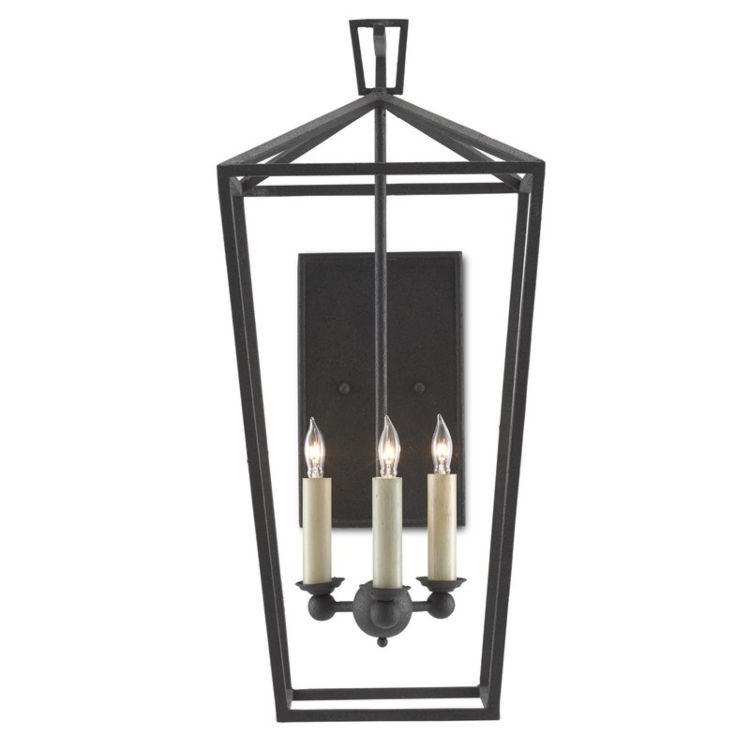
Live free or die! New Hampshire's lighting choices are as sturdy and unpretentious as its residents, favoring practical fixtures that could survive a presidential primary season. Expect rustic-modern hybrids that look like they could handle being buried under 10 feet of snow without complaining.
Local Luminaries Say: "No income tax means more budget for statement lighting. But not too statement-y—we're not Massachusetts."
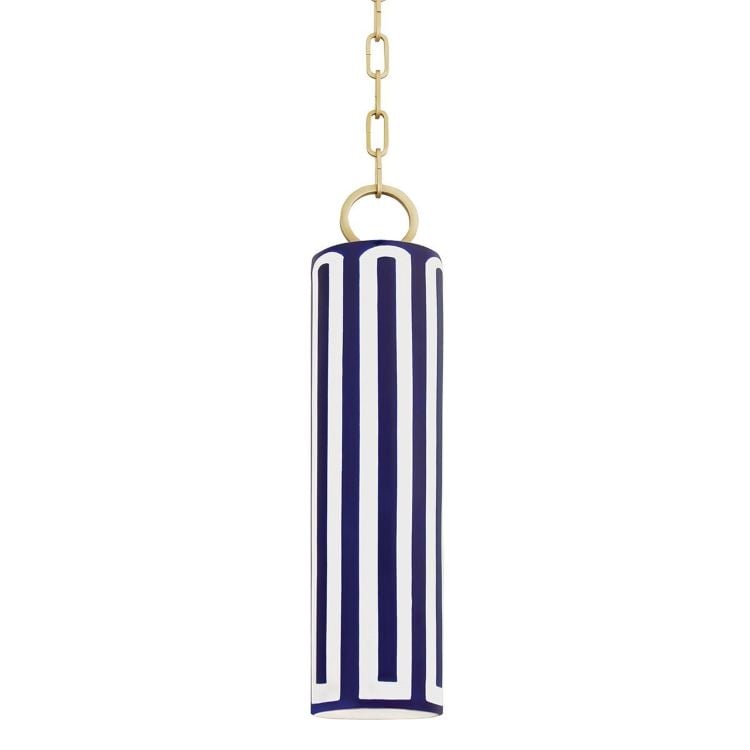
America's smallest state compensates with America's most confident lighting choices. Drawing inspiration from Newport mansions and maritime heritage, Rhode Islanders favor lighting that makes a big splash in a small space. Navy blue accents and brass fixtures that look like they belong on a yacht are practically required by state law.
Local Luminaries Say: "We invented the Industrial Revolution, so yes, we know a thing or two about proper illumination."
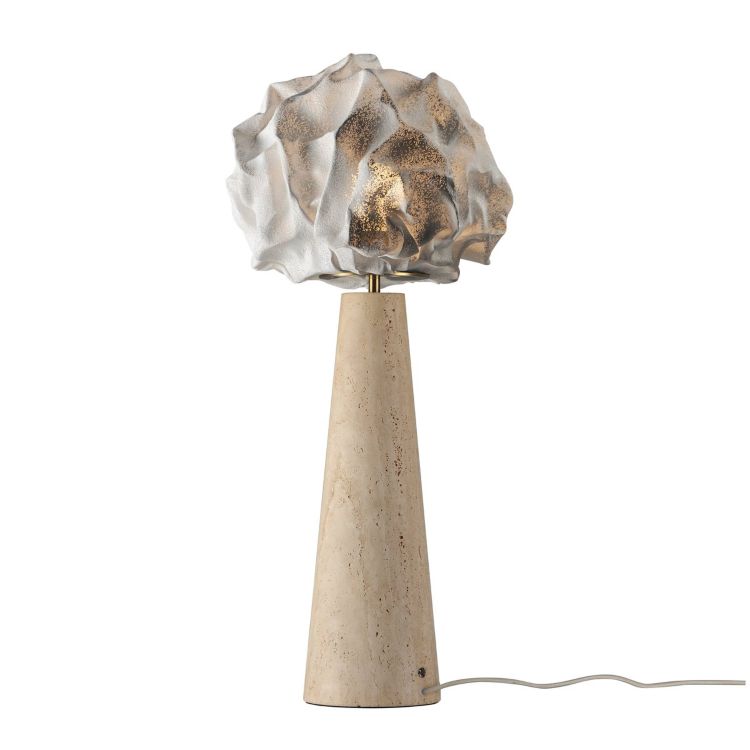
Vermont’s lighting style reflects its deep appreciation for craftsmanship, sustainability, and local flavor. Expect handcrafted wooden fixtures—often made by artisans with names like Maple or Cedar—that pair perfectly with wide-plank floors and a cabinet full of small-batch spirits. It’s lighting that feels intentional, grounded, and just a little rustic around the edges.
Local Luminaries Say: "Our fixtures are like our maple syrup—locally sourced, artisanal, and worth the extra splurge."
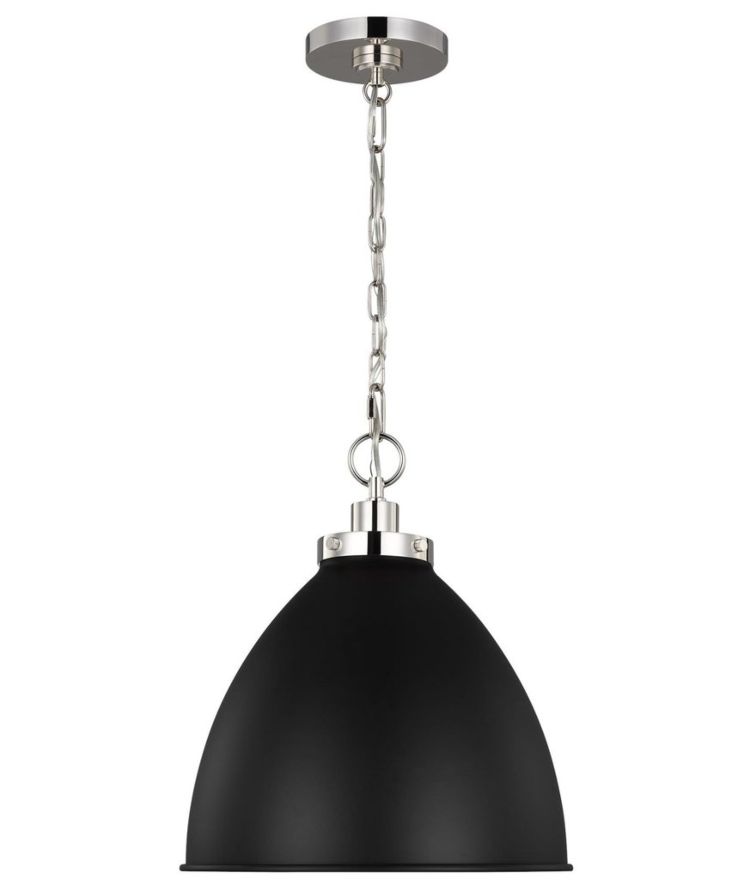
New York City apartments feature lighting that maximizes minimal square footage while providing enough ambiance for inhabitants to convincingly complain about their rent. Upstate, farmhouse-modern fixtures illuminate conversations about when to visit the city (answer: never during tourist season).
Local Luminaries Say: "My lighting fixture rivals my monthly parking garage fee, and in New York, that's saying something."
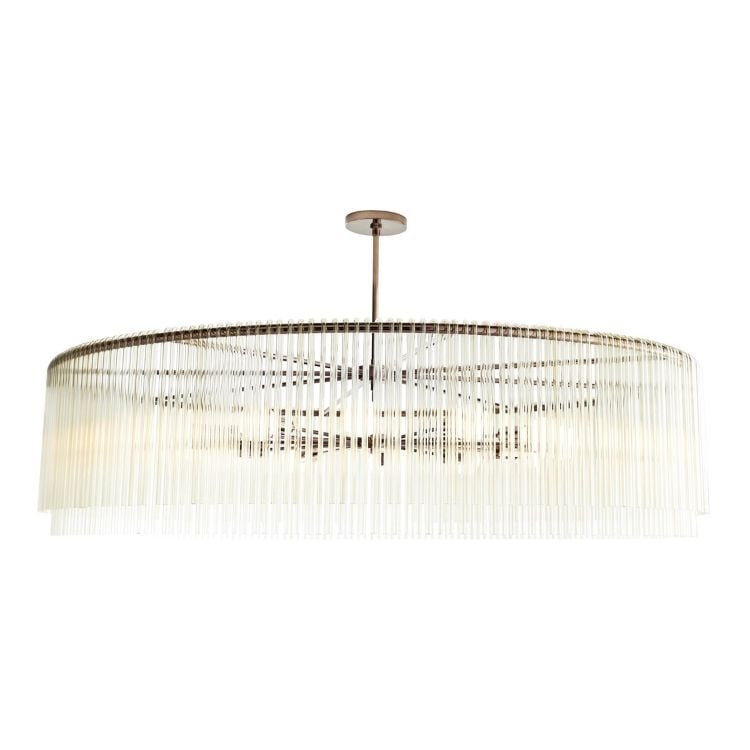
Forget what you've heard—Jersey lighting is sophisticated enough for a Real Housewives filming but practical enough for a Springsteen listening party. Shore homes embrace coastal vibes that say, "I'm on vacation but still checking work emails," while suburban fixtures perfect the art of being simultaneously trendy and timeless.
Local Luminaries Say: "Yes, I need my foyer chandelier to be visible from the Turnpike. No, I will not be taking questions."
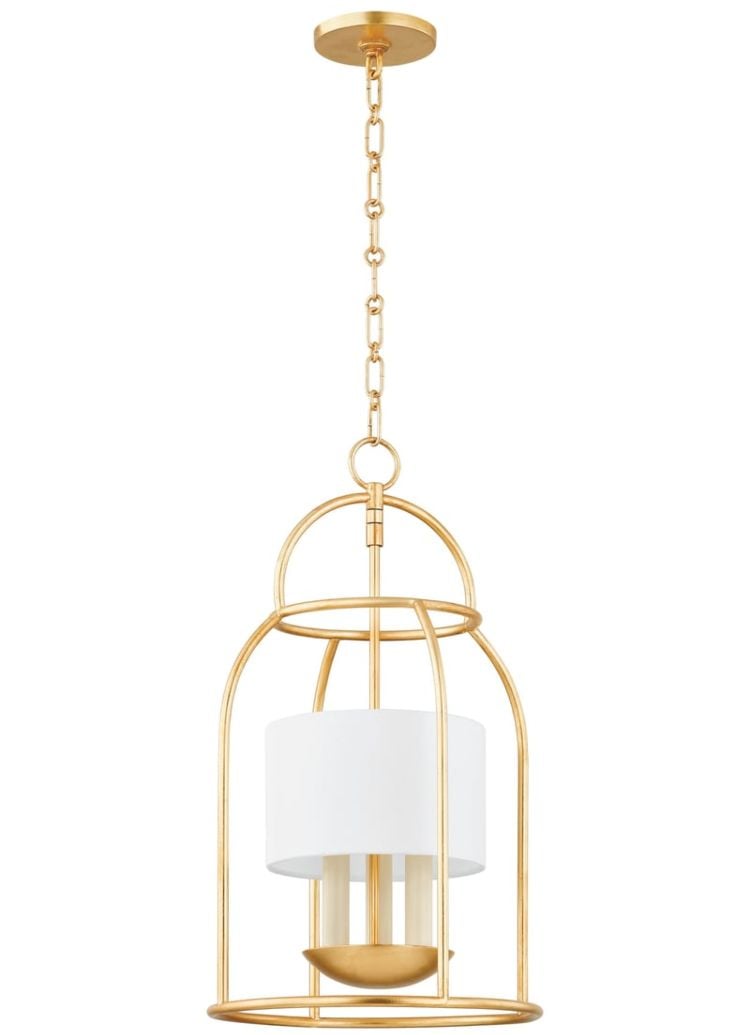
Philadelphia lighting bridges colonial heritage with modern aesthetics, while Pittsburgh embraces industrial fixtures that nod to its steel city roots. The middle of the state—well, they're just happy when the power stays on during deer season.
Local Luminaries Say: "Our lighting is like scrapple—an acquired taste that outsiders don't quite understand."
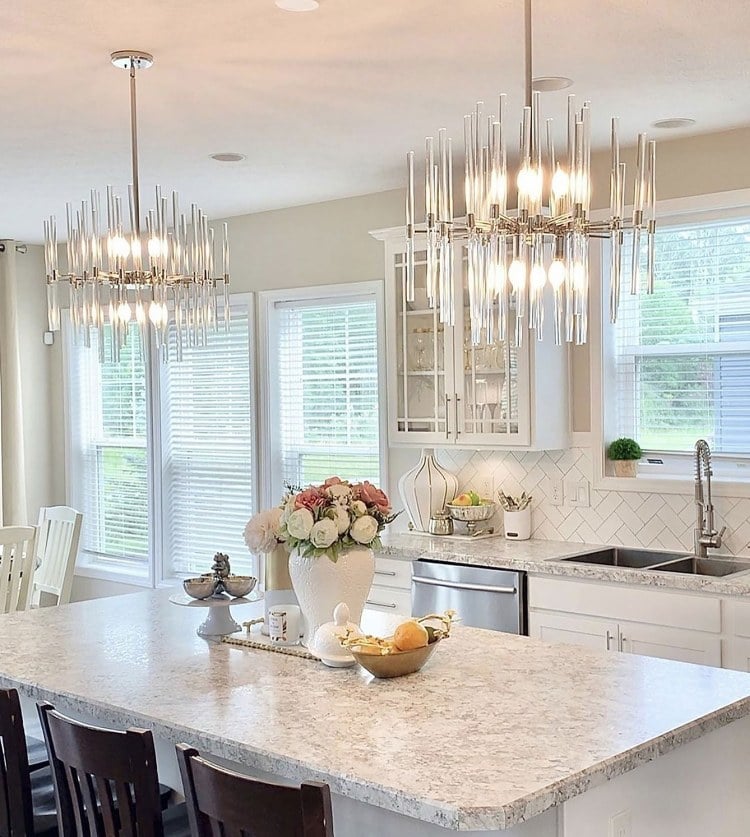
Atlanta's contemporary designs coexist with Savannah's historic sensibilities, but both share a common mission: fixtures impressive enough to make your cousin from Charleston silently seethe with envy. Statement dining chandeliers are practically included with new home purchases, along with a mandatory ceiling fan for those sweltering summer months.
Local Luminaries Say: "If my chandelier doesn't look like it could have been in 'Gone With the Wind' but also on Pinterest, I've failed as a homeowner."
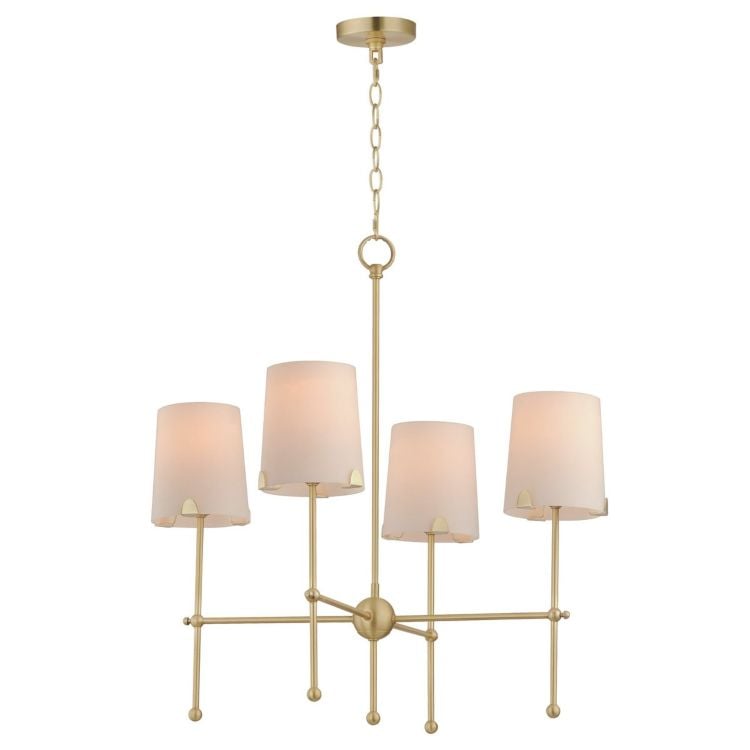
Alabama lighting walks the fine line between Southern elegance and practical functionality. Chandeliers say "I host the best Sunday dinners" while ceiling fans whisper "but I'm not paying extra on my power bill for your comfort."
Local Luminaries Say: "My great-grandmother's silver may be in a safe deposit box, but her lighting style lives on in my foyer."
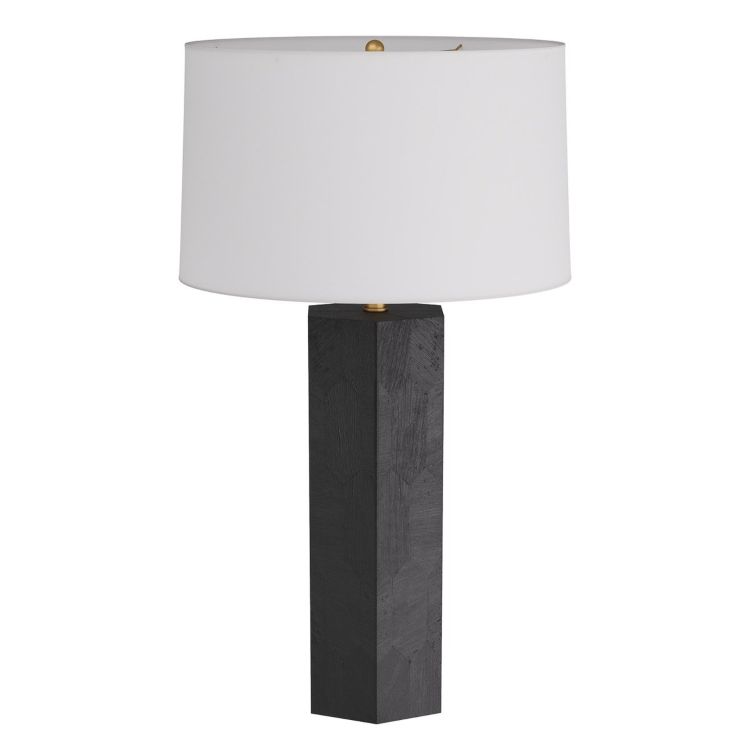
New Orleans lighting doesn't just illuminate rooms—it tells stories of French influence, Spanish heritage, and nights that start with "I'll just have one more." Ornate, slightly mysterious fixtures that look like they've witnessed centuries of secrets are the standard, with bonus points if they vaguely resemble the gas lamps of the French Quarter.
Local Luminaries Say: "If my chandelier doesn't look like it could belong in both a haunted mansion and Architectural Digest, I don't want it."
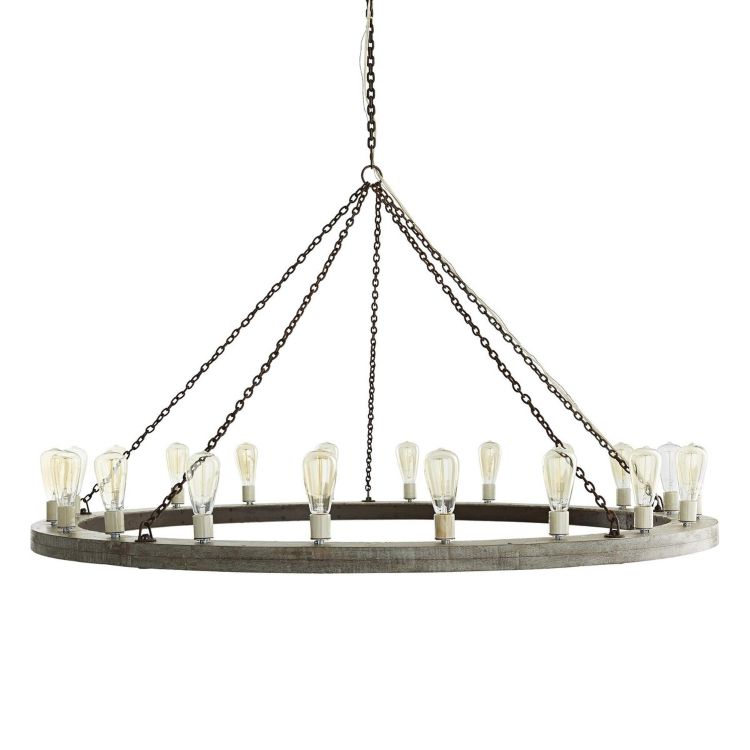
Kentucky lighting bridges bourbon heritage with modern farmhouse aesthetics. Edison bulbs illuminate discussions about horse racing odds, while rustic chandeliers featuring whiskey barrel elements create the perfect backdrop for bourbon tastings. Louisville embraces more urban, contemporary styles, but the state's rural areas prefer fixtures that feel like they've been illuminating the same family homestead for generations.
Local Luminaries Say: "Our lighting should be as smooth and complex as our bourbon—traditional craftsmanship with distinctive character."
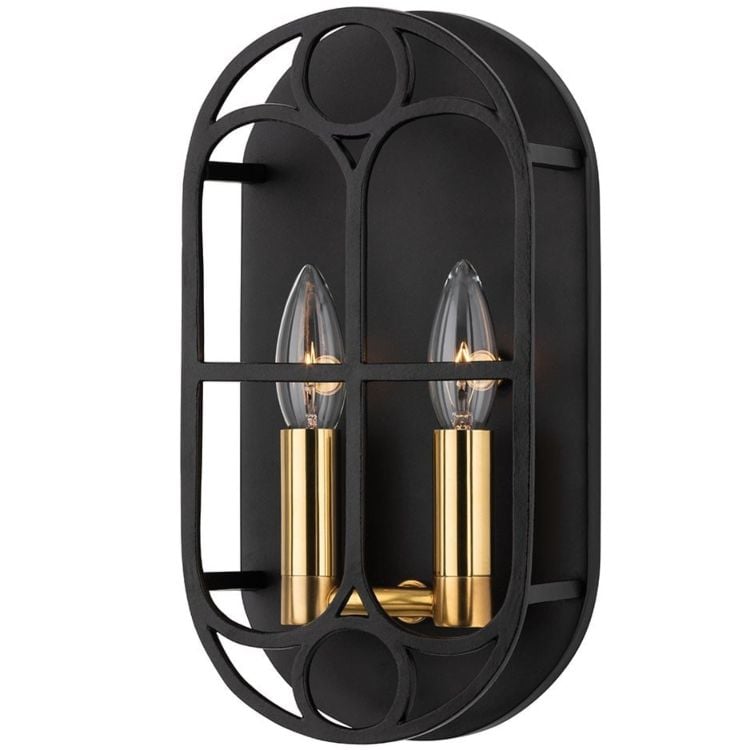
Tennessee embraces industrial-farmhouse hybrids with Nashville adding music-inspired touches—guitar string pendants, drum shade fixtures, and vintage microphone wall sconces are actually a thing. Memphis preferences skew more soulful and eclectic, while the eastern mountains favor rustic simplicity that complements cabin aesthetics.
Local Luminaries Say: "I need my lighting to look good with both my vinyl record collection and my grandmother's heirloom quilts."
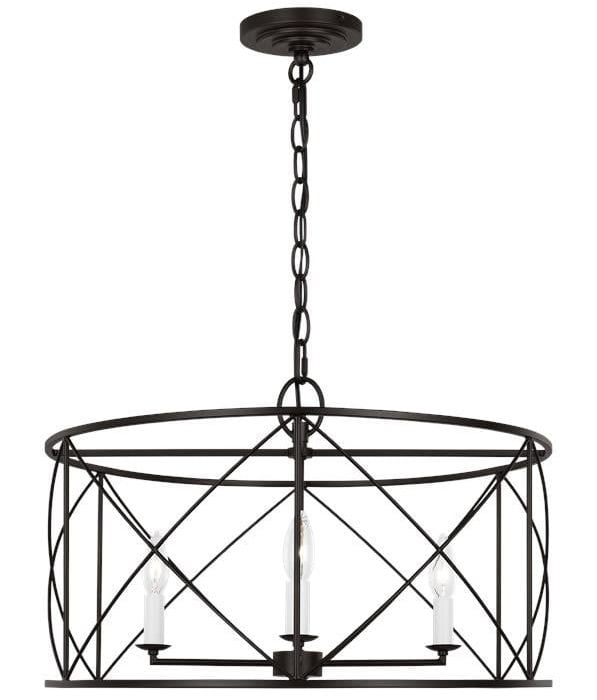
Arkansas embraces simple pendants and practical ceiling fans, with a focus on affordable transitional designs that feel current without chasing trends. Budget-conscious but design-aware, Arkansas lighting choices reflect the state's practical values while still allowing for the occasional statement piece in dining rooms where family gatherings happen.
Local Luminaries Say: "We want lighting that makes our homes look nice without making our neighbors think we're putting on airs."
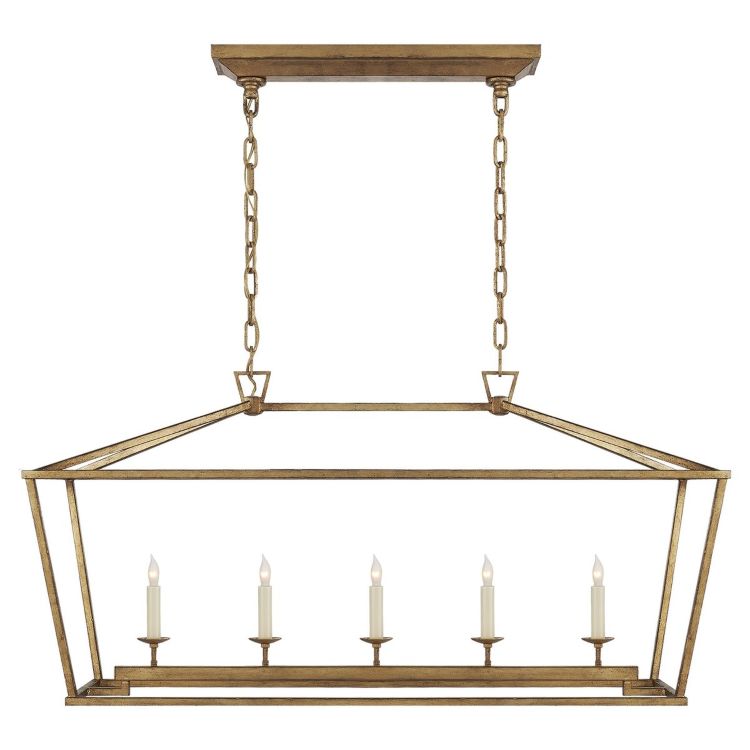
Oklahoma blends southwestern influences with prairie practicality in its lighting choices. Fixtures must withstand tornadoes and oil boom/bust cycles, resulting in durable designs with warm finishes. Rural areas favor rustic simplicity, while cities like Oklahoma City and Tulsa incorporate more contemporary elements with traditional southwestern touches.
Local Luminaries Say: "Our lighting should be as resilient as we are—able to weather any storm, literal or economic, while still looking like somewhere you'd want to gather for Sunday dinner."
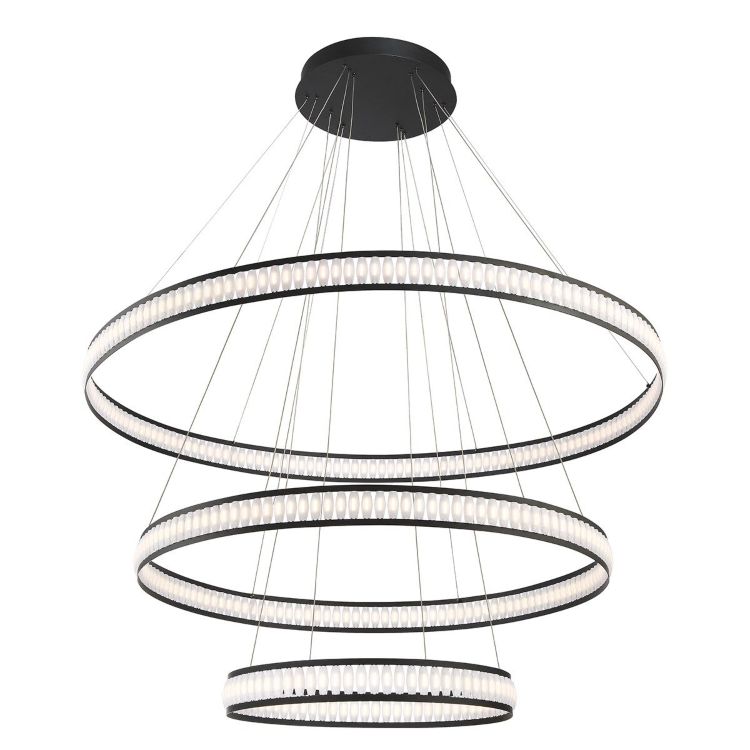
Texas lighting follows the "everything's bigger" principle—oversized chandeliers, dramatic pendants, and statement pieces that command attention dominate in a state where subtlety is for other, lesser states. Western influences meet contemporary design in fixtures that incorporate natural leather, horn, and iron elements, especially in ranch-style homes.
Local Luminaries Say: "If your entryway chandelier doesn't require special installation and additional ceiling support, are you even really Texan?"
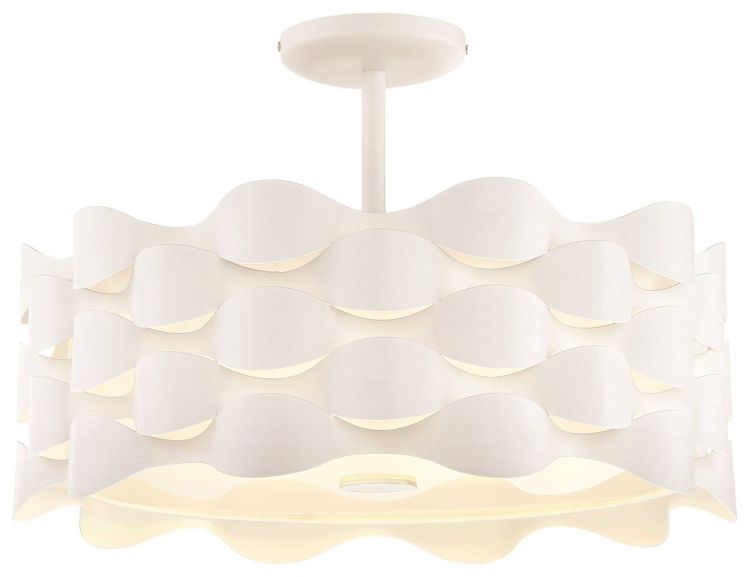
Florida embraces lighting that works as hard as its air conditioning. Contemporary coastal fixtures illuminate conversations about homeowners' association disputes and the latest hurricane tracking app. More money is spent on outdoor lighting than the national average because nocturnal gator spotting is a legitimate concern.
Local Luminaries Say: "My outdoor lighting needs to handle salt air, withstand hurricanes, and discourage both alligators and overly friendly tourists."
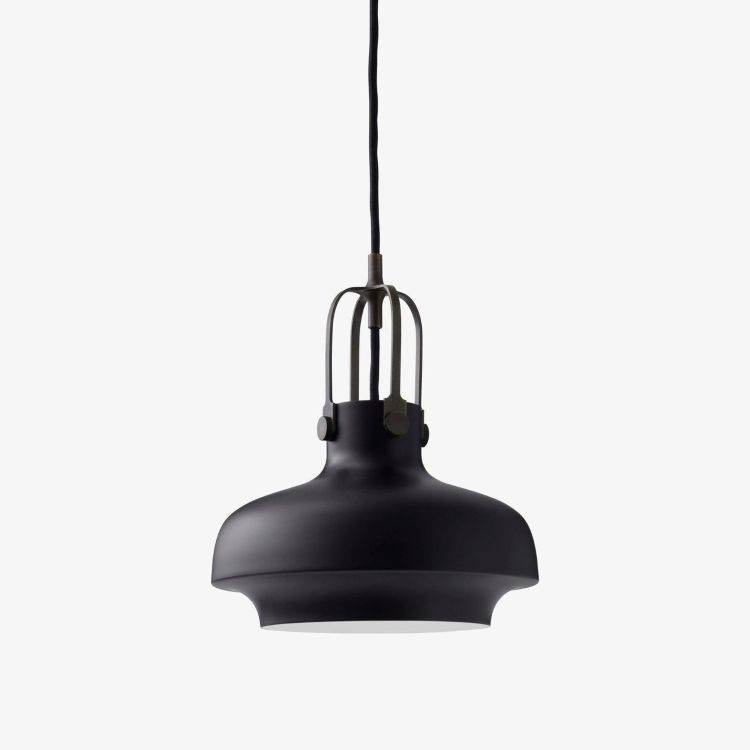
Ohio blends industrial heritage with modern sensibilities, creating lighting designs that are as hardworking as its residents. Cleveland and Cincinnati homes feature fixtures that nod to manufacturing roots—think steel and glass pendants that would look at home in a renovated factory—while Columbus embraces a more contemporary approach with clean lines and subtle sophistication.
Local Luminaries Say: "I need my lighting to be practical enough for everyday life but nice enough for when the in-laws visit from the fancy side of the state."
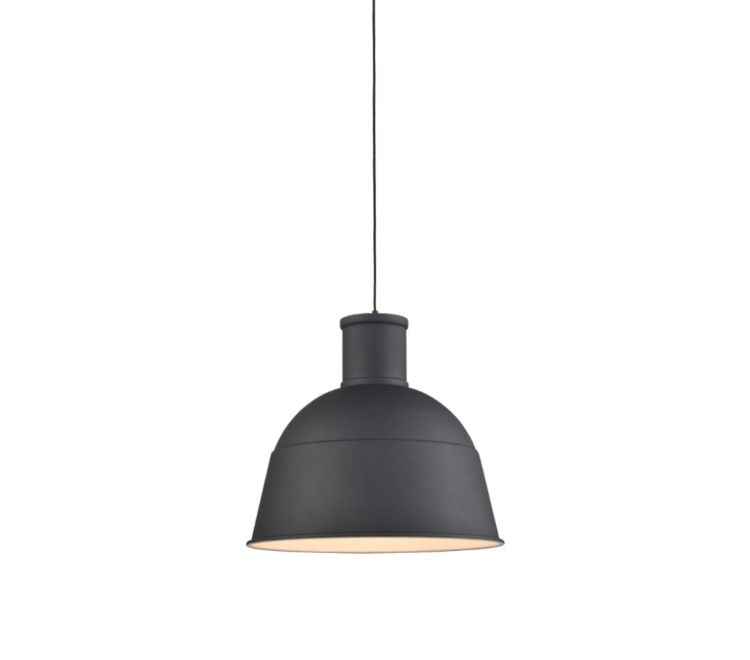
Indiana embraces modern farmhouse aesthetics more enthusiastically than the national average, with black metal fixtures against white backgrounds creating contrast that's bolder than a Hoosier's basketball loyalty. Edison bulbs aren't just a trend here—they're practically a state emblem.
Local Luminaries Say: "If my pendant light doesn't look good during both harvest season and basketball season, it's not the right one for my home."
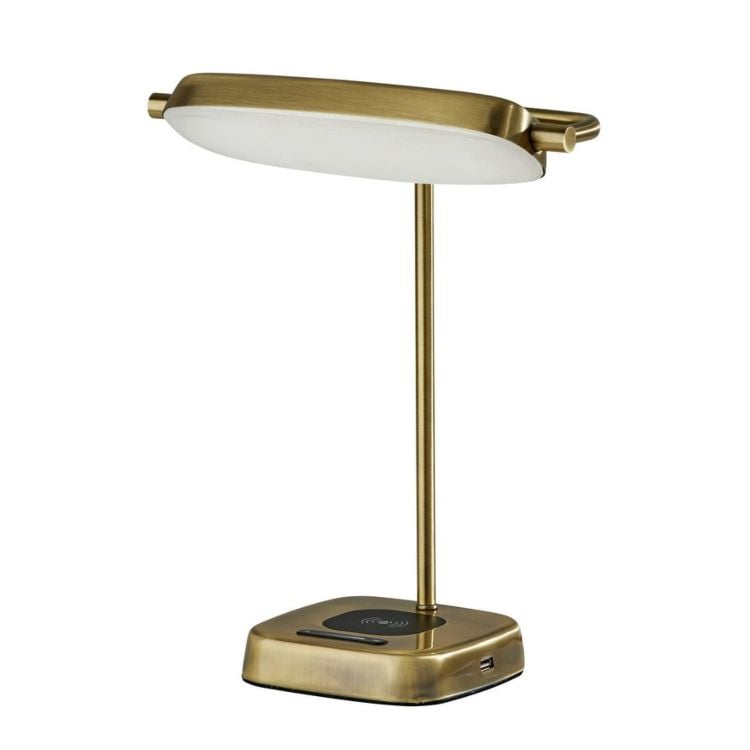
Chicago's architectural lighting celebrates the city's design legacy with geometric forms and smart technology, while downstate Illinois embraces warm, approachable fixtures that wouldn't look out of place in a Frank Lloyd Wright prairie home. The dividing line seems to be whether your lighting fixture could convincingly appear in an architecture magazine.
Local Luminaries Say: "My Chicago apartment's lighting scheme has its own Instagram account, while my parents' farmhouse still has fixtures my dad installed when rotary phones were still a thing."
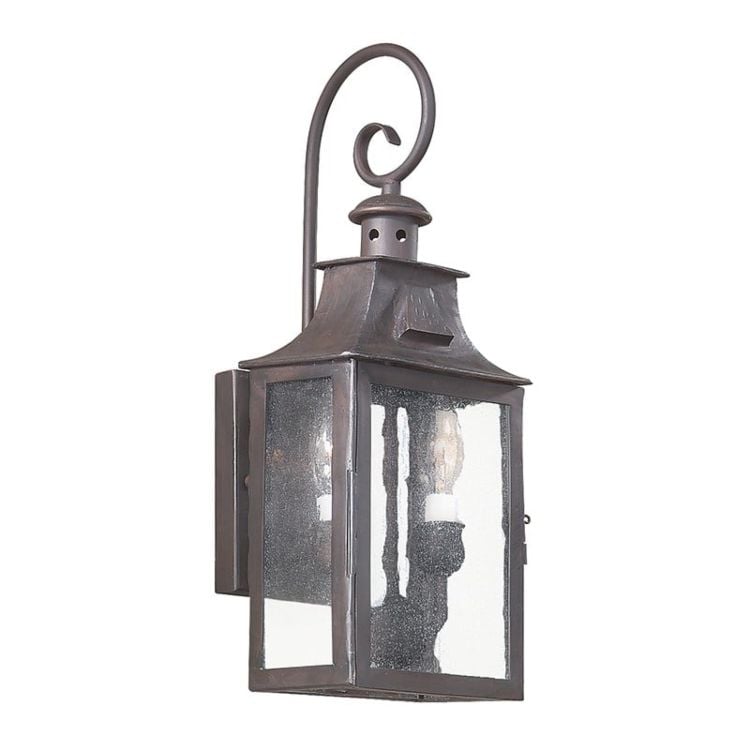
Michigan's lighting choices are as diverse as its geography, with Detroit embracing industrial chic while lake houses feature fixtures that could have been salvaged from a particularly stylish shipwreck. Blue accents remind visitors of the state's watery borders, while practical design ensures they'll still work after the worst winter storm.
Local Luminaries Say: "We need fixtures sturdy enough to withstand both Lake Effect snow and enthusiastic Michigan vs. Ohio State viewing parties."
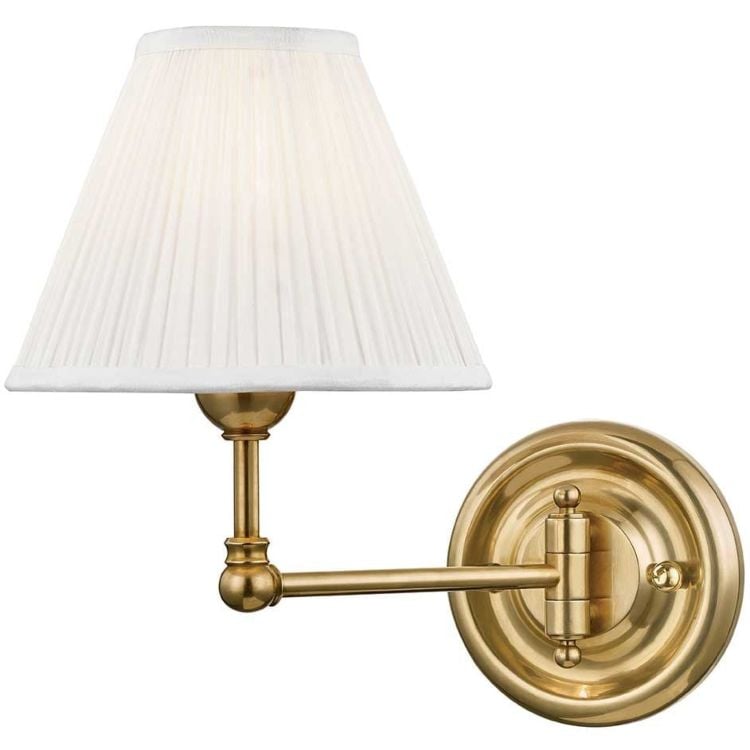
Wisconsin's lighting approach is like its cheese—traditional, comforting, and pairs well with beer. Updated farmhouse fixtures illuminate discussions about the Packers and passive-aggressive comments about the neighbors' holiday decorations.
Local Luminaries Say: "Our lighting is like our disposition—warm, inviting, and only slightly dimmed by five consecutive months of winter."
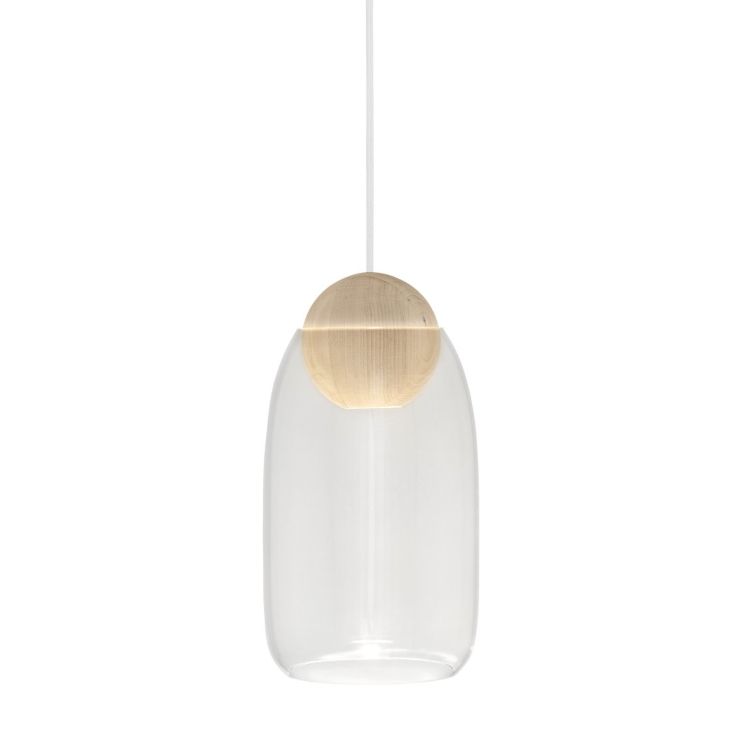
Minnesota's Scandinavian influences show up in clean-lined fixtures that provide maximum light during the state's seemingly endless winter. Energy efficiency isn't just preferable—it's practically a moral imperative, along with never mentioning when it gets cold.
Local Luminaries Say: "Oh, for cute! That fixture provides enough light for clear visibility while remaining tasteful and not making too much of a fuss."
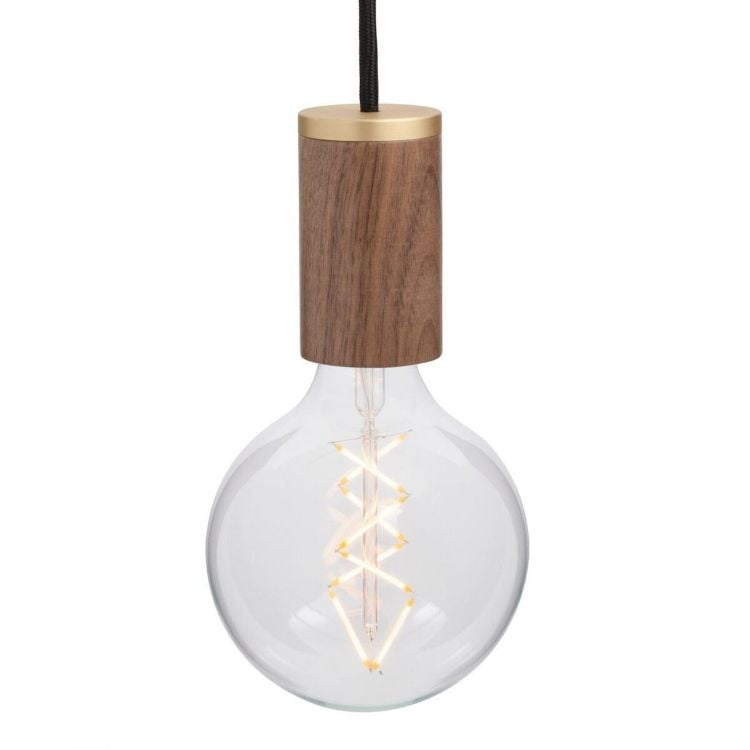
Iowa lighting is as straightforward and reliable as its residents—linear arrangements and simple pendants that value function first, but with just enough design detail to avoid accusations of plainness. Farmhouse fixtures here aren't trendy; they're a legitimate nod to the state's agricultural backbone.
Local Luminaries Say: "Our lighting should be as honest and dependable as the people who live here—no frills, just good, solid fixtures that get the job done."
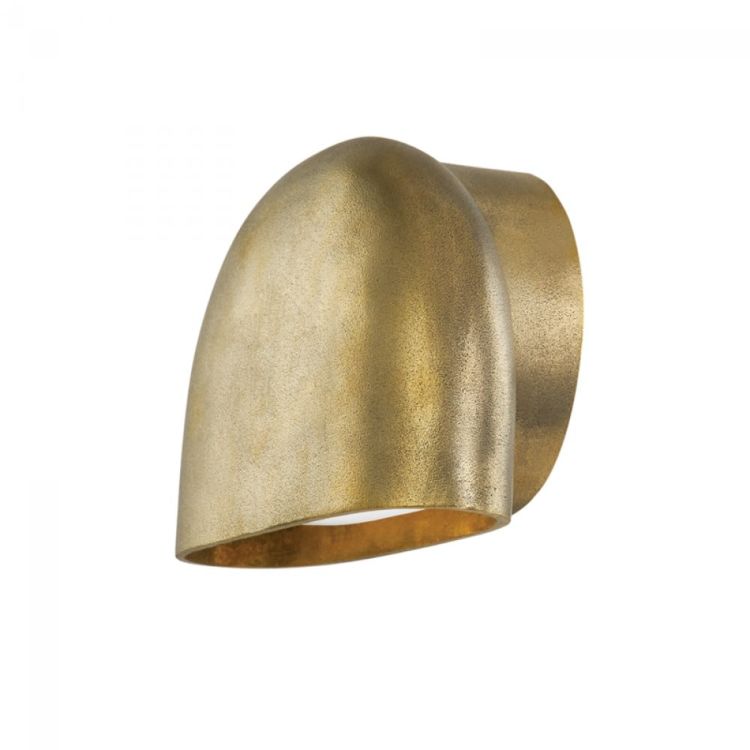
Missouri's split personality shows up in its lighting preferences—urban St. Louis and Kansas City embrace contemporary fixtures with industrial touches, while rural areas maintain a commitment to simplified traditional and farmhouse styles designed for both storm season and football watch parties.
Local Luminaries Say: "If my chandelier wouldn't look right hanging above both a barbecue spread and a formal dinner, it's not Missourian enough."
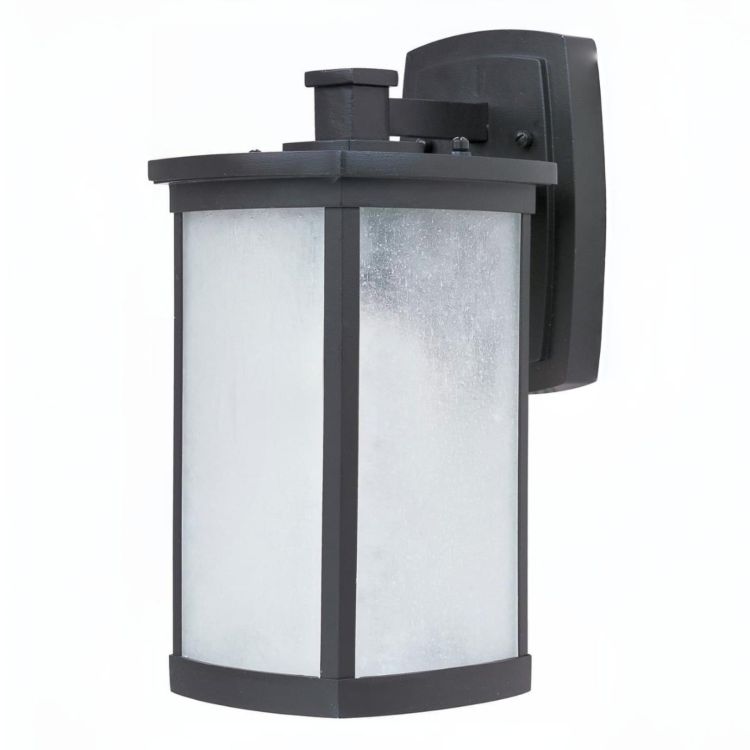
North Dakota takes a no-nonsense approach to lighting that matches its weather extremes—clean-lined fixtures that provide superior illumination during long winter nights while meeting energy efficiency standards that match residents' practical values. If a fixture can't handle -30°F temperature swings, it doesn't belong here.
Local Luminaries Say: "We need our lighting to work as hard as we do. No unnecessary frills, just good, honest illumination that doesn't quit when January hits."
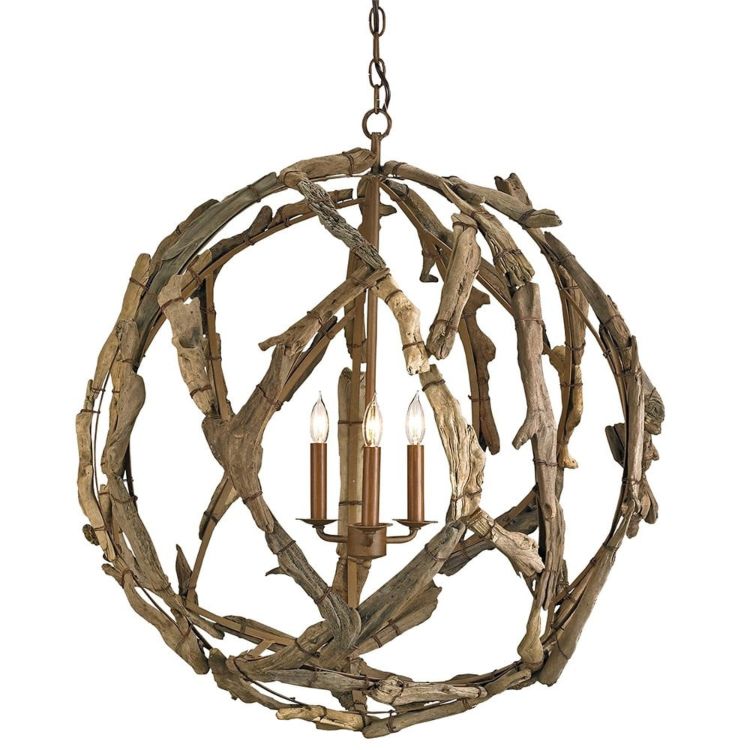
South Dakota's lighting preferences differ from east to west—the eastern portion takes cues from Great Lakes practical sensibilities, while western regions embrace rustic mountain aesthetics with natural materials and warm metallics. The common thread is understated fixtures that don't overwhelm the state's natural beauty.
Local Luminaries Say: "Our lighting should be like our state—impressive without having to show off about it."
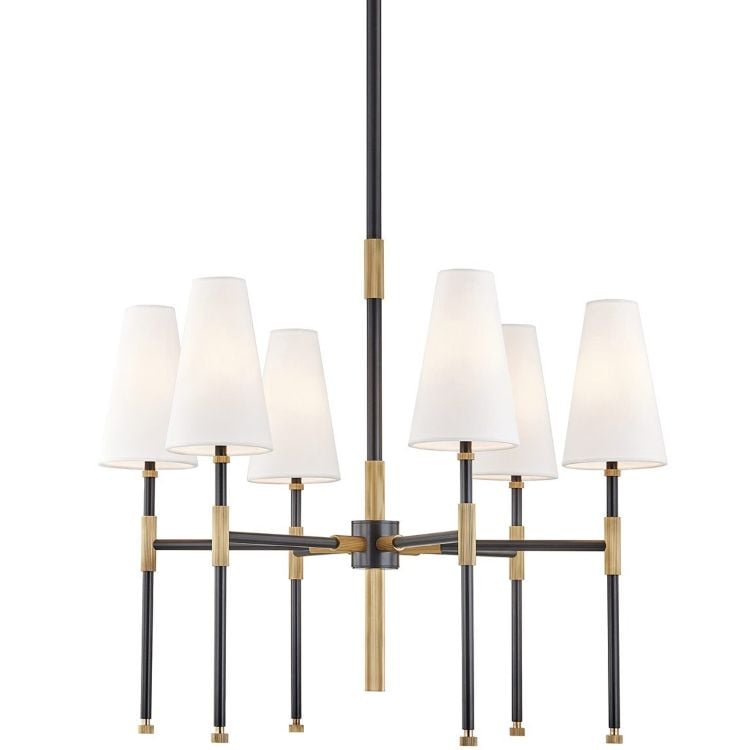
Nebraska embraces transitional fixtures that bridge traditional and contemporary sensibilities, with clean lines and mixed metal finishes creating a versatile aesthetic. Omaha pushes toward more urban contemporary styles, while rural areas favor simpler designs with warm, ambient lighting that makes even the coldest winter evening feel hospitable.
Local Luminaries Say: "Good Nebraska lighting should be like a good Nebraska neighbor—reliable, not too showy, but there when you need it."
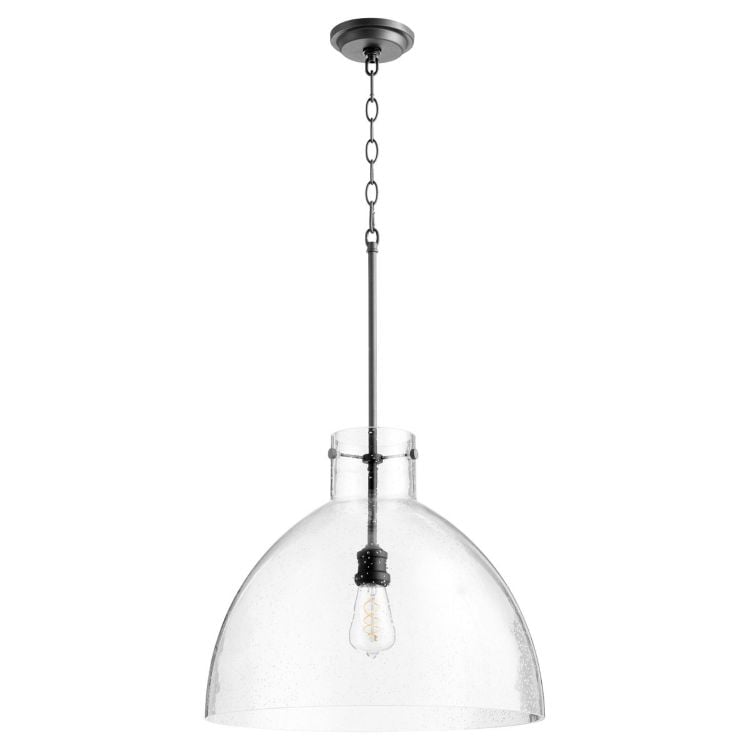
Kansas combines farmhouse aesthetics with practical fixtures that can withstand the state's dramatic weather patterns. Black metal finishes and clear glass pendants illuminate homes where residents pride themselves on finding the perfect balance between budget-conscious choices and modern design sensibility.
Local Luminaries Say: "Our fixtures need to look good during a tornado warning and a sunflower season dinner party. That's just how we roll."
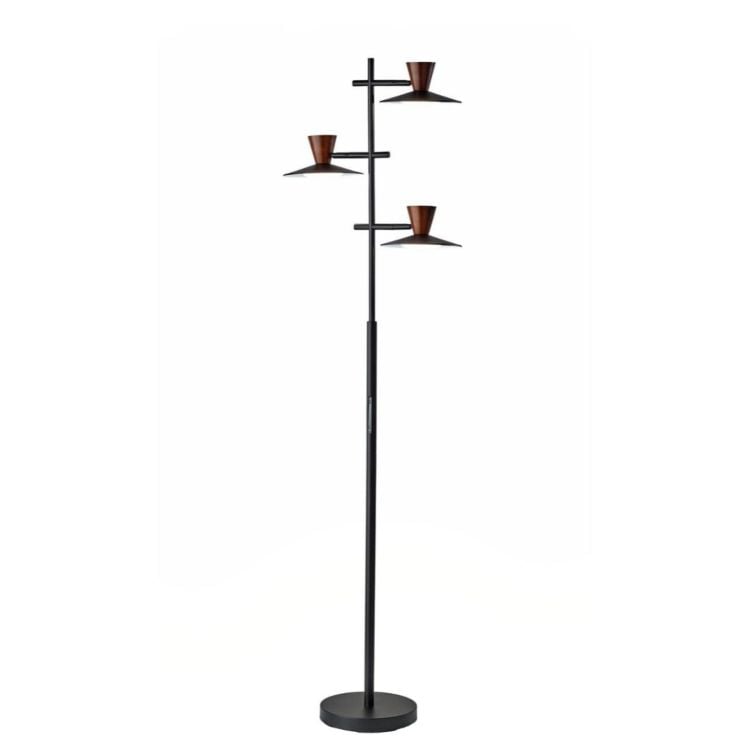
Californians don't just choose lighting—they curate an experience that seamlessly transitions from indoor Zoom calls to outdoor taco nights. Silicon Valley homes feature smart lighting systems that can be controlled by AI assistants named after Greek gods, while LA fixtures are chosen based on how well they'll photograph for Instagram.
Local Luminaries Say: "My lighting system is carbon-neutral, syncs with my meditation app, and was recommended by my shaman."
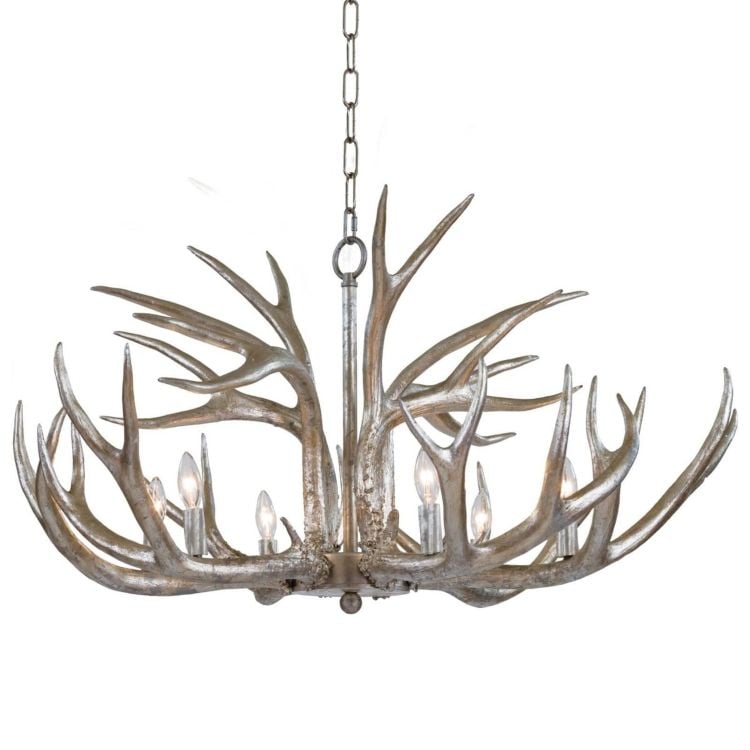
Montana lighting is like its residents—sturdy, unfussy, and not afraid of the dark. Fixtures often incorporate antlers, iron, and enough wattage to spot a moose at 100 yards. Statement pieces are measured not by their price tag but by how many authentic ranch stories they can inspire.
Local Luminaries Say: "That chandelier? Made it myself after a particularly successful elk season. The wiring was tricky but nothing compared to field dressing in a blizzard."
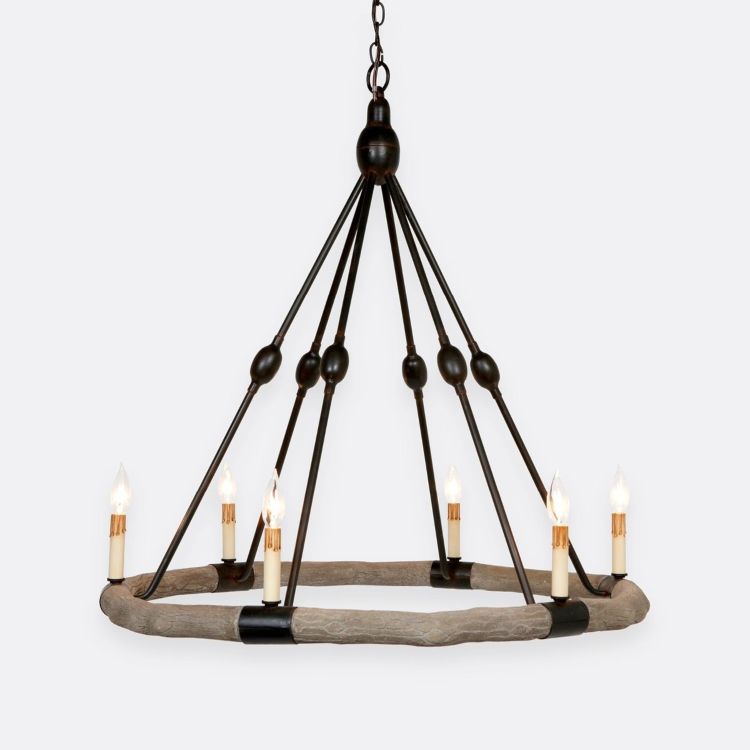
Idaho's lighting preferences are as diverse as its landscape—from Boise's Northwest contemporary styles to the mountain lodge aesthetics of Sun Valley. What unites them is a commitment to natural materials and straightforward designs that won't distract from spectacular views or potato-based discussions.
Local Luminaries Say: "We want lighting that makes our famous potatoes look good on the dinner table but doesn't overshadow the mountain views from our windows."
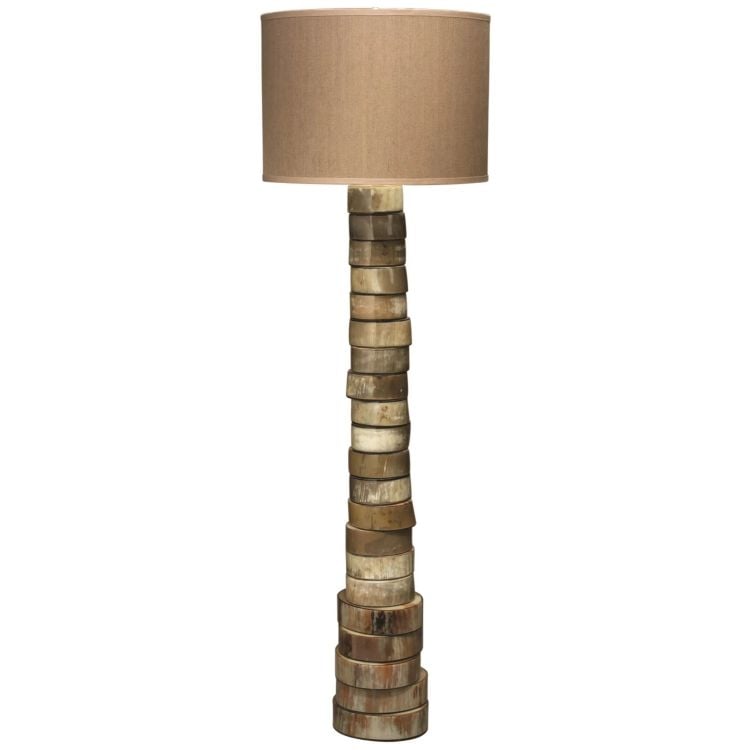
Wyoming embraces lighting that feels like it belongs on a luxury ranch—rugged yet refined, with natural materials including antlers, horn, and wrought iron. Statement chandeliers illuminate discussions about land conservation and the best fly fishing spots, all designed to look like they've been illuminating the same family ranch for generations.
Local Luminaries Say: "If it wouldn't look at home in both a millionaire's Jackson Hole retreat and a working ranch house, it's probably not Wyoming lighting."
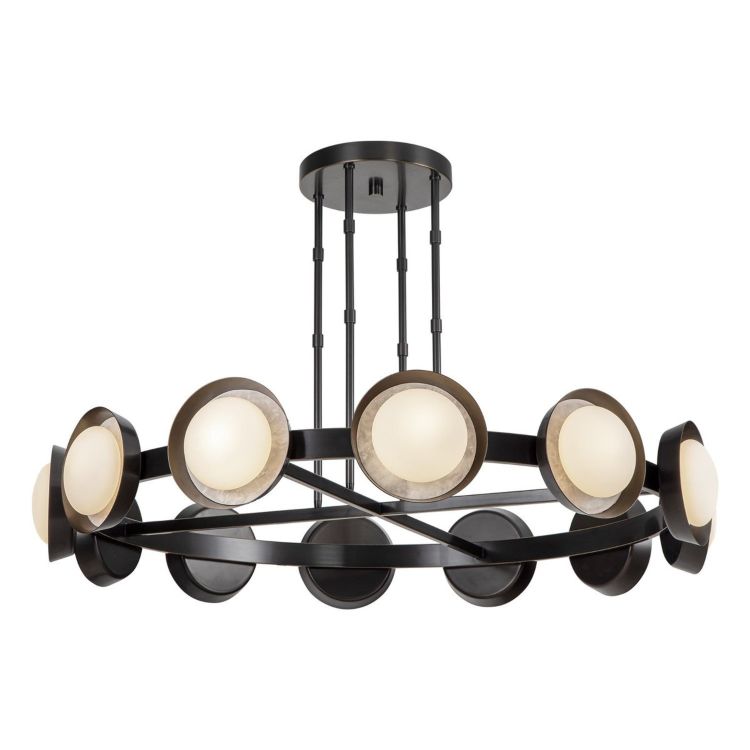
Colorado lighting must serve two purposes: complement stunning mountain views and look good in the background of homebrew tastings. Denver embraces urban contemporary while mountain towns feature fixtures made from repurposed ski equipment and antlers from ethically sourced, free-range elk.
Local Luminaries Say: "Yes, my dining room pendant is made from my old mountain bike parts. It's both upcycled and a conversation starter about that time I did the Triple Bypass ride."
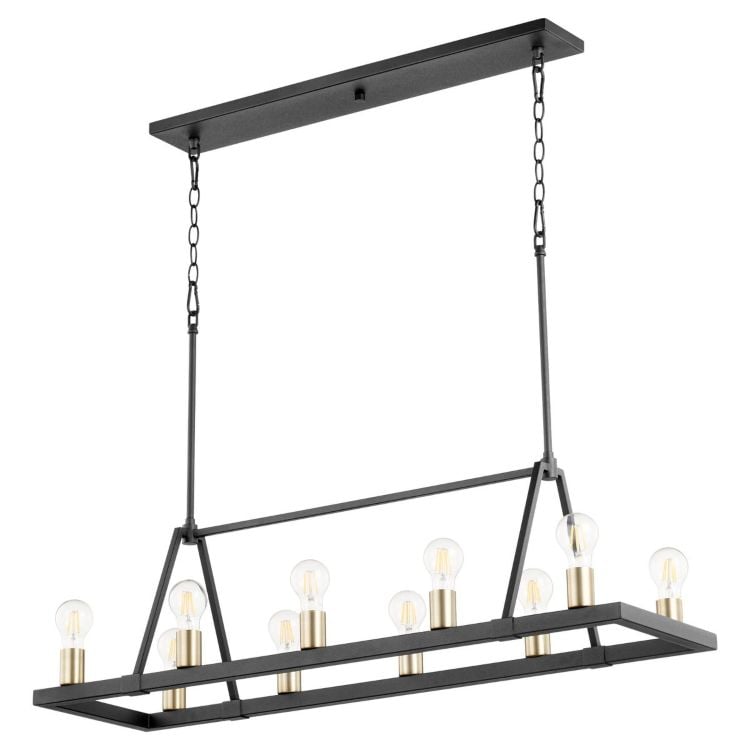
Utah combines clean contemporary lines with mountain modern aesthetics, emphasizing smart home integration that would make early settlers proud of their innovative descendants. Fixtures that bridge functional family needs with architectural sophistication dominate in a state where tech-forward thinking meets traditional values.
Local Luminaries Say: "Our lighting needs to work for big family dinners and still look sophisticated enough for when we host the neighborhood get-together."
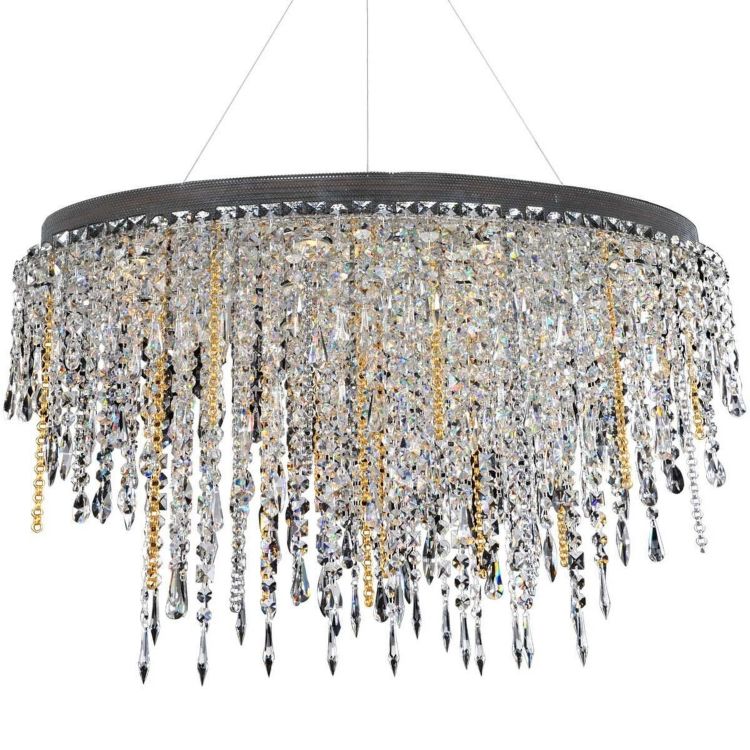
Nevada's lighting is a study in contrasts—Las Vegas embraces dramatic statement pieces that wouldn't look out of place in a casino, while the rest of the state favors desert-inspired fixtures with warm metallics and southwestern influences. The common thread is lighting designed to create an oasis, whether from desert heat or tourist crowds.
Local Luminaries Say: "In Vegas, our lighting needs to say 'what happens here stays here.' In the rest of Nevada, it needs to say 'please stay away, we like our solitude.'
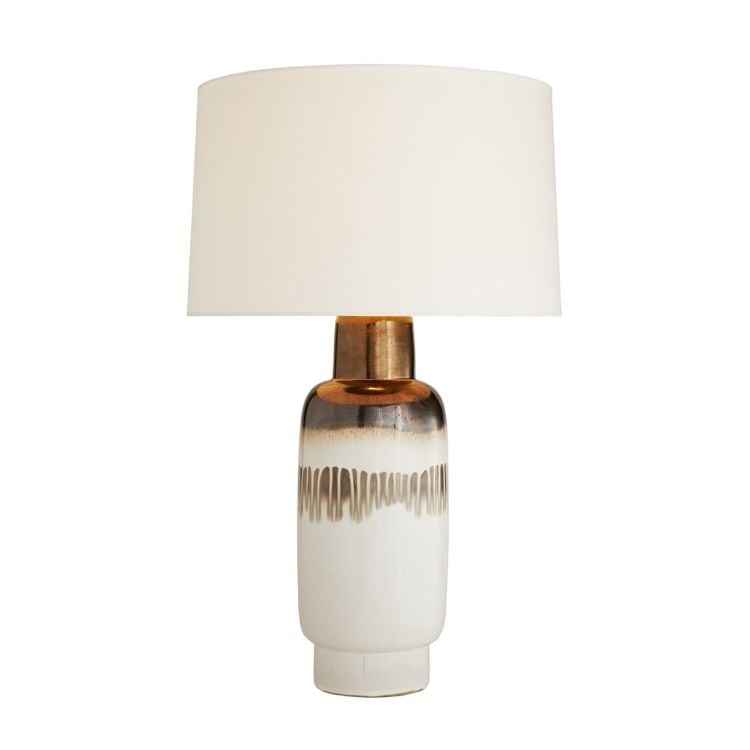
Arizona's lighting marries desert modern with southwestern influences—warm metallics, natural materials, and designs that transition seamlessly between indoor and outdoor living. Energy-efficient ceiling fans with integrated lighting aren't just a preference; they're essential in a state where cooling comes before aesthetics (but only slightly).
Local Luminaries Say: "Our lighting should be like our residents—able to function perfectly in 115-degree heat without complaining about it."
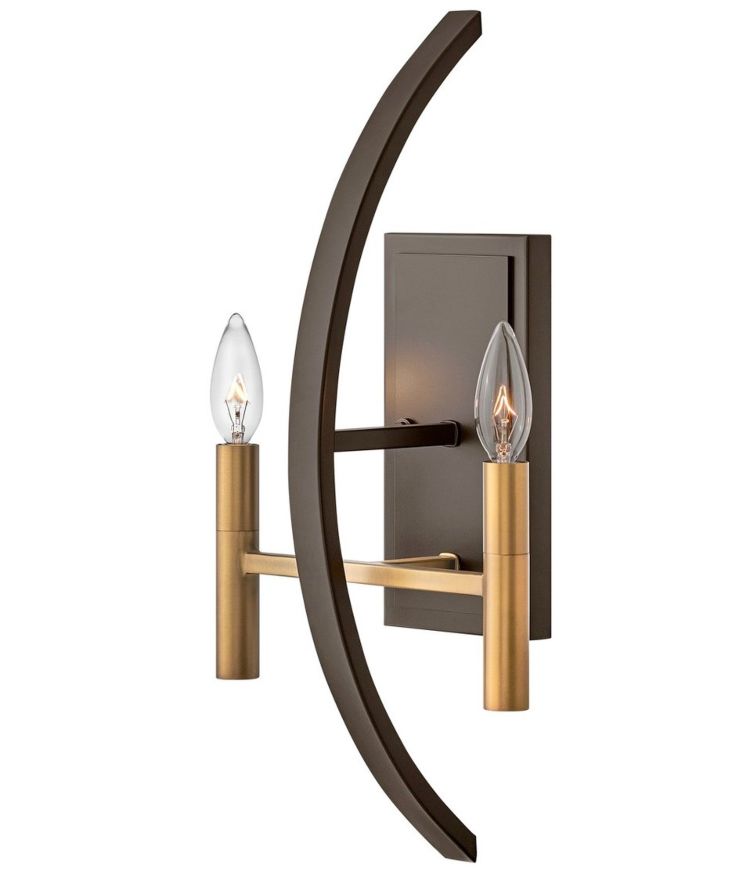
New Mexico owns its distinctive southwestern style more confidently than any other state, embracing fixtures influenced by Spanish colonial, Native American, and adobe architectural traditions. Warm, ambient lighting showcases adobe walls, while iron fixtures and natural materials create a sense of place impossible to replicate elsewhere.
Local Luminaries Say: "We were doing desert-chic lighting before it was cool. The rest of the country is just catching up to what Santa Fe has known for centuries."
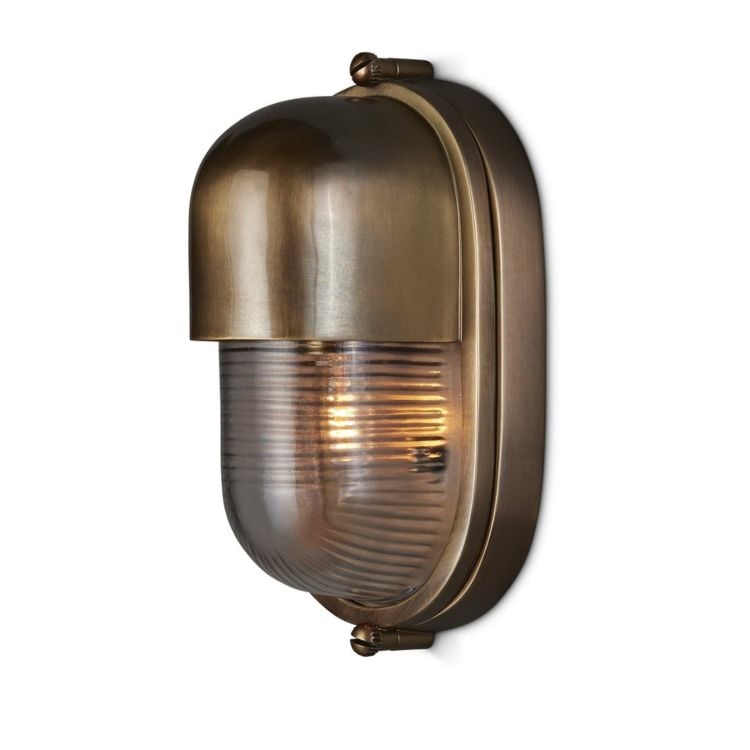
Oregon's lighting reflects its environmental consciousness and artistic spirit. Portland embraces quirky, artistic fixtures made from recycled materials, while coastal areas feature fixtures inspired by maritime heritage. What unites them is a preference for sustainable materials and artisanal craftsmanship, preferably from a maker you met at the local farmers market.
Local Luminaries Say: "Yes, my pendant lights are made from reclaimed timber salvaged from a historic bridge. And yes, I personally know the artisan who made them—we're in the same kombucha brewing co-op."
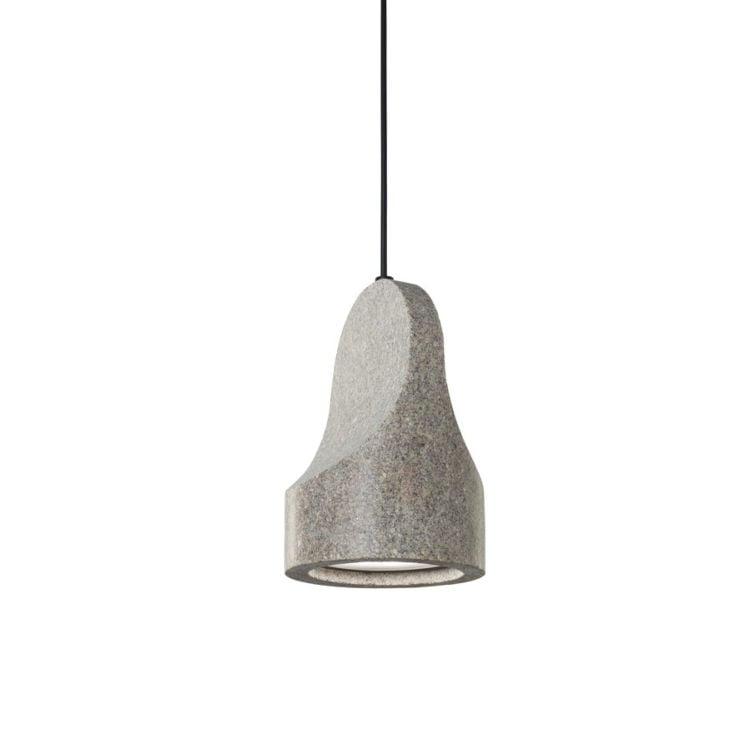
Washington state embraces clean-lined contemporary fixtures with natural elements—designs that work equally well in Seattle's tech offices and mountain cabins. Smart lighting adoption outpaces the national average here, where tech-forward functionality meets Northwestern practicality for those long, rainy days when natural light is just a distant memory.
Local Luminaries Say: "Our lighting needs to be smart enough to program itself during the nine months of clouds and rain, while making those precious sunny days feel even more special."
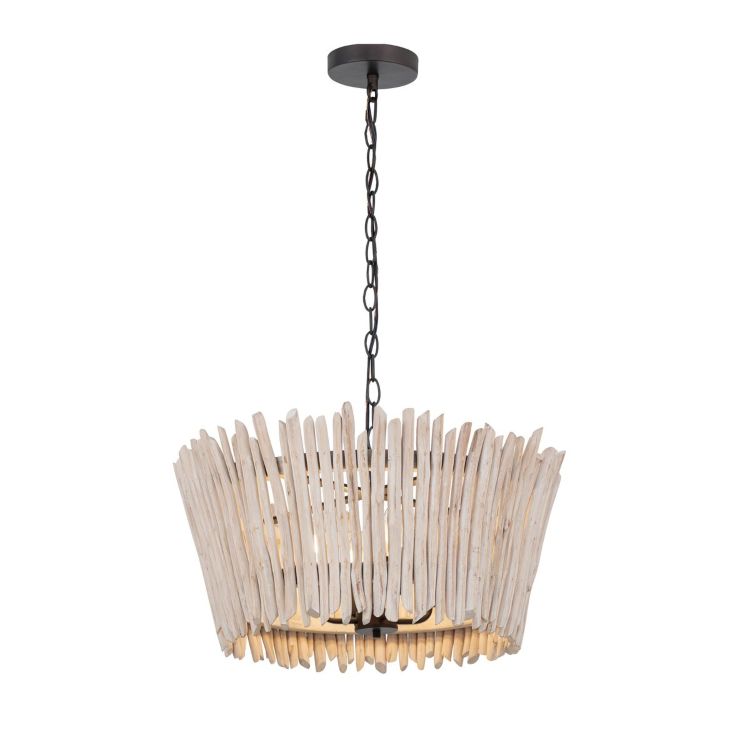
Alaska's lighting does heavy lifting during the long winter months, with fixtures designed to create warmth both literally and figuratively. Statement pieces often incorporate natural materials like antlers or driftwood, while providing enough illumination to combat darkness that can last all day during winter months.
Local Luminaries Say: "When the sun disappears for months, your lighting choices aren't just decor—they're essential mental health tools with decorative benefits."
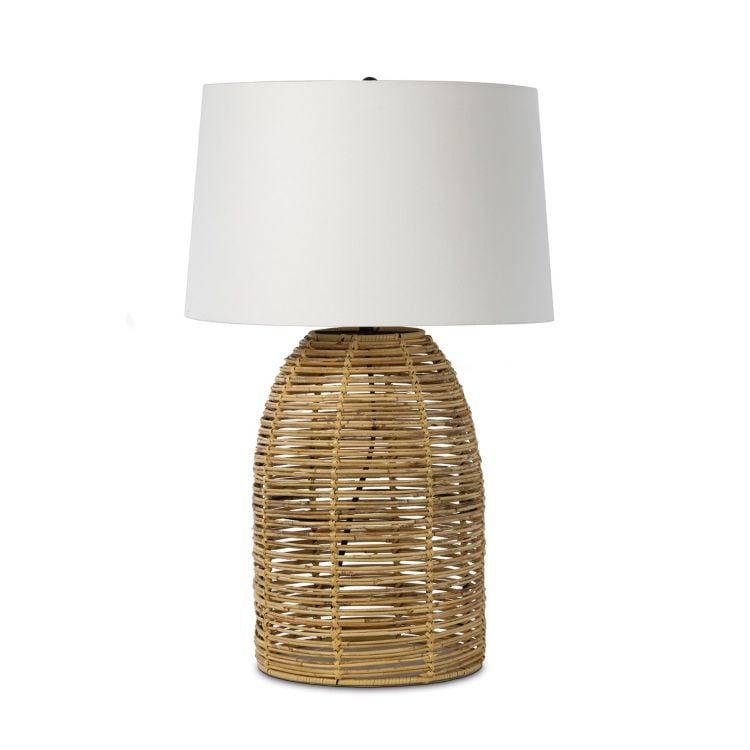
Hawaii's lighting prioritizes the seamless transition between indoor and outdoor spaces, featuring natural materials like rattan, bamboo, and other tropical elements. Fixtures feel airy and organic, designed to complement rather than compete with the islands' natural beauty while facilitating the indoor-outdoor lifestyle that mainlanders can only dream about.
Local Luminaries Say: "Our lighting should feel like a gentle ocean breeze—present but not overpowering, and reminiscent of nature in every way."
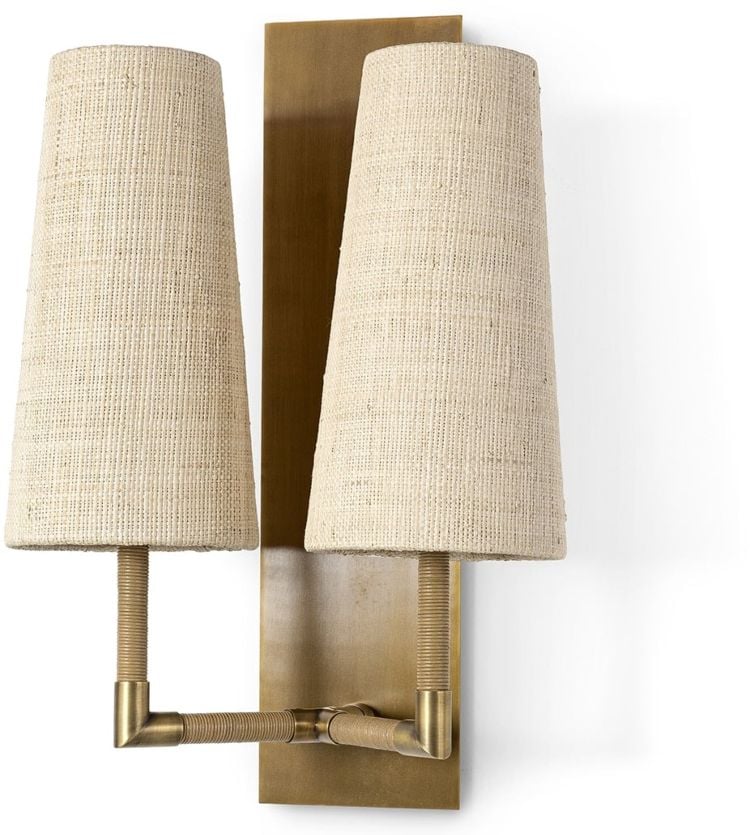
Delaware blends coastal influences with colonial traditions, creating a lighting profile that feels simultaneously historic and fresh. Transitional chandeliers and coastal-inspired pendants illuminate conversations about tax advantages and beach traffic, with brightness levels carefully calibrated to flatter guests during dinner parties.
Local Luminaries Say: "Our lighting should be like our state—small enough to feel intimate but sophisticated enough to be taken seriously."
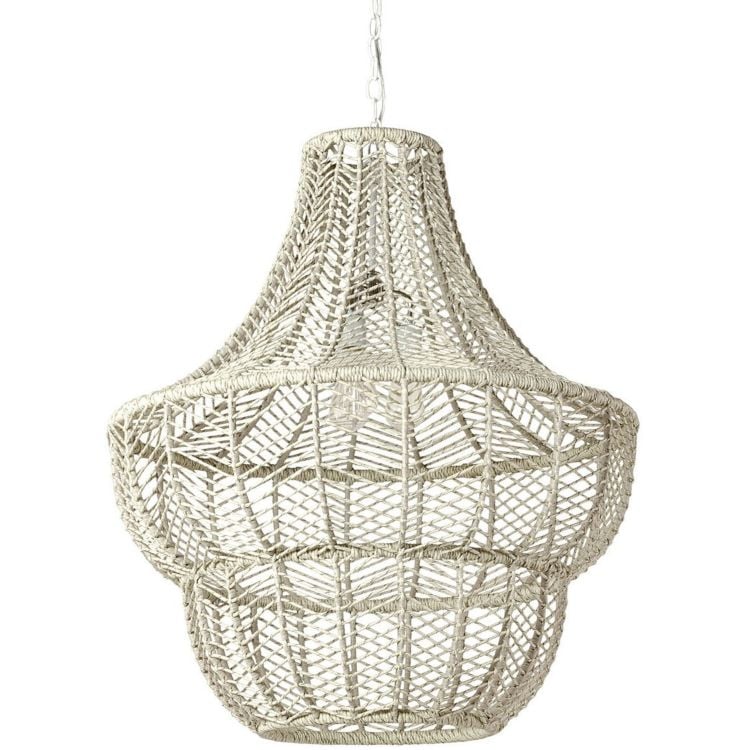
Maryland embraces its colonial history through updated traditional fixtures while incorporating coastal influences, particularly around the Chesapeake Bay. Baltimore's urban areas feature industrial elements that nod to the city's manufacturing past, while suburban areas prefer polished fixtures that wouldn't look out of place in a D.C. power dining room.
Local Luminaries Say: "I need my lighting to look good with both steamed crabs on the table and when the neighbors from the Hill come over for cocktails."
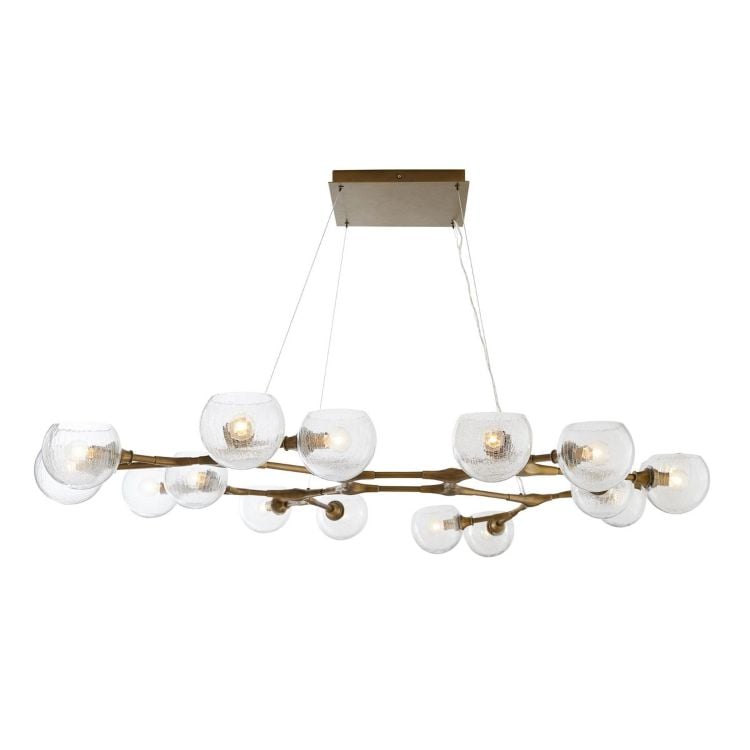
Virginia's lighting tells the story of its complicated identity—Northern Virginia embraces transitional fixtures that wouldn't look out of place in neighboring D.C., while coastal regions prefer nautically-inspired designs. Throughout the state, traditional chandeliers and updated colonial sconces illuminate homes where history is discussed as if it happened yesterday.
Local Luminaries Say: "Our fixtures need to be dignified enough for homes near Monticello but updated enough that Jefferson himself would approve of the innovation."
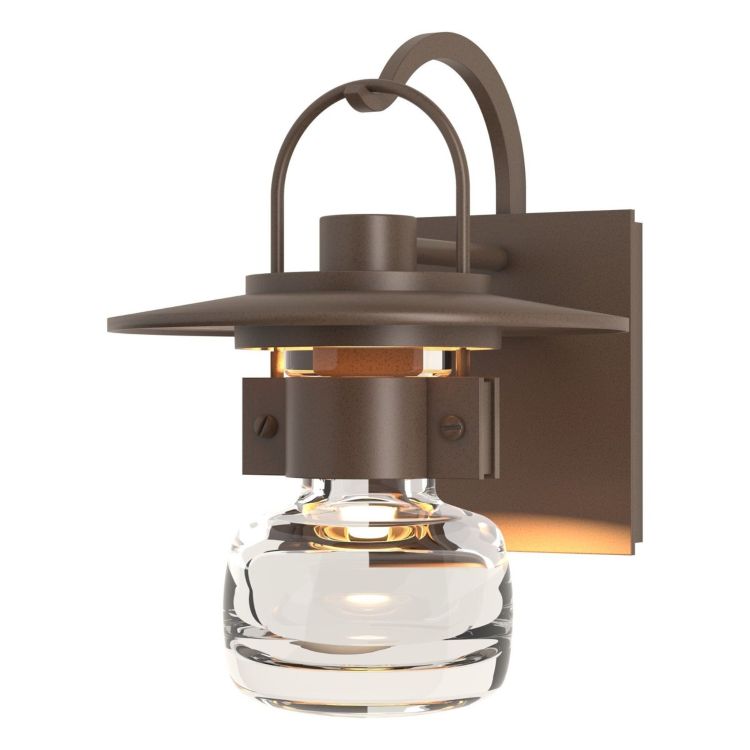
West Virginia embraces rustic-industrial hybrids that pay homage to the state's mining heritage while functioning perfectly in mountain homes. Wrought iron, warm metals, and wood elements feature prominently, creating spaces that feel simultaneously tied to history and ready for whatever the future holds.
Local Luminaries Say: "We want lighting that's as strong and resilient as the people who live here—nothing fancy, just honest fixtures that get the job done beautifully."
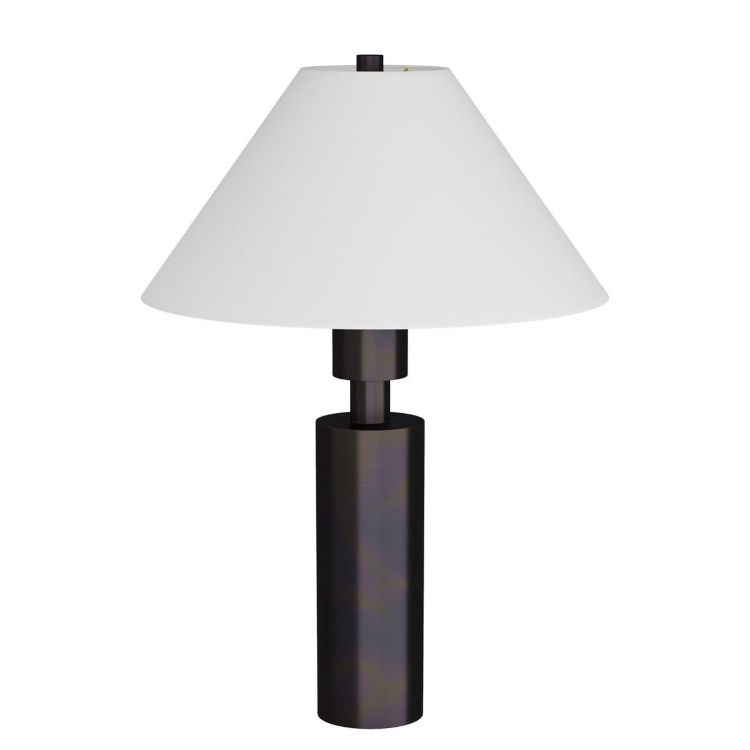
North Carolina's urban areas like Charlotte and Raleigh embrace contemporary fixtures with traditional touches, while coastal regions prefer relaxed designs with natural materials. What unites them is an appreciation for craftsmanship—this furniture-making state knows quality construction when it sees it, even in lighting.
Local Luminaries Say: "Between Charlotte's banking money and our furniture heritage, we expect our lighting fixtures to have the same quality as a North Carolina-crafted dining table—built to last generations."
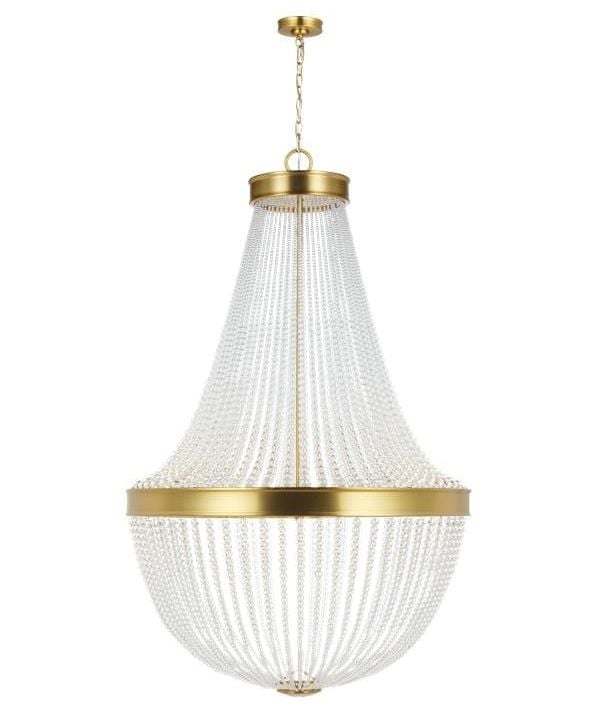
South Carolina lighting reflects its coastal-southern identity, with Charleston's historic district featuring authentic reproduction fixtures while vacation areas embrace casual coastal elements. Rattan, seagrass, and aged brass create the perfect backdrop for discussions about family recipes and beach house rentals.
Local Luminaries Say: "Our lighting should have the same gracious, slightly weathered elegance as Charleston itself—nothing too new or shiny, please."
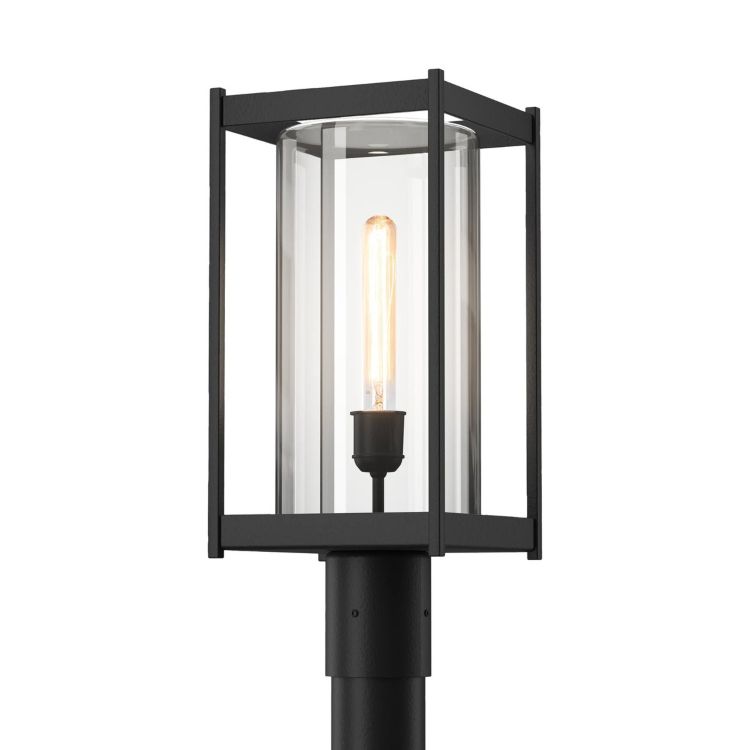
Mississippi embraces classic ceiling fans with globe lights and bronze finishes, where function meets enduring style in every room. The state's traditional lighting sensibilities reflect a preference for timeless choices over trends, with warm finishes and glass shades creating welcoming spaces for legendary Southern hospitality.
Local Luminaries Say: "We want lighting that's as timeless as our traditions and as welcoming as our front porches."
Americans might disagree on everything from pineapple on pizza to thermostat settings, but we're increasingly united in our lighting priorities: smart technology, energy efficiency, and fixtures that multitask harder than a parent working from home during a pandemic.
While our survey revealed that 53.1% of respondents might change their lighting style after relocating, a stubborn 32.1% would maintain their preferred aesthetic even if they moved from Maine to Arizona—proving that you can take the person out of their region, but you can't take the regional lighting preferences out of the person.
Bright Insight: Table and floor lamps (42.8%) remain America's most commonly purchased lighting, proving that despite all our technological advances, we still value the ability to turn off a light during an argument dramatically.
Whether you embrace your region's lighting personality or rebel against it, understanding these trends helps you make more informed choices about the fixtures that illuminate your day-to-day life. After all, lighting isn't just about seeing—it's about creating the perfect backdrop for life's most memorable moments, from family dinners to Netflix marathons.
And remember—in a world full of design trends that come and go faster than you can say "open concept floor plan," your lighting choices should ultimately reflect what brightens your day and illuminates your life, regardless of your zip code.
Bright Insight: The most common lighting challenge across all 50 states? Finding fixtures that our partners also like, installed correctly the first time, at a price that doesn't require skipping our daily artisanal coffee habit. Some things truly do unite us as Americans.
Ready to embrace your state's signature lighting style or bring a touch of another region into your home? Explore our curated collections featuring the best fixtures that capture each state's unique aesthetic at Lightopia. Visit our Costa Mesa showroom or shop online to find the perfect lighting for your space—from coastal Maine chandeliers to Arizona's desert modern pendants.
Remember: the right lighting doesn't just illuminate your home—it tells your story. Make it a bright one.
Whether you're a proud New Englander who needs nautical sconces worthy of Nantucket or a Texas transplant bringing big Lone Star energy to a small California apartment, Lightopia has fixtures that speak your regional dialect. Our collection spans from Vermont's handcrafted wooden chandeliers to Hawaii's airy rattan pendants, with every state's signature style in between.
We understand that while you can take the New Yorker out of New York, you can't take the sleek metropolitan lighting preferences out of the New Yorker. And that's okay! Our lighting experts are fluent in all 50 state lighting languages, plus the various dialects of mid-century modern, coastal contemporary, and "I just want something that won't make my electricity bill rival my mortgage."
So whether your taste is as traditional as a Georgia peach or as quirky as a Portland food truck, we'll help you find fixtures that feel like home—whatever your definition of "home" might be. Because at Lightopia, we believe everyone deserves lighting that makes them happy, no matter which state issued your driver's license.
Visit us online or in our Costa Mesa showroom, where every day is Illumination Independence Day.
Lighting isn’t the only design choice that reflects where you live, color plays just as powerful a role in shaping how your space feels. In fact, the colors under your feet might be influencing your mood more than you realize. Discover how rug colors impact your well-being, stress levels, and focus—according to 650 licensed therapists. Dive into psychological insights, survey data, and expert-backed tips to help you choose the right rug color for every room in your home. Explore The Psychology of Rug Colors.
THANK YOU!
Your discount code is on its way.
If you don't receive your promo code, please check your email junk or spam folder and click on "Not spam".
Free Shipping
Free standard shipping on all orders within the contiguous USA.
Orders to Canada, Alaska, Hawaii and Puerto Rico will incur additional shipping and handling fees, which will be calculated and presented at checkout. Canadian customers will be charged for all applicable customs duties, taxes, and brokerage fees.
For large, oversize items that require a surcharge above our shipping and freight partners’ standard shipping rates, an Oversize Processing Fee will be calculated in cart.