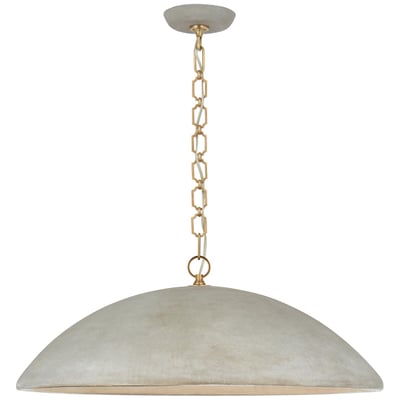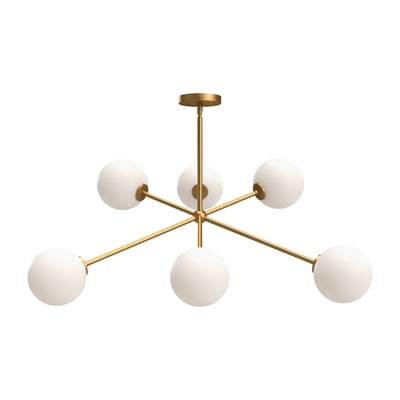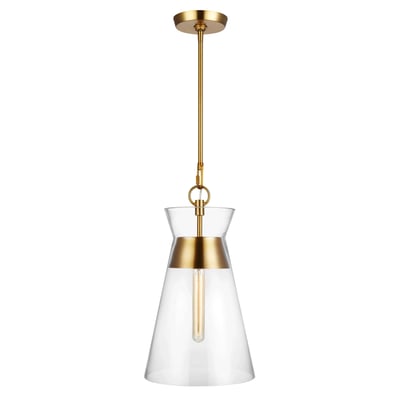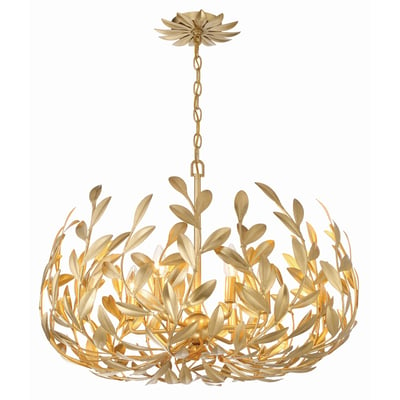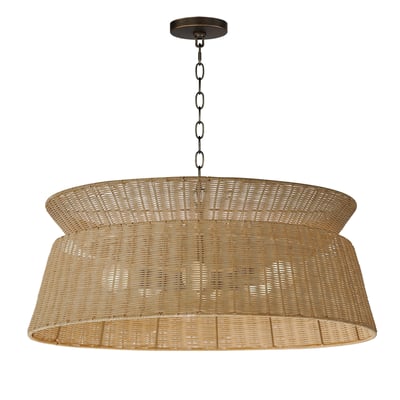

Kitchen sinks are one of the most frequently used work areas in the home, yet lighting above them is often overlooked. Tasks like rinsing produce, washing dishes, and cleaning the sink all require clear visibility, especially in the evening when natural light is limited. Thoughtful over-sink lighting improves both function and design. The right fixture helps illuminate the workspace, prevents shadows, and can add visual interest above the sink or window.
In this guide, we’ll explore practical over kitchen sink lighting ideas, including fixture styles, pendant height recommendations, and task lighting guidelines to help you create a sink area that’s both functional and visually appealing.
The kitchen sink is a true task zone. Unlike general, ambient kitchen lighting, which spreads illumination throughout the room, sink lighting needs to focus directly on a specific workspace. Proper lighting makes it easier to rinse produce, wash dishes, and clean the basin thoroughly.
One of the biggest challenges around sink areas is shadow prevention. In many kitchens, the sink sits beneath cabinets or along a wall, which means overhead lighting from the center of the room may not fully illuminate the work surface. When light comes from behind you, your body can block the illumination and create shadows directly over the sink. Dedicated lighting above the sink helps eliminate these dark areas and improves visibility for everyday kitchen tasks. Clear illumination makes it easier to spot food residue on dishes, see water spots, and keep the sink area clean.
Good sink lighting also contributes to the overall design of the kitchen. Because the sink wall is often a focal point, especially when it sits beneath a window, the fixture above it becomes a visible design element. Choosing lighting that complements the surrounding cabinetry and finishes helps create a cohesive look while still achieving the goal of task lighting practicality.
Pendant lights are a popular choice for kitchen sink lighting because they provide focused illumination while adding a decorative element. Proper installation height is key because it influences both visibility and comfort. A common guideline is to hang kitchen pendants 30 to 36 inches above the sink or countertop surface. This height lets the light shine directly onto the workspace without blocking views across the kitchen.
Ceiling height can also influence the final placement. In kitchens with standard 8-foot ceilings, pendants often sit closer to the lower end of the range. Taller ceilings may require slightly higher placement so the fixture feels proportionate within the space. If the sink sits beneath a window, the pendant should be positioned so it doesn’t interrupt sightlines or block natural light. Many homeowners choose to center the fixture above the faucet, which keeps the lighting balanced while directing light toward the basin.
Fixture size plays a role, too. Larger pendants may need to hang slightly higher to maintain visual balance, while smaller fixtures can sit lower to provide more concentrated light. Adjustable cords or rods can make it easier to fine-tune the final height during installation. Taking the extra few minutes to raise and lower the fixture and visualize the final result will pay off when installation is complete. When installed at the correct height, pendant lighting provides both effective task illumination and a stylish focal point above the sink.
Choosing the right fixture for the kitchen sink area involves balancing size, brightness, and design. The fixture should provide focused illumination while remaining proportional to the sink and surrounding cabinetry. Oversized fixtures can feel intrusive in smaller kitchens, while lights that are too small may not provide enough brightness for task lighting. The width of the fixture should generally align with the sink area for a centered and intentional look.
Brightness and shade design also influence performance. Clear or lightly frosted shades allow more light to pass through, while opaque shades produce a softer glow. At the same time, the fixture should complement the overall kitchen style, since the sink area often acts as a visual focal point.
The following fixture types are among the most practical choices for lighting over a kitchen sink.
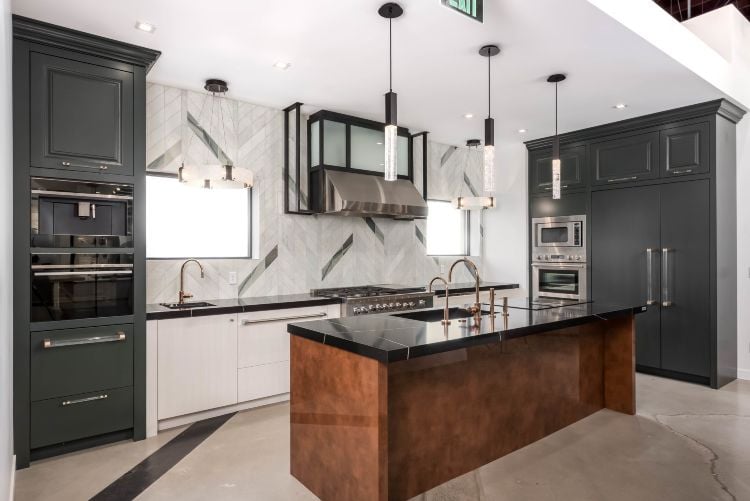
Mini pendants are one of the most common lighting choices for sink areas. Their compact size makes them ideal for single sinks, especially when the sink sits beneath a window or along a smaller section of countertop. When choosing a mini pendant, the diameter of the fixture should remain proportionate to the sink width. A fixture that’s too large can overwhelm the space, while one that’s too small may not provide enough illumination. Glass shades are a popular option because they allow more light to reach the sink basin.
Simple shapes such as globes or cylinders work well in many kitchens and help maintain a timeless look. Because mini pendant lights hang below the ceiling, they naturally direct light downward toward the sink. When installed at the proper height, they provide effective task lighting while also serving as a decorative focal point.

Flush mount lighting is a practical option for kitchens with lower ceilings or layouts where a pendant might interrupt sightlines across the room. These fixtures sit directly against the ceiling and provide strong overhead illumination without extending downward. Flush mounts work especially well in sink areas located along narrow walls or beneath upper cabinets. Their wider light distribution helps brighten both the sink basin and the surrounding countertop.
Fixture size still matters, too. A slightly wider flush mount often produces more even coverage across the sink area than a smaller fixture that concentrates light in one spot. Design options range from simple glass domes to drum-shaped fixtures with subtle metal accents. Because flush mount lighting is so close to the ceiling, it provides dependable illumination while keeping the visual focus on the sink and countertop.
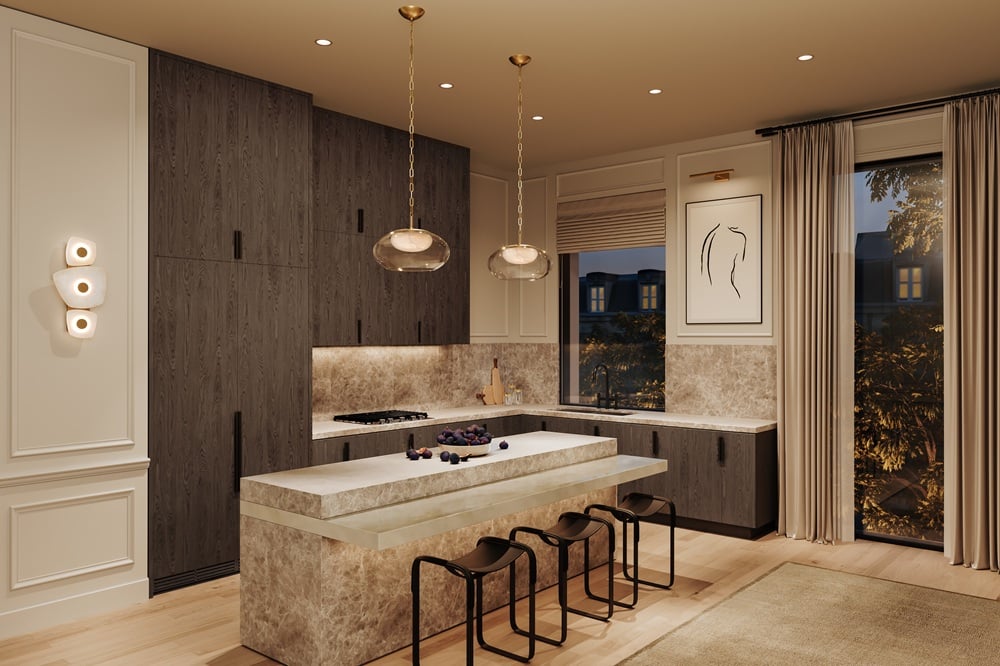
Recessed lighting is a clean, minimalist solution for kitchens where a streamlined look is preferred. Installed directly into the ceiling, these fixtures deliver focused light without adding visible bulk to the space. A recessed light can be positioned directly above the sink or slightly forward toward the counter to help reduce shadows caused by cabinets. In larger sink areas, two recessed lights can be spaced a short distance apart for more even coverage across the basin and surrounding countertop.
Because recessed fixtures sit flush with the ceiling, they’re particularly popular in contemporary kitchens where simple architectural lines and simplicity collide. Despite its subtle appearance, recessed lighting can provide effective task lighting when it’s placed correctly.
Brightness is just as important as fixture style when you’re lighting a kitchen sink. In most kitchens, 500 to 800 lumens of focused light directly over the sink provides a comfortable and efficient level of task illumination. This brightness range makes it easier to see food residue, water spots, and small details while rinsing dishes or cleaning the basin. Lower light levels can leave the sink area dim, especially in kitchens with darker countertops or deeper basins. The ideal output will depend on the fixture design and shade material. Clear glass pendants often deliver brighter, more direct illumination, while frosted shades distribute light more softly. LED bulbs are a popular option because they provide strong brightness while remaining energy efficient.
When the right fixture, placement, and brightness level come together, the sink becomes a well-lit workspace that supports everyday kitchen tasks. Explore the full range of kitchen lighting at Lightopia, where you’ll find fixtures that combine practical illumination with attractive design.
Yes, a pendant can be an excellent choice when it’s centered and properly scaled for the sink area. A single mini pendant often provides focused task lighting while adding visual interest and a design element above the sink. The key is to choose a fixture size that matches the width of the sink and hang it at the recommended height. When installed thoughtfully, pendant lighting can enhance both the function and appearance of the space.
Over-sink lighting should be bright enough to support everyday kitchen tasks, such as washing dishes, rinsing produce, and other everyday kitchen tasks. In most kitchens, about 500 to 800 lumens provides clear visibility without creating glare. The fixture should direct light toward the sink rather than diffusing it across the entire room. Proper brightness helps eliminate shadows and makes sink tasks easier to perform.

THANK YOU!
Your discount code is on its way.
If you don't receive your promo code, please check your email junk or spam folder and click on "Not spam".
Free Shipping
Free standard shipping on all orders within the contiguous USA.
Orders to Canada, Alaska, Hawaii and Puerto Rico will incur additional shipping and handling fees, which will be calculated and presented at checkout. Canadian customers will be charged for all applicable customs duties, taxes, and brokerage fees.
For large, oversize items that require a surcharge above our shipping and freight partners’ standard shipping rates, an Oversize Processing Fee will be calculated in cart.