

Thoughtful living room lighting is never about a single fixture - it’s about balance. The most comfortable, flexible living rooms rely on layered lighting, a design approach that combines ambient, task, and accent light to support everything from everyday routines to relaxed evenings at home. Each layer serves a distinct purpose, but together they create a space that feels intentional, useful, and interesting rather than flat.
Ambient lighting is the base layer that provides the general illumination you need to move safely and comfortably throughout the room. Common sources of ambient light include ceiling-mounted fixtures like chandeliers or flush and semi-flush mounts, recessed lighting, and torchiere-style floor lamps that bounce light upward. As a baseline, aim for roughly 10 to 20 lumens per square foot to avoid a dim or cavernous feel. Because living rooms serve different functions throughout the day, ambient lighting should always be dimmable to allow for brightness to shift naturally from daytime activity to evening relaxation.
Task lighting is the functional layer that supports specific activities such as reading, crafting, or working on a laptop. Table lamps beside seating, reading floor lamps, and adjustable wall sconces all work well for this purpose. Most reading tasks require approximately 400 to 800 lumens, but adjustability is key because preferences can vary. Proper placement matters just as much as brightness, so task lights should be positioned to avoid glare on screens and prevent shadows across books or work surfaces.
Accent lighting is the ambiance layer that adds personality and atmosphere by highlighting artwork, architectural details, or decorative elements within the space. Picture lights, wall sconces, uplighting, cove lighting, and even decorative fixtures like subtle string lights help draw the eye through the space and toward specific features. Rather than a strict lumen target, the goal is visual depth. Lighting vertical surfaces and introducing illumination at different heights will create dimension and drama where it’s needed most.
When all three layers are used together, ideally on separate controls, living room lighting becomes adaptable and practical. Bright and functional during the day or soft and moody at night, layered lighting allows the room to evolve with how it’s actually used, not just how it looks.

Even well-designed living rooms can feel uncomfortable or unfinished if the lighting isn’t thoughtfully planned. Many issues stem from relying too heavily on one approach or overlooking how the space is actually used throughout the day.
The good news? Correcting these common living room lighting mistakes doesn’t require a full redesign or a costly investment. A few strategic additions or adjustments can dramatically improve comfort, function, and atmosphere.

These tips provide practical guidance for arranging lighting to suit the shape and flow of your living room.
Multiple ambient lighting sources are essential, so create a thoughtful blend of chandeliers, recessed grids, and/or flush mounts
Helpful Note: Rooms with 8-foot ceilings benefit from flush or semi-flush fixtures and layered lamps, while 10-foot or higher ceilings allow for chandeliers, taller floor lamps, and vertical accent lighting to fully activate the space.

Floor and table lamps are the most adaptable pieces in any living room lighting plan, and they’re essential to a well-layered space. Unlike hardwired fixtures, lamps can be repositioned as you refresh furniture layouts, seasons change, or daily routines evolve, giving you instant flexibility without rewiring or pricey renovations.
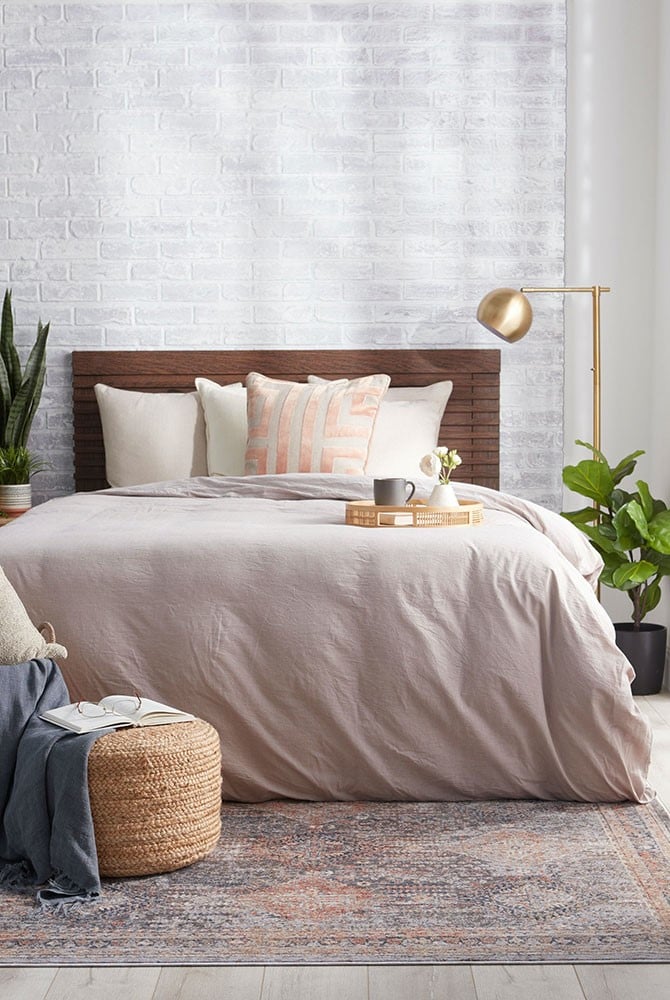
Floor lamp placement should balance function and flow. Position floor lamps beside reading chairs with the bottom of the shade roughly at seated shoulder height to provide focused light without glare. Corners are another ideal location, as floor lamps can visually fill dead space and help the room feel finished rather than hollow. Placing a lamp behind a sofa adds ambient light and depth. Arc floor lamps work particularly well when ceiling lighting isn’t available or isn’t sufficient because they extend light directly over seating areas without taking up floor space.
Table lamps truly shine when they’re layered thoughtfully. Lamps on sofa-flanking end tables create balance and symmetry when matched, while mismatched lamps add personality and a collected, eclectic feel. Console tables behind sofas or along walls are perfect for adding a table light, and a single lamp beside an accent chair establishes a cozy reading nook. Buffets or credenzas also benefit from lamps that contribute both decorative interest and soft background illumination.
Height matters more than you might realize. Table lamp shades should sit at seated eye level when seated, typically resulting in a total lamp height of about 58 to 64 inches. Floor lamp shades should align with eye level when standing, which is usually 60 to 68 inches from the floor. When multiple lamps are visible at once, keeping their heights relatively consistent helps maintain visual harmony.
Shade and bulb choices refine the look. Translucent shades diffuse light for a gentle, ambient glow, while opaque shades direct light upward and downward. Larger rooms need proportionally larger shades, light-colored fabrics allow more light to pass through, and delicate shades can disappear when they’re used in a spacious area. Warm white bulbs around 2700K create a cozy atmosphere. 800 to 1,000 lumens is ideal for lamps contributing to ambient light, and 400 to 600 lumens is best for accent lamps. Three-way bulbs add flexibility without extra switches.
Finally, safety and usability should always be priorities. Route cords along walls, choose weighted bases for stability (especially in busy homes with pets or children), and opt for easy-to-reach switches - especially in high-traffic living rooms. Avoid placing cords in any traffic path, and do a final walk-through to be sure your lamp placement makes practical sense. Thoughtfully placed lamps don’t just light a space - they make it more adaptable, comfortable, and inviting over time. They’re the most flexible lighting solution you could introduce to a space because as your needs or preferences change, they can be moved to other areas.
Striking the right balance between brightness and color temperature is essential for a functional and inviting kitchen. Start by considering lumens for each zone. For general ambient lighting, aim for 100 to 150 lumens per square foot. For example, a 12' x 15' kitchen (180 sq ft) needs roughly 22,500 total lumens. Task areas like counters and islands should provide 300 to 500 lumens per linear foot, while focused fixtures over the sink or stove may require 1,000 lumens or more. Accent lighting is softer, typically 50 to 200 lumens, depending on its decorative or functional purpose.
Color temperature plays a major role in how your kitchen feels. Warm white (2700 to 3000K) is ideal for food prep because it makes ingredients look appealing and establishes a comfortable atmosphere. Neutral white (3000 to 4000K) works best for functional task areas, providing accurate color rendering for cooking and cleaning tasks. Avoid cooler temperatures above 5,000K, which can create a harsh, institutional look. For harmony, keep all fixtures within 500K of one another and choose bulbs with a CRI of 90+ for true-to-life color.
Dimmer integration adds flexibility and allows you to over-light when needed, but create ambiance when the extra illumination isn’t necessary. Ambient and accent lighting should be dimmable, and task lighting can be dimmable for even greater control. Keep in mind that LED fixtures require compatible dimmers (not standard ones), so it’s essential to double-check all specifications before you finalize any decisions. Remember that lumens measure brightness, while watts measure energy use - a common point of confusion. Prioritizing the right lumens and color temperature leaves you with a kitchen that’s both functional and visually inviting.
Title

Dimmers and smart controls turn a collection of fixtures into a truly responsive living room lighting system. With the right controls in place, every floor lamp, table lamp, and chandelier can shift seamlessly from bright and functional to relaxed and moody throughout the day.
Dimmers are the foundation that allows you to adjust brightness based on time of day - full output for daytime tasks, and softer light for evening wind-down. Running lights below full brightness also extends bulb life and reduces energy use while giving a single fixture the flexibility to serve as both ambient and task lighting. Dimmers are especially valuable in living rooms, where lighting needs change constantly depending on how the space is being used - from daily living activities to entertaining and beyond.
When installing dimmers, compatibility matters. LED fixtures require LED-rated dimmer switches, and not all LED bulbs are dimmable. That’s why checking specifications before purchasing is essential. For hardwired fixtures like chandeliers or recessed lights, professional installation is recommended. Plug-in dimmers offer an easy solution for lamps without electrical work.
Smart lighting controls add another layer of convenience and customization. Using smartphone apps or voice assistants like Alexa, Google Home, or Siri, you can create scenes such as “Movie Night,” “Entertaining,” or “Reading,” schedule lights to adjust automatically at sunset or bedtime, and even trigger lighting based on your location with geofencing. Many systems integrate with broader smart and green lighting ecosystems to tie lighting into security and climate controls. Smart options vary by use case. Smart bulbs offer color temperature and brightness control, but require constant power. Smart switches control any bulb and are ideal for permanent fixtures, while smart plugs are an easy retrofit for lamps with no requirement for switch or bulb changes. Hubs like Philips Hue or Lutron Caseta allow for centralized control across many devices.
Create your own lighting scenes to set different moods as the day goes on.
Thoughtful controls dramatically increase the value and versatility of living room lighting and unlock everything from cozy evenings to polished entertaining. Explore Lightopia’s curated collection of floor lamps, table lamps, chandeliers, and smart lighting options. Discover more ideas in our living room lighting inspiration to build a system that’s as flexible and functional as your space.
THANK YOU!
Your discount code is on its way.
If you don't receive your promo code, please check your email junk or spam folder and click on "Not spam".
Free Shipping
Free standard shipping on all orders within the contiguous USA.
Orders to Canada, Alaska, Hawaii and Puerto Rico will incur additional shipping and handling fees, which will be calculated and presented at checkout. Canadian customers will be charged for all applicable customs duties, taxes, and brokerage fees.
For large, oversize items that require a surcharge above our shipping and freight partners’ standard shipping rates, an Oversize Processing Fee will be calculated in cart.