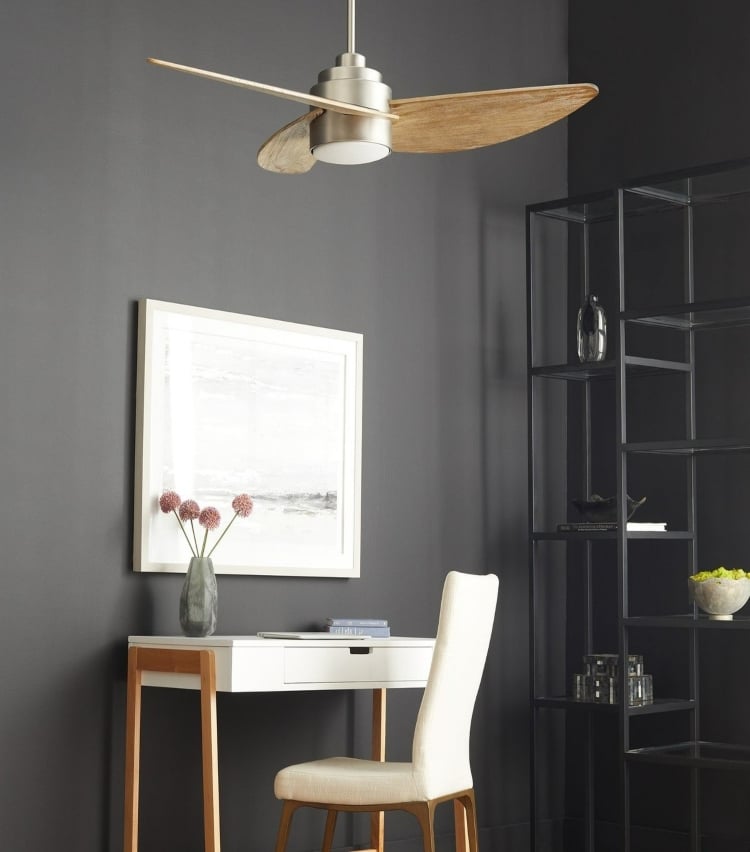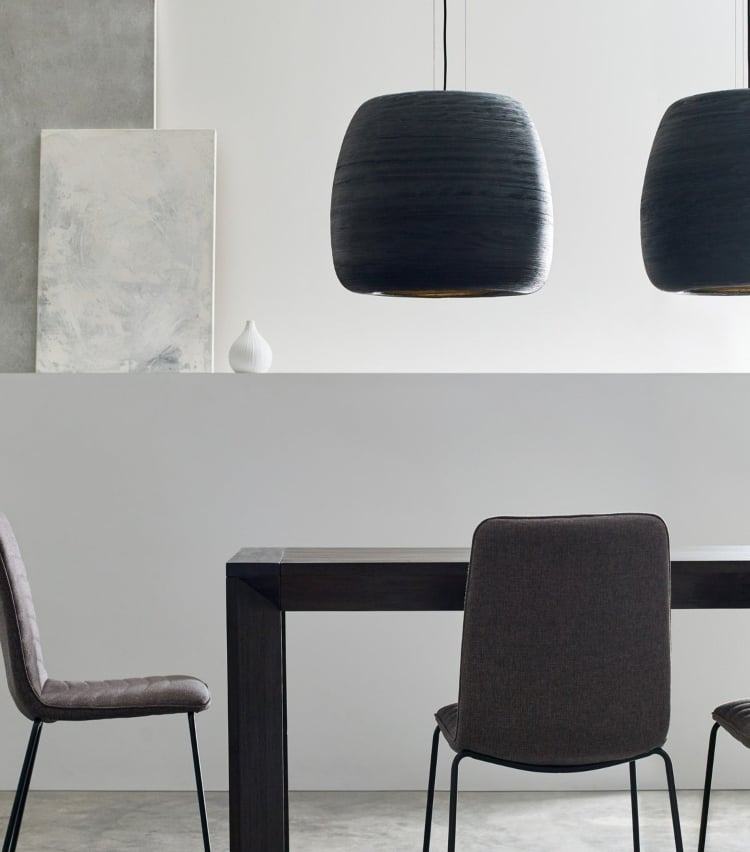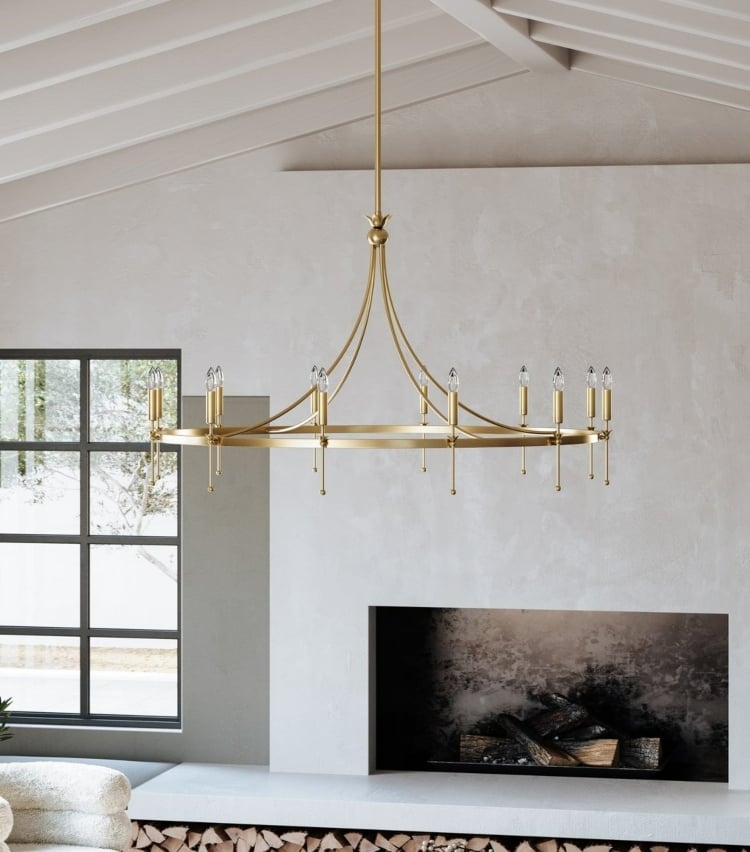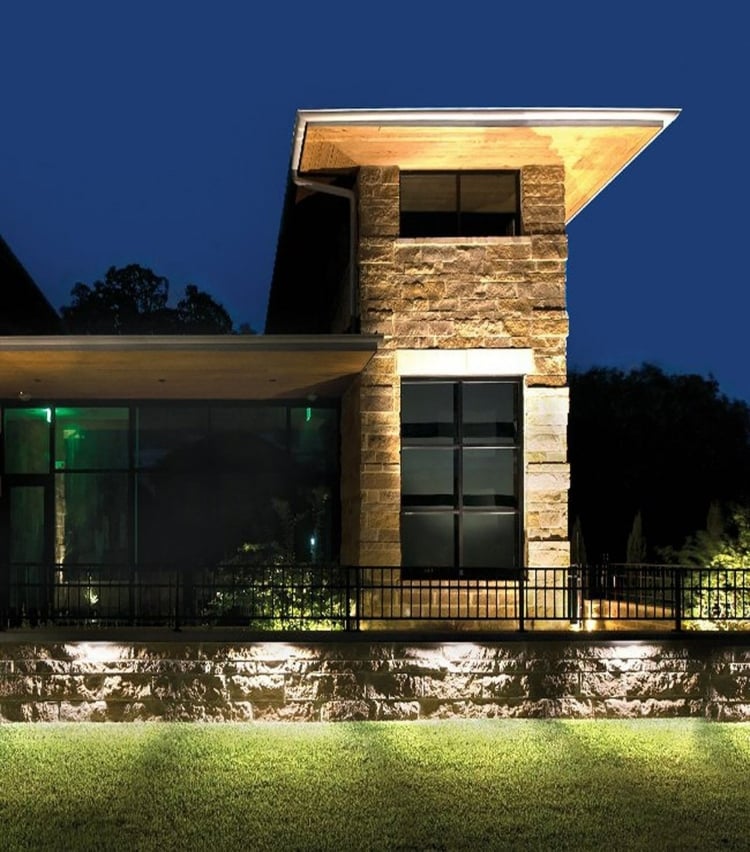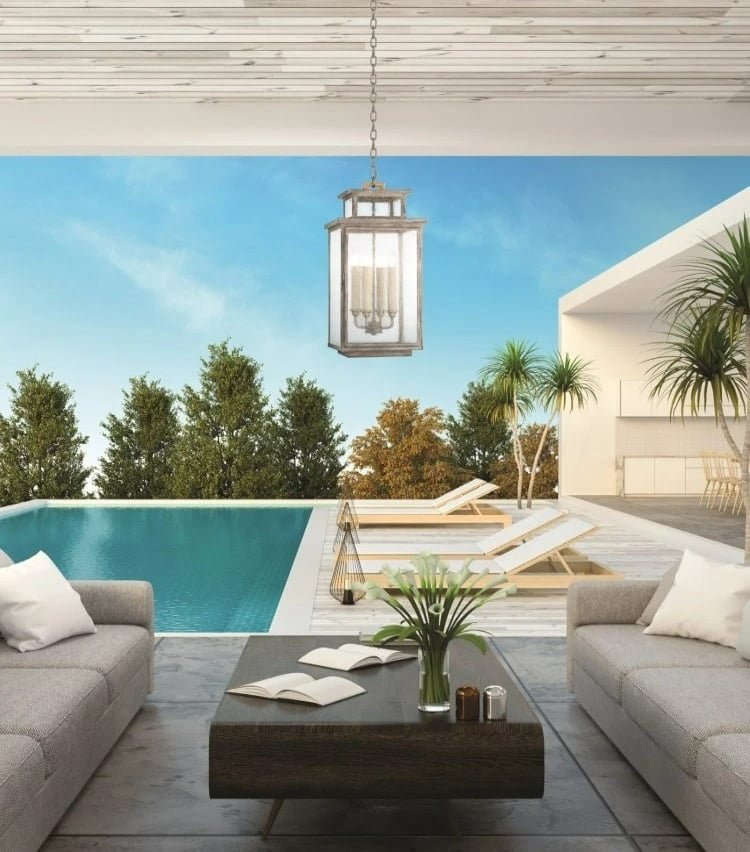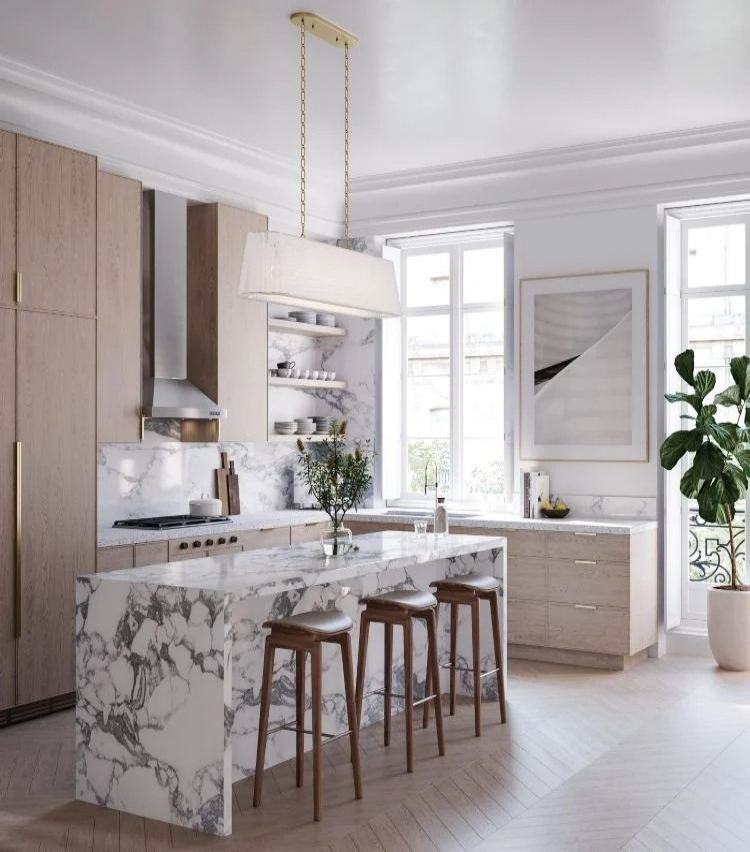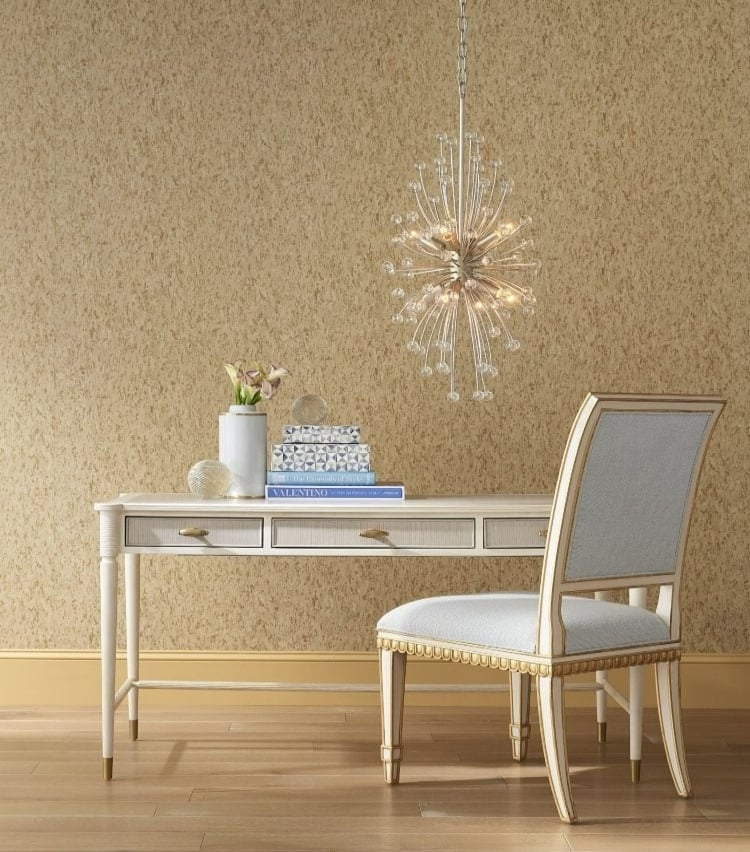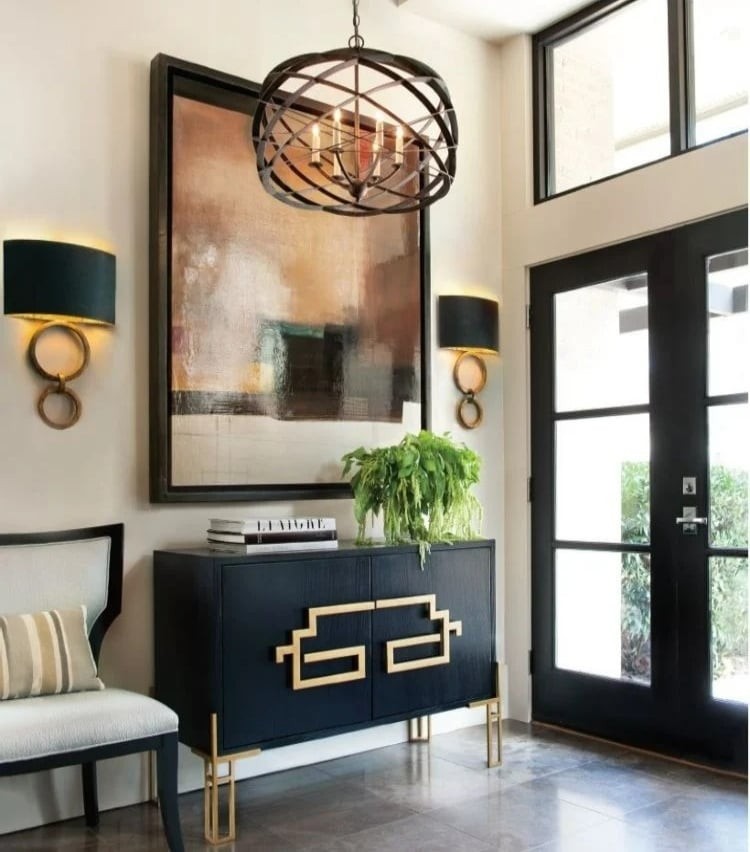


Discover expert lighting solutions with our comprehensive resource center. From technical specifications to design principles, access professional-grade advice to create beautiful, functional lighting throughout your home.
Whether you're planning a renovation or updating existing fixtures, our expert guides provide the technical knowledge and design insights needed to make informed lighting decisions.
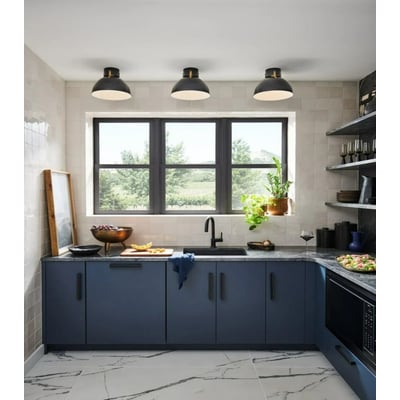
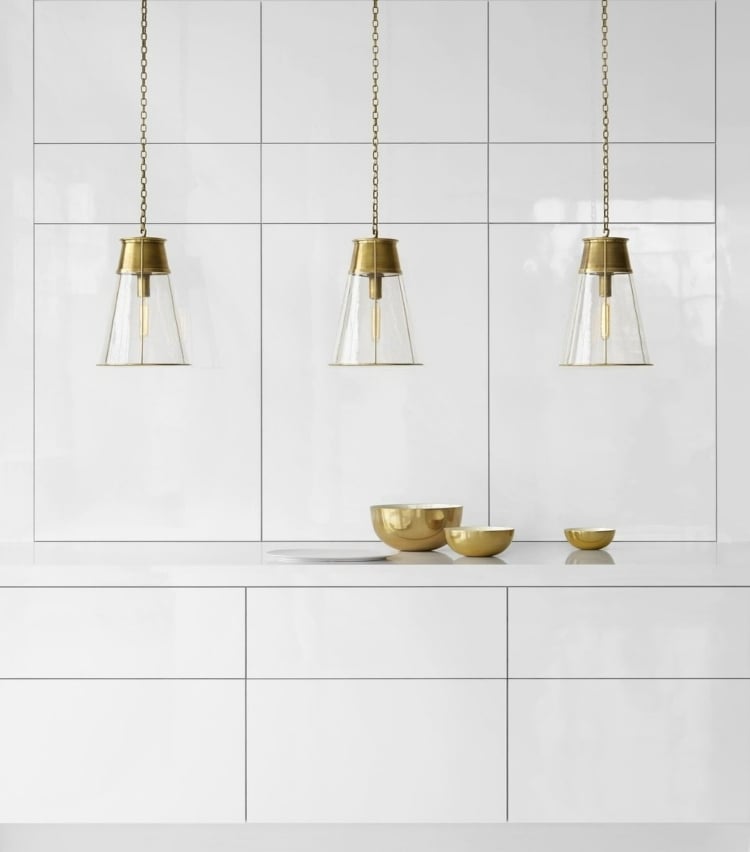
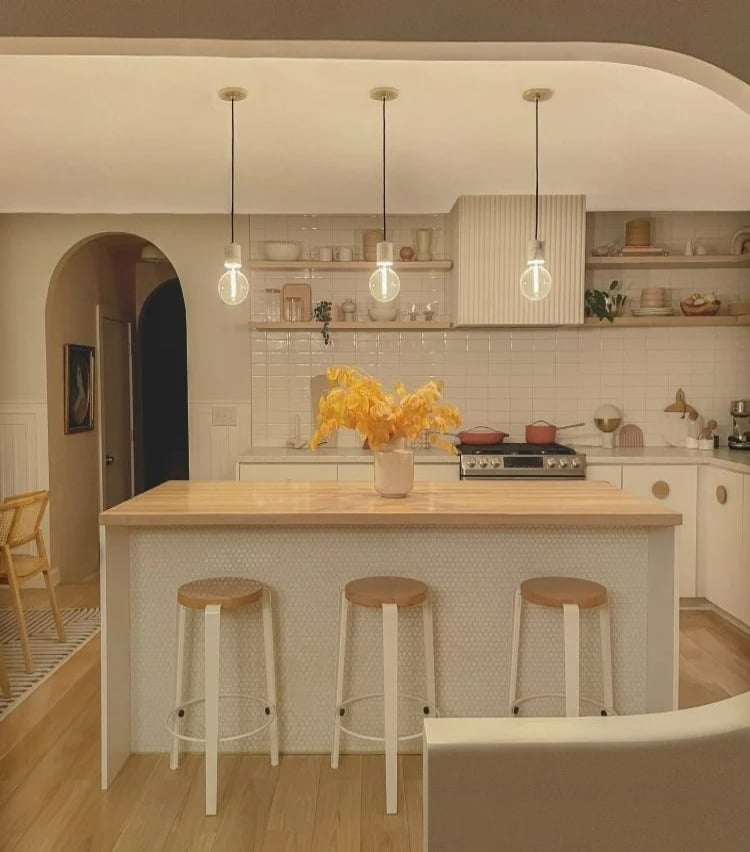
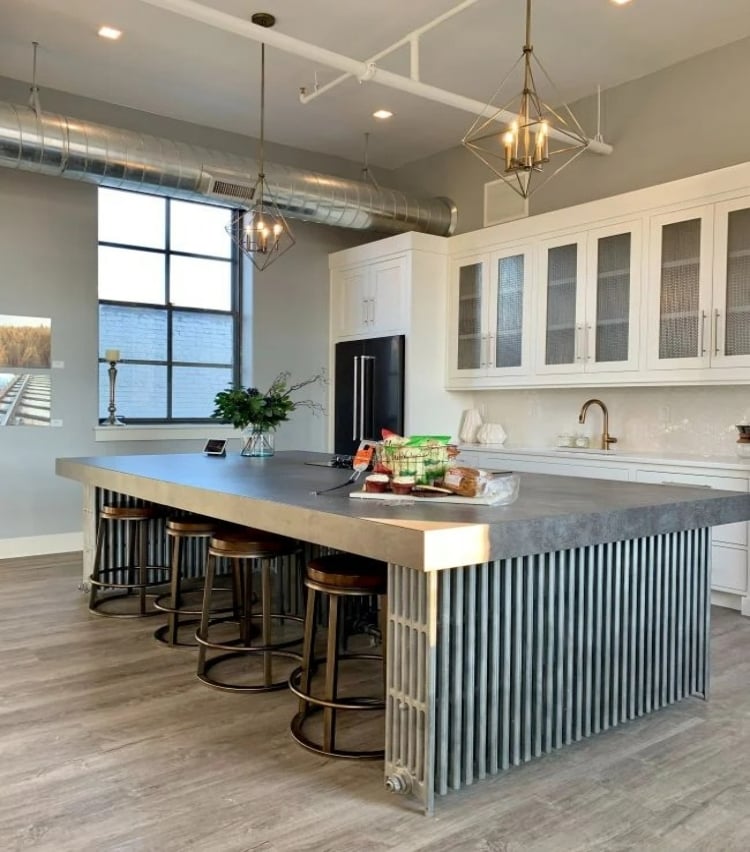
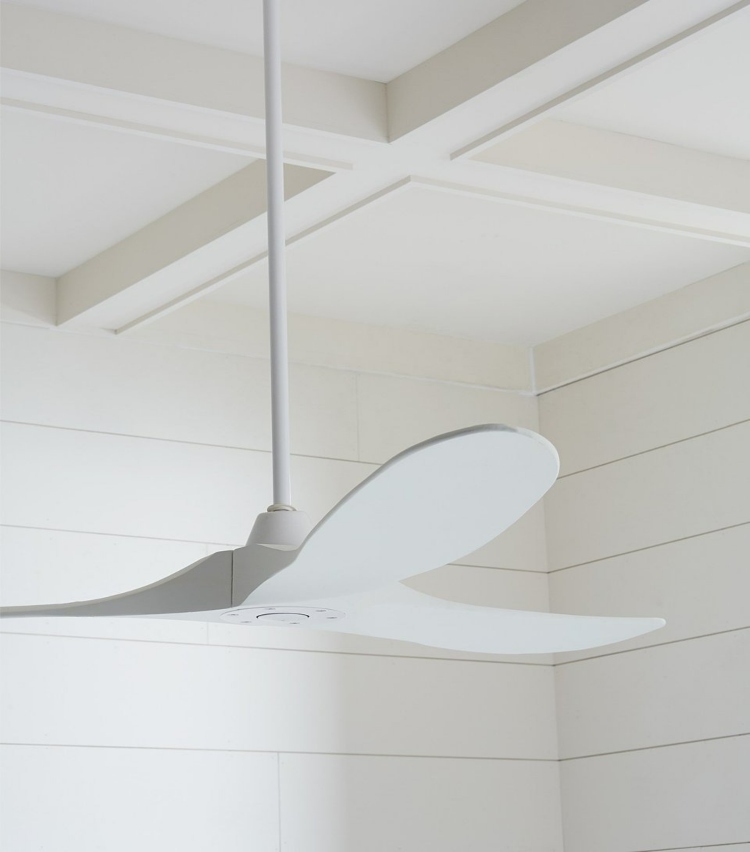
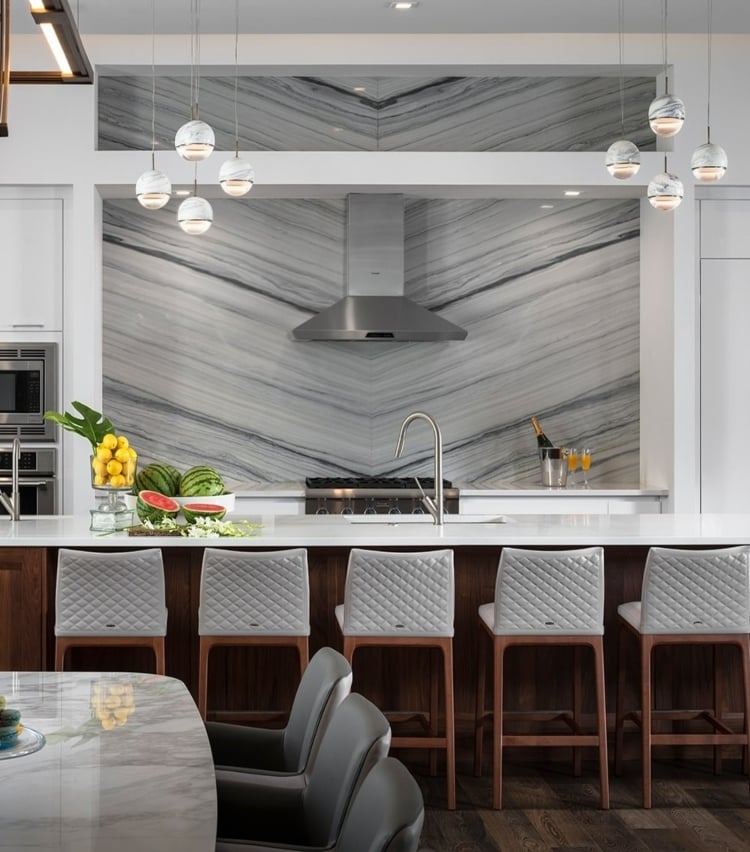
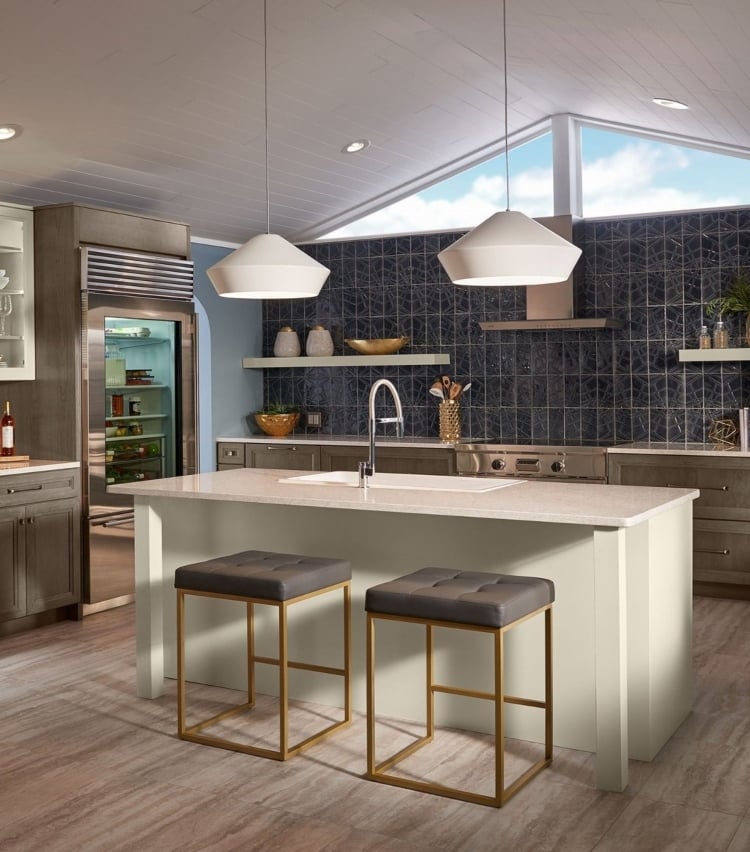
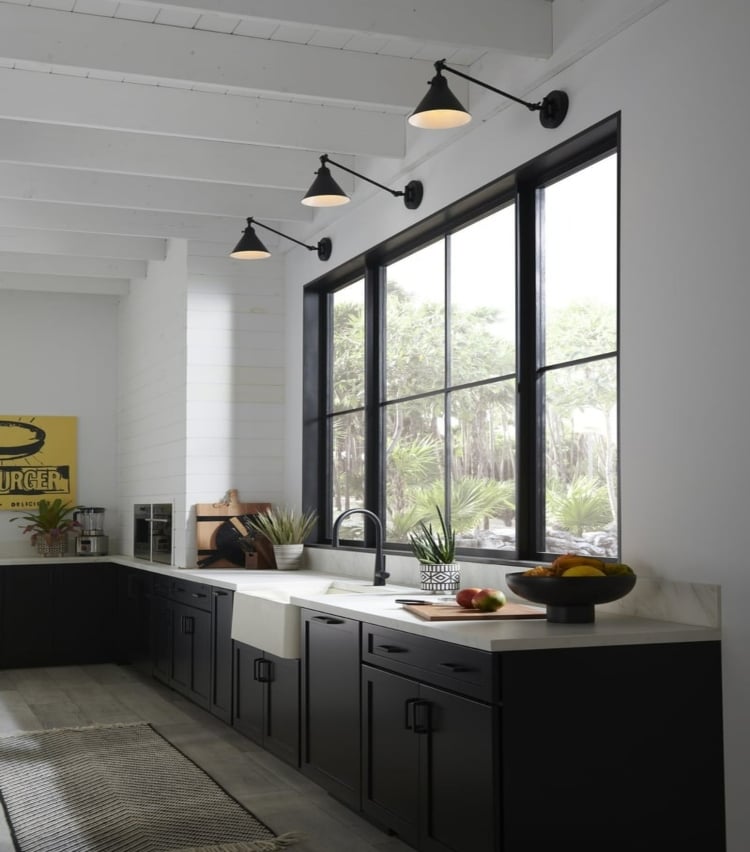
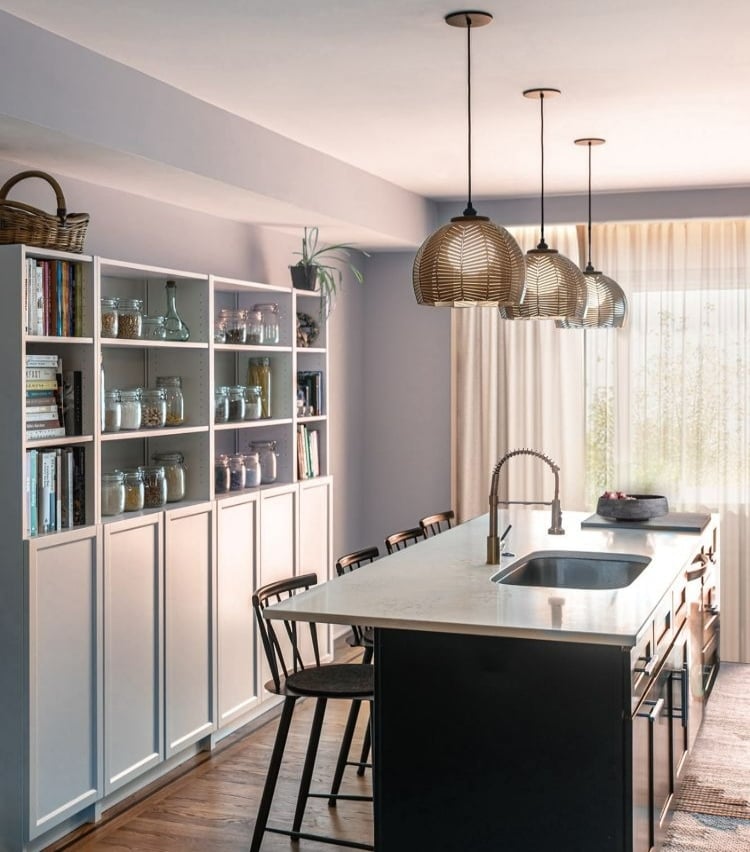
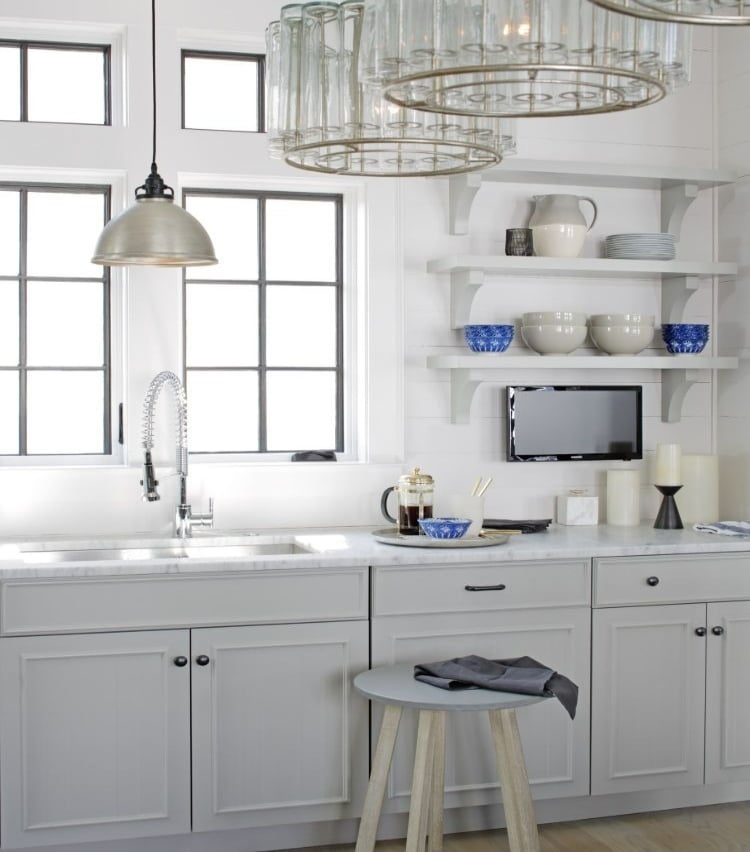
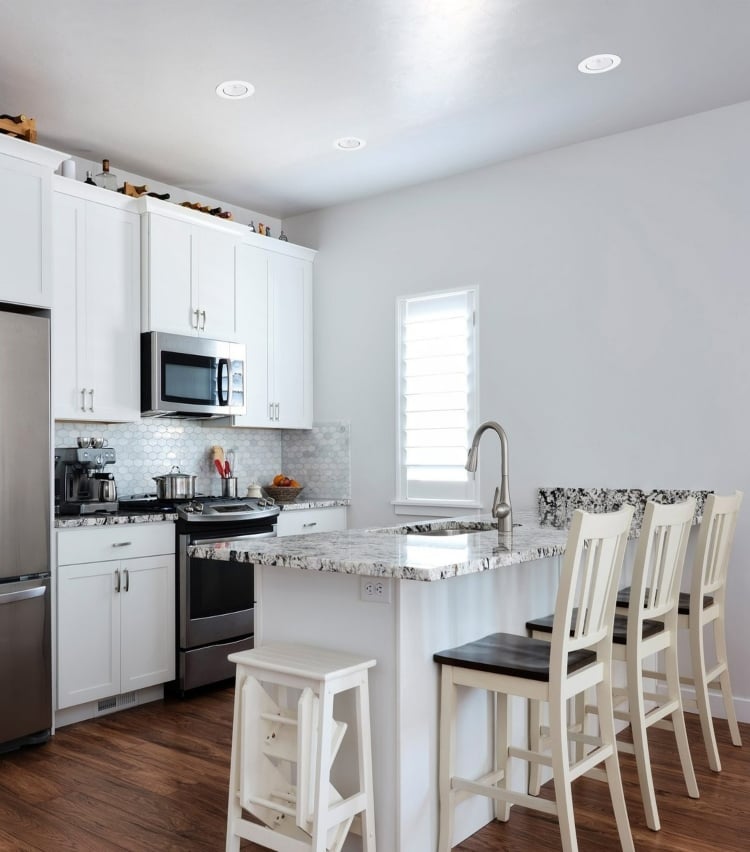
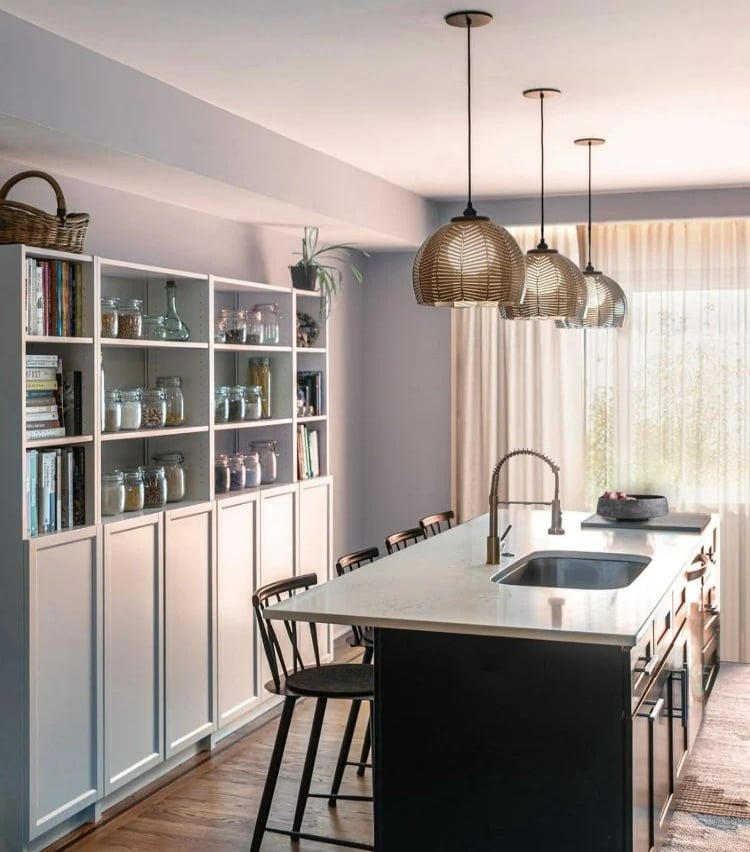
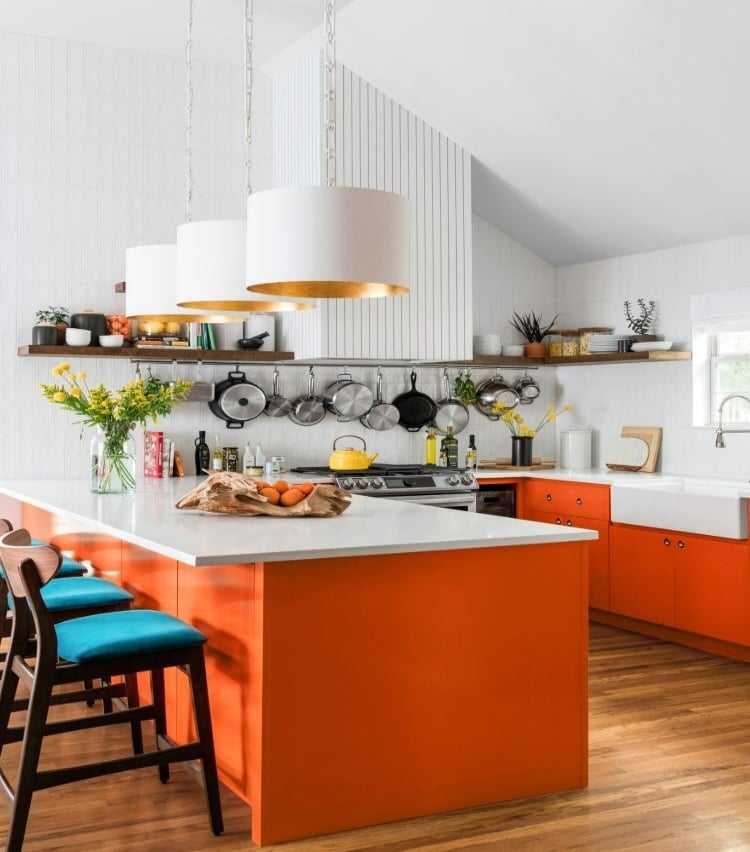
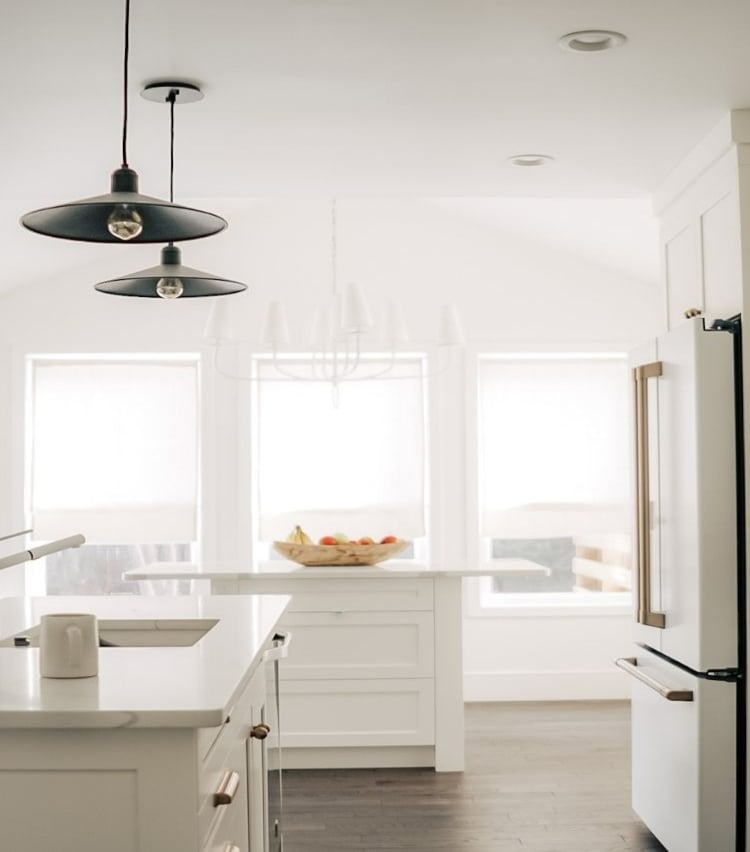
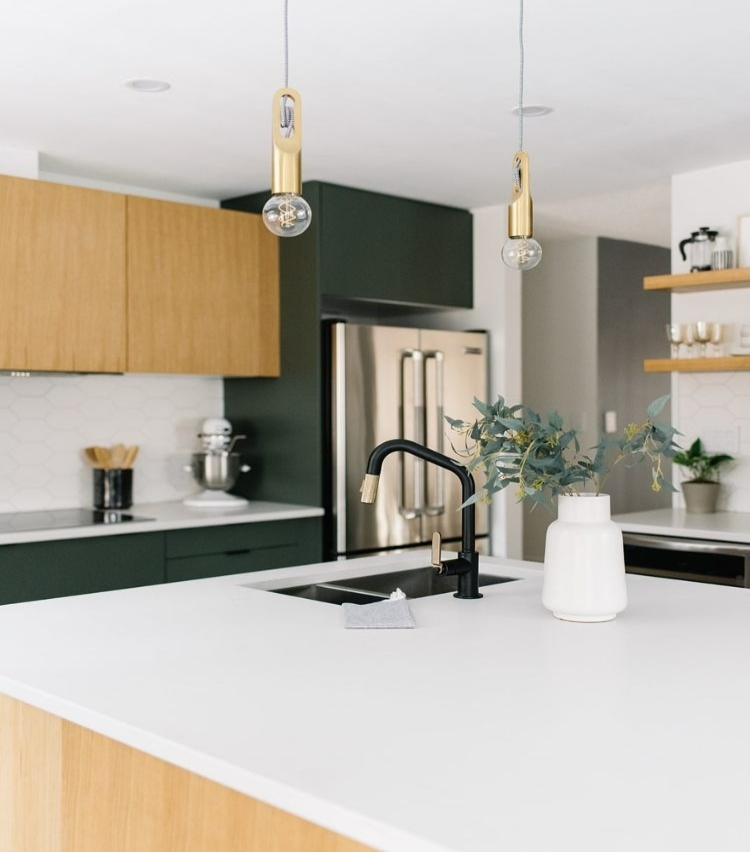
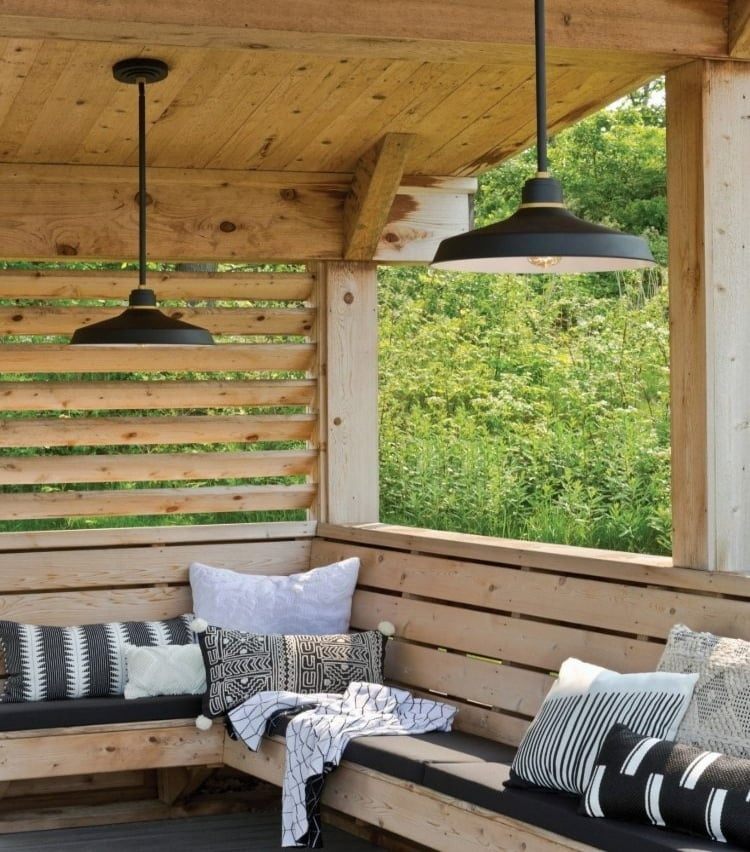
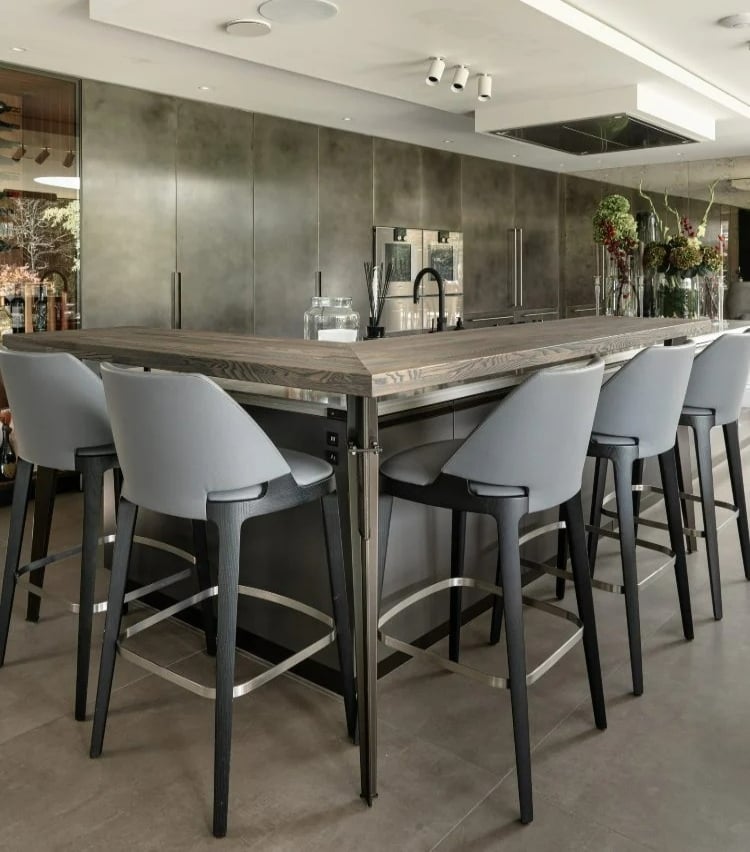
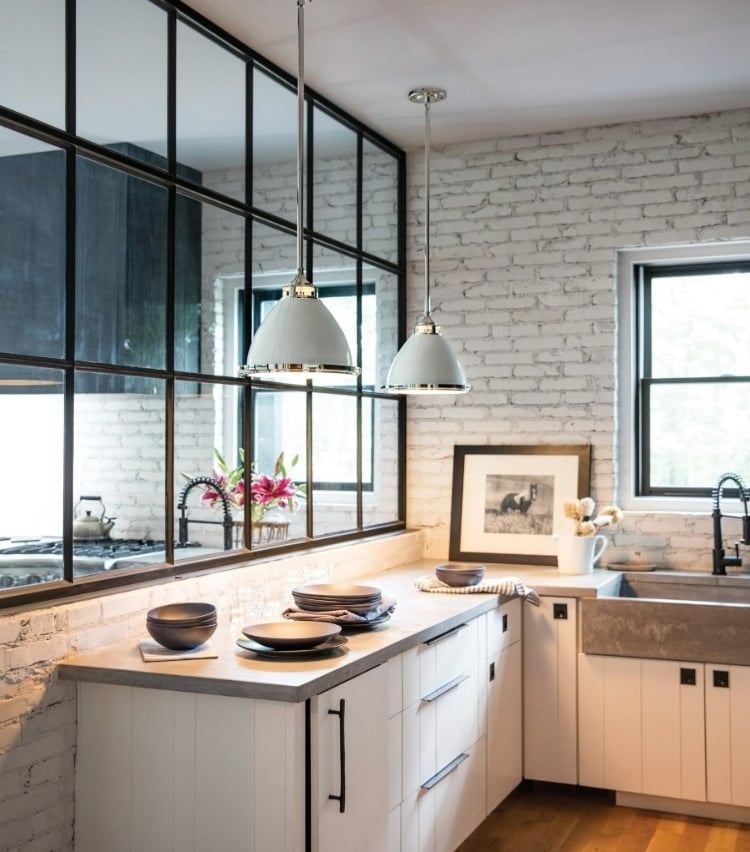
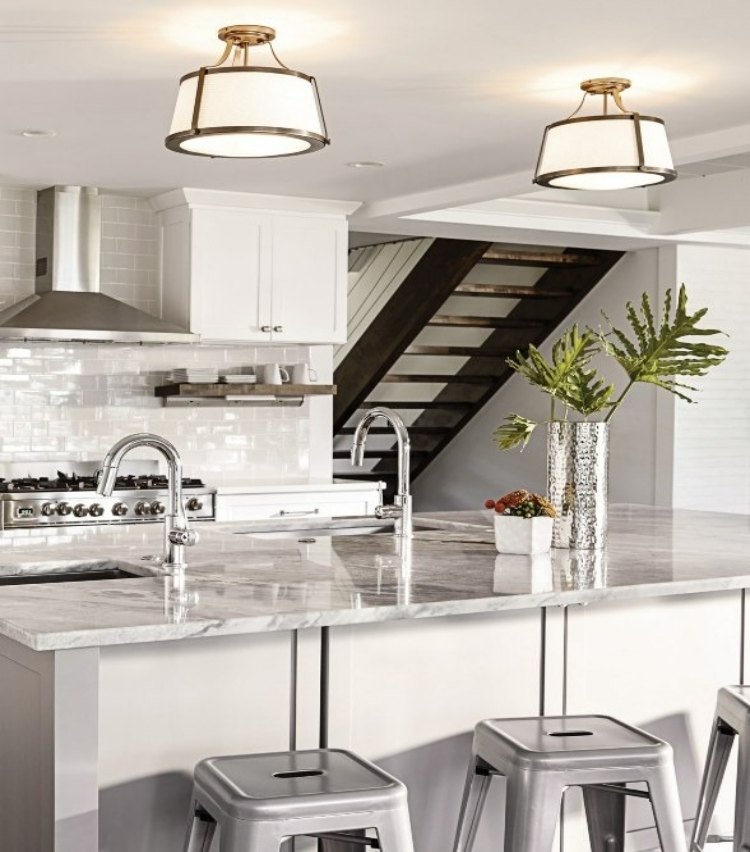
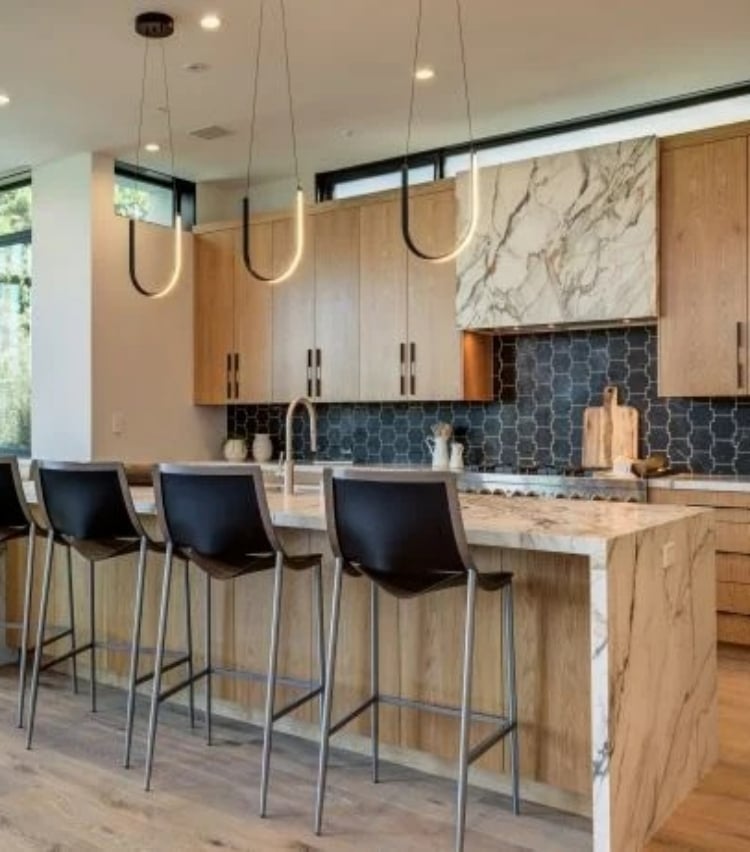
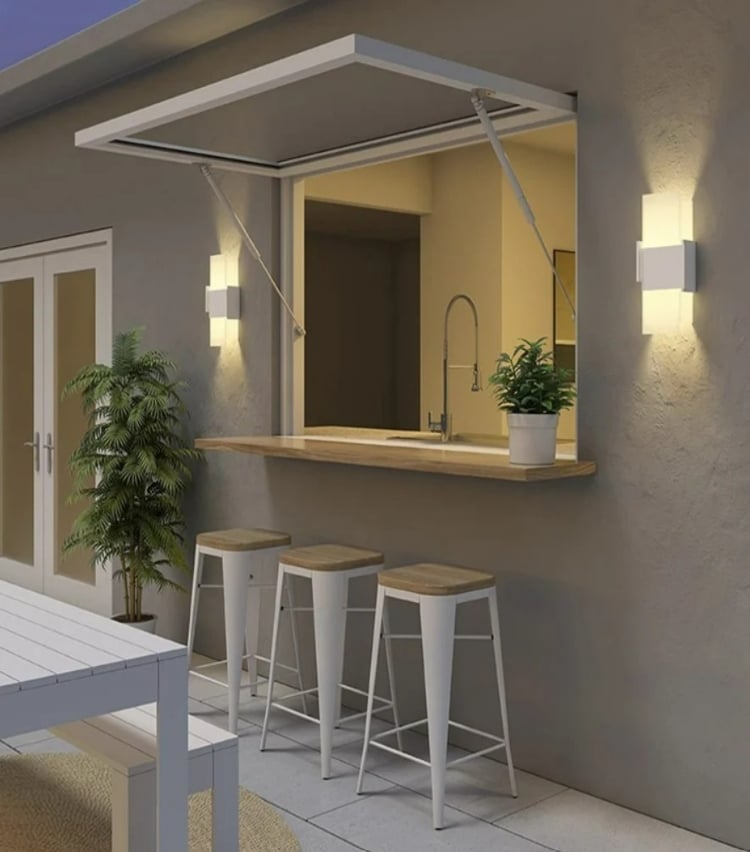
Achieve optimal task lighting and ambient atmosphere in your kitchen's most critical areas.
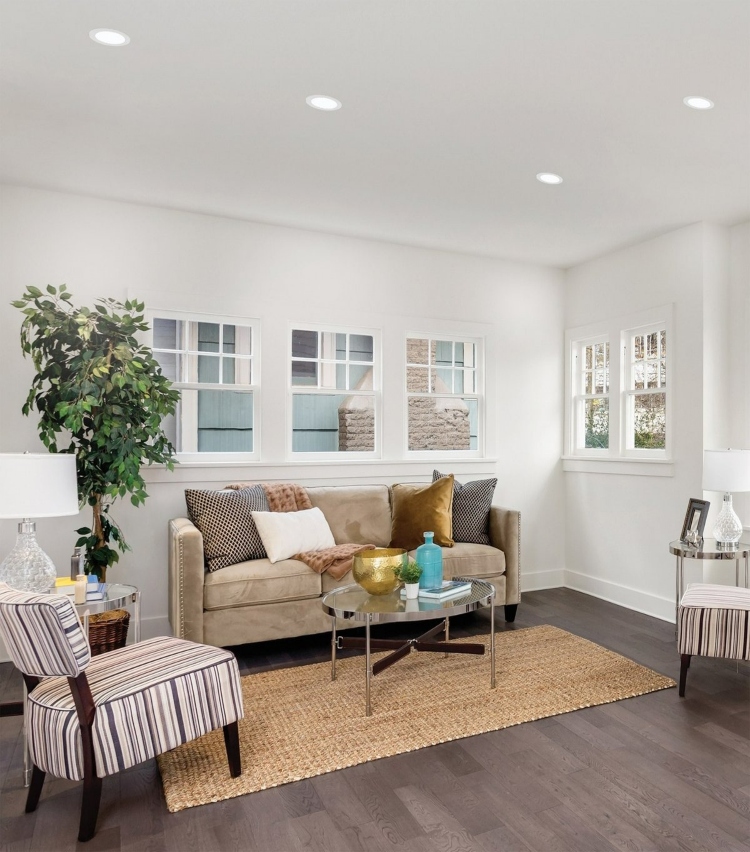
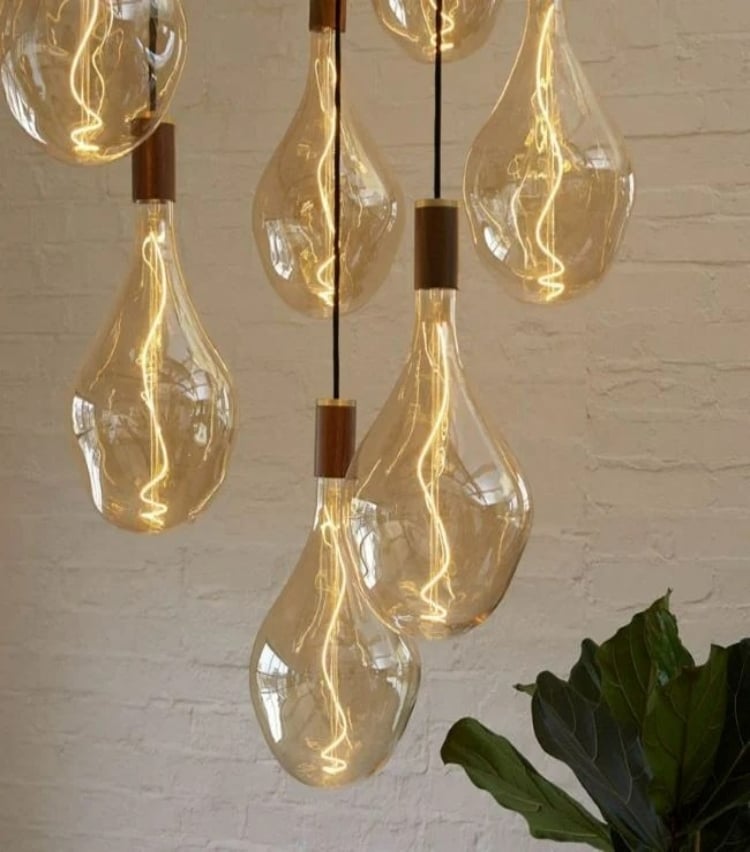
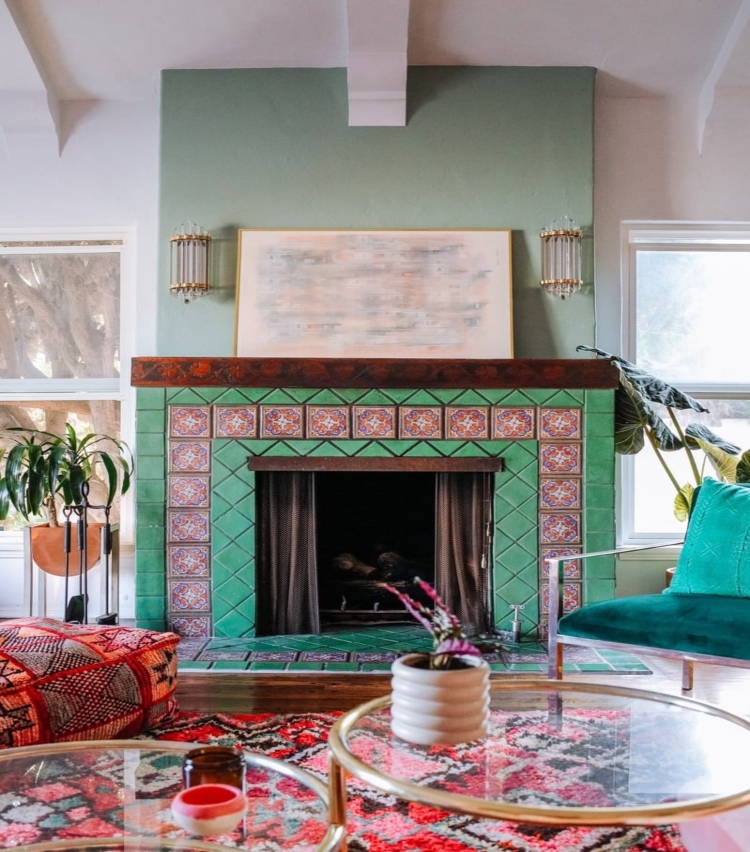
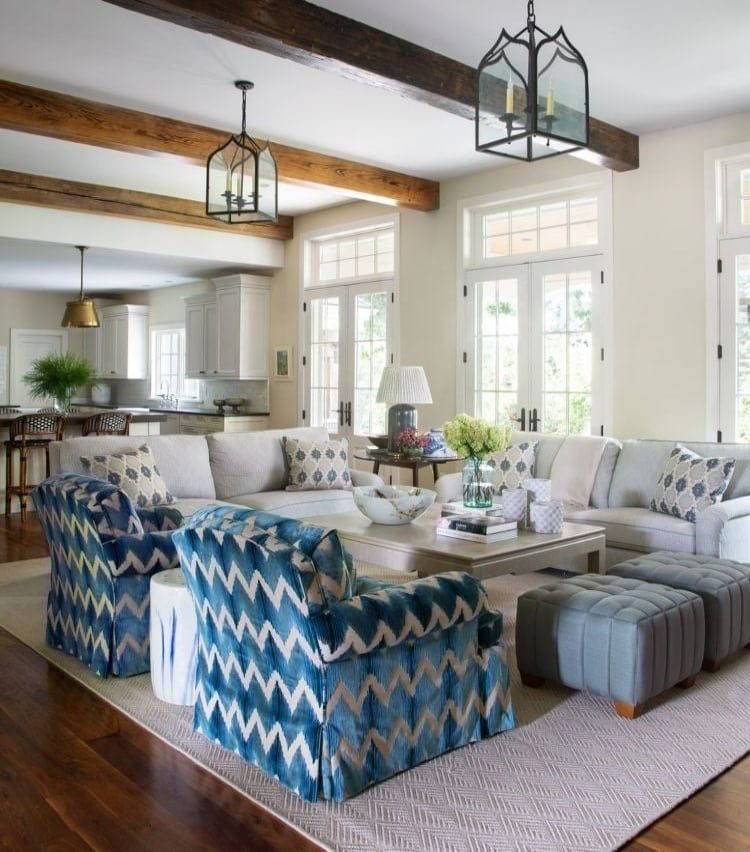
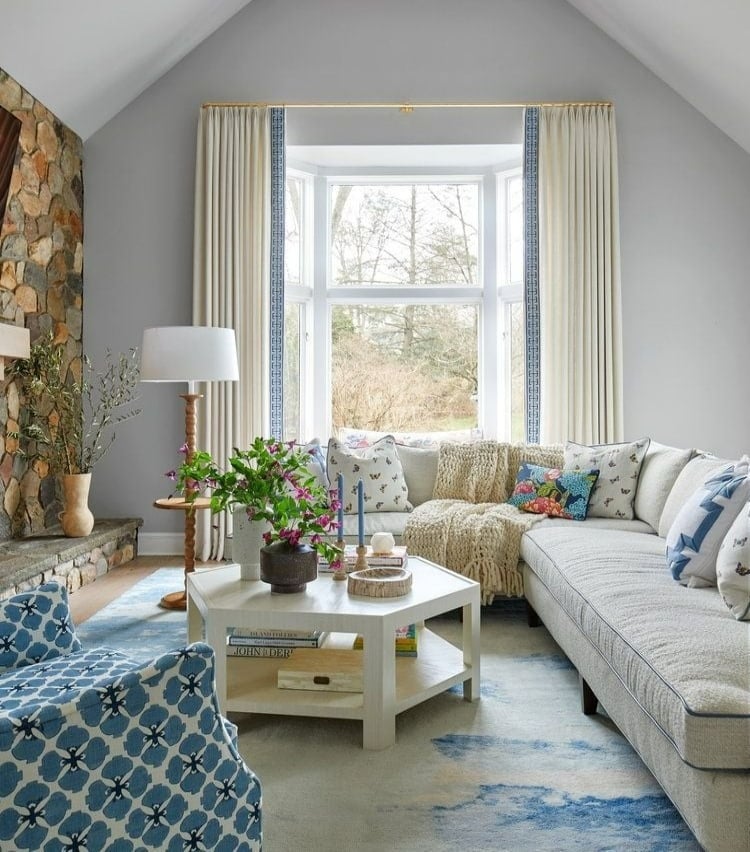
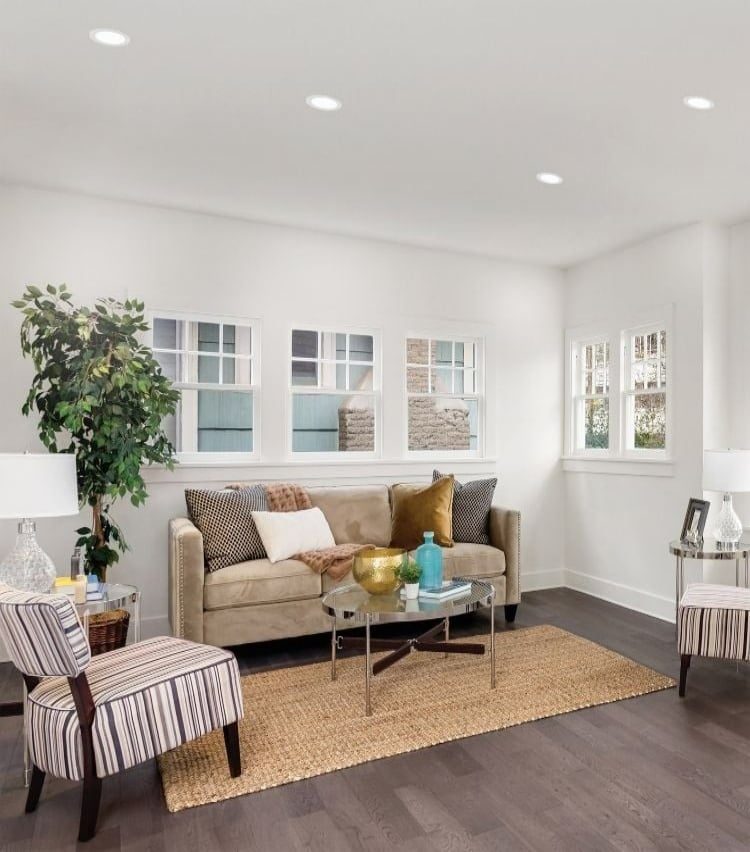
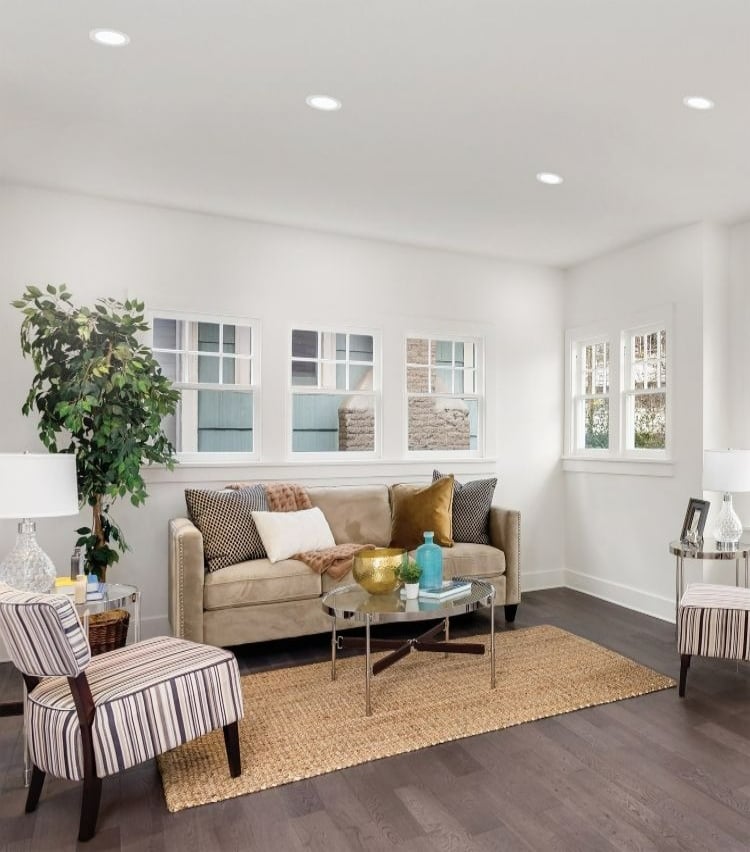
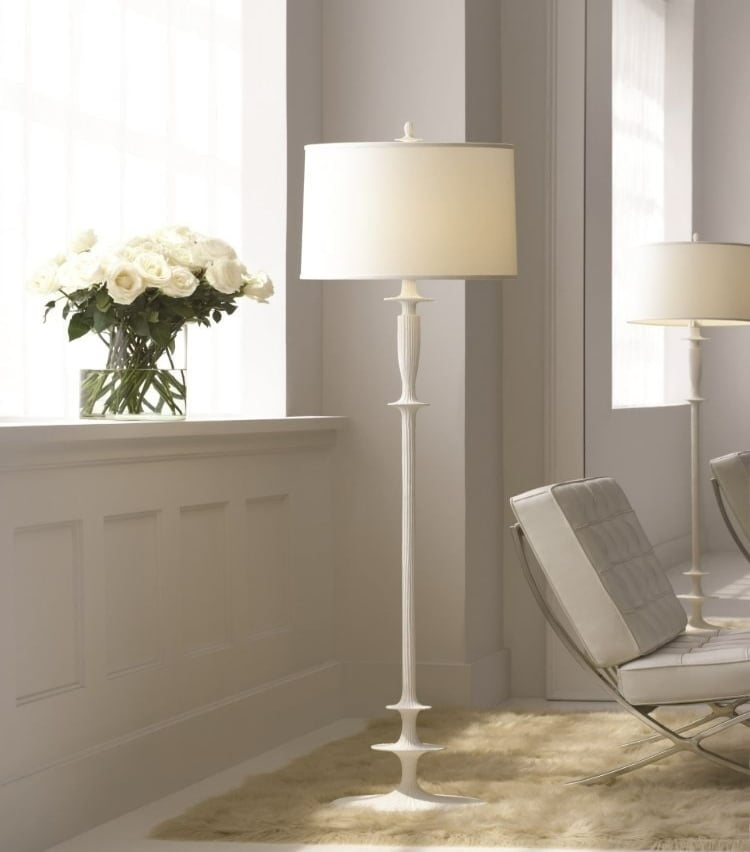
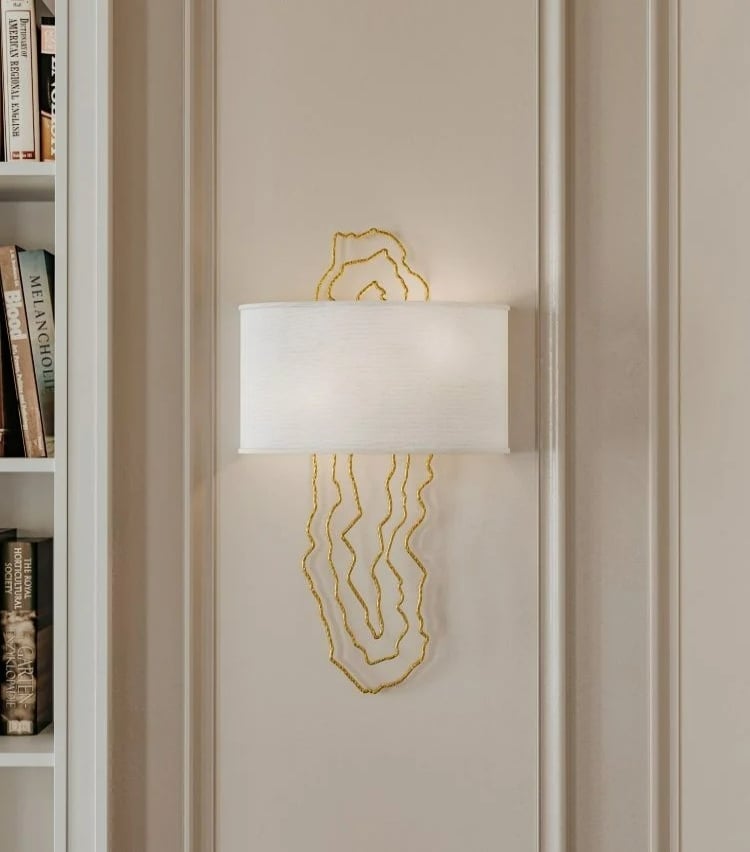
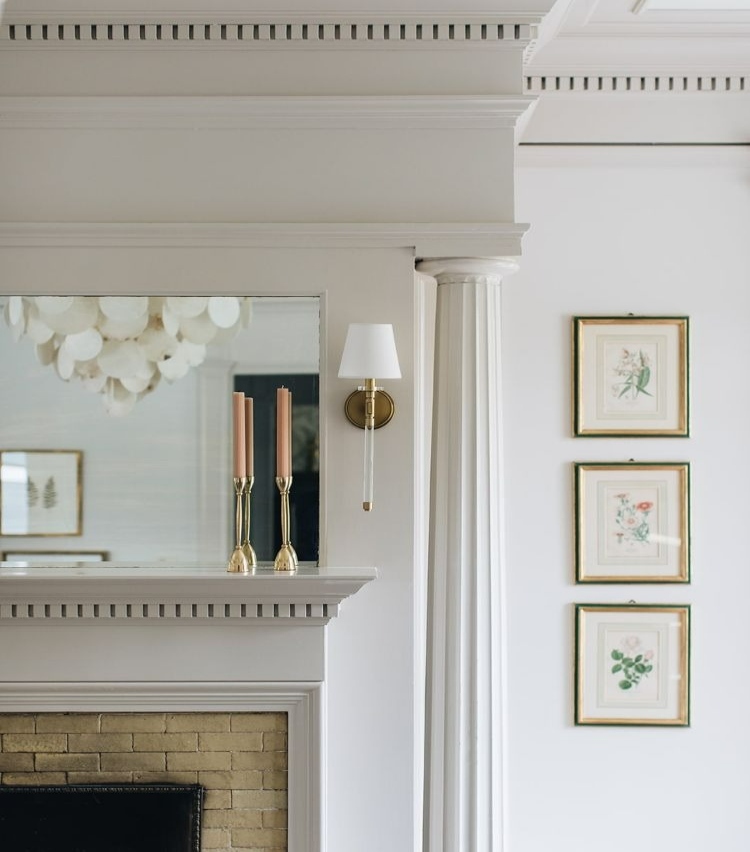
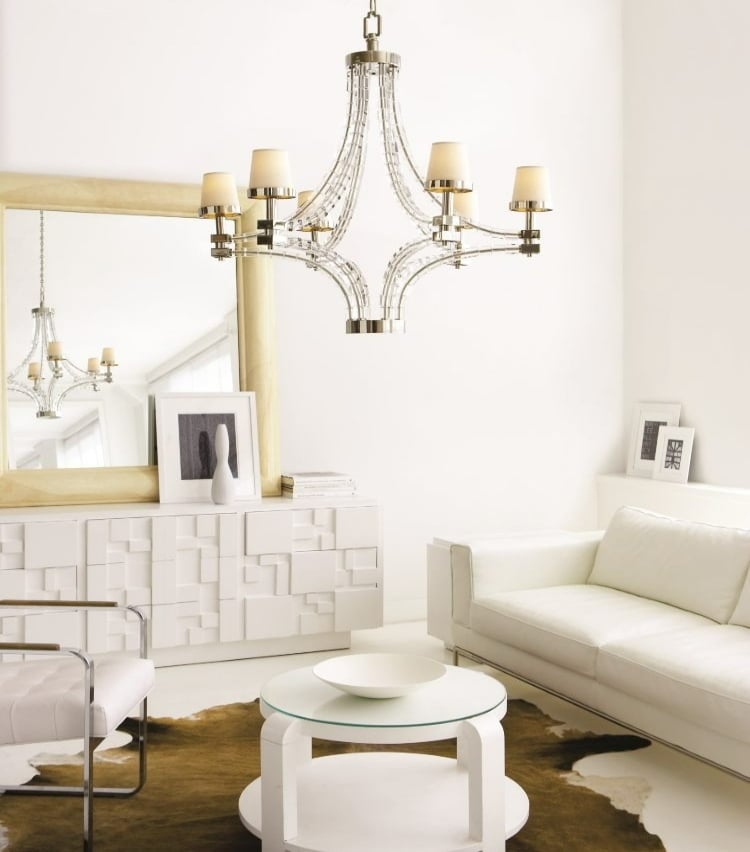
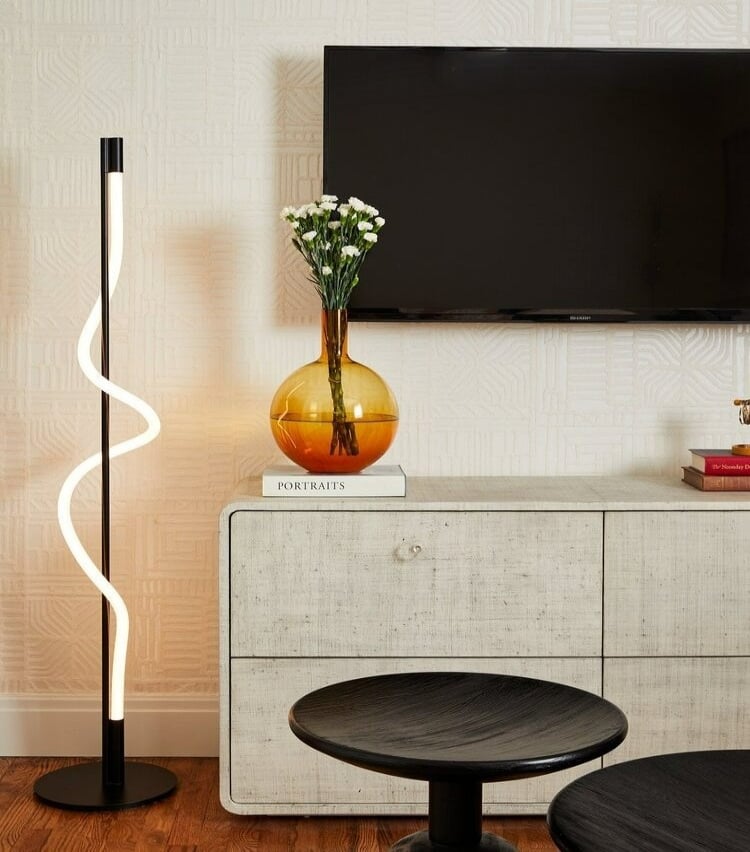
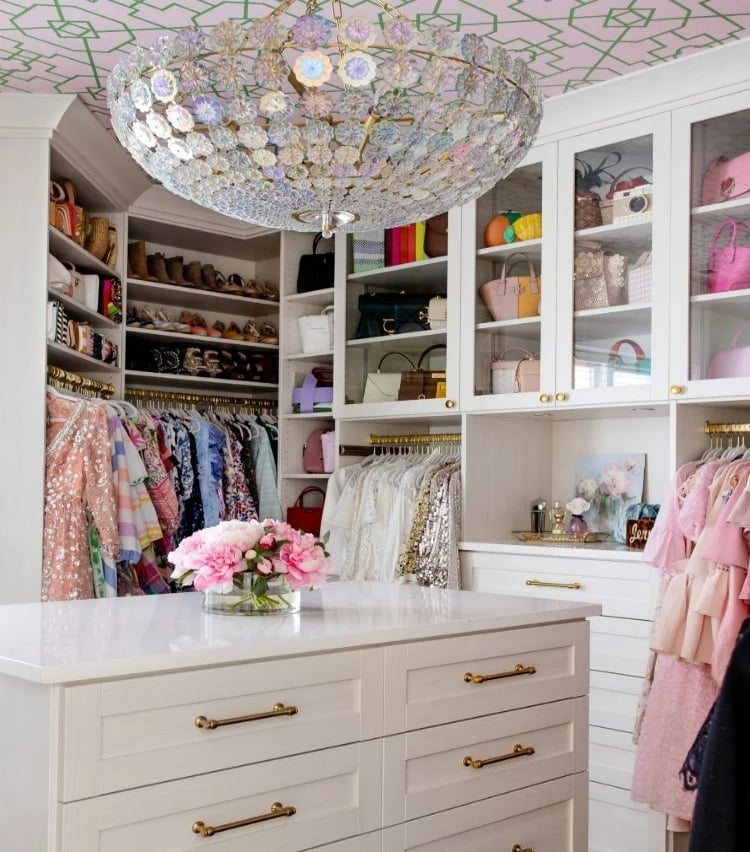
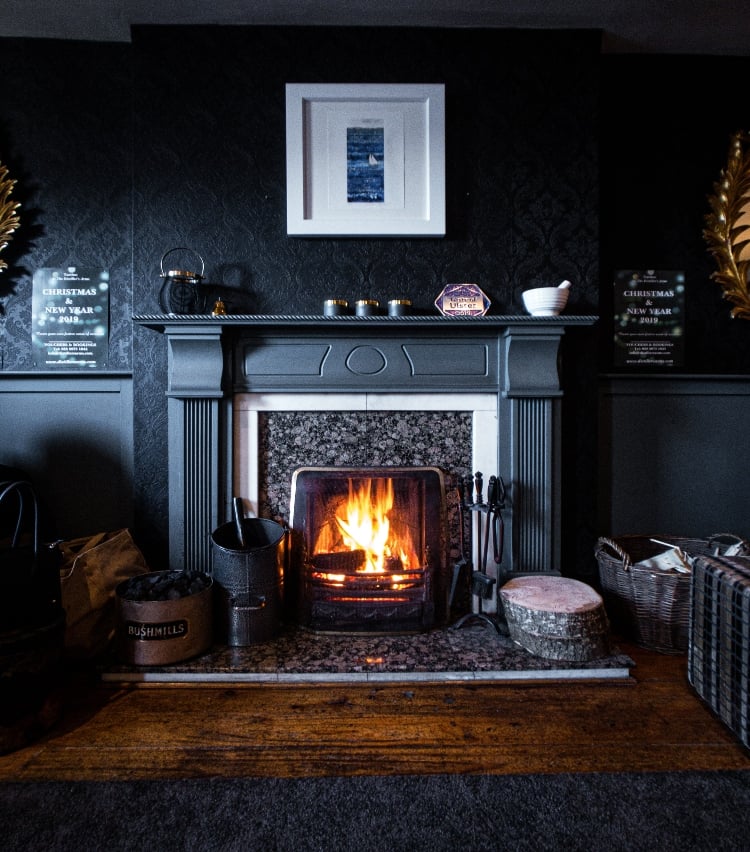
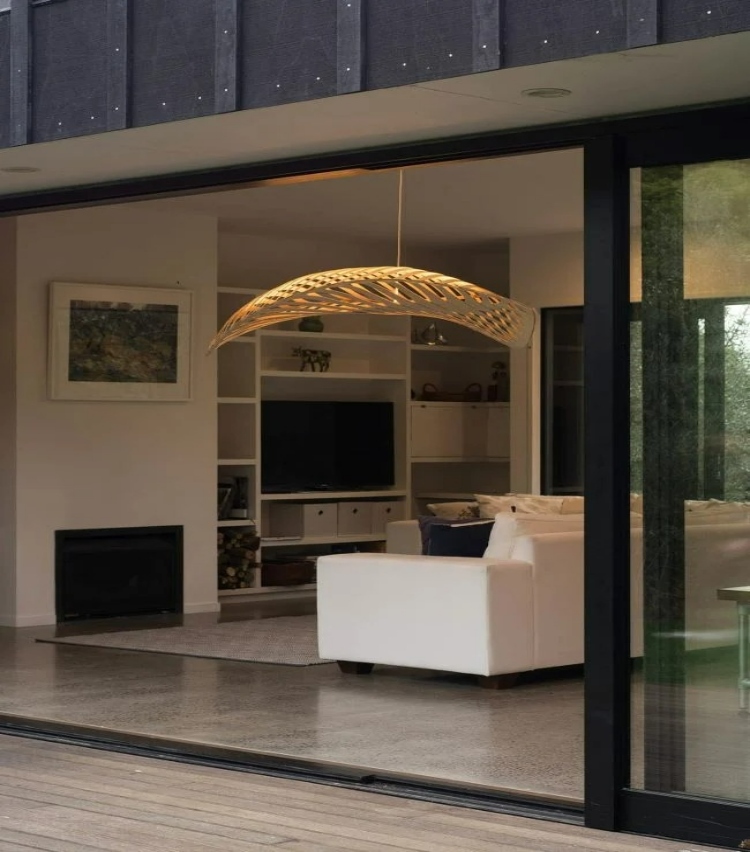
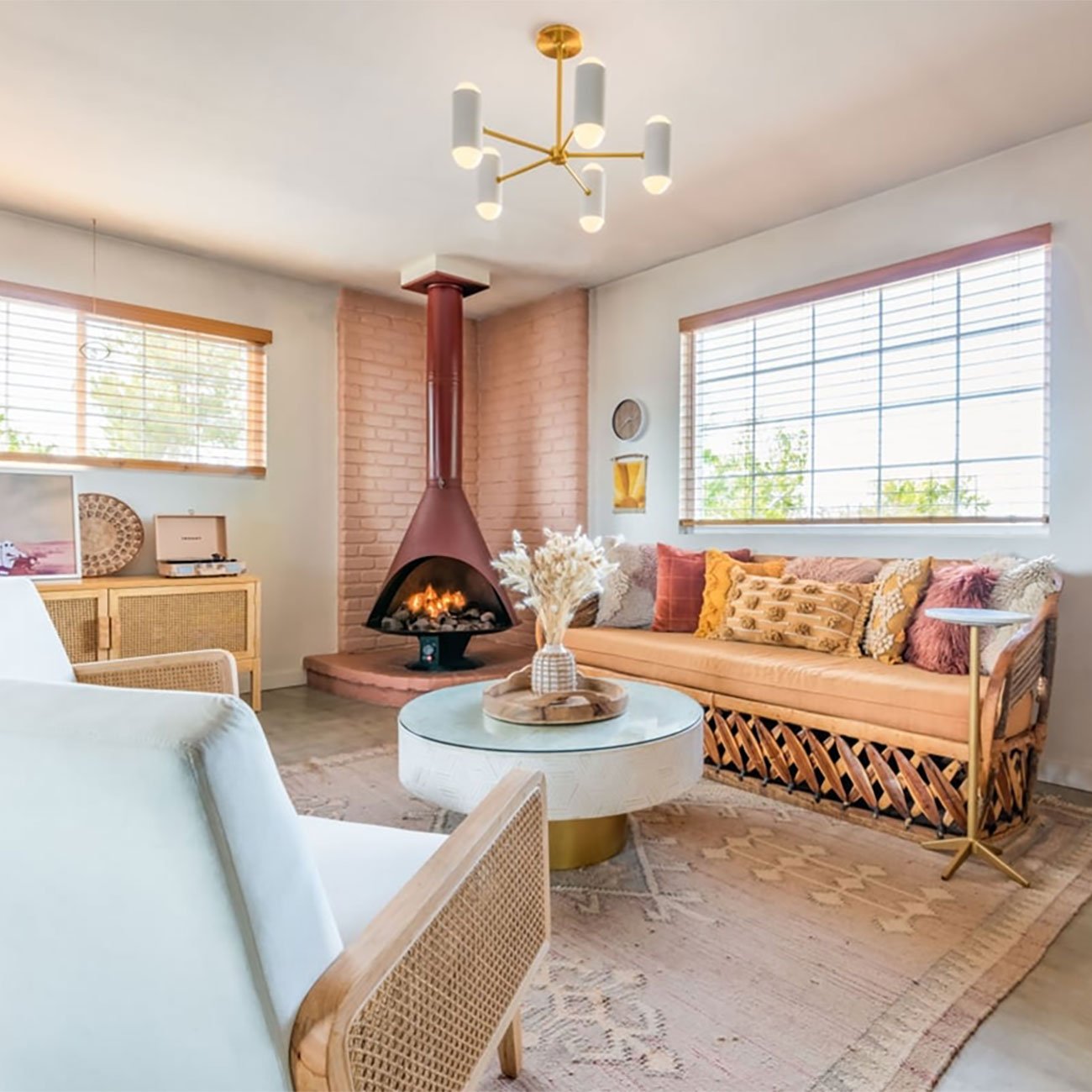
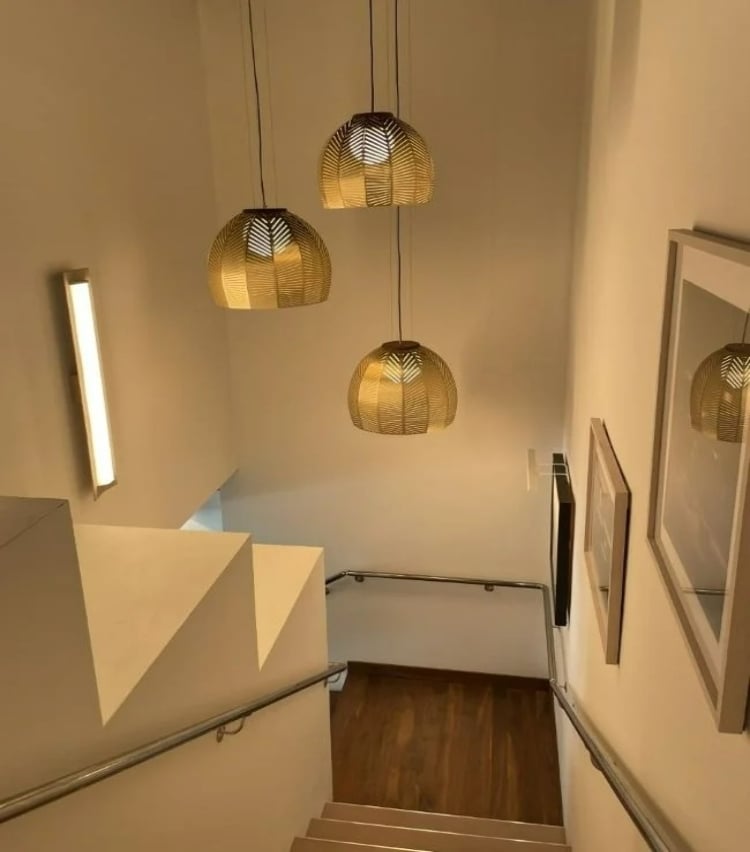
Create sophisticated lighting layers that enhance both function and aesthetic appeal.
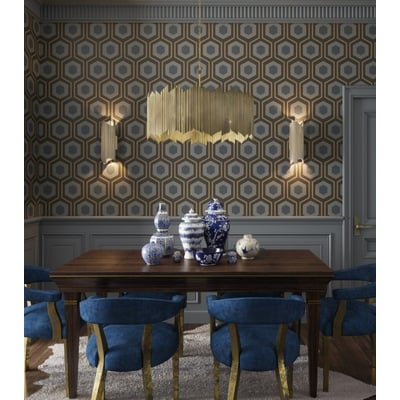
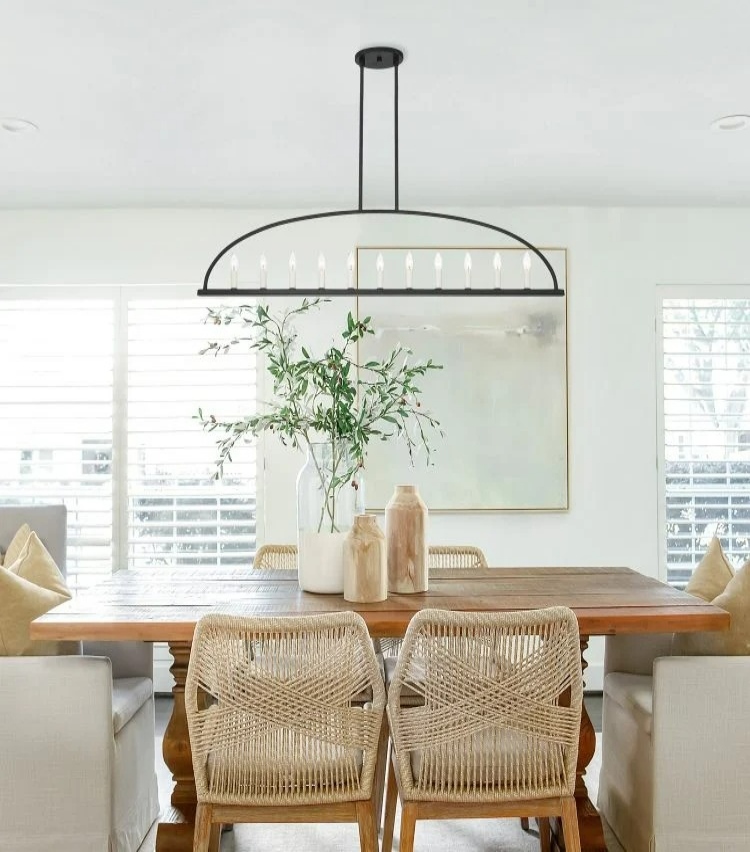
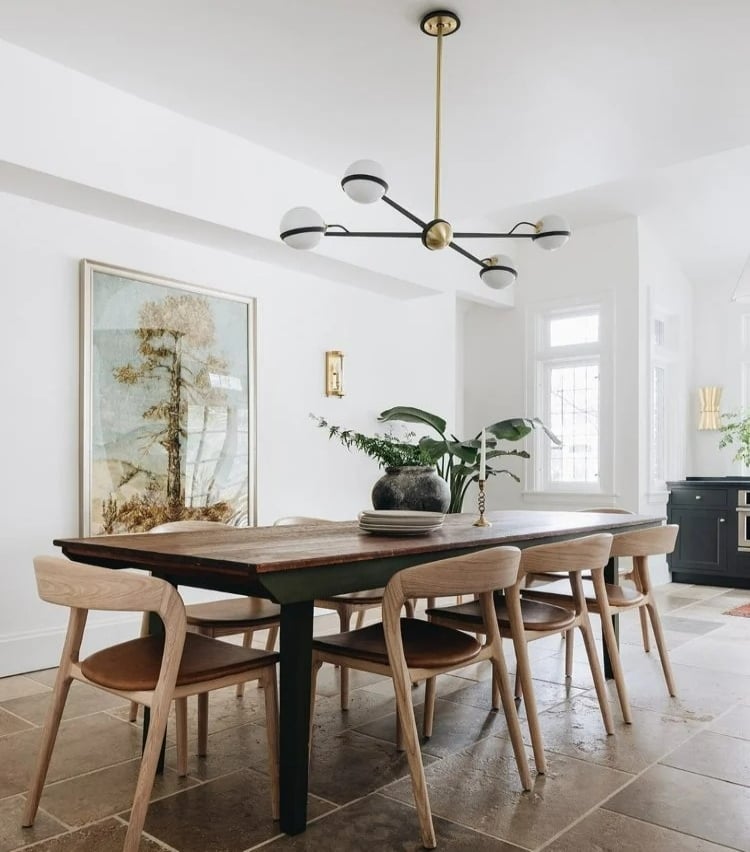
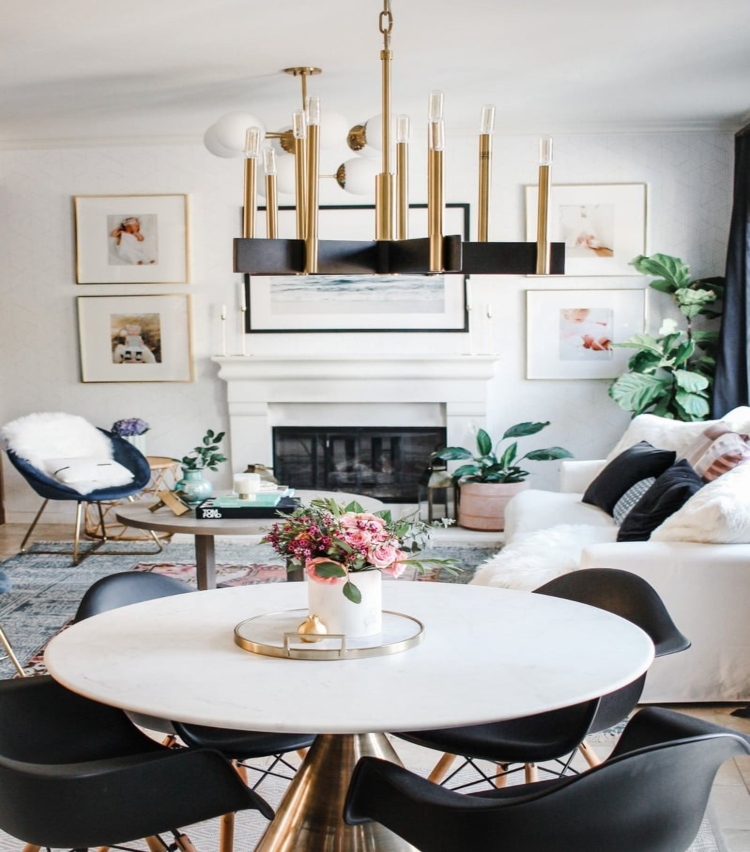
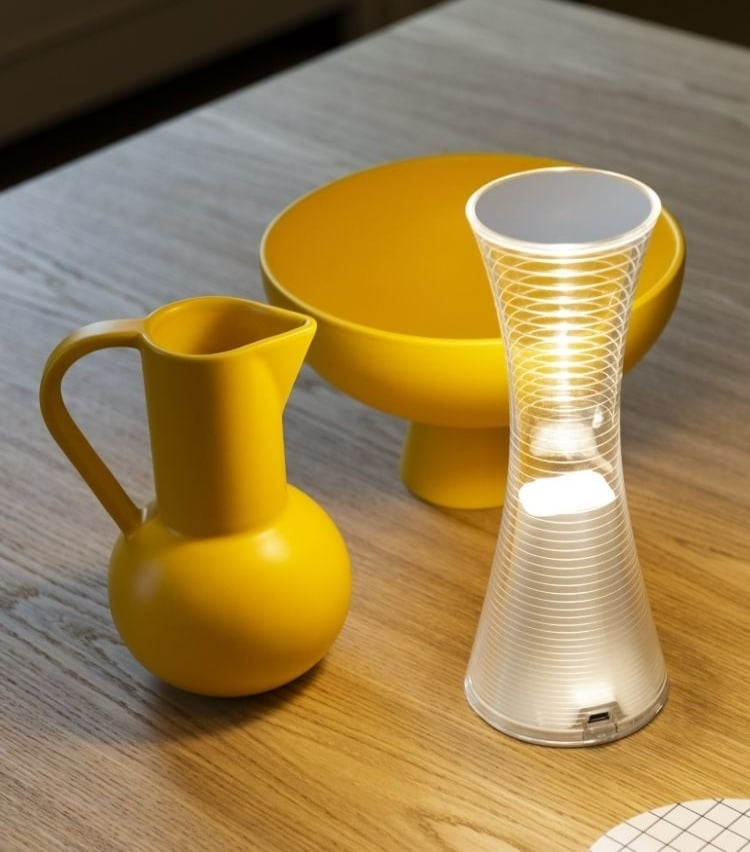
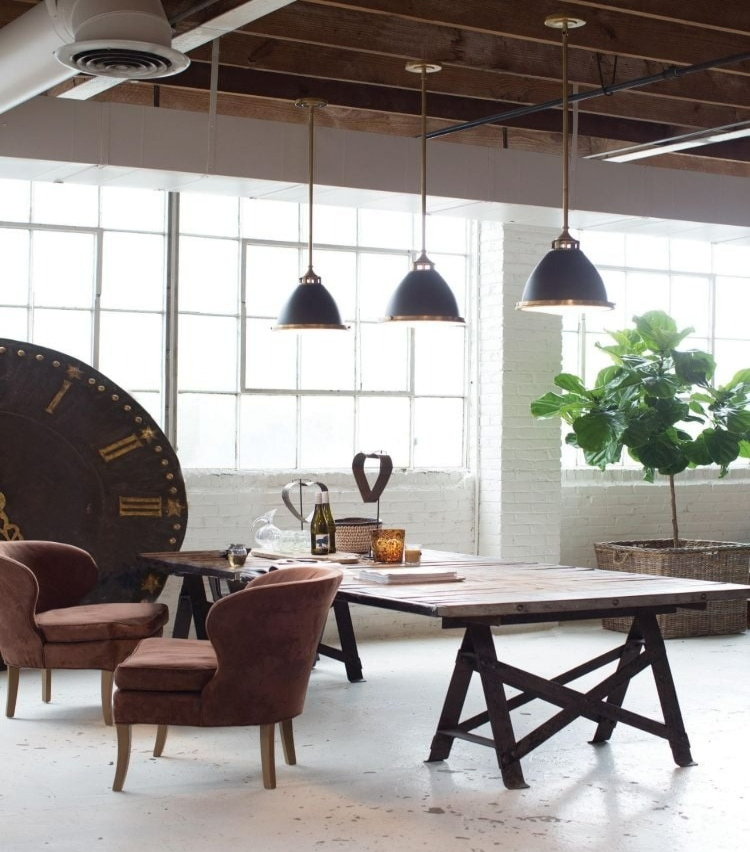
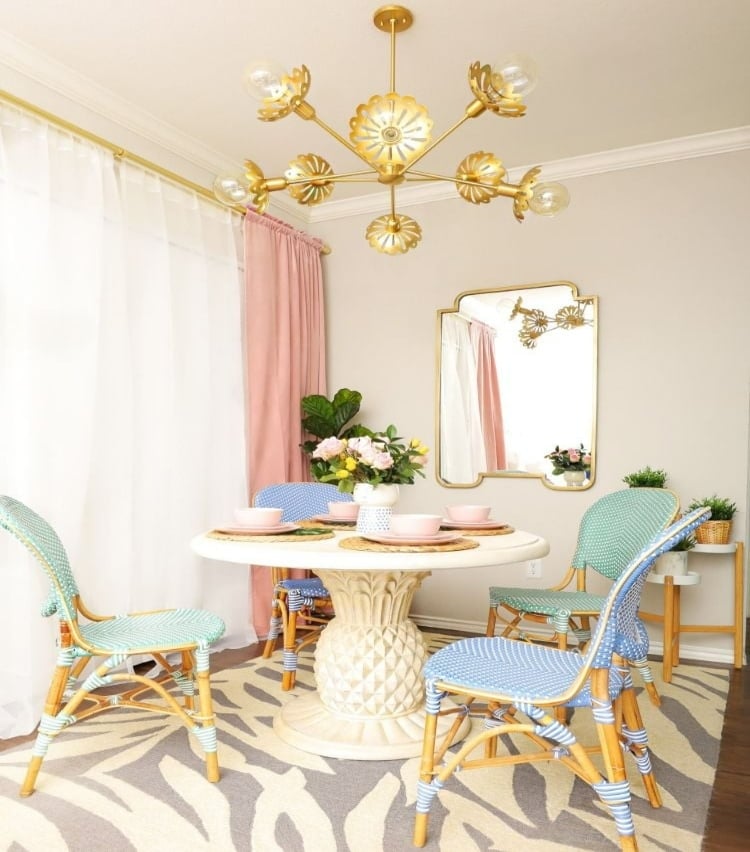
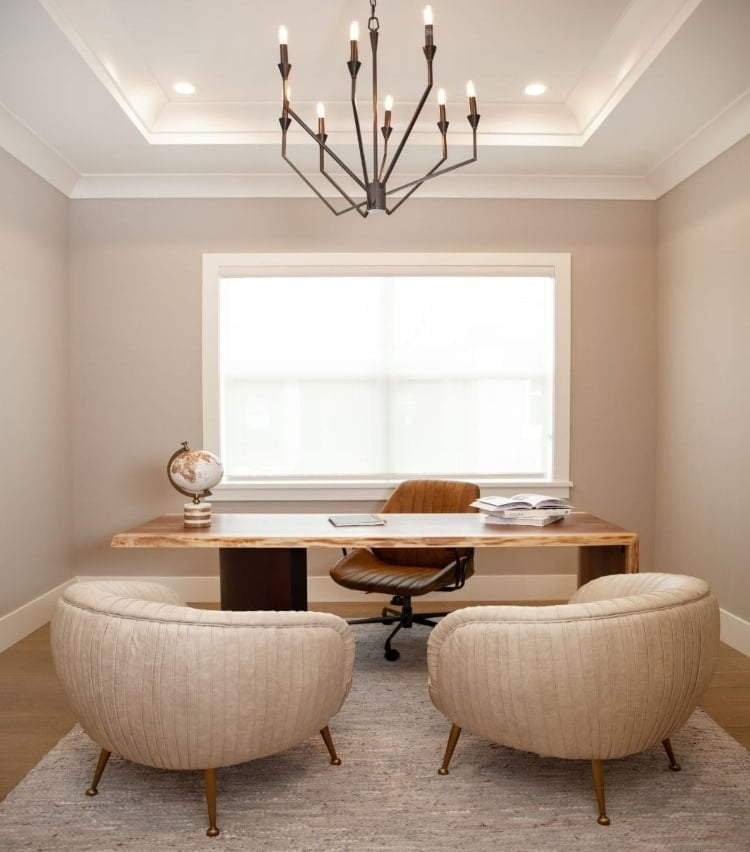
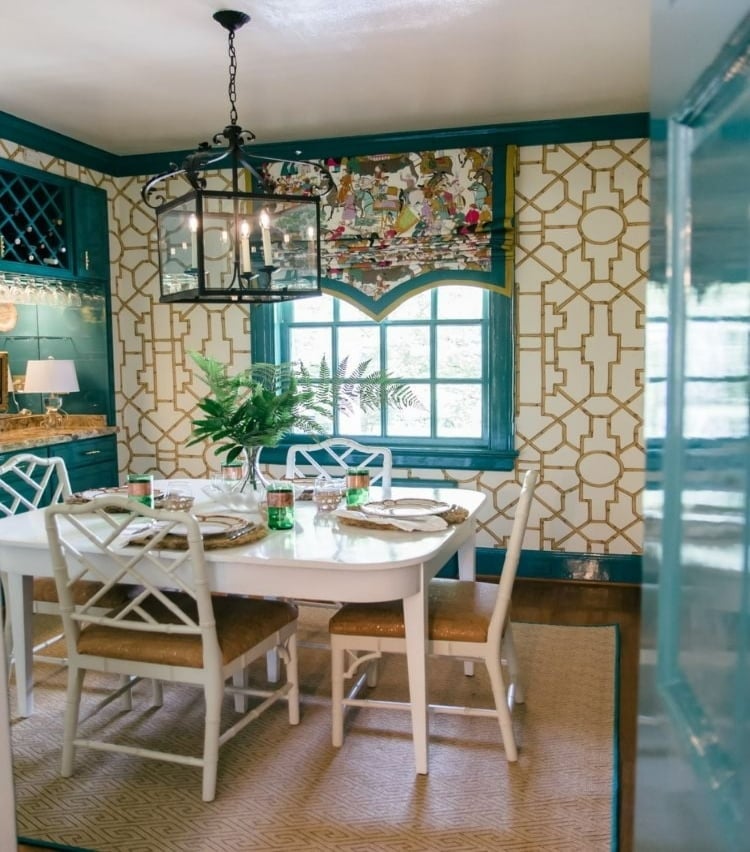
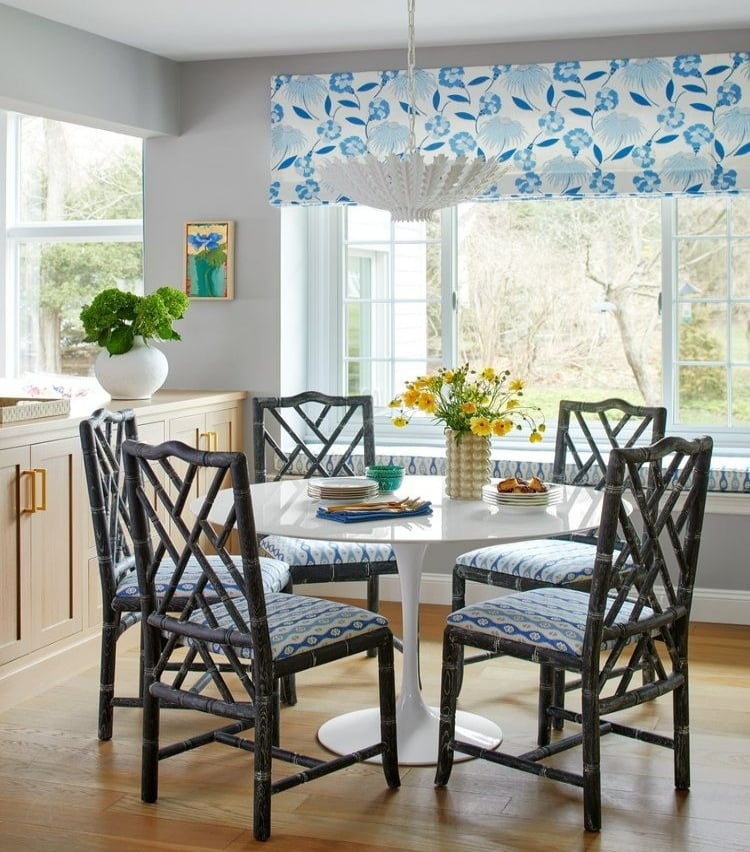
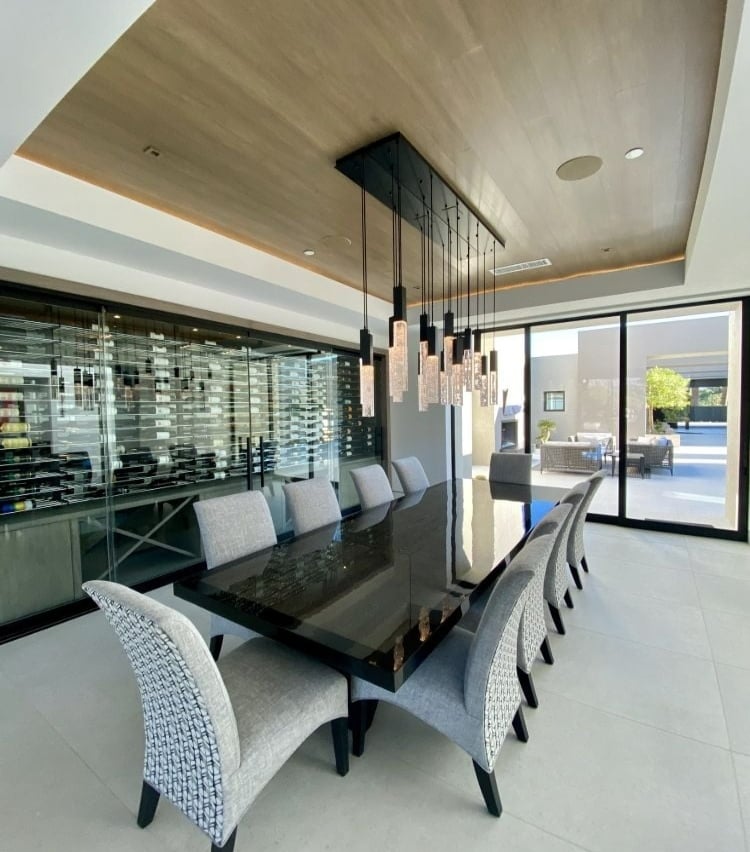
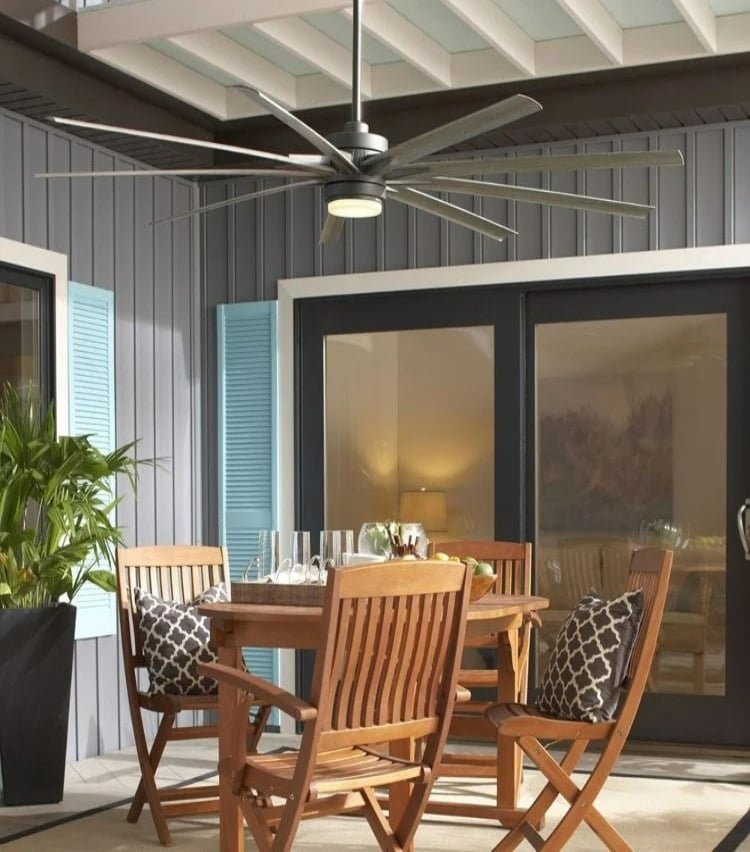
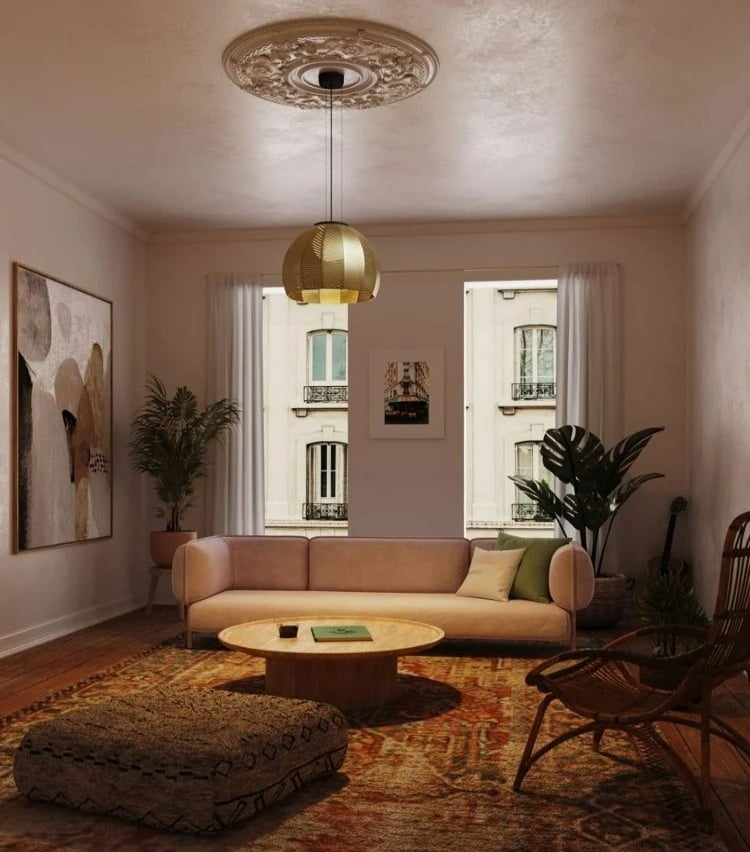
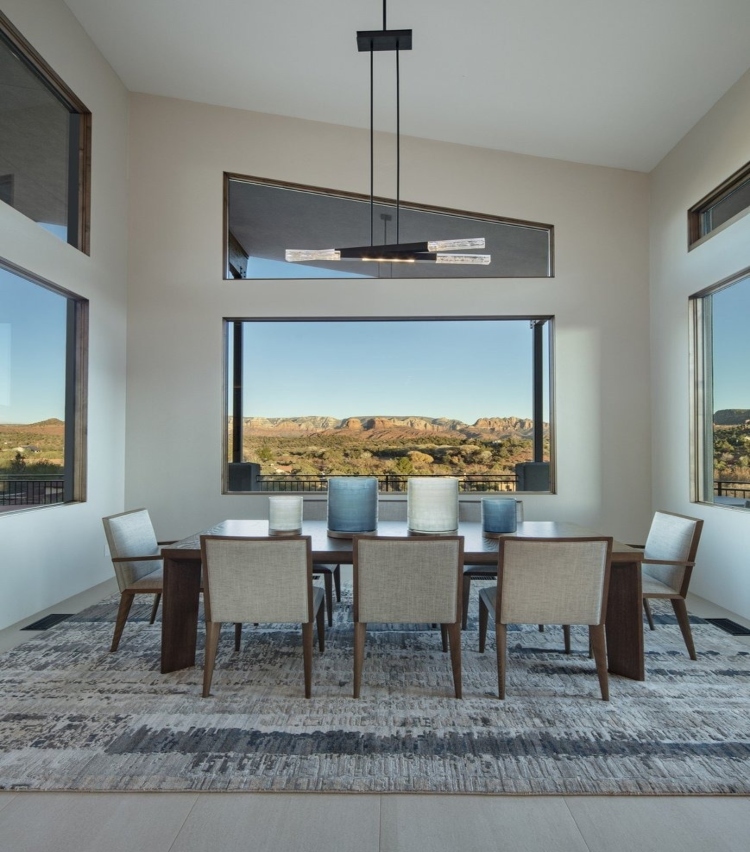
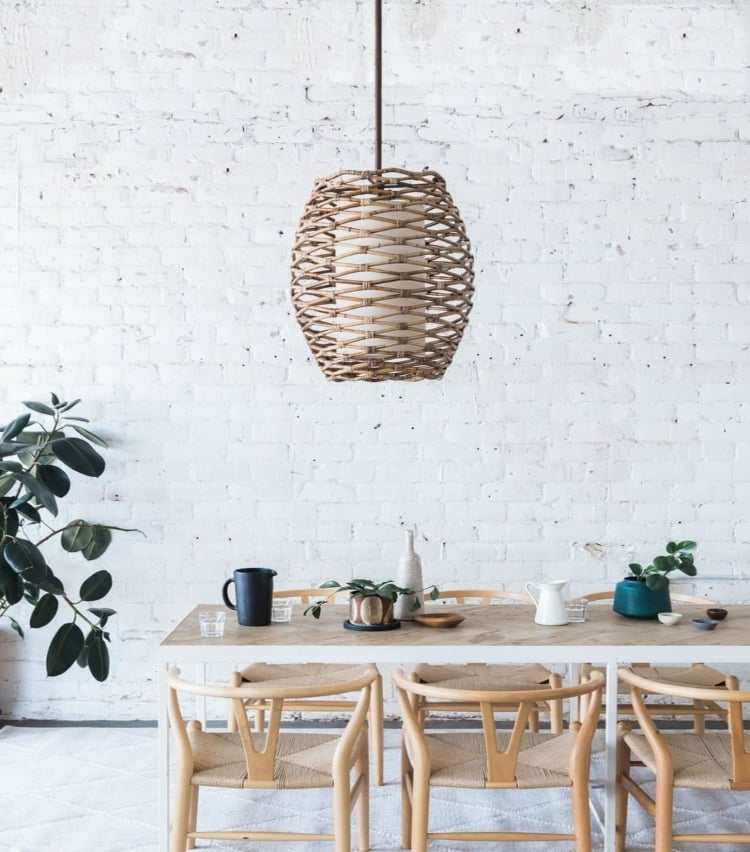
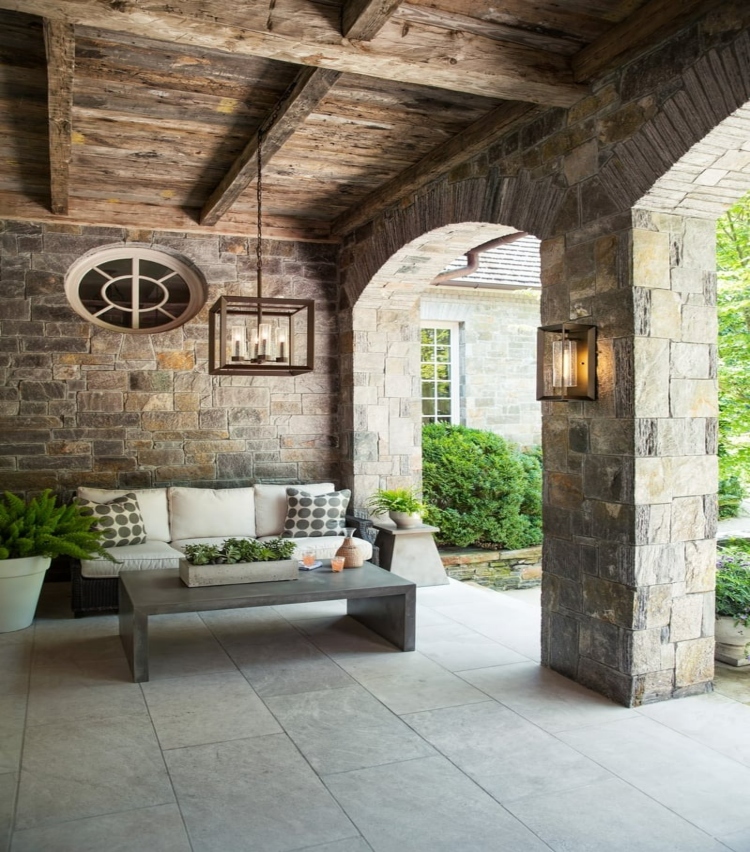
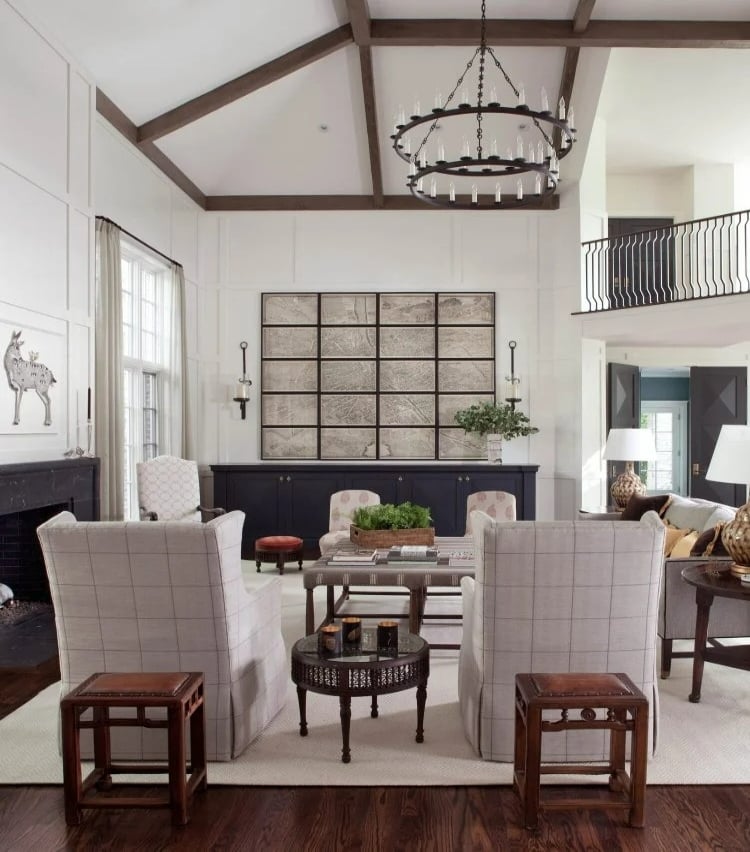
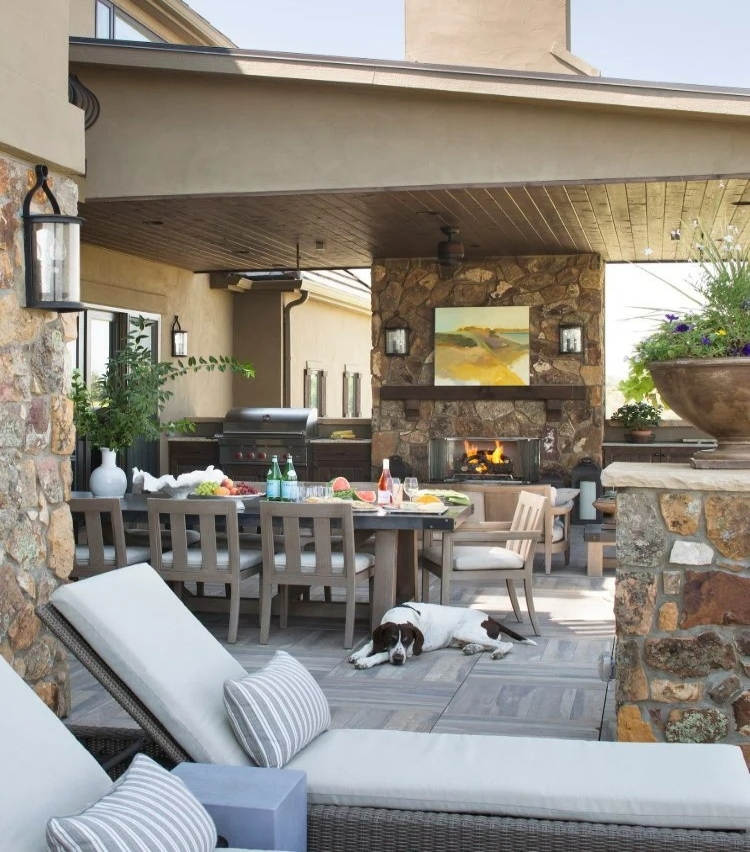
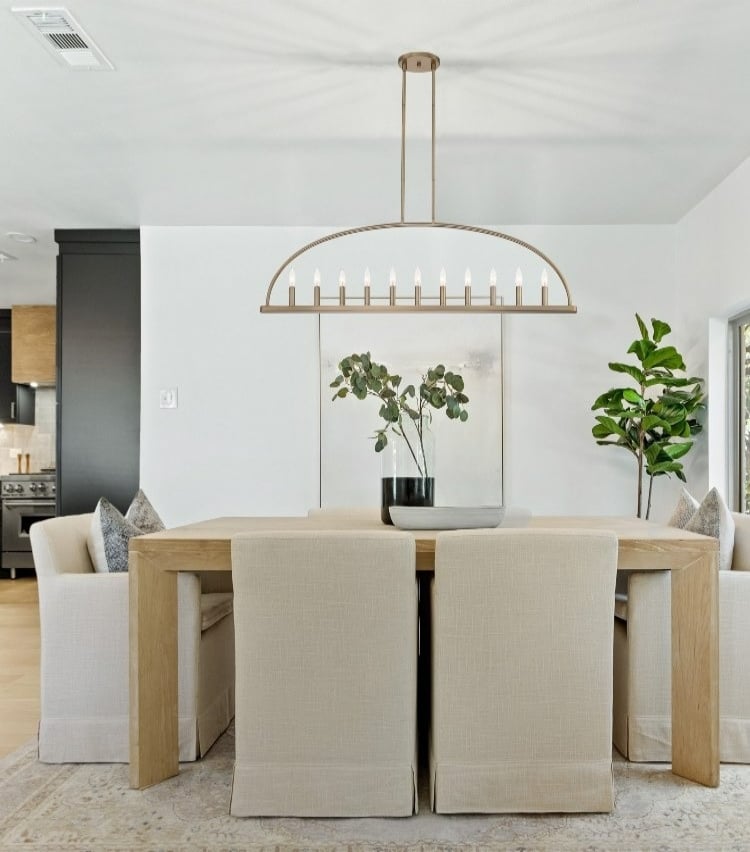
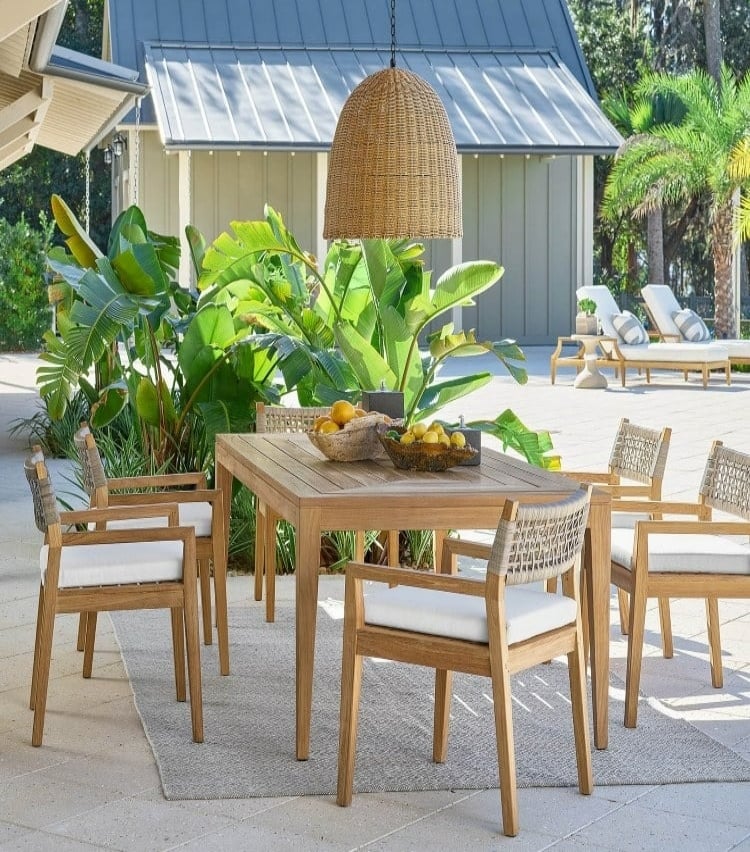
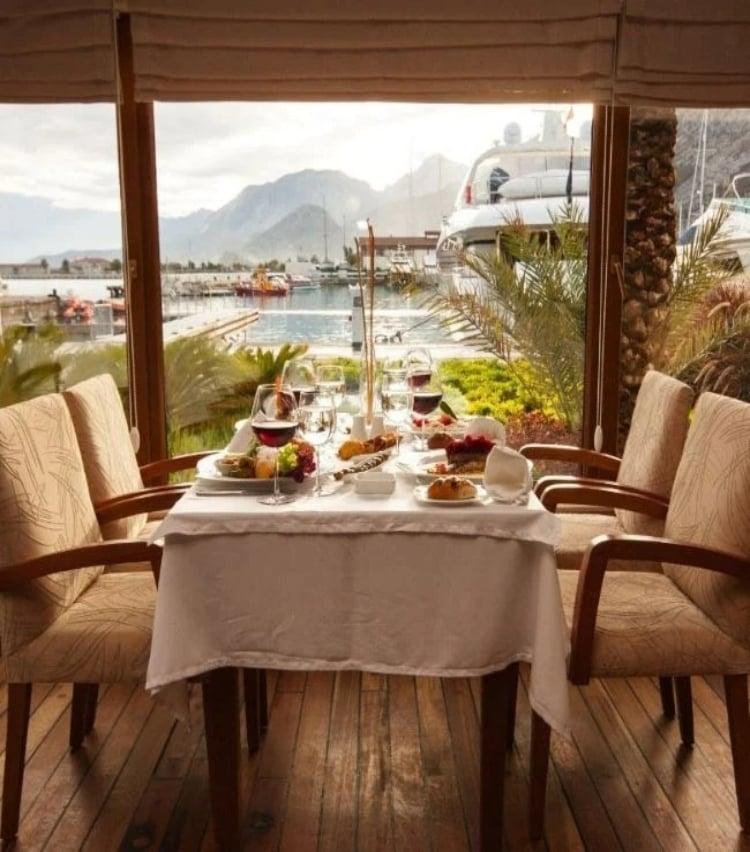
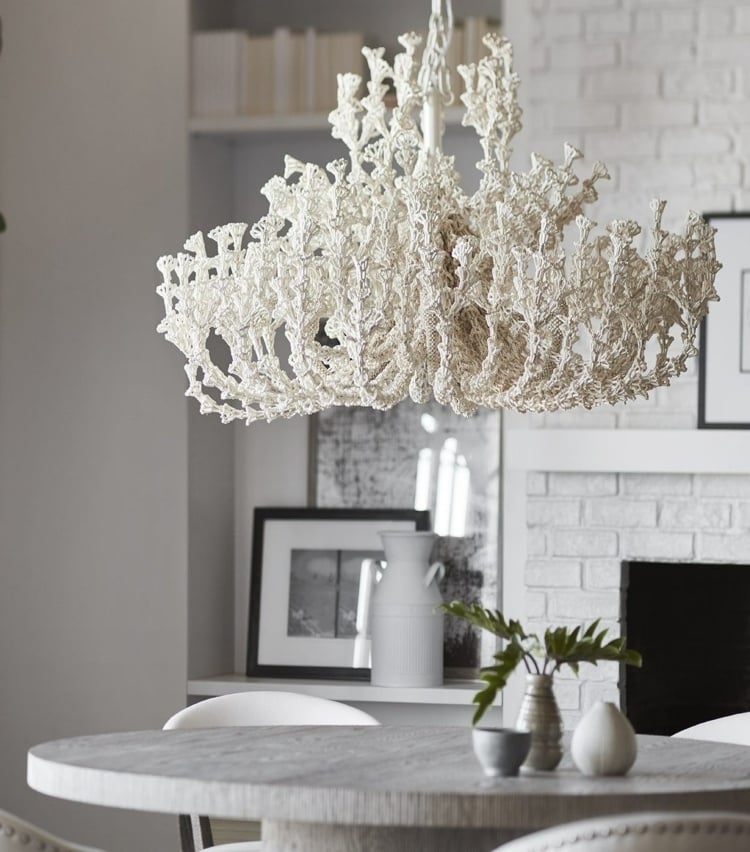
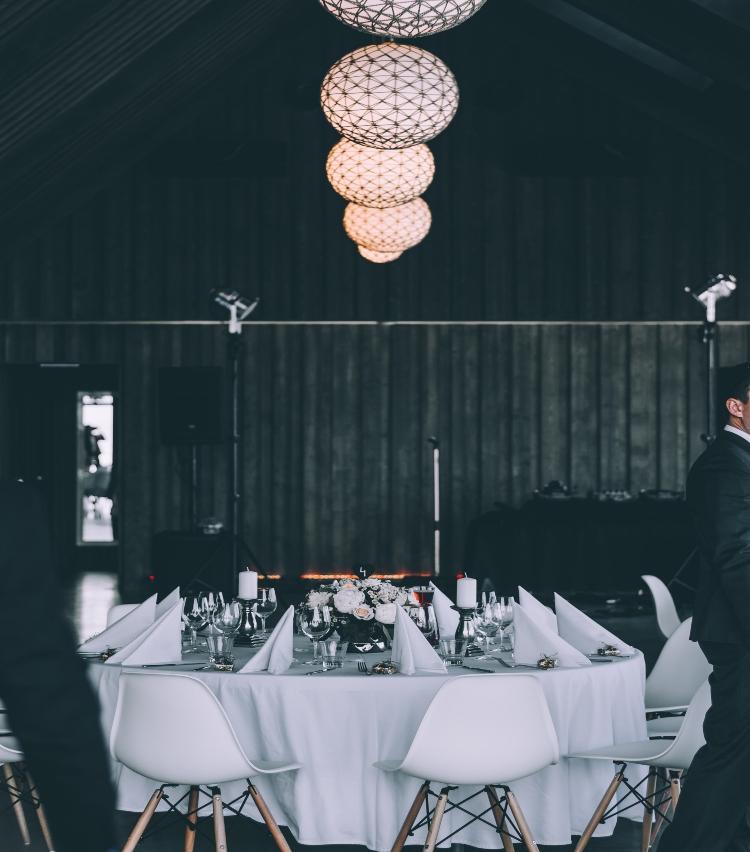
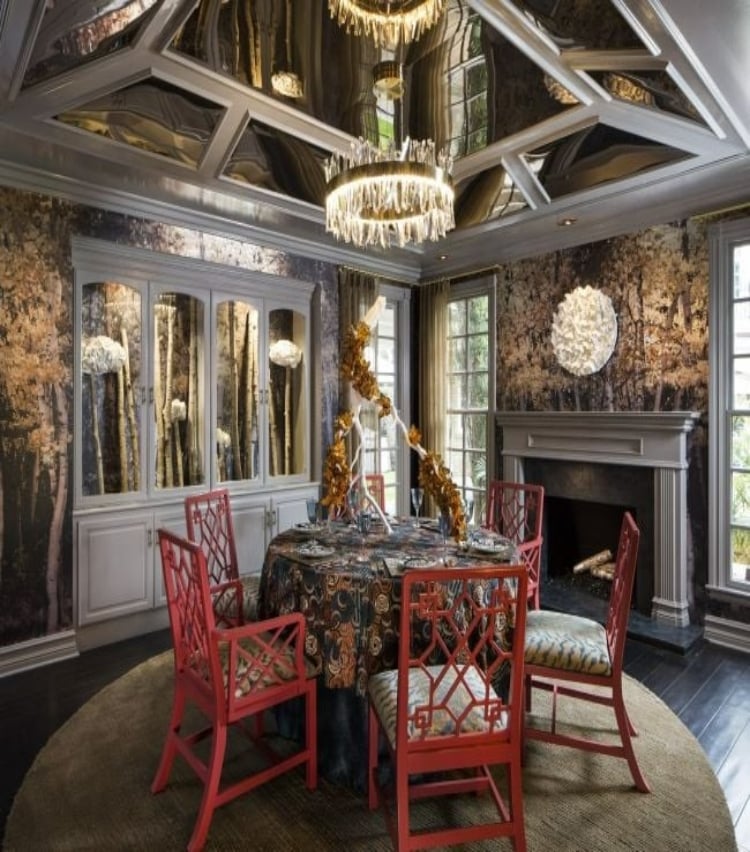
Create versatile lighting environments suitable for both daily meals and formal entertaining.
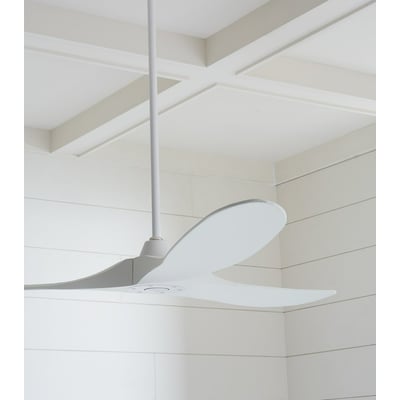
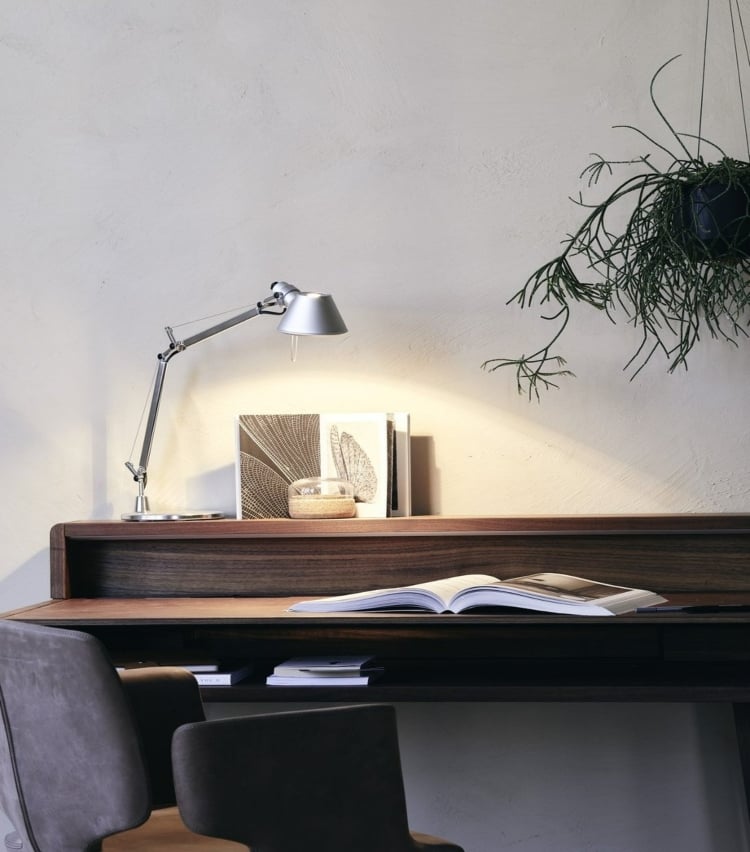
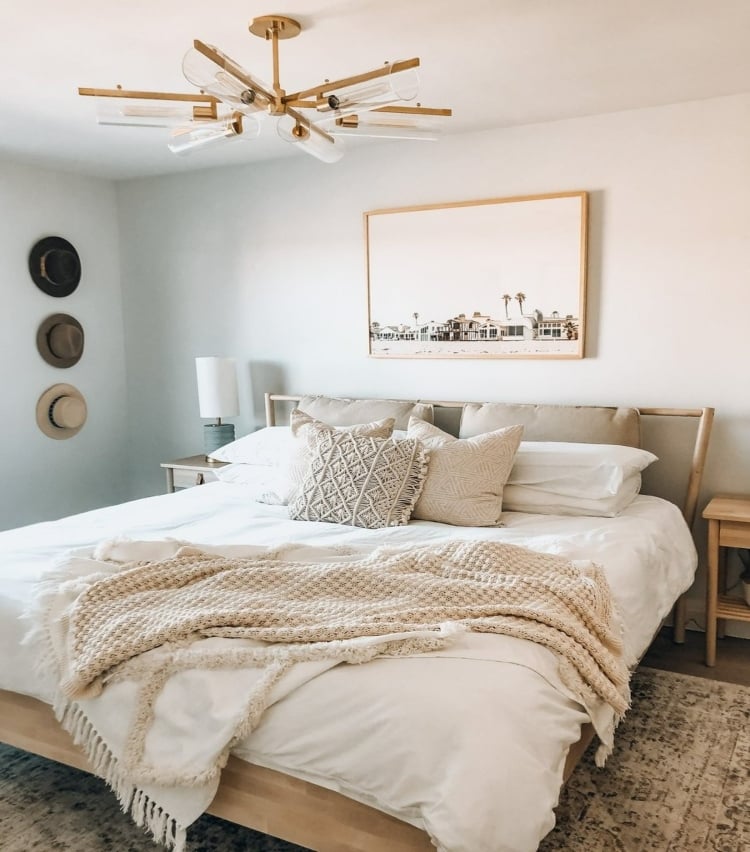
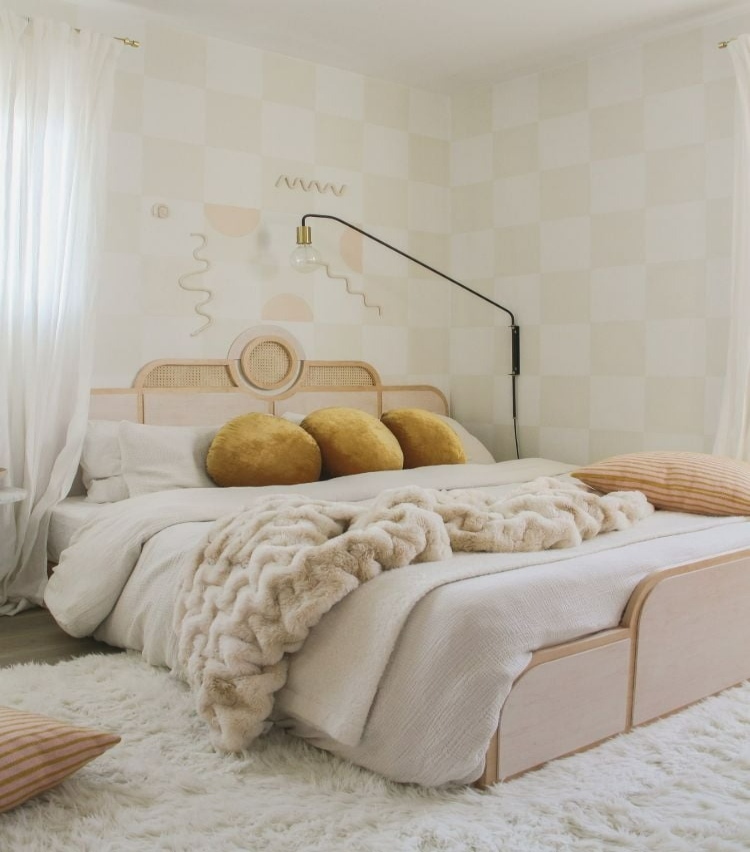
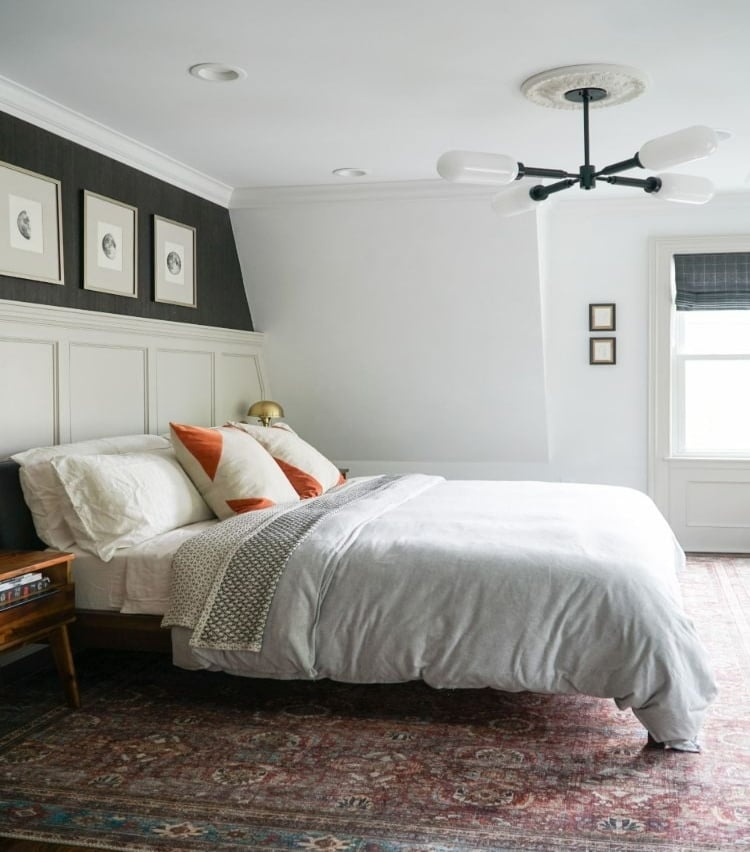
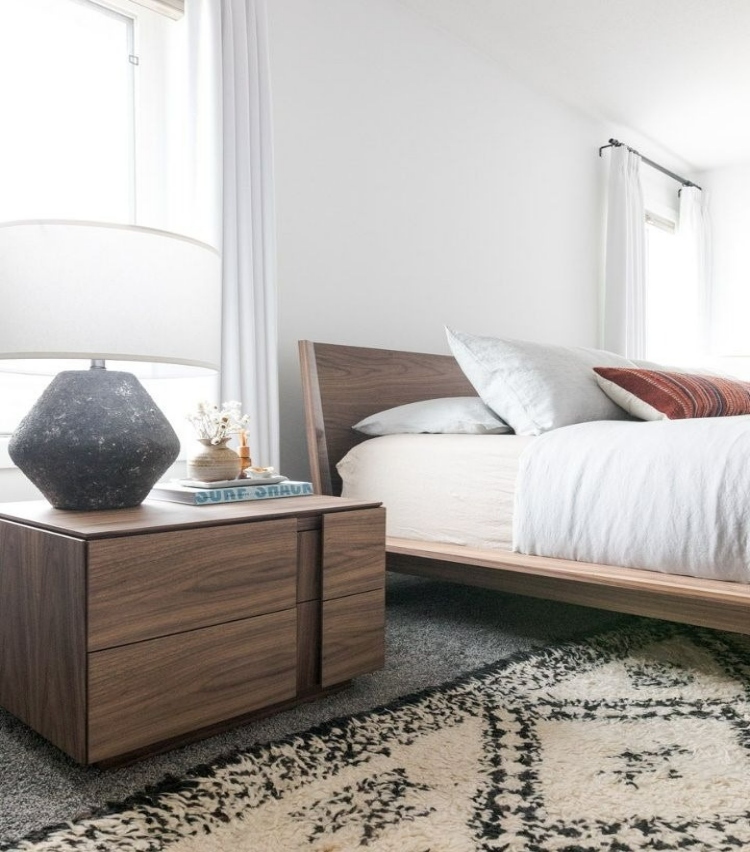
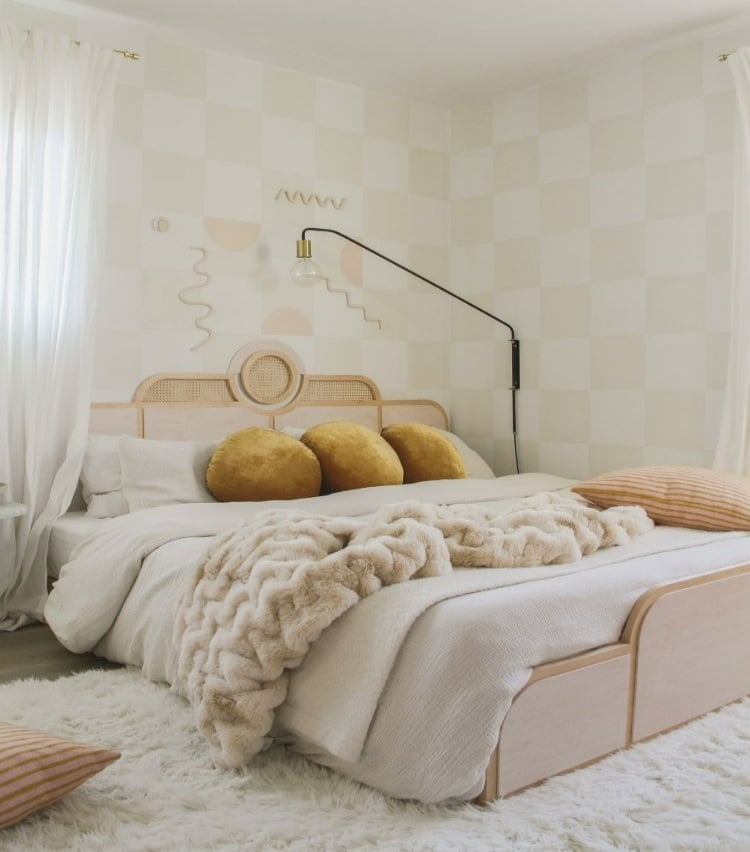
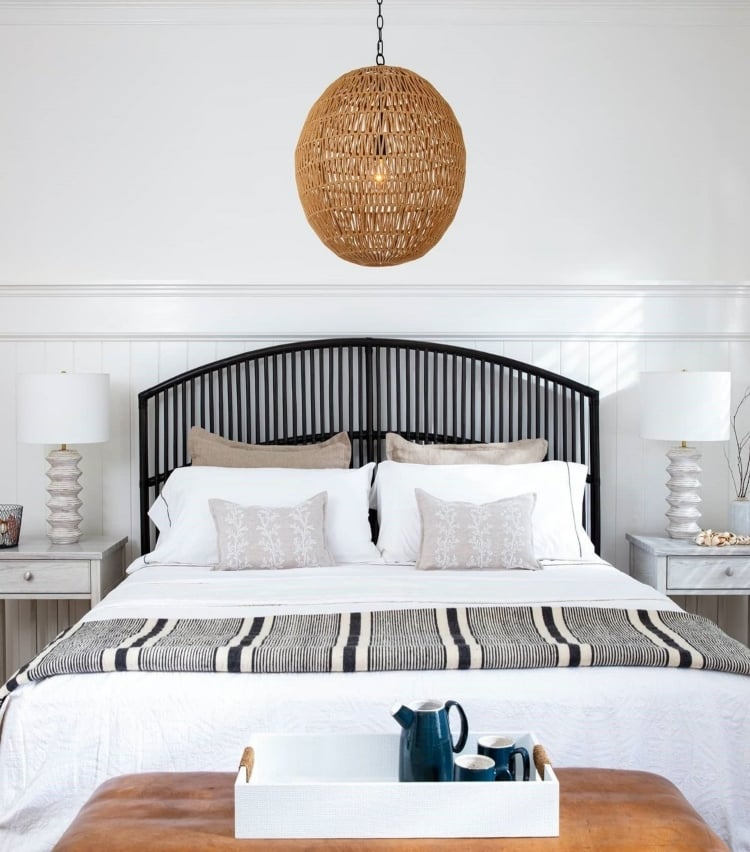
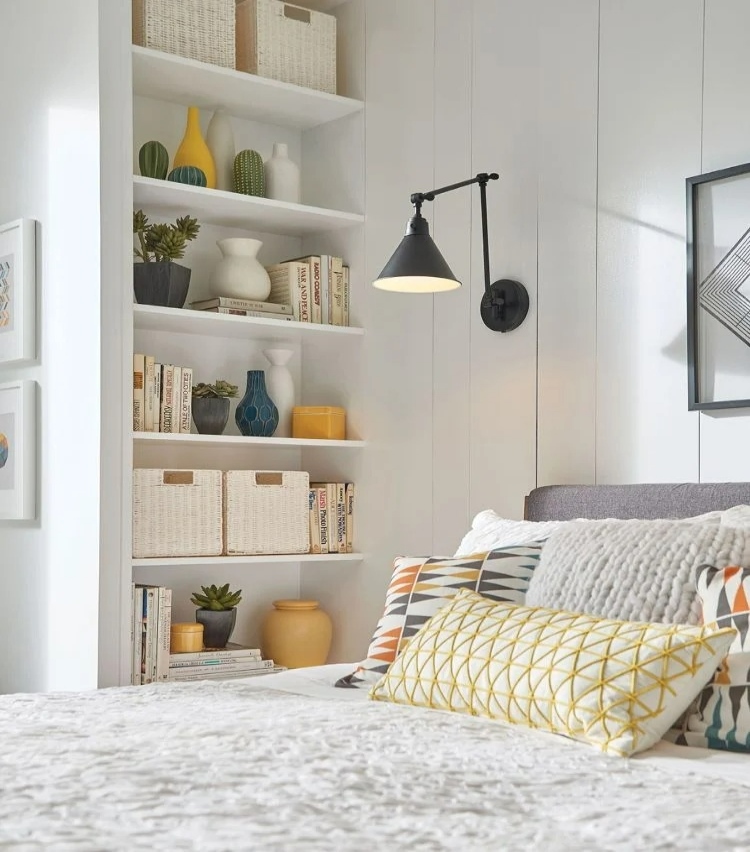
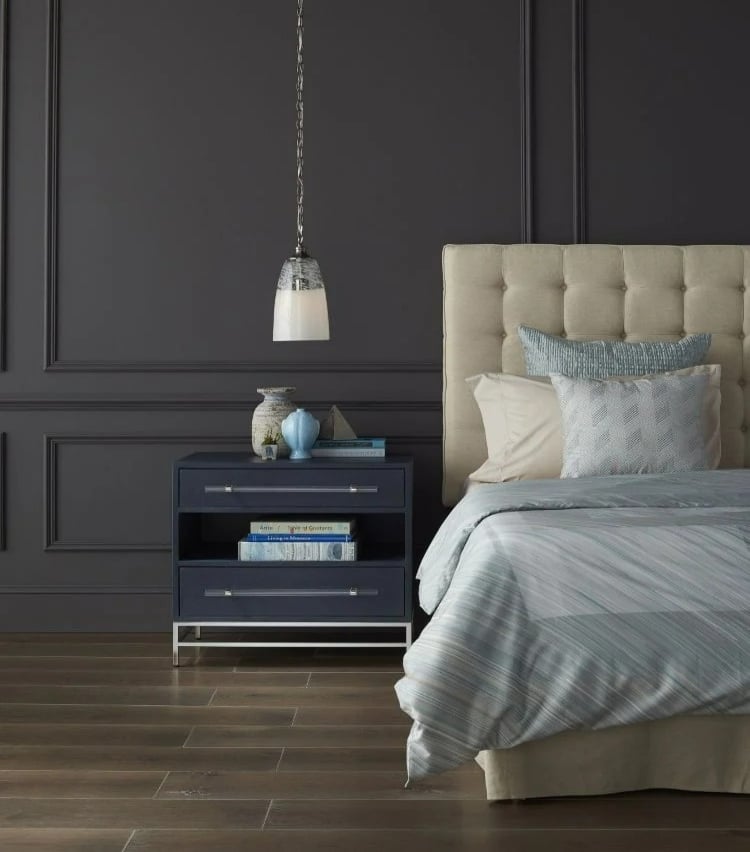
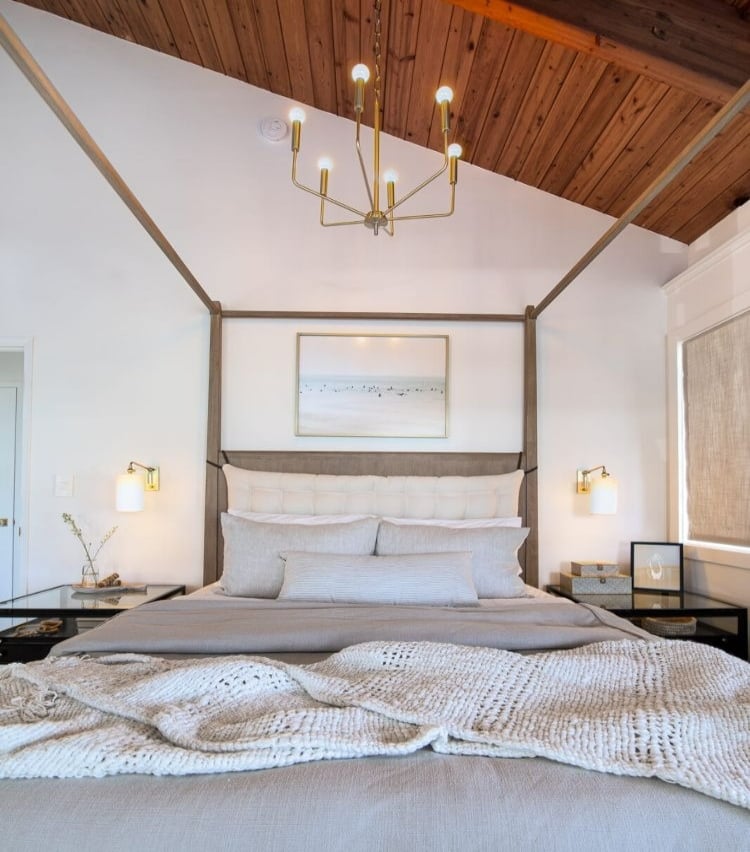
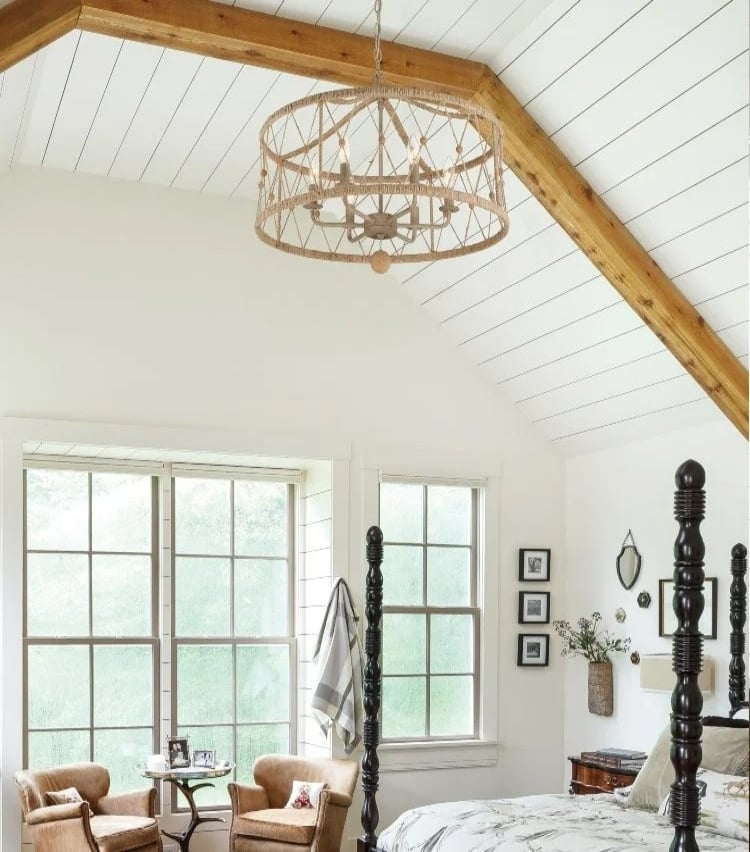
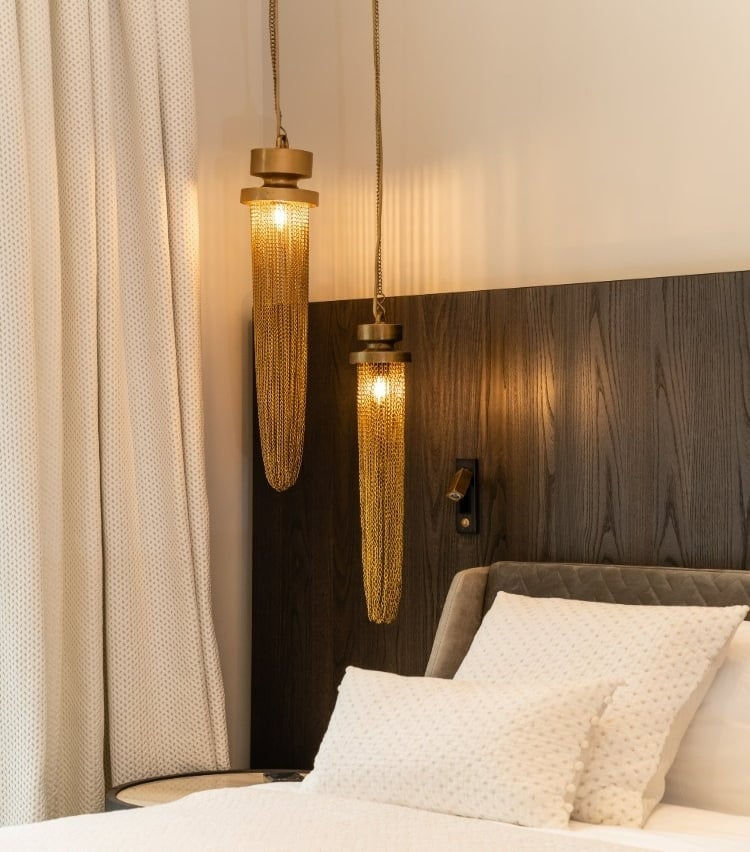
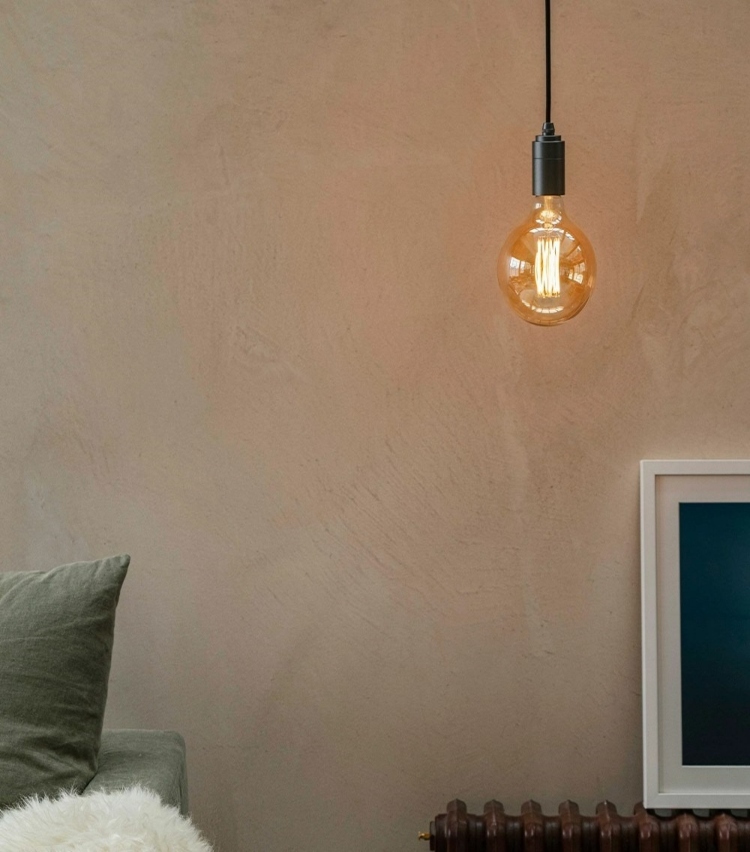
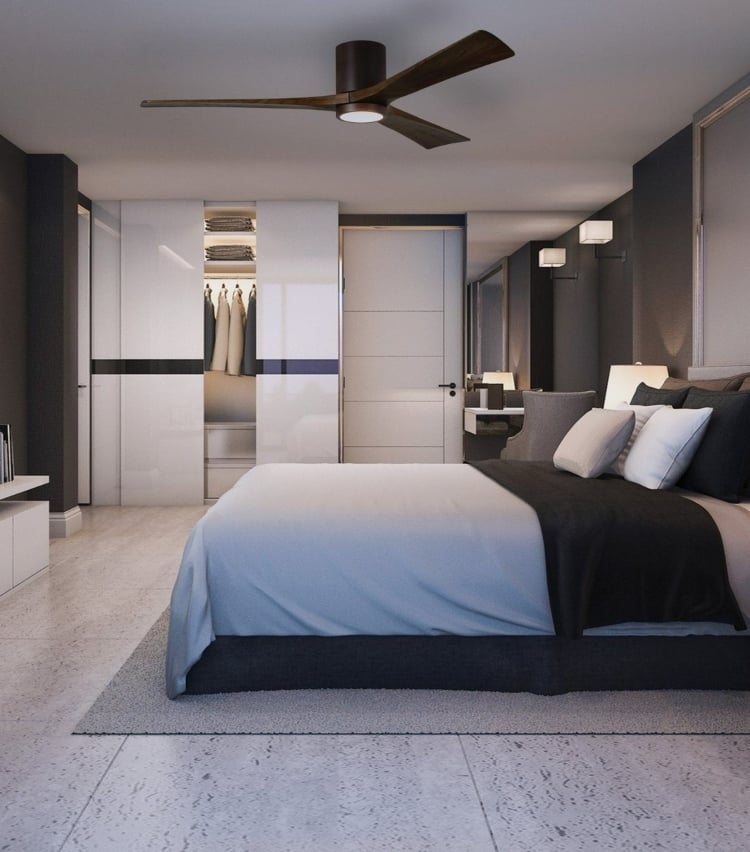
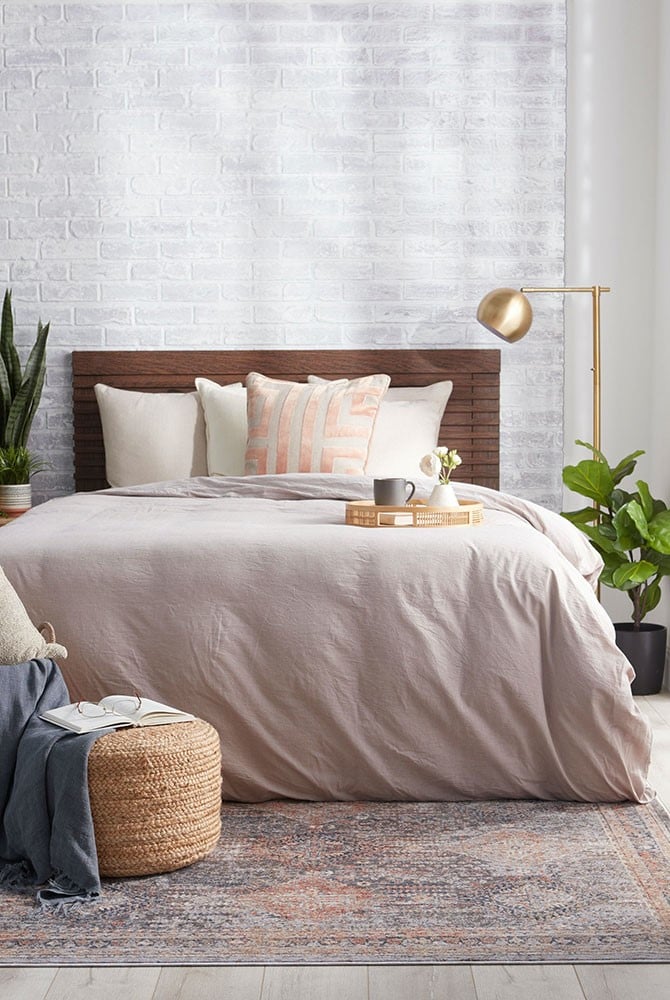
Design restful environments with carefully controlled lighting for multiple activities.
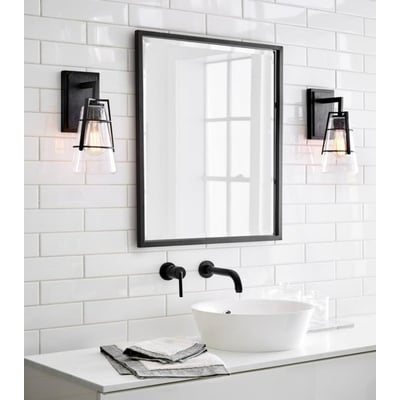
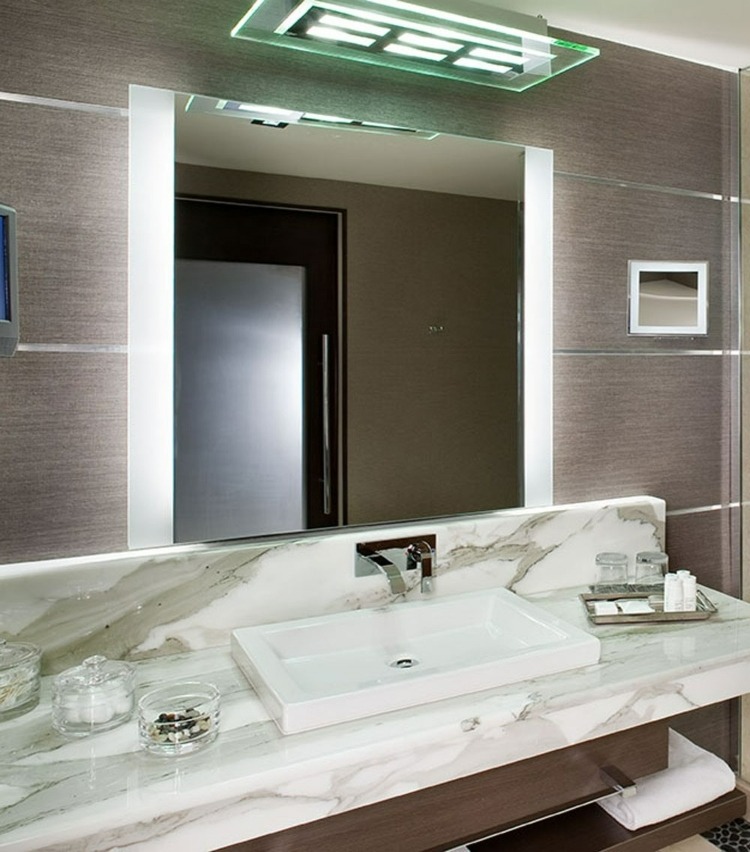
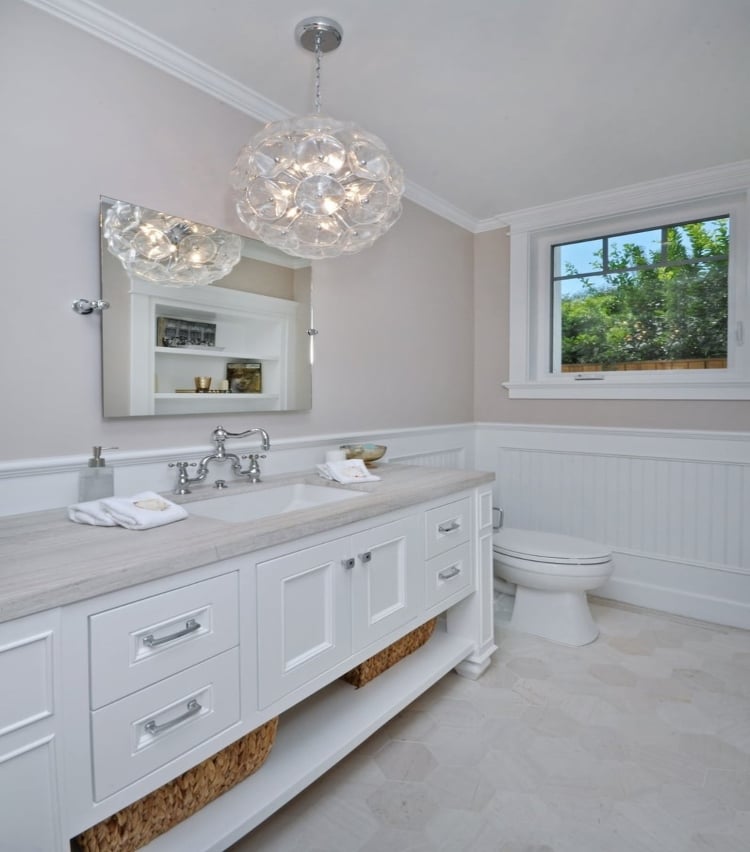
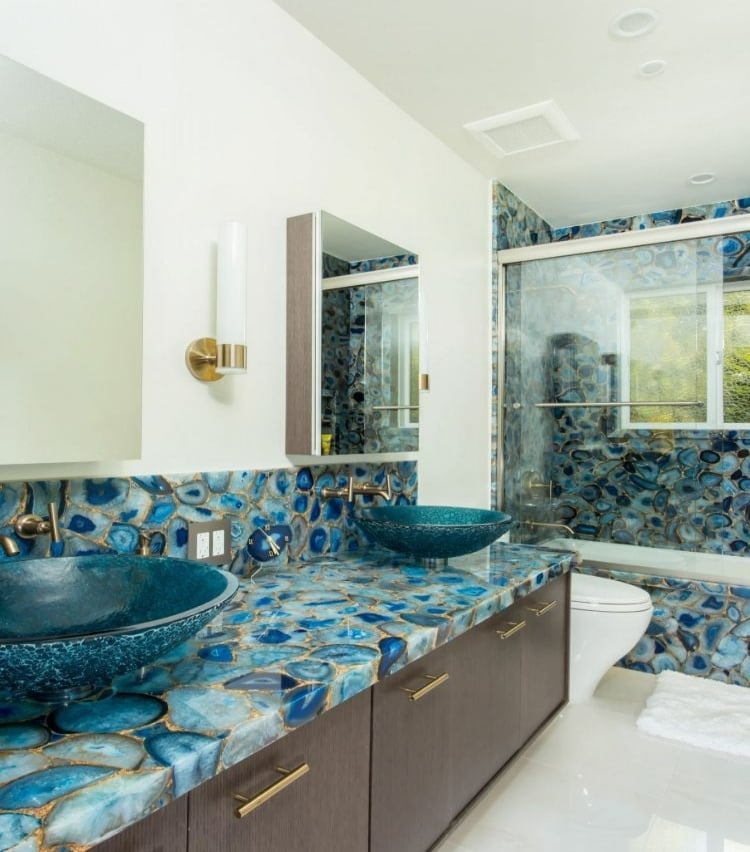
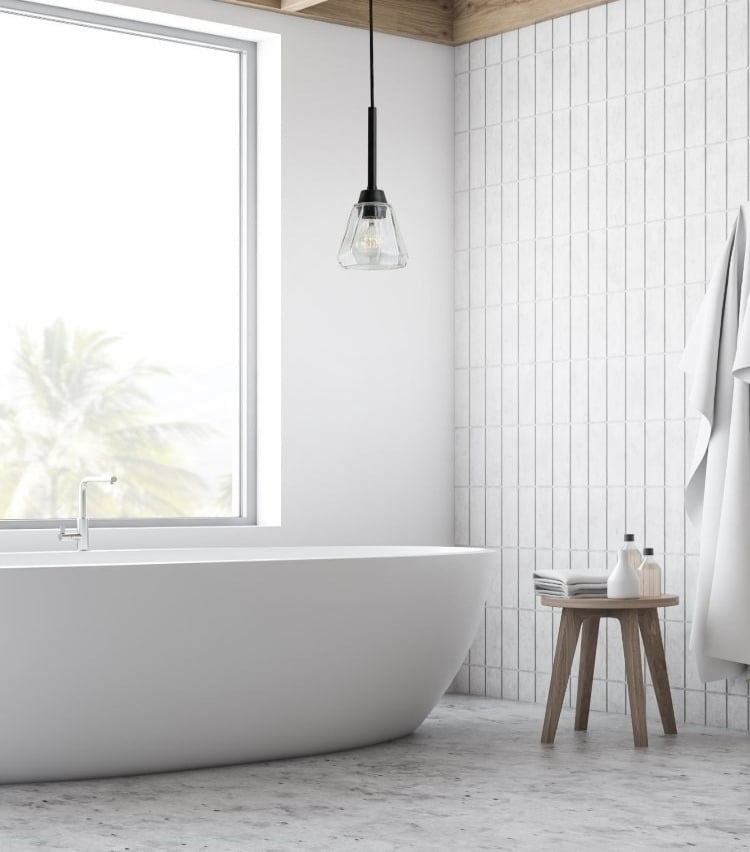
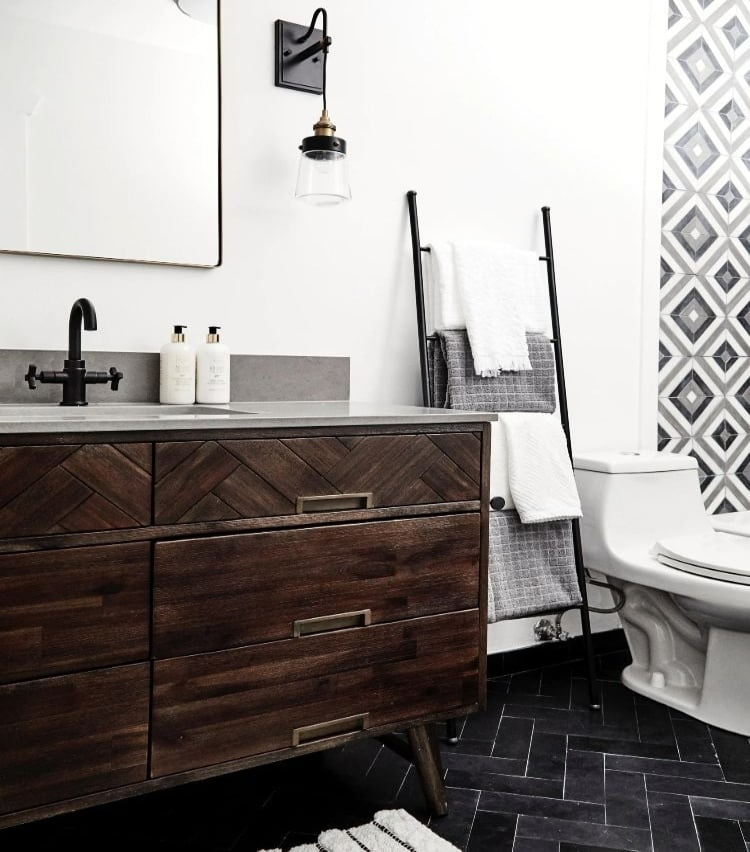
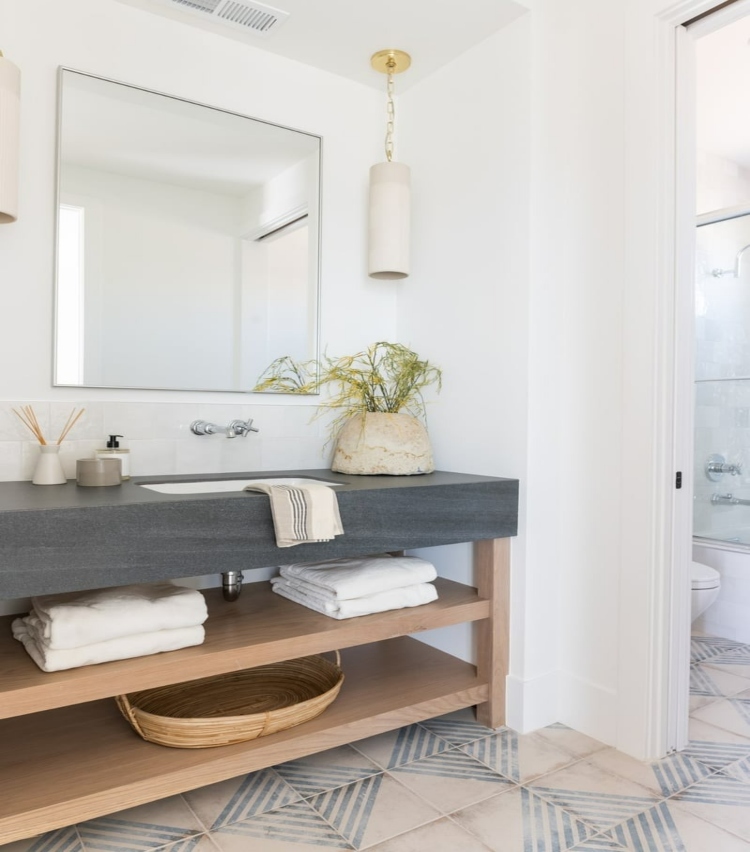
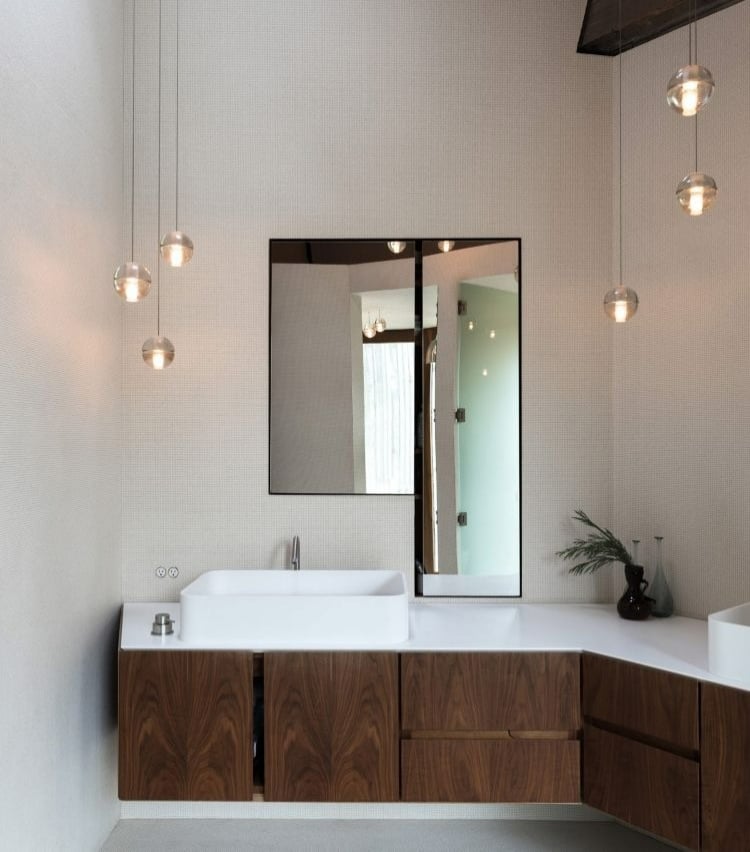
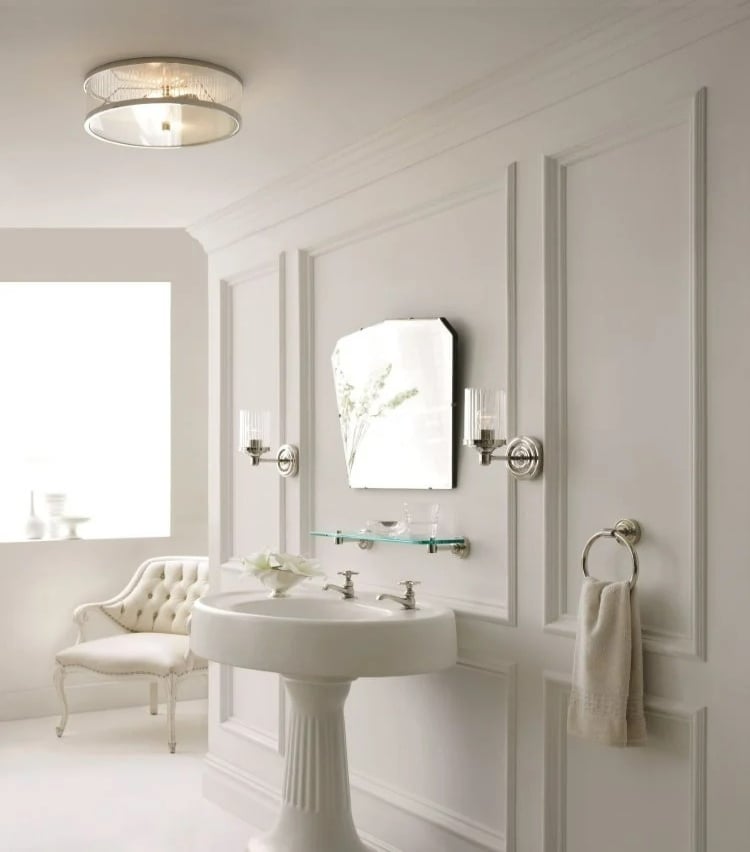
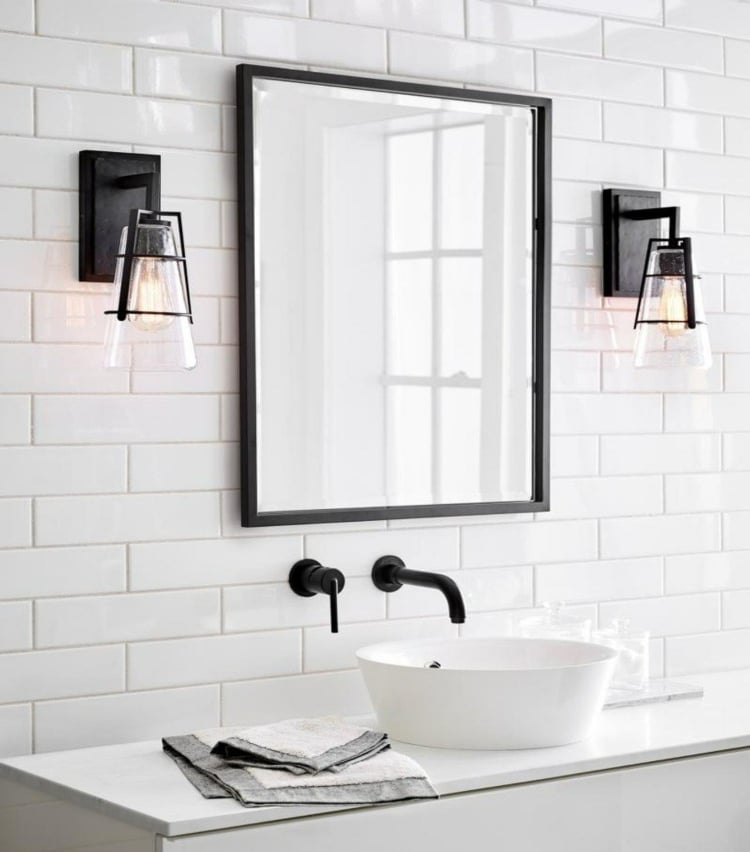
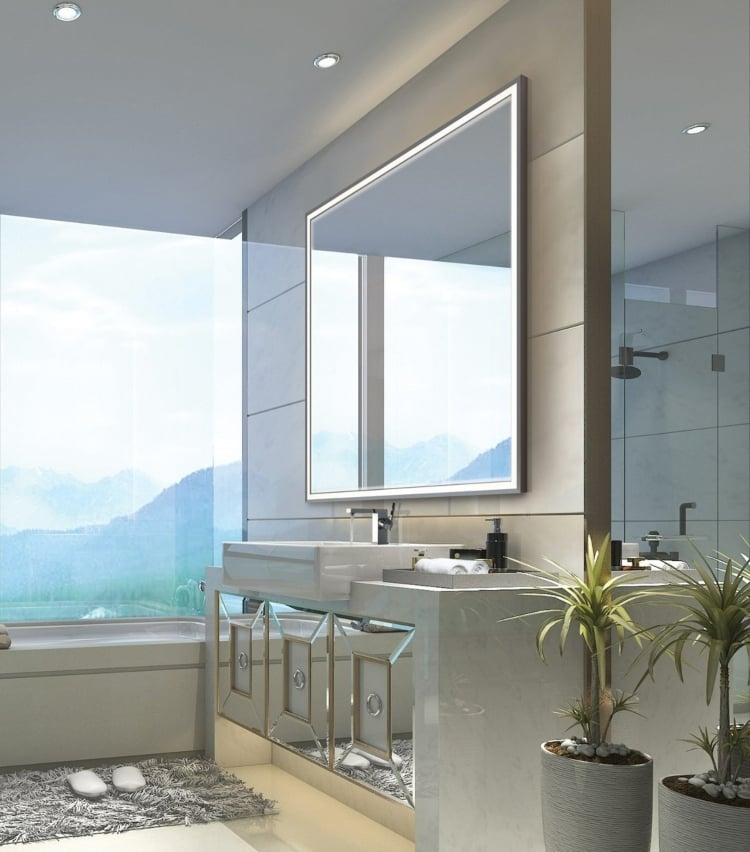
Balance task requirements with safety standards in moisture-prone environments.
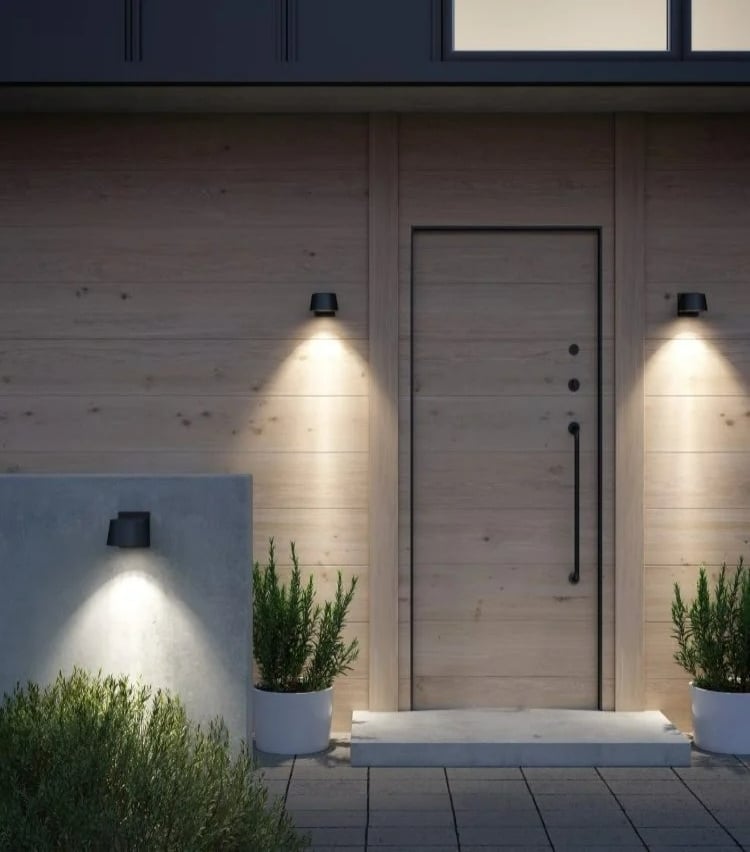
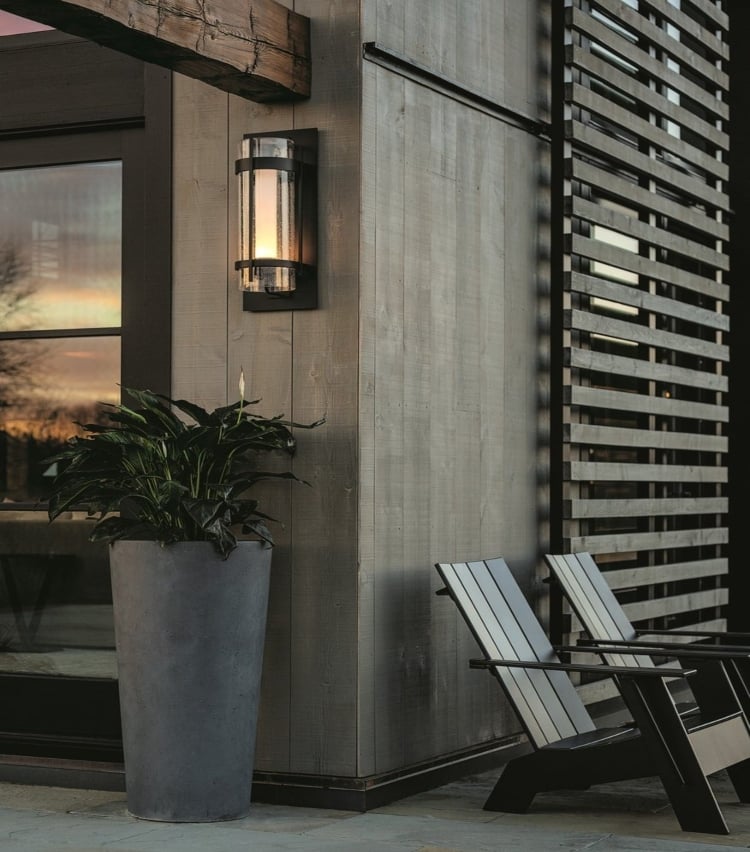
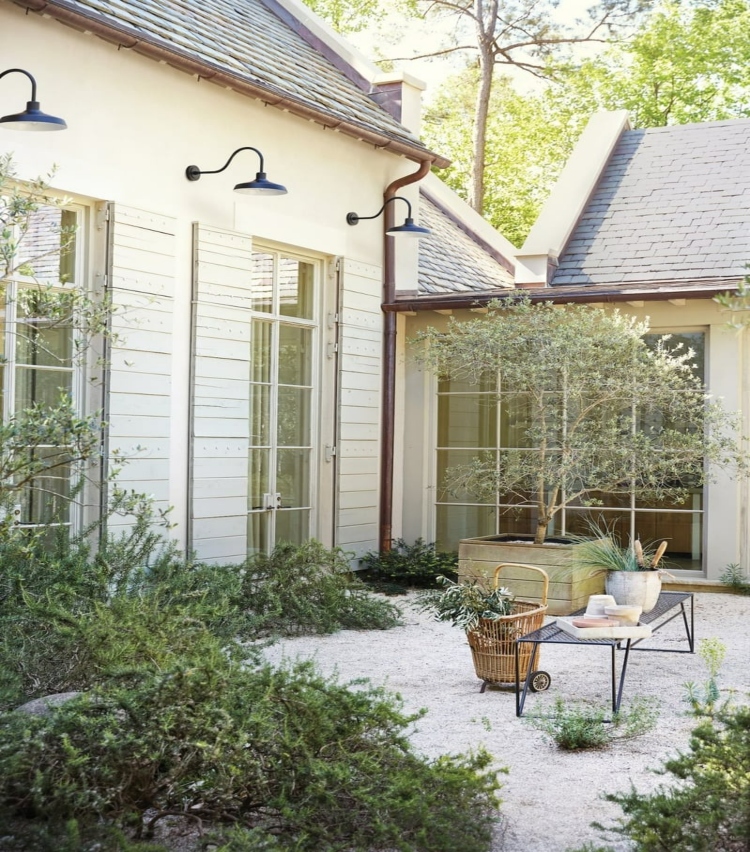
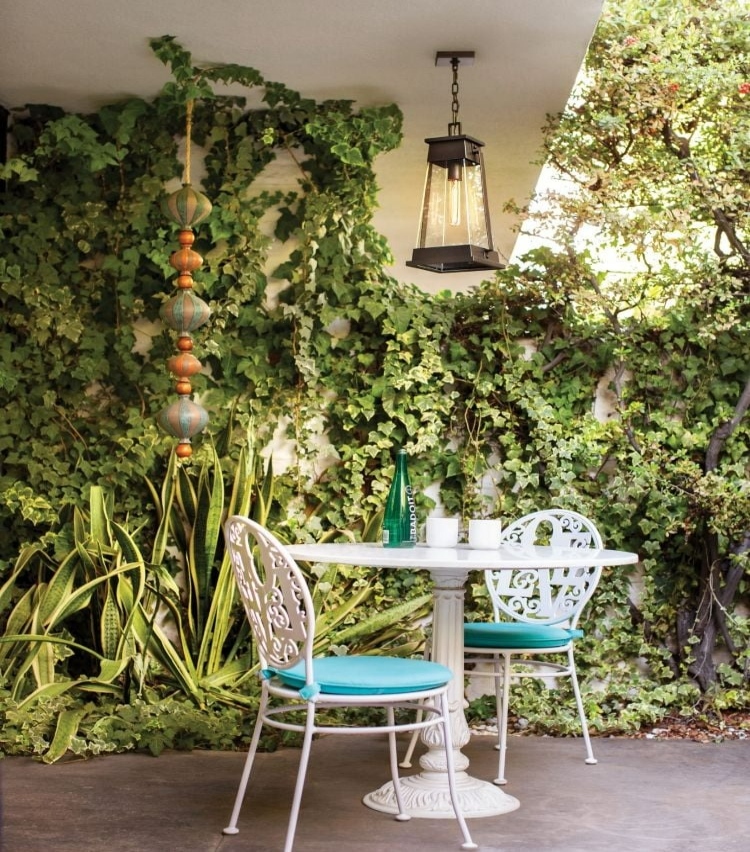
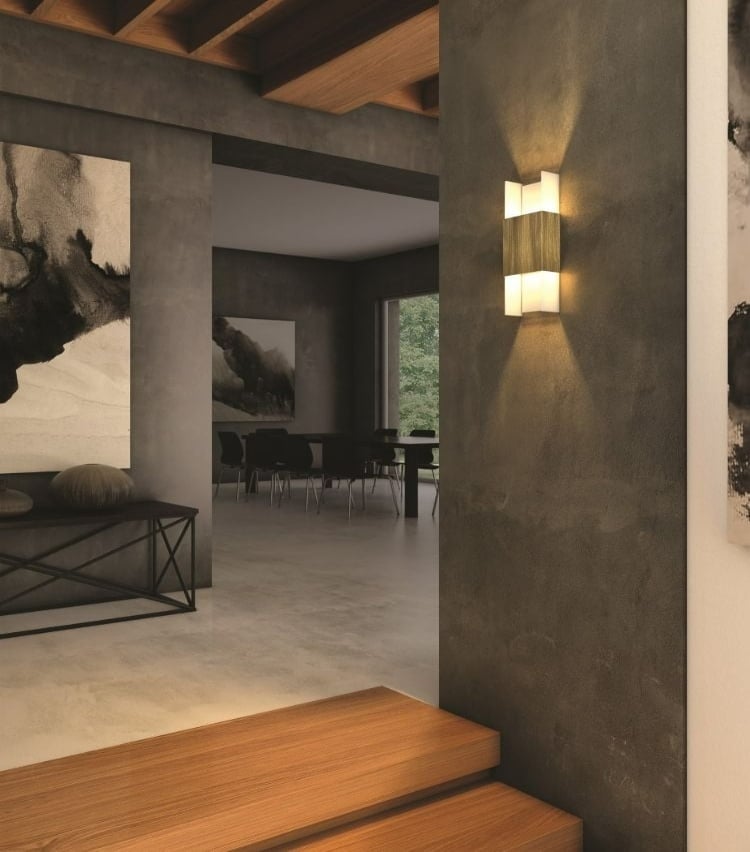
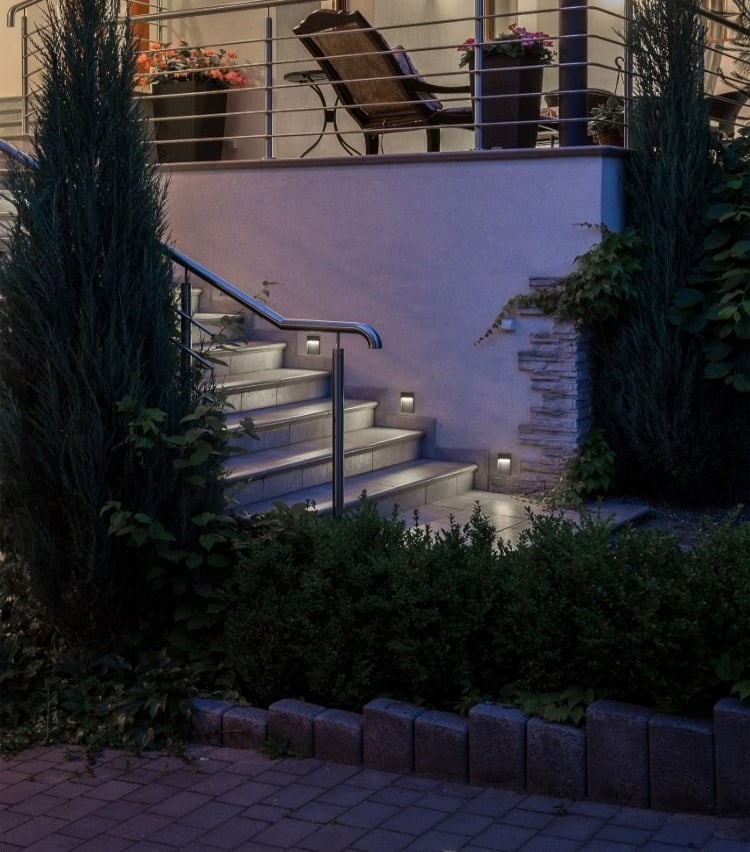
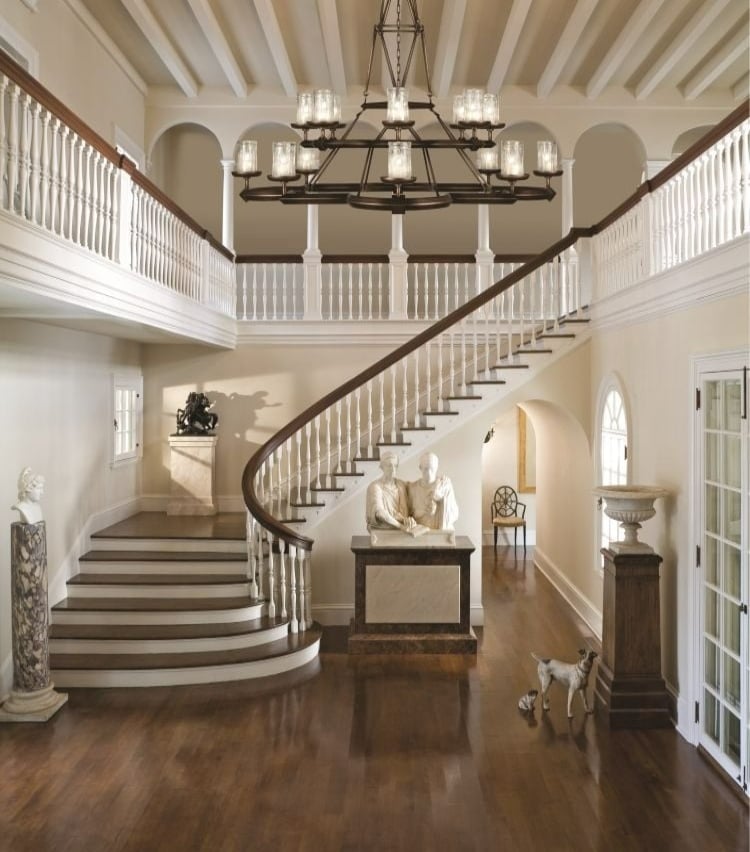
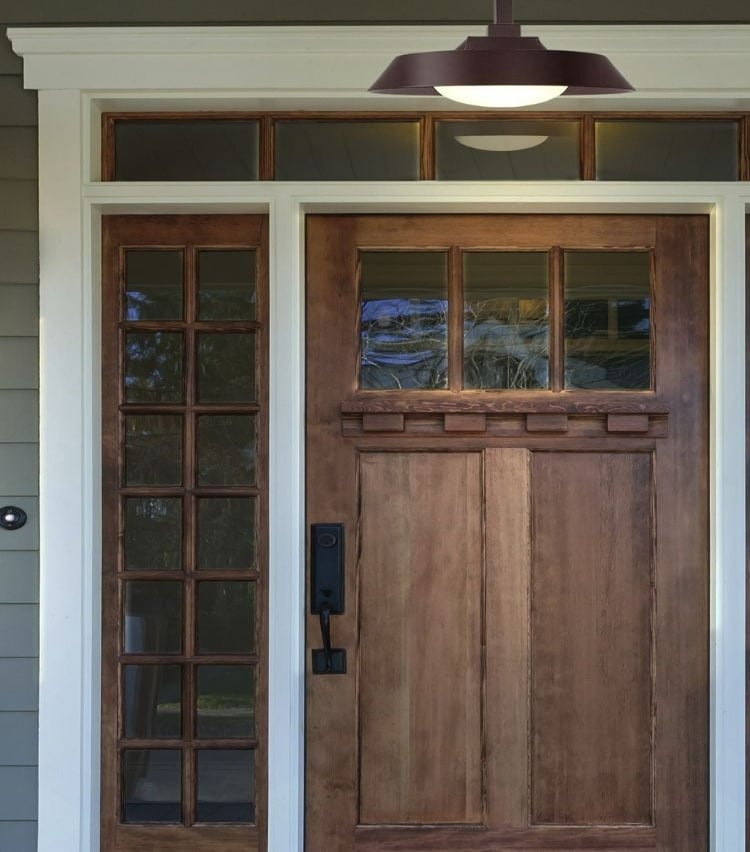
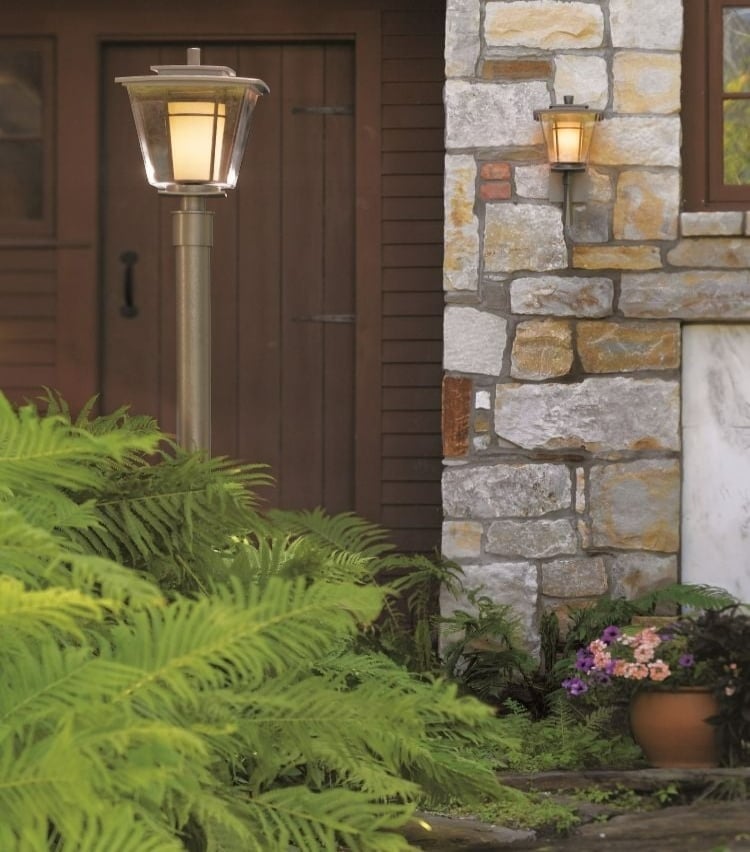
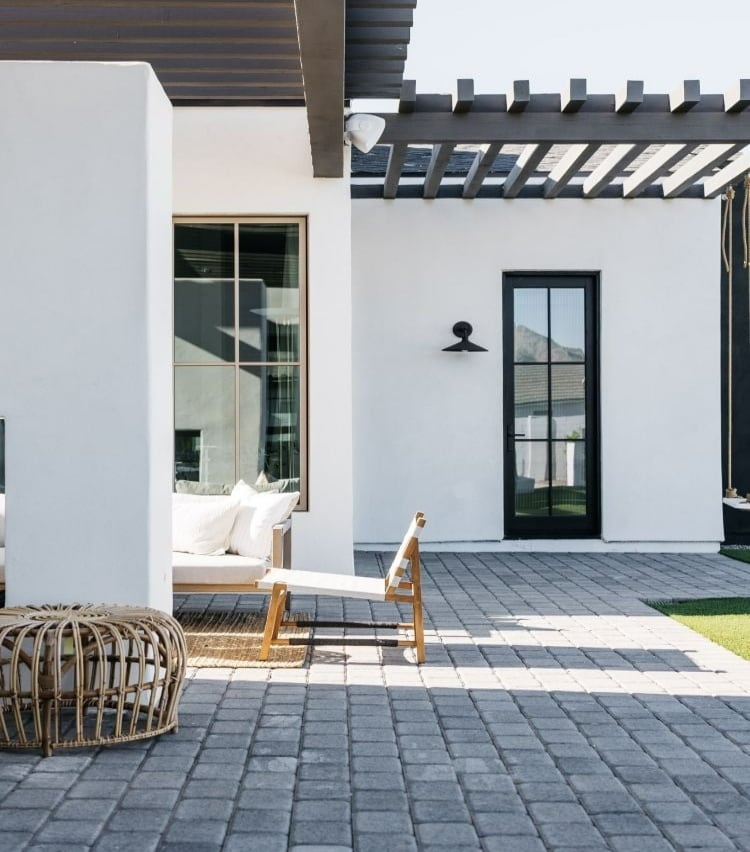
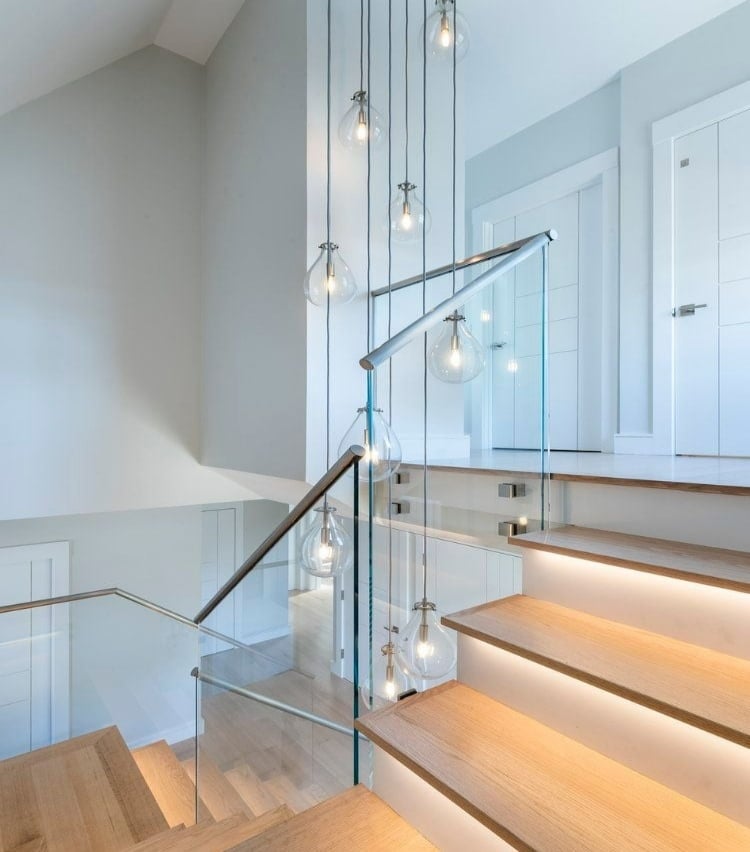
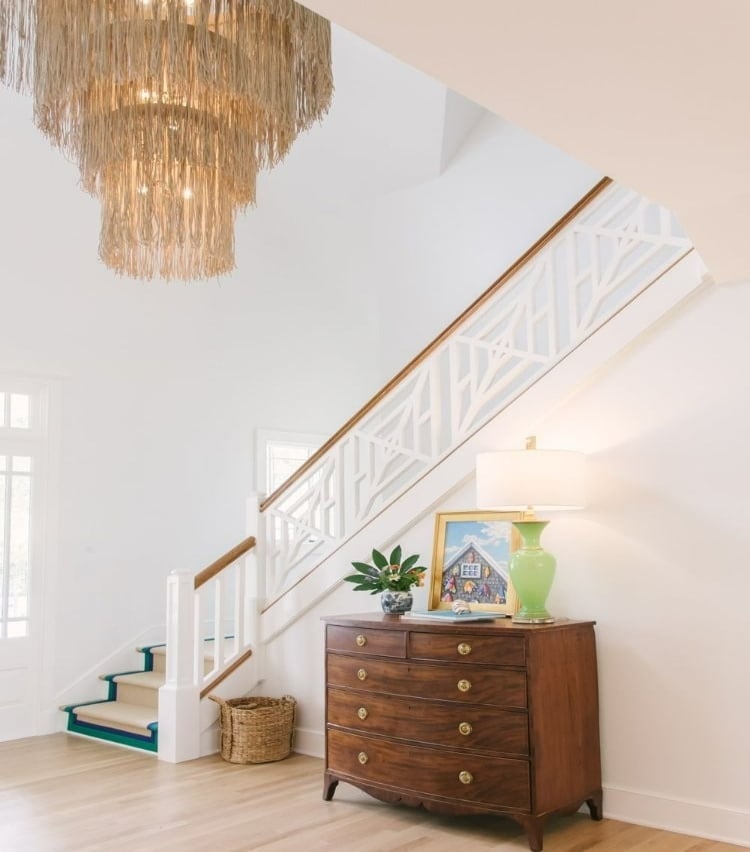
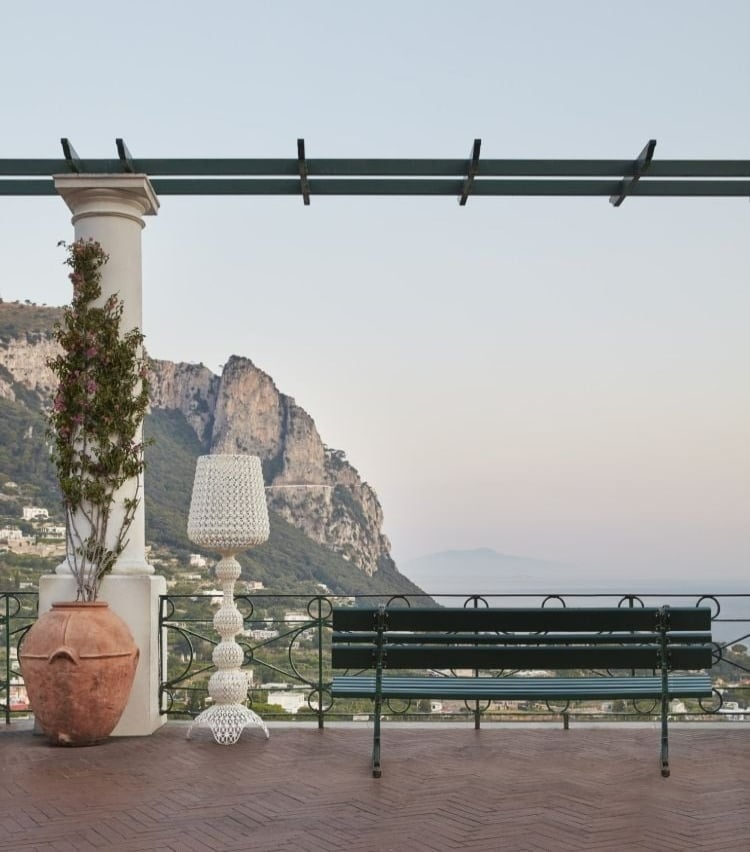
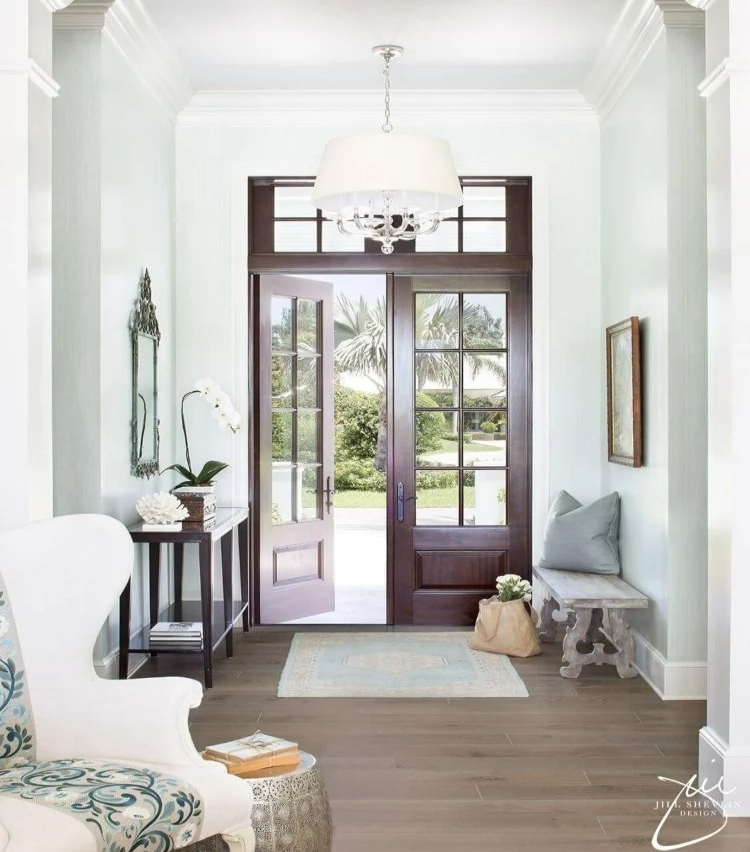
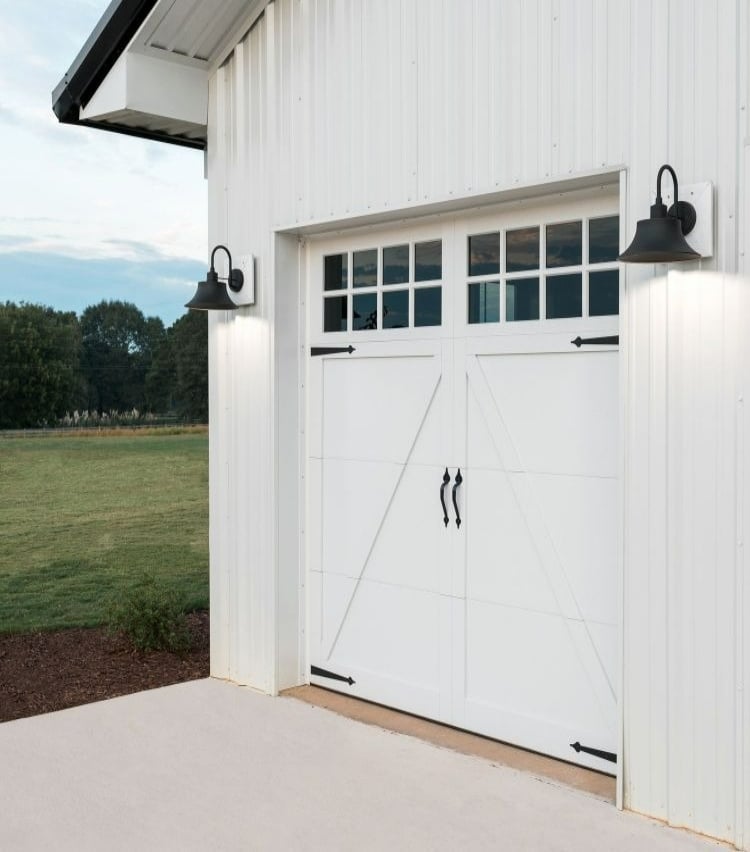
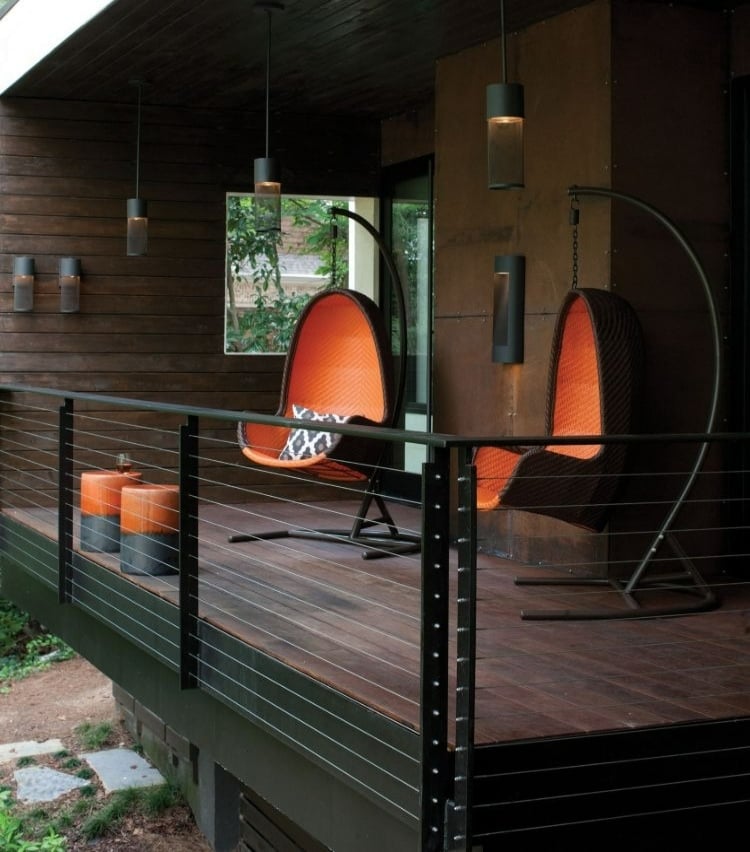
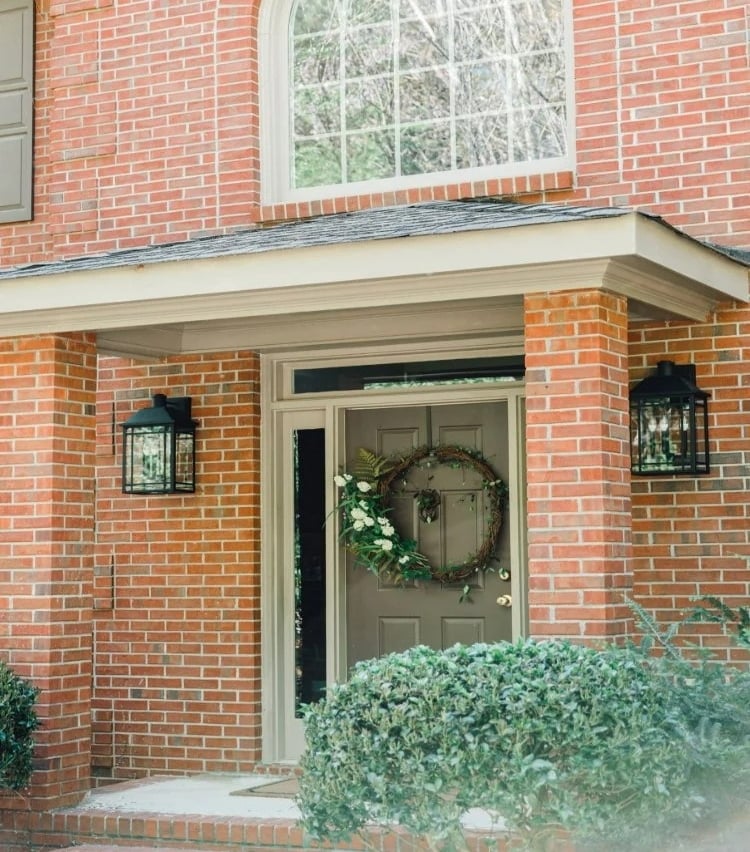
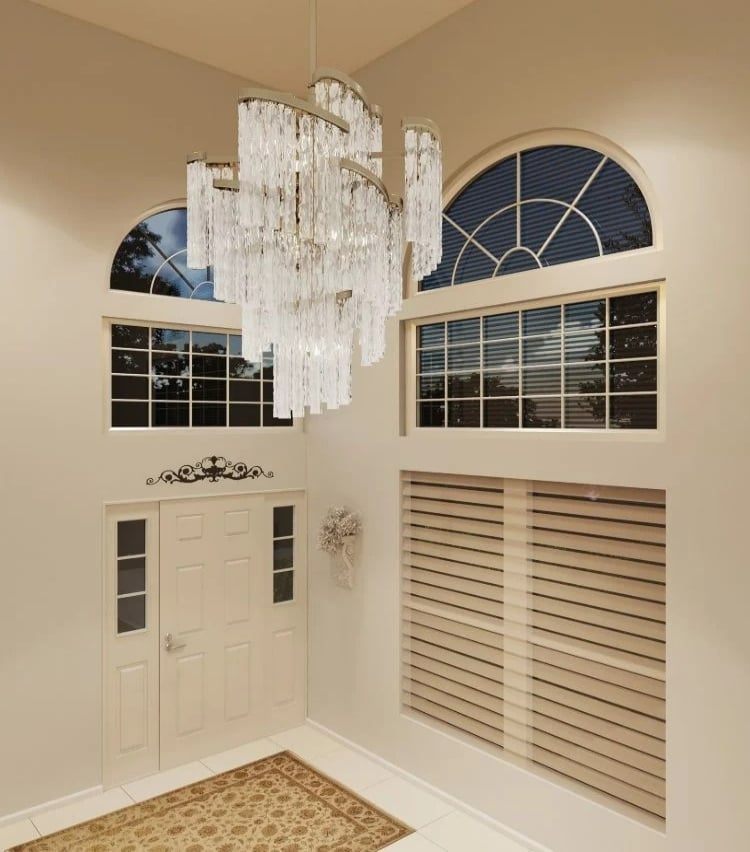
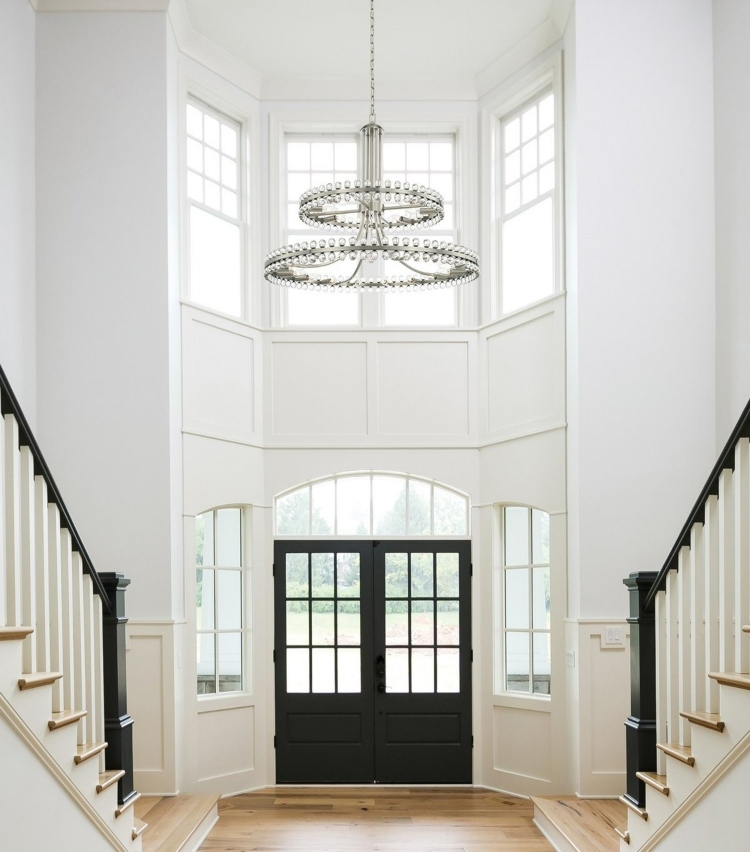
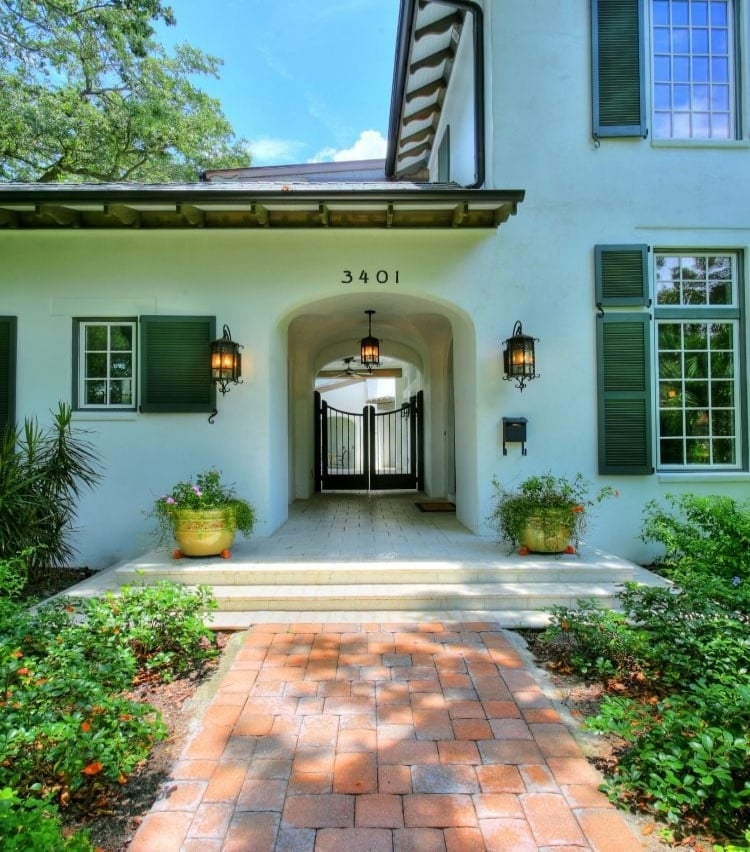
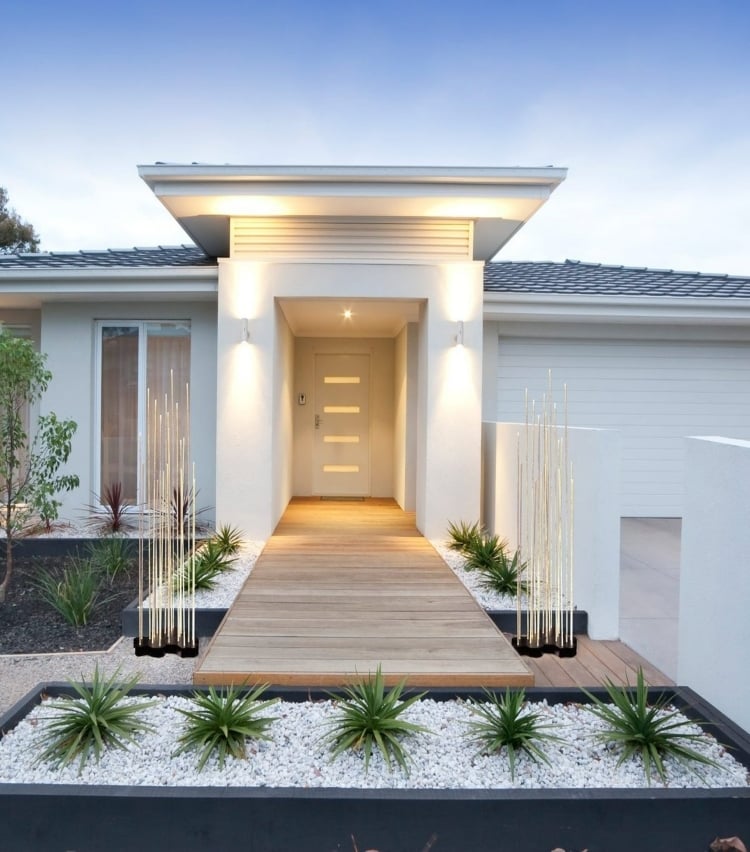
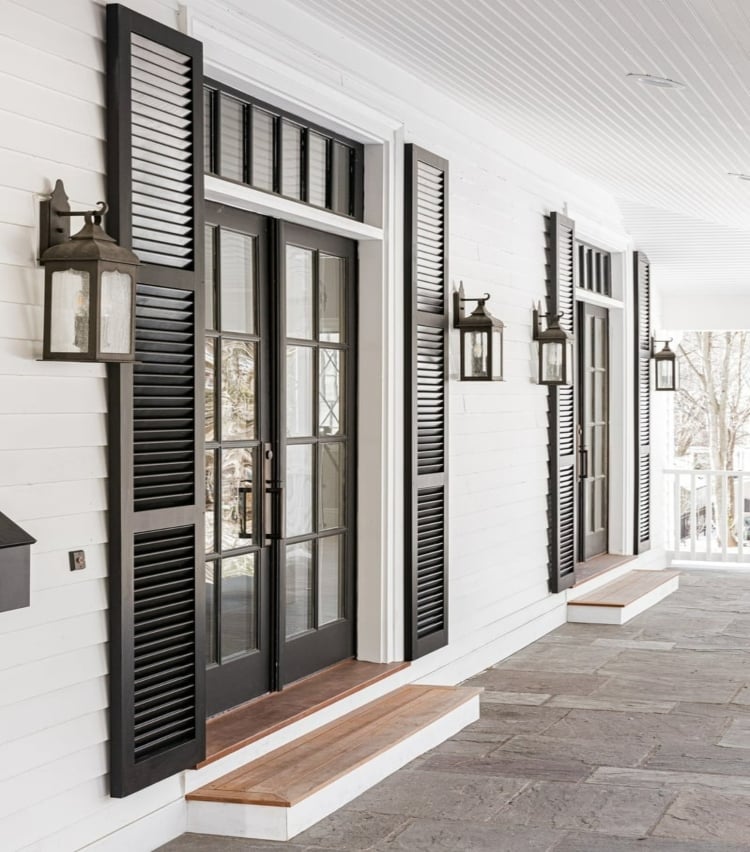
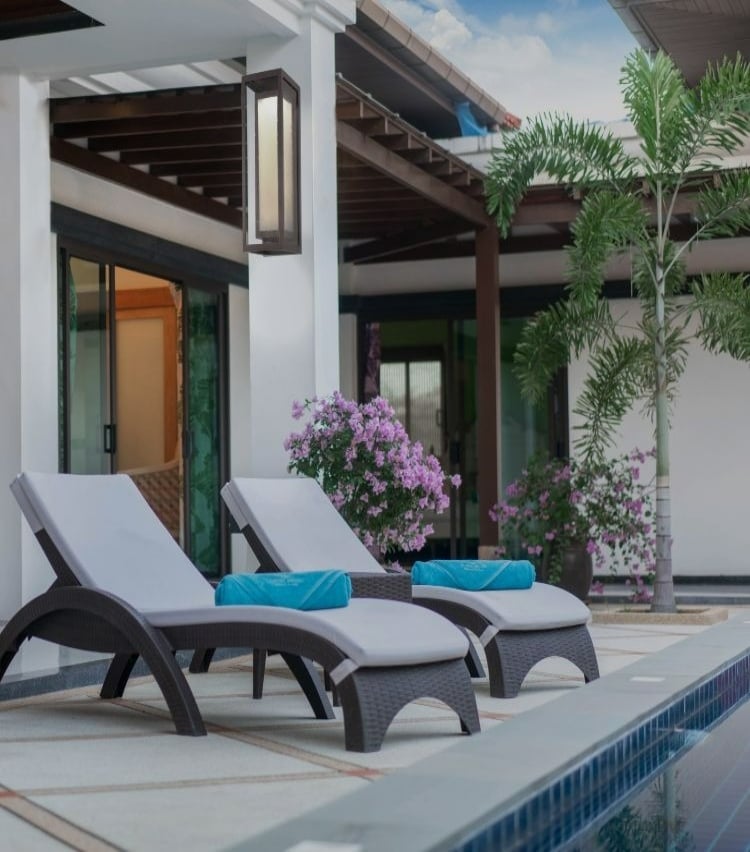
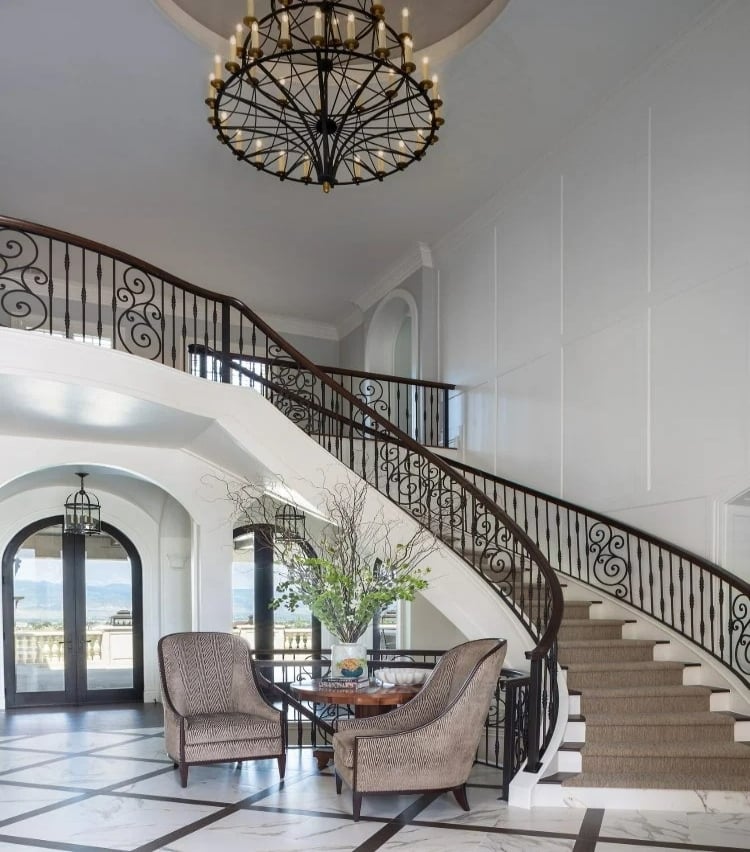
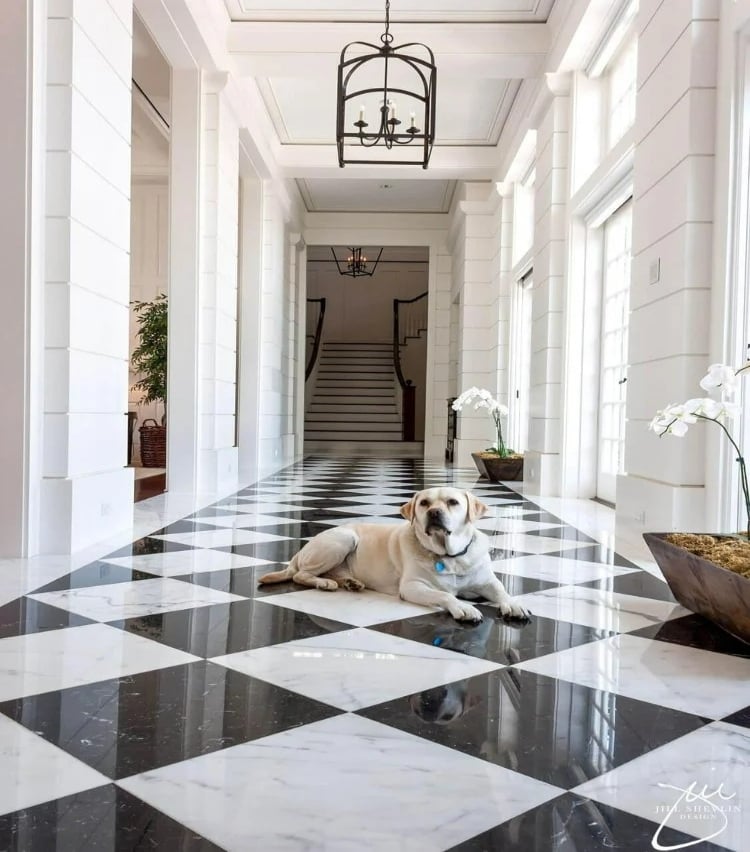
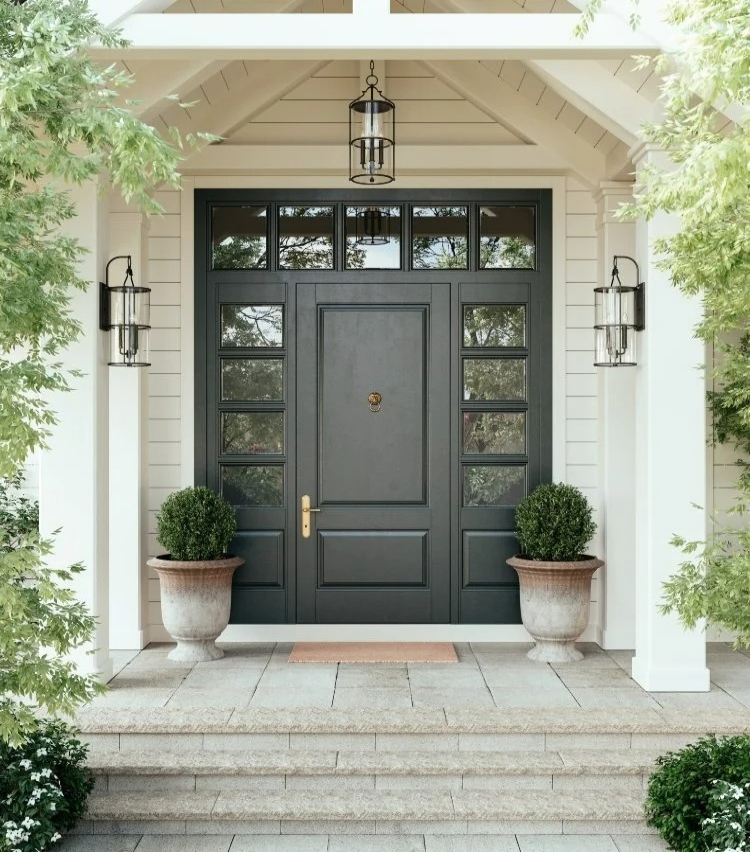
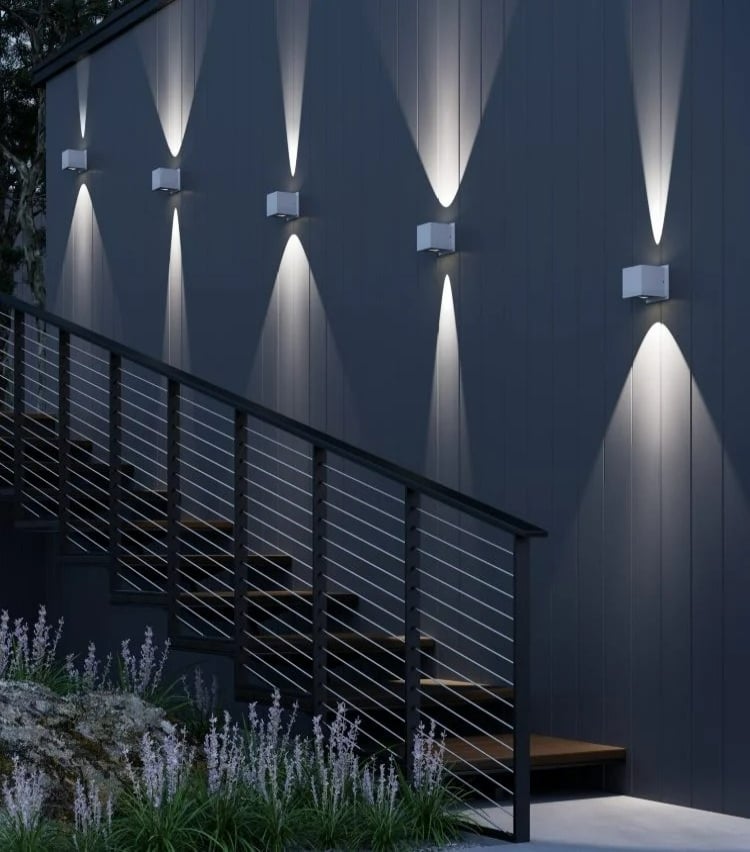
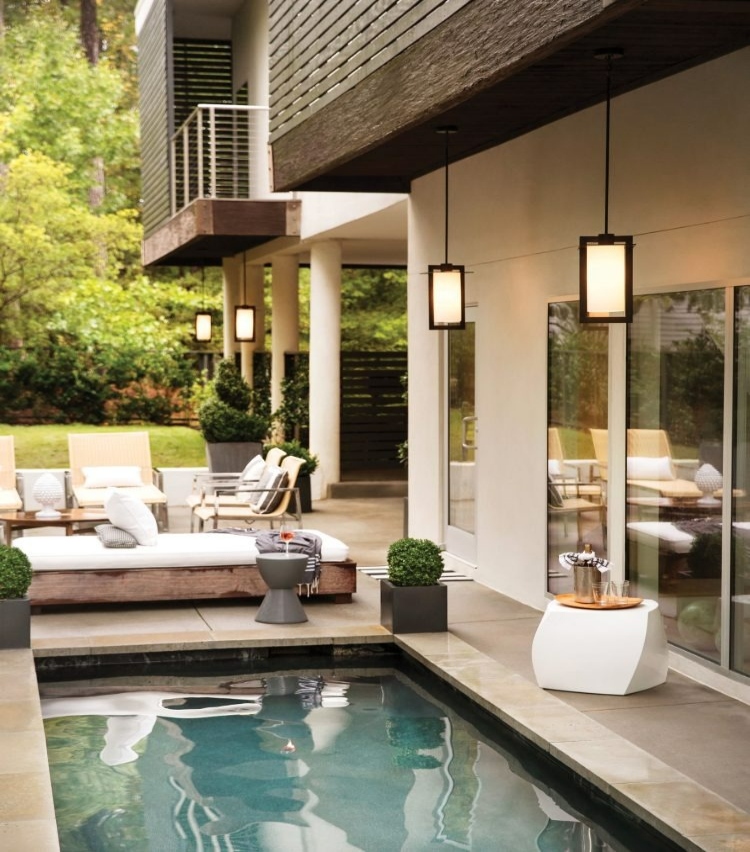
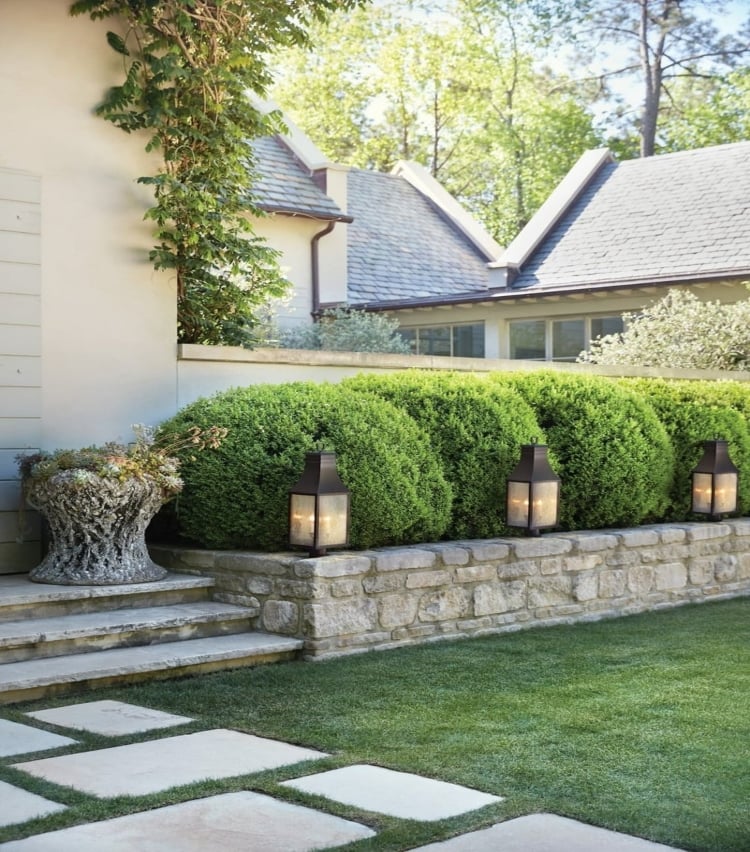
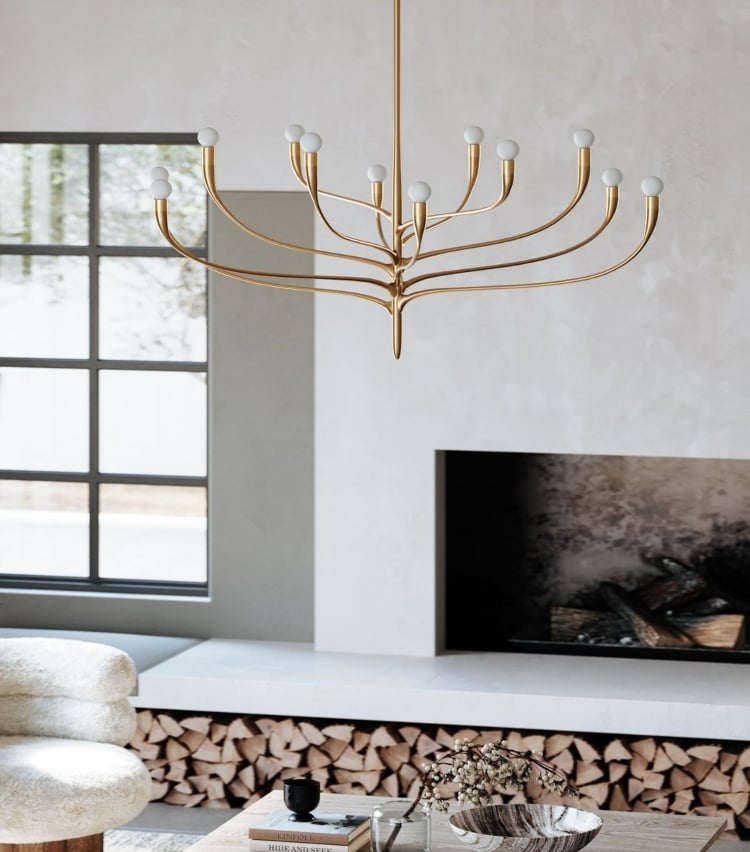
Establish welcoming first impressions through strategic fixture placement and sizing.
Professional lighting design follows established illumination standards: living areas require 1,500-3,000 lumens, kitchens need 3,000-4,000 lumens, and bedrooms typically need 1,000-2,000 lumens. Task areas such as kitchen islands and bathroom vanities require additional focused lighting at 350-500 lumens per linear foot.
Professional designers recommend establishing one dominant style for primary fixtures, then incorporating complementary accent pieces. Maintain consistency in finish families, either warm metals (brass, bronze) or cool finishes (chrome, nickel), for cohesive visual integration throughout the space.
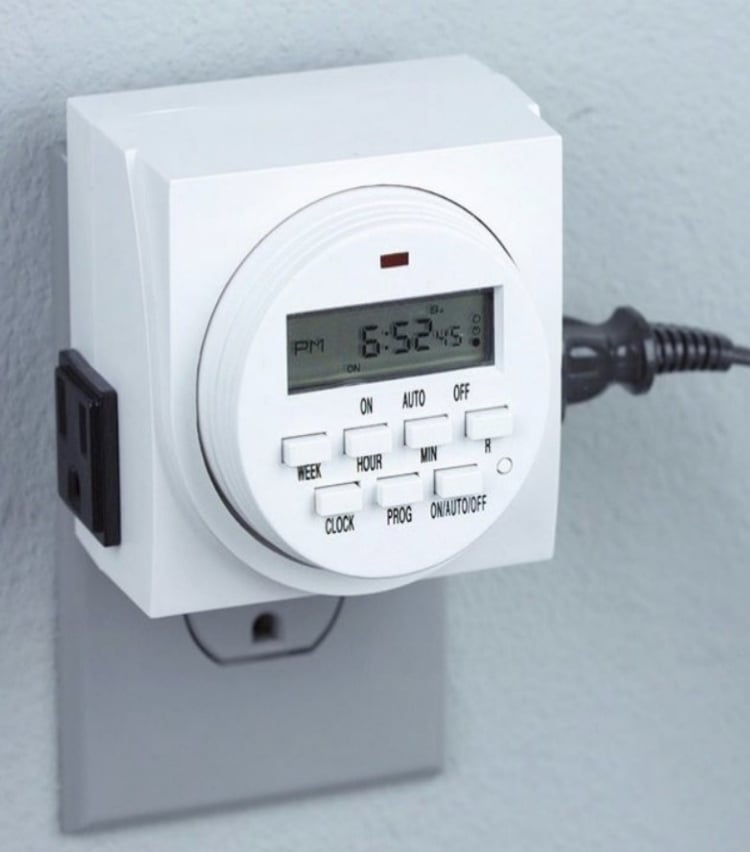
For safety and code compliance, professional installation is recommended for all hardwired fixtures, ceiling-mounted installations, or electrical work beyond simple plug-in applications. Our network of licensed electricians ensures proper installation and local code compliance.
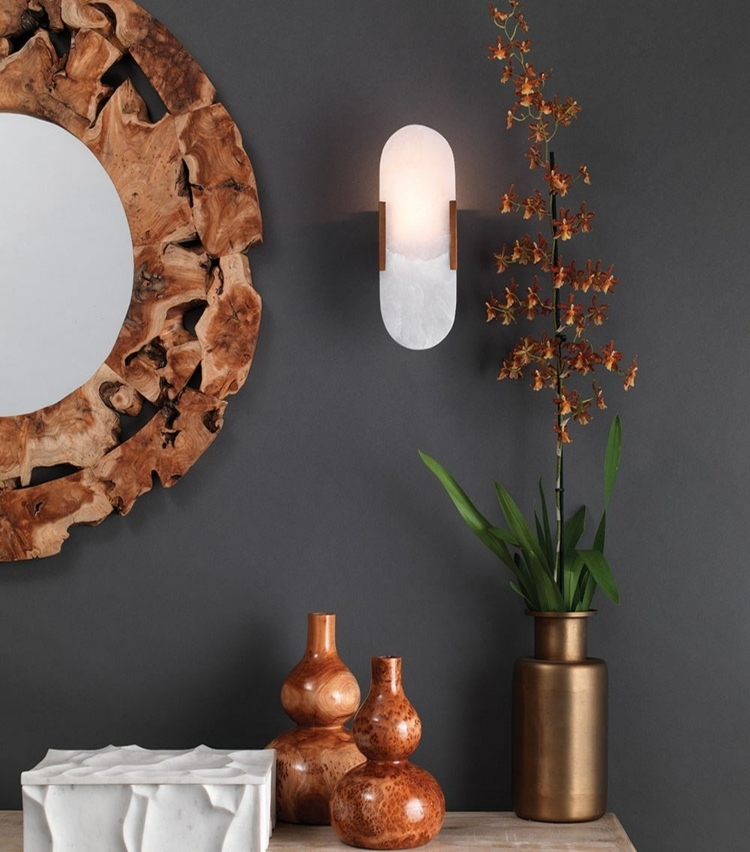
Professional layered lighting incorporates three distinct lighting types: ambient (general illumination), task (focused work lighting), and accent (decorative and mood lighting). Begin with overhead fixtures for ambient lighting, add task-specific lamps for work areas, and integrate wall sconces or decorative fixtures for accent illumination.
LED technology offers 75% energy reduction and 25x longer lifespan compared to traditional incandescent bulbs. LEDs also produce minimal heat output and provide superior color rendering options. While initial investment is higher, LEDs deliver significant long-term savings through reduced energy consumption and maintenance costs.
Professional Consultation Available: Contact our lighting specialists for detailed project guidance and technical specifications.
THANK YOU!
Your discount code is on its way.
If you don't receive your promo code, please check your email junk or spam folder and click on "Not spam".
Free Shipping
Free standard shipping on all orders within the contiguous USA.
Orders to Canada, Alaska, Hawaii and Puerto Rico will incur additional shipping and handling fees, which will be calculated and presented at checkout. Canadian customers will be charged for all applicable customs duties, taxes, and brokerage fees.
For large, oversize items that require a surcharge above our shipping and freight partners’ standard shipping rates, an Oversize Processing Fee will be calculated in cart.