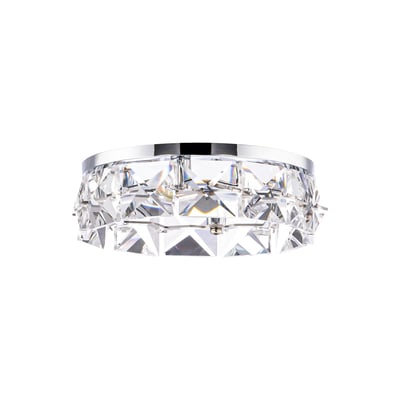

Recessed lighting has become one of the most sought-after lighting solutions for modern homes, offering a sleek, unobtrusive way to illuminate any space. These fixtures disappear into your ceiling, creating clean lines and a minimalist aesthetic that complements virtually any design style. However, the popularity of recessed lighting shouldn't overshadow the importance of making informed choices about which fixtures will work best in your home.
Selecting the right recessed lighting is crucial for achieving both optimal functionality and visual appeal. The wrong choice can leave your rooms poorly lit, create harsh shadows, or even make spaces feel cold and unwelcoming. By understanding the key factors that influence recessed lighting selection, you can create a lighting plan that enhances your home's beauty while serving your practical needs.
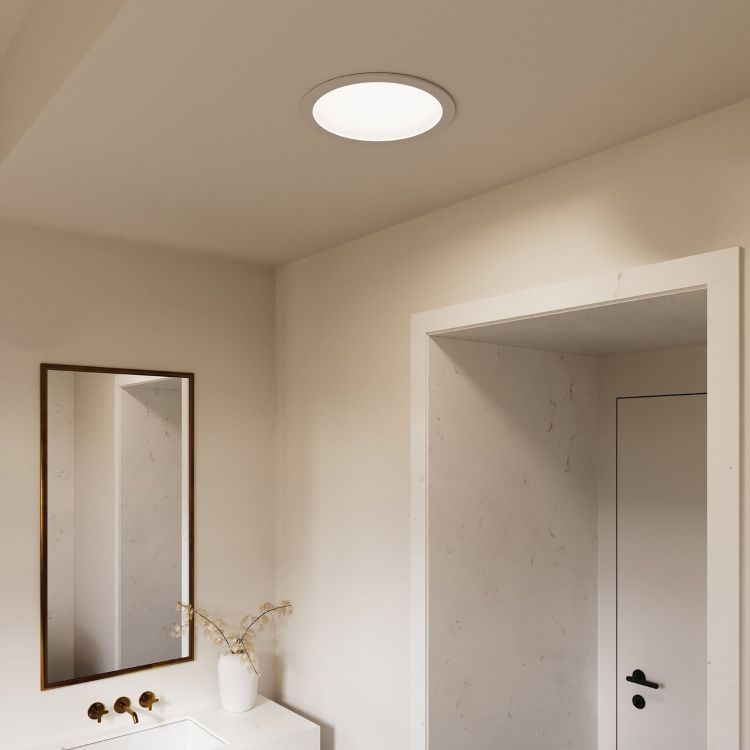
Recessed lighting, also commonly referred to as can lights or downlights, consists of light fixtures that are installed directly into your ceiling. Unlike pendant lights or chandeliers that hang down into your living space, recessed lights sit flush with the ceiling surface, creating a streamlined appearance that doesn't interfere with room flow or ceiling height.
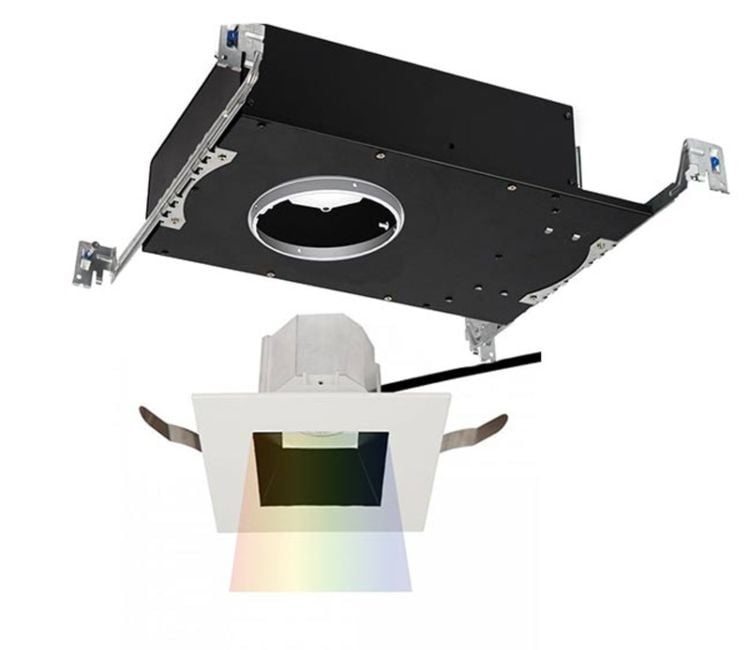
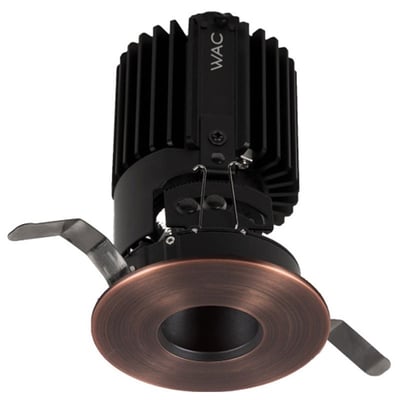
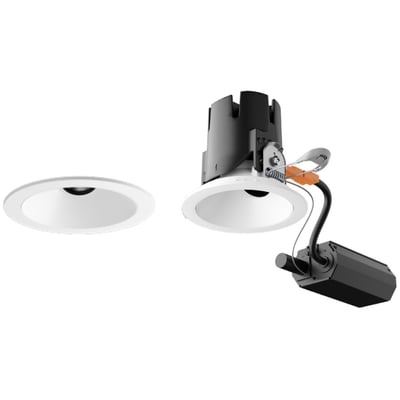
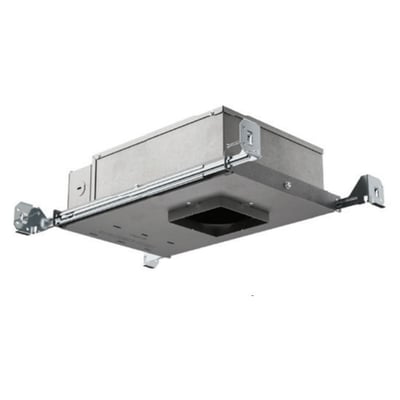
Every recessed light system consists of three main components that work together to deliver illumination. The housing is the fixture that gets installed above your ceiling and contains the electrical components. The trim is the visible part that sits flush with your ceiling and helps direct the light. Finally, the bulb provides the actual illumination and determines the quality and color of light in your space.

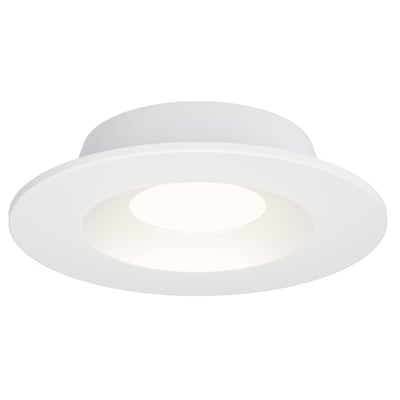
When shopping for recessed lighting, you'll encounter two main fixture types: traditional can fixtures and newer canless options. Can fixtures use a separate housing unit that sits above the ceiling, while canless fixtures integrate everything into a single, slimmer unit. Canless options are often easier to install in retrofit situations and take up less space above your ceiling.

The benefits of recessed lighting extend beyond aesthetics. These fixtures are incredibly versatile, capable of providing ambient lighting for general illumination, task lighting for specific activities, or accent lighting to highlight architectural features or artwork. Their space-saving design makes them ideal for rooms with low ceilings, and they can be dimmed to create different moods throughout the day.
The size of your recessed lights significantly impacts both their performance and appearance in your space. The most common recessed light sizes are 4-inch, 5-inch, and 6-inch fixtures, with these measurements referring to the diameter of the light opening.
4-inch and 5-inch recessed lights are perfect for creating focused illumination in specific areas. These smaller fixtures are commonly used over kitchen countertops and islands, where you need concentrated light for food preparation and cooking tasks. Their narrower beam spread makes them ideal for task lighting applications where precision matters.
6-inch recessed lights are the most popular choice for general lighting throughout the home. These fixtures provide broader light distribution, making them excellent for living rooms, dining rooms, and bedrooms where you want to create comfortable ambient lighting. Their larger size allows them to illuminate wider areas effectively, reducing the number of fixtures needed for adequate coverage.
When selecting sizes based on your room dimensions and ceiling height, consider that larger rooms and higher ceilings can accommodate larger fixtures. A general rule is that your ceiling height should be at least 1.5 times the diameter of your recessed light. For example, 6-inch lights work well with ceilings that are 9 feet or higher.
Less common sizes like 2-inch and 3-inch recessed lights serve specialized purposes. These smaller fixtures are perfect for accent lighting applications, such as highlighting artwork or architectural details. They're also commonly used around bathroom vanities where you need focused light but don't want large fixtures dominating the space. On the other end of the spectrum, 8-inch recessed lights are reserved for grand spaces with high ceilings where maximum light output is desired.
Different rooms in your home have unique lighting needs, and your recessed lighting choices should reflect these requirements.

In the kitchen, functionality takes priority, making 4-inch or 5-inch lights the preferred choice for task lighting over countertops and islands. Reflector trims work well here because they provide the bright, concentrated light needed for food preparation. Space your lights 4 to 5 feet apart to ensure even coverage without creating shadows. Remember that recessed lights alone may not eliminate all shadows, so consider pairing them with under-cabinet lighting for comprehensive task illumination.

Living rooms benefit from 6-inch lights that provide gentle ambient lighting for relaxation and entertainment. Wall-wash trims can help highlight artwork or architectural features, while baffle trims reduce glare for comfortable everyday use. Installing dimmer switches gives you the flexibility to adjust lighting levels for different activities, from bright light for reading to soft illumination for movie nights.

Bedrooms require careful consideration of both function and ambiance. Soft white lighting in the 2700K to 3000K range creates a relaxing atmosphere conducive to rest. Use adjustable trims to direct light toward reading areas or dressing spaces. Avoid placing lights directly over the bed where they might create glare, and consider using multiple zones with separate switches for maximum flexibility.
Modern recessed lighting offers numerous opportunities to reduce energy consumption while enhancing convenience. LED technology has revolutionized recessed lighting efficiency, and many fixtures now offer additional smart features that can further optimize energy use.
Dimmable LED options allow you to adjust light levels to match your needs, using less energy when full brightness isn't required. Color-tunable LEDs take this a step further, allowing you to adjust both brightness and color temperature throughout the day. This capability lets you create energizing cool light for morning activities and warm, relaxing light for evening wind-down.
Even with the best intentions, homeowners often make mistakes when selecting and installing recessed lighting. Being aware of these common pitfalls helps you avoid creating lighting problems in your home.
One of the most frequent mistakes is overloading a room with too many recessed lights. While these fixtures provide excellent illumination, using too many can create a sterile, commercial atmosphere that lacks warmth and character. Remember that recessed lighting should be part of a layered lighting approach that includes ambient, task, and accent lighting sources.
Neglecting to layer your lighting is another common error. Relying solely on recessed lights can create a flat, one-dimensional lighting scheme that doesn't serve all your needs. Incorporate table lamps, floor lamps, pendant lights, or wall sconces to create depth and visual interest in your spaces.
Choosing inappropriate color temperatures can clash with your room's decor and intended atmosphere. Cool, daylight-colored lights might feel harsh in a bedroom, while warm lights might not provide adequate task lighting in a kitchen. Consider the room's function and your personal preferences when selecting color temperature.
Finally, many homeowners underestimate the importance of dimmers and lighting controls. Fixed-brightness lighting can't adapt to different activities or times of day, limiting your ability to create the right atmosphere. Investing in quality dimmer switches and controls provides flexibility that enhances both functionality and enjoyment of your spaces.
Choosing the right recessed lighting for your home involves balancing multiple factors, from fixture size and trim style to bulb technology and installation requirements. By understanding how these elements work together, you can create a lighting plan that enhances both the functionality and beauty of your living spaces.
Remember that great lighting design considers the specific needs of each room while maintaining consistency throughout your home. Take time to evaluate how you use each space, what activities occur there, and what atmosphere you want to create. This thoughtful approach ensures that your recessed lighting investment will serve you well for years to come.
When in doubt, don't hesitate to consult with lighting professionals or qualified electricians who can provide expert guidance tailored to your specific situation. Their experience can help you avoid common mistakes and achieve the lighting results you envision for your home.
THANK YOU!
Your discount code is on its way.
If you don't receive your promo code, please check your email junk or spam folder and click on "Not spam".
Free Shipping
Free standard shipping on all orders within the contiguous USA.
Orders to Canada, Alaska, Hawaii and Puerto Rico will incur additional shipping and handling fees, which will be calculated and presented at checkout. Canadian customers will be charged for all applicable customs duties, taxes, and brokerage fees.
For large, oversize items that require a surcharge above our shipping and freight partners’ standard shipping rates, an Oversize Processing Fee will be calculated in cart.