
There isn’t a simple answer to the question, “What size transformer do I need for landscape lighting”
There are voltages, sizing, and light types to consider. That’s why understanding transformers, what they are and what they do, is the first step to creating a stunning landscape lighting display.
The transformer is an unassuming device that serves as the backbone of your entire lighting network. It converts standard household voltage into the safe, low-voltage power your landscape lights need to operate effectively.
Understanding proper transformer sizing is essential for anyone planning a landscape lighting project. Choose a transformer that's too small, and you'll risk overloading the system, leading to dimmed lights, shortened fixture lifespans, and potential safety hazards. On the flip side, selecting an oversized transformer might seem like a safe bet, but it can lead to inefficient operation and unnecessary costs. The key lies in finding that perfect balance between capacity and efficiency.
By the end, you'll have the knowledge needed to design a landscape lighting system that's both beautiful and technically sound.
A landscape lighting transformer has one primary function: converting the standard 120-volt household current flowing through your home's electrical system into the much safer 12-volt or 24-volt power that landscape lighting fixtures require.
This voltage reduction is essential for outdoor safety, as the lower voltage significantly reduces the risk of electrical shock and fire hazards.
When selecting a transformer for your landscape lighting project, you'll encounter two main types, each with distinct characteristics and applications.
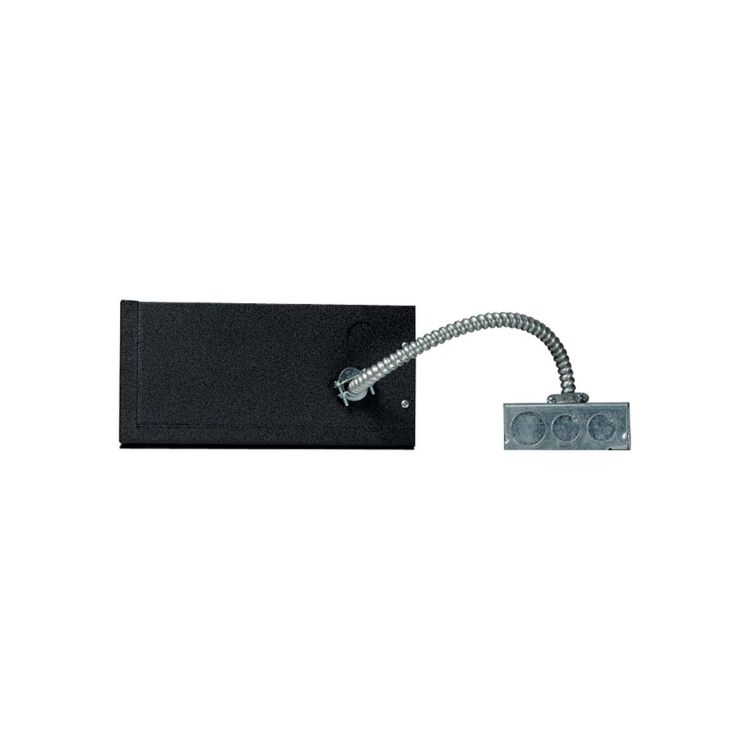
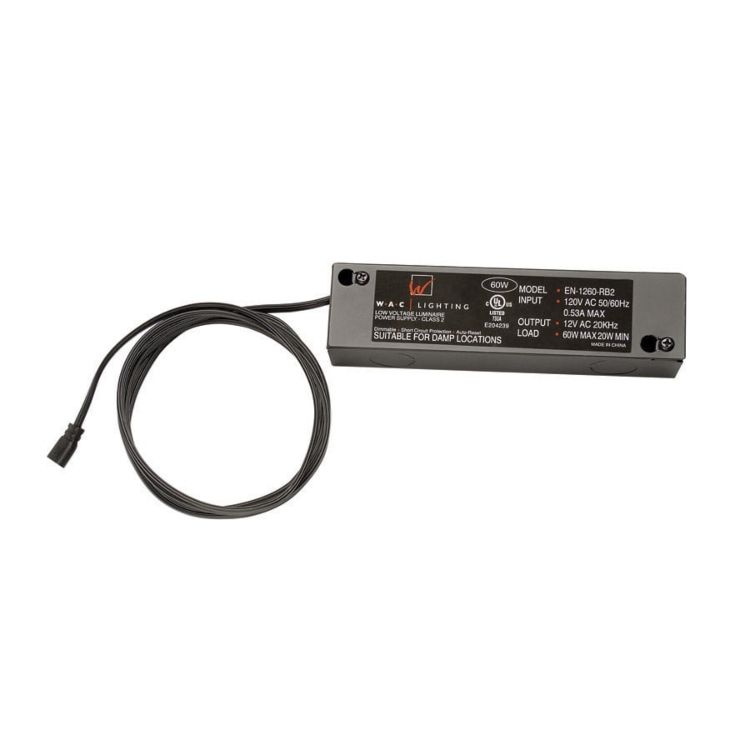
The choice between magnetic and electronic transformers often comes down to your specific project requirements, budget considerations, and long-term maintenance preferences.
Both types can effectively power your landscape lighting system when properly sized and installed.
The number of landscape lights you can connect to a single transformer isn't determined by a simple count – it's all about the total power consumption of your fixtures and the transformer's capacity to handle that load safely. Understanding this relationship is crucial for creating a reliable and long-lasting lighting system.
The calculation process begins with determining your total wattage requirements. Start by identifying the wattage rating of each fixture in your planned installation. Modern LED landscape lights typically consume between 3 to 15 watts per fixture, while older halogen bulbs can range from 20 to 50 watts each. Multiply the wattage of each fixture by the number of fixtures to establish your baseline power requirement.
However, simply matching your total fixture wattage to your transformer capacity isn't sufficient for optimal performance. Professional installers recommend applying a safety margin of 25% to account for voltage drop over long wire runs and to provide capacity for future system expansions. This means multiplying your total calculated wattage by 1.25 to determine your adjusted power requirement.
Let's work through a practical example to illustrate this process:
This systematic approach to transformer sizing ensures your system operates efficiently while providing the flexibility to add additional fixtures in the future without requiring a complete transformer upgrade.
Several critical factors beyond simple wattage calculations can significantly impact your transformer sizing decisions.
The primary factors to consider are:
Understanding these variables will help you create a more robust and reliable landscape lighting system.
This represents one of the most important considerations in landscape lighting design. As electrical current travels through wire over long distances, the wire's natural resistance causes a gradual reduction in voltage. This phenomenon becomes more pronounced with longer wire runs and can result in dimmer lights at the end of your circuit. While voltage drop is inevitable, proper planning can minimize its impact on your system's performance.
Wire gauge selection plays a crucial role in managing voltage drop. Electrical wire is rated using the American Wire Gauge (AWG) system, where smaller numbers indicate thicker wires with lower electrical resistance. For landscape lighting applications, 12 AWG wire is commonly used for longer runs or higher-wattage installations, while 14 AWG wire works well for shorter distances and lower power requirements. Using wire that's too thin for your application can result in significant voltage drop and poor light performance, even with a properly sized transformer.
This is another vital consideration that many homeowners overlook during initial installation. Landscape lighting systems tend to grow over time as homeowners discover new areas they'd like to illuminate or decide to enhance their existing setup. Selecting a transformer with additional capacity beyond your immediate needs provides the flexibility to add more fixtures without requiring a complete system overhaul. This forward-thinking approach can save significant time and money in the long run.
Environmental factors include variables such as ambient temperature and installation location. Such factors can also influence transformer performance. Transformers generate heat during operation, and adequate ventilation is essential for optimal performance and longevity. Installing your transformer in a well-ventilated area, away from direct sunlight and moisture, will help ensure reliable operation for years to come.
Landscape lighting transformers are available in various sizes to accommodate different project scales and requirements. Understanding the typical applications for common transformer sizes will help you select the most appropriate option for your specific needs.
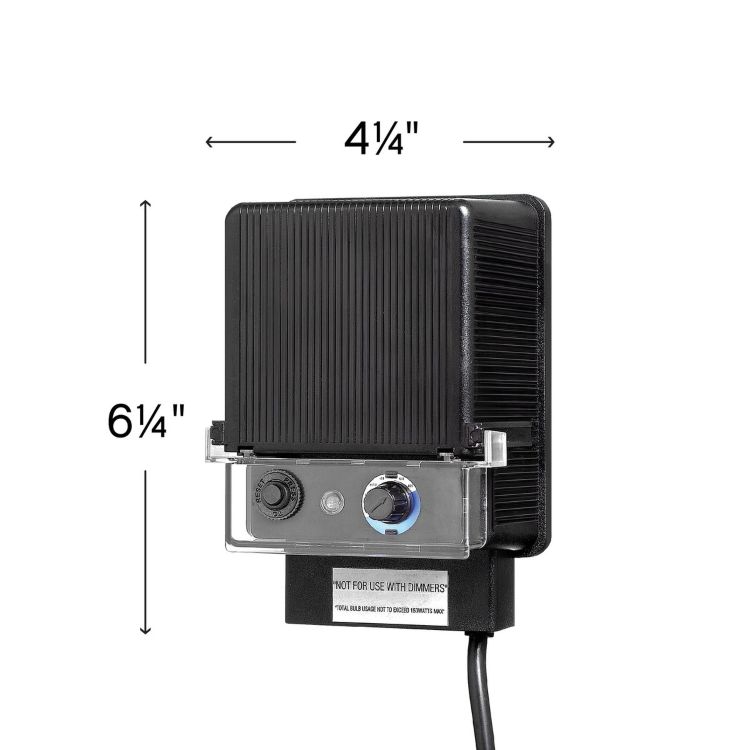
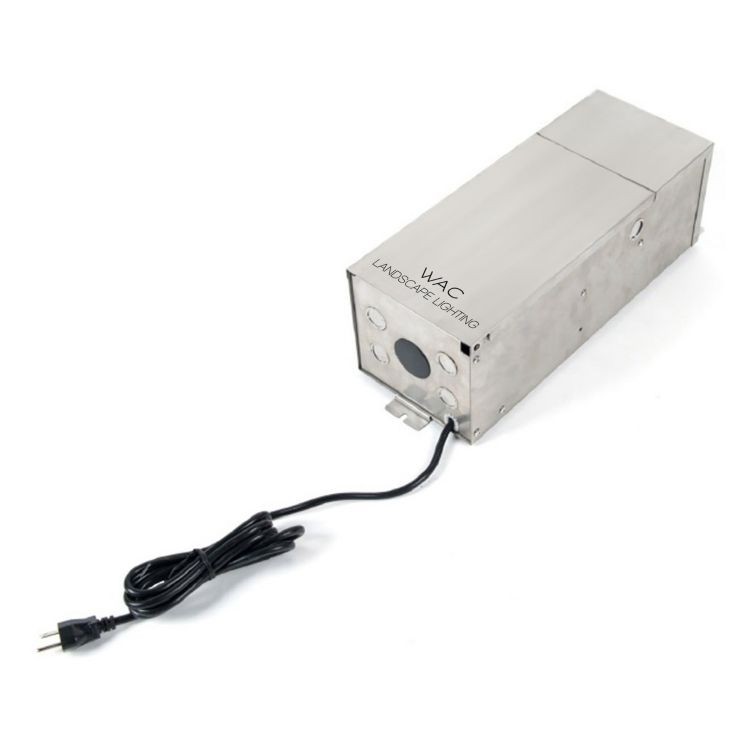
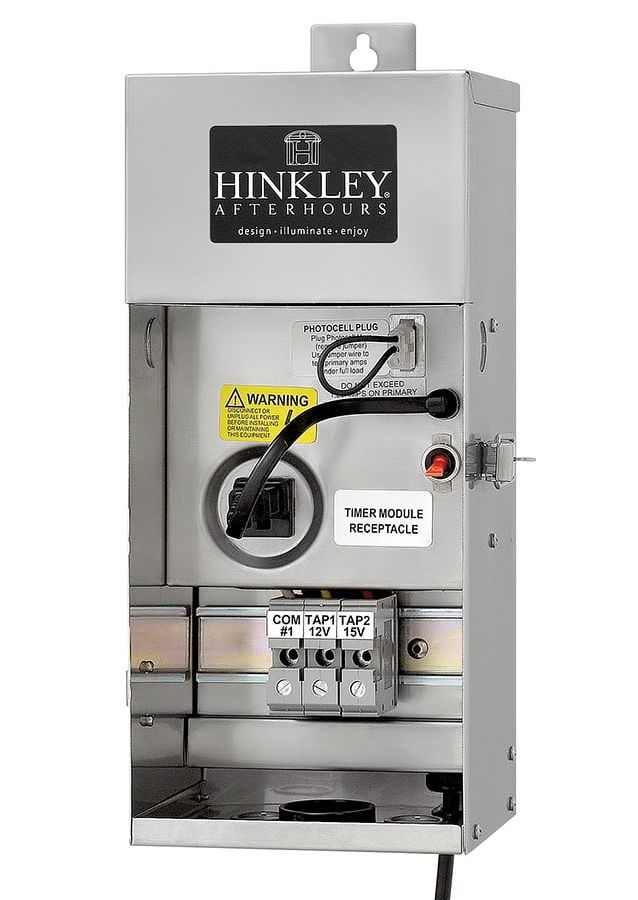
Important Note: Regardless of the transformer size you choose, it's essential to operate the unit at no more than 80% of its maximum rated capacity. This practice ensures optimal performance, extends the transformer's lifespan, and provides a safety buffer for electrical fluctuations and minor load variations.
Creating an efficient and effective landscape lighting system requires thoughtful planning and strategic implementation.
Several design principles can help you maximize the impact of your lighting while minimizing energy consumption and maintenance requirements.
Zoning your landscape lighting system offers numerous advantages for both performance and convenience. By dividing your lights into separate circuits or zones, you can control different areas independently, creating custom lighting scenes for various occasions and activities. For example, you might create one zone for pathway safety lighting that operates on a timer, another for accent lighting that highlights landscape features, and a third for entertaining areas that can be controlled manually. This approach not only provides operational flexibility but also allows for more efficient transformer utilization by distributing the electrical load across multiple circuits.
Consider LED fixtures – a revolution in landscape lighting. LED lights consume 75% to 80% less energy than traditional halogen bulbs while providing superior longevity and performance. This dramatic reduction in power consumption means you can install significantly more LED fixtures on a single transformer compared to halogen alternatives. Additionally, LED lights generate minimal heat, reducing the risk of fixture damage and providing safer operation in landscaped areas.
Regular maintenance plays a crucial role in maintaining optimal system performance and identifying potential issues before they become major problems. Establish a routine inspection schedule to check wire connections, clean fixture lenses, and verify proper light alignment. Look for signs of corrosion, loose connections, or damaged fixtures that could affect system performance or safety. Addressing minor issues promptly can prevent more extensive repairs and ensure your lighting system continues to operate reliably.
Bonus: Consider implementing smart controls and automation to further enhance your system's efficiency and convenience. Modern landscape lighting controllers can automatically adjust brightness based on ambient light conditions, create custom lighting schedules, and even integrate with home automation systems for seamless operation. /
Proper transformer sizing forms the foundation of any successful landscape lighting project. By understanding the relationship between fixture wattage, transformer capacity, and the various factors that influence system performance, you can create a lighting installation that's both beautiful and technically sound. Remember that the goal isn't simply to maximize the number of fixtures you can connect, but rather to create a balanced system that operates efficiently and reliably for years to come.
Take the time to carefully calculate your total wattage requirements, apply appropriate safety margins, and consider future expansion possibilities when selecting your transformer. The additional planning effort invested upfront will pay dividends in system performance, reliability, and flexibility down the road.
While many landscape lighting projects can be successfully completed by motivated DIY enthusiasts, don't hesitate to consult with a professional electrician or lighting designer for complex installations or when you're unsure about technical requirements. Their expertise can help ensure your system meets all safety codes and performs optimally, giving you peace of mind and professional results.
With proper planning and the right transformer selection, your landscape lighting system will provide years of reliable service, enhancing your property's beauty and functionality while creating the perfect ambiance for outdoor living and entertainment.

THANK YOU!
Your discount code is on its way.
If you don't receive your promo code, please check your email junk or spam folder and click on "Not spam".
Free Shipping
Free standard shipping on all orders within the contiguous USA.
Orders to Canada, Alaska, Hawaii and Puerto Rico will incur additional shipping and handling fees, which will be calculated and presented at checkout. Canadian customers will be charged for all applicable customs duties, taxes, and brokerage fees.
For large, oversize items that require a surcharge above our shipping and freight partners’ standard shipping rates, an Oversize Processing Fee will be calculated in cart.